Iran told the International Maritime Organization on Wednesday that 54 seafarers had been killed in conflict-related maritime incidents and restrictions affecting Iranian shipping, presenting the figures during a committee meeting in London as Tehran sought to document the human and operational toll of the fighting.
Speaking at the 76th session of the International Maritime Organization’s Technical Cooperation Committee, Iran’s representative said 66 seafarers had been wounded, and seven others were still missing. The representative said 28 seafarers had been taken hostage, with five still being held.
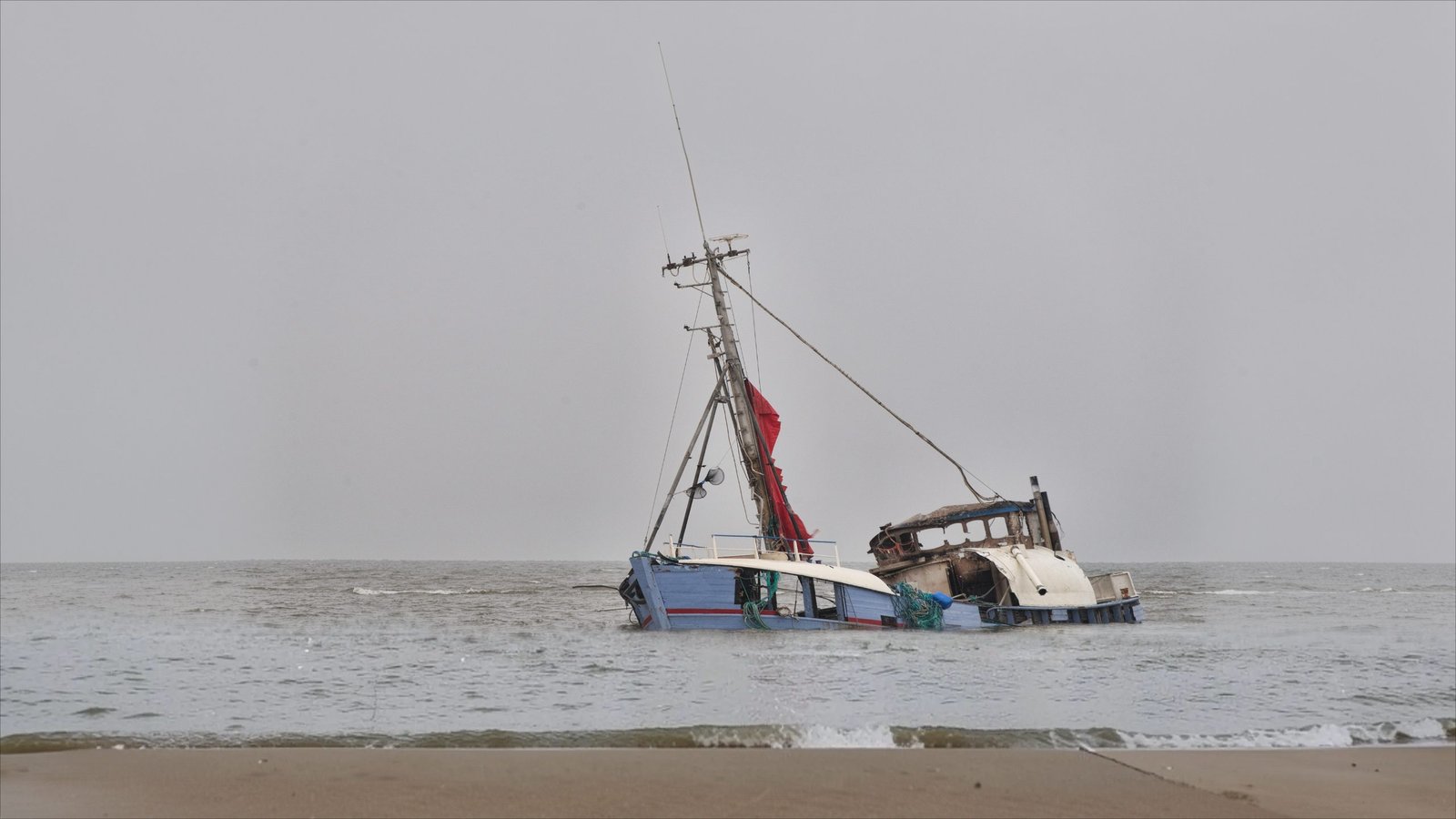
According to the Iranian submission, 360 vessels were affected during the period, including 253 that were sunk or otherwise destroyed. Iran said the incidents and restrictions disrupted ships, crews, ports, search-and-rescue services, emergency response systems, vessel traffic monitoring, communications networks, and other maritime safety infrastructure.
Tehran also reported damage to four maritime operations buildings, four vessel traffic service control stations, and eight communications relay units. The Iranian representative described those facilities as essential to navigation, emergency coordination, and management of maritime traffic.
The figures were presented against the backdrop of growing concern over shipping near the Strait of Hormuz and the Gulf of Oman, where months of conflict and maritime restrictions have raised risks for commercial vessels and global energy flows. The Strait of Hormuz is one of the world’s most important oil and gas transit routes, making disruptions there a concern far beyond the region.
In a June 8 document submitted to the committee, Iran cited a US measure titled “US To Blockade Ships Entering or Exiting Iranian Ports” and said related restrictions had interfered with commercial shipping, port access, voyage planning, navigational safety, and the movement of vessels and crews.
The International Maritime Organization has been tracking confirmed incidents in the region, though Iran’s wider casualty and vessel-loss figures were presented as Tehran’s own account.