The 60-day negotiating window between the United States and Iran expired Aug. 17 without a comprehensive settlement, but the pause in major fighting has produced something else: a regional arms-replenishment race. Iran has been repairing missile infrastructure and restoring drone production, while the United States, Israel and Gulf states scramble to replace interceptors, precision weapons and air-defense systems burned through during the war.
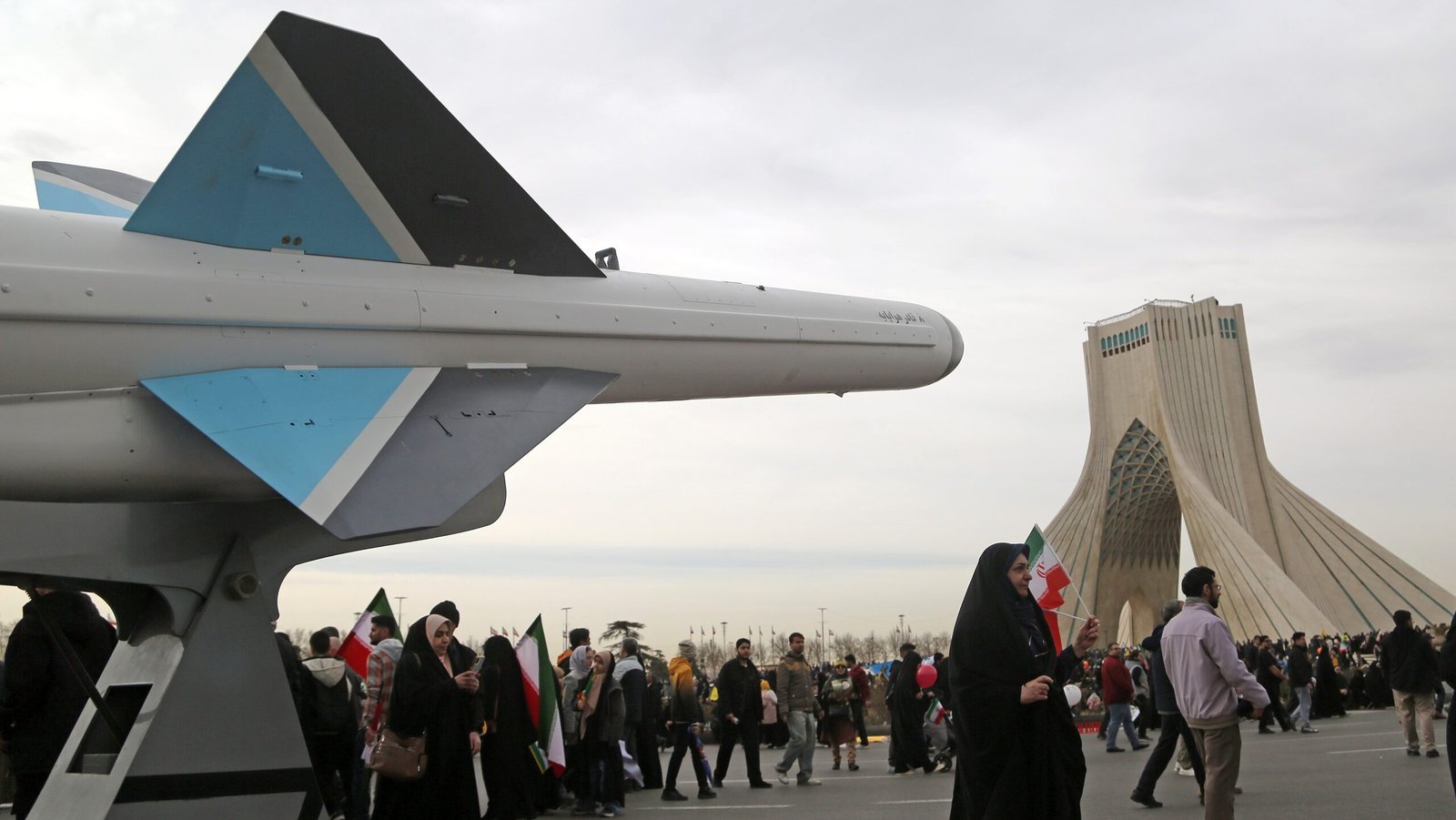
Giorgia Valente reports that Tehran has recovered at least part of its ability to fight, though no public evidence shows that it has returned to full prewar capacity. Satellite imagery has shown reopened access roads to underground missile facilities and reconstruction at weapons-production sites. Israeli and US estimates of Iran’s surviving arsenal vary widely, making the real balance difficult to pin down.
The numbers alone may be misleading. Experts told The Media Line that operational launchers, missile accuracy, command systems and Iran’s ability to sustain large barrages matter as much as the size of its stockpile. Iran’s decades-long investment in ballistic missiles also means that destroying factories does not erase technical expertise, underground storage or dispersed supply networks.
The other side is rearming too. Gulf states are seeking more interceptors and counter-drone systems after Iranian attacks exposed shortages. Washington has announced multibillion-dollar efforts to expand Patriot and Terminal High Altitude Area Defense production, while an Aug. 17 contract aims to sharply increase Tomahawk output. Israel is accelerating production of Arrow interceptors and aerial munitions.
That makes the ceasefire less a peace than a heavily armed intermission. Danny Citrinowicz told The Media Line that Israel remains deeply dependent on US offensive and defensive support, constraining any decision to strike Iran again if Washington opposes renewed escalation.
Valente’s report takes readers inside the missile inventories, diplomatic deadlock and strategic calculations shaping the next phase of the confrontation—and shows why a ceasefire that allows every side to reload may prove dangerously temporary.