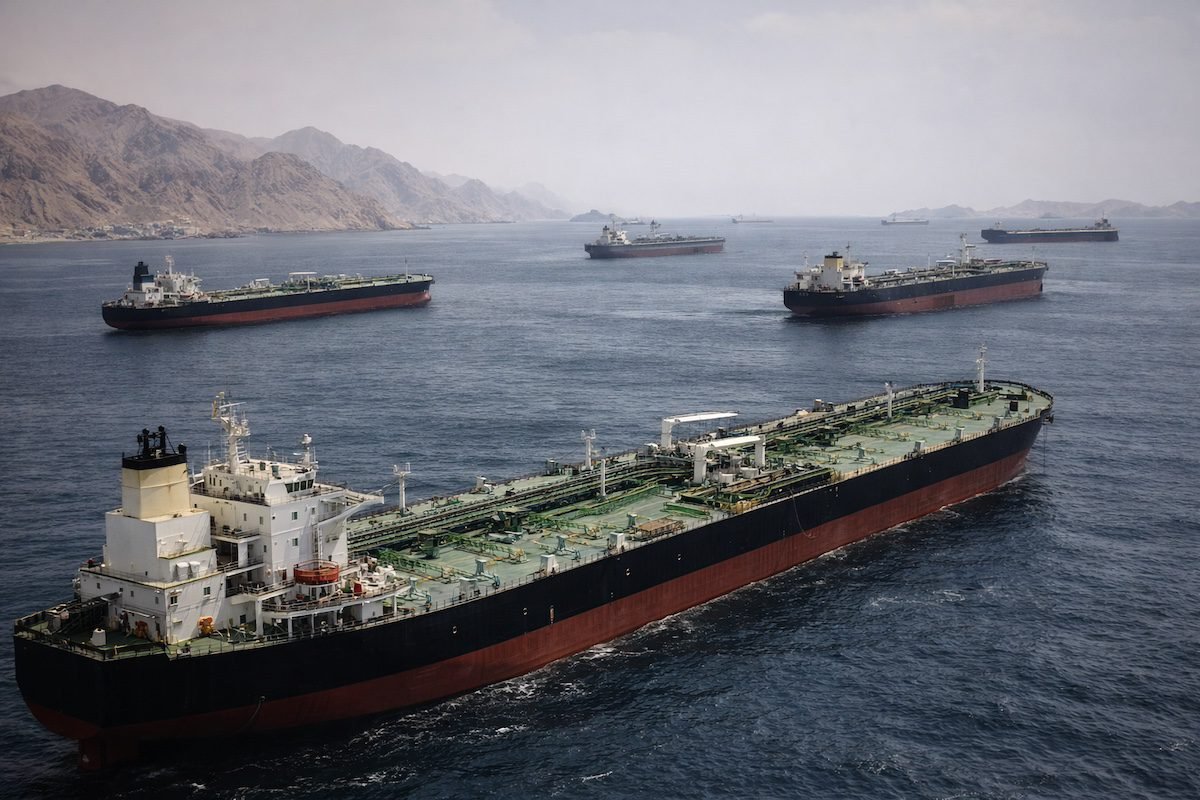
On Monday, only four ships passed through the Strait of Hormuz; before the war, roughly 125 made the crossing each day. That same day, a Panama-flagged tanker, the El Gaia, was ablaze off the coast.
Iran’s Revolutionary Guard claimed it had struck mines in a prohibited zone. US Central Command countered that the vessel had been hit by an Iranian missile weeks earlier, then struck again by a drone over the weekend. An hour before a regional meeting in Salalah was to settle shipping-lane disputes, Oman called it off — the sides could not agree.
The dueling accounts of what happened to the El Gaia say a great deal about the state of negotiations. The parties cannot even agree on what is happening in the strait, let alone who will control it once the shooting stops.
Part of the problem is that Hormuz is now the subject of three separate, uncoordinated negotiations — none of which lead to what the world economy actually needs: a tanker passing through on an ordinary day without an escort or anyone’s permission.
The first track, between Washington and Tehran, scarcely exists. The Trump administration wants no negotiation with Iran beyond the nuclear file, and it keeps Hormuz off the table.
Its answer for the strait is naval: American warships escort tankers, while US forces enforcing the blockade on Iranian shipping say they have turned back more than 100 commercial vessels. Iran, for its part, says it will not negotiate until sanctions are lifted and military operations end.
The second track is regional, led by Oman. Muscat has spent months negotiating with Tehran over charts, shipping lanes and mine clearance, proposing voluntary fees for navigation and environmental services as a compromise.
Iran, however, wants to be paid for passage outright and is linking any progress to US concessions. Saudi Arabia reportedly opposes amendments to the draft, Bahrain has declined to join, and Washington is not at the table.
The third track is about circumventing the strait altogether. Gulf producers are building new pipelines and alternative export routes, and in Washington there is talk that Hormuz could become irrelevant within a few years.
Each position makes sense to the government that holds it. That leaves Iran as the only party seated at all three tables — fully aware of what everyone else is fighting over.
Washington’s best argument is that escorts and bypasses are enough, and that negotiating over the strait would reward Iran for attacking ships. That argument has merit, but the numbers work against it. Escorts boosted tanker traffic only briefly, and they tie up warships needed elsewhere. Insurers tend to believe the escorts won’t last.
Bypasses fare no better: pipelines to the Red Sea only work once that sea itself is secure, and it is not. None of this means talks aren’t happening regardless — Oman and Iran are already writing the rules for the waterway. The longer Washington stays absent, the more those rules will be set without it.
Tehran’s counterargument runs in the opposite direction. Nothing can be settled while the blockade and sanctions persist, and accepting a deal in pieces would amount to surrender.
Yet the blockade is hurting Iran’s oil exports, giving Tehran its own reason to accept a staged release — since no American administration will lift a blockade on a mere pledge, staged relief is the only realistic path.
Iran knows this strategy has limits: China buys Iranian oil but also needs Gulf crude to keep flowing, and Beijing’s patience for a blocked strait is thin.
China is the soft spot in any proposal to broaden the talks. Beijing has enjoyed free security in the Gulf for years and has little interest in offering guarantees in a conflict between the US and Iran.
Asking it to serve as guarantor may be unrealistic, but it could take smaller steps: contributing ships to a mine-clearing operation, joining an insurance scheme, or privately telling Tehran that its oil purchases depend on the strait reopening.
India, Japan and South Korea could do more as well. Along with China, they consume most of the crude passing through Hormuz and are absorbing the price shock — yet they play almost no role in the talks.
Put these pieces together and a workable solution emerges. A multinational force of Gulf states and European or Asian importers would clear the mines, operating independently of the political talks. Oman’s proposed fee structure would apply, but only to services a vessel actually uses — pilots, tugs, charts, spill response — with no fee for the mere act of passing through.
The Gulf states are right to reject any such transit fee. Riyadh, Abu Dhabi, Manama and Muscat should speak with one voice before meeting Iran, which will otherwise exploit any divisions among them. And Washington should make the strait part of its diplomacy with Tehran, lifting the blockade in stages tied to confirmed mine clearance and free passage.
Eric Alter is a non-resident senior fellow at the Atlantic Council’s Middle East programs and a former UN civil servant.