Jaguar Land Rover was one of the first automakers to announce a transition away from combustion engines. That transition timeline might have slipped somewhat—pesky things like pandemics, supply chains, and revanchism have all been barriers to more rapid electrification—but it’s still underway, and today is the debut of the Range Rover Electric, a new battery-electric vehicle variant that sits alongside the internal combustion and plug-in hybrid Range Rovers.
Until now, the only way to get a fully electric Range Rover was by going the restomod route. But classic Range Rovers drive like classic cars, with all their inherent faults, and the price tag can be eye-watering. No Range Rover is exactly cheap, but with a starting price of $138,000, the 2027 Range Rover Electric is about half the cost of one of those restomods and benefits from 21st century safety systems like airbags, advanced driver assistance systems, modern crash protection standards, plus the support and warranty of a major OEM. And there’s evidently demand: JLR told us that it already has 80,000 hand-raisers—half from North America—70 percent of whom are new to the brand, with 20 percent already owning an EV. (Obviously, only some fraction of those will translate to sales.)
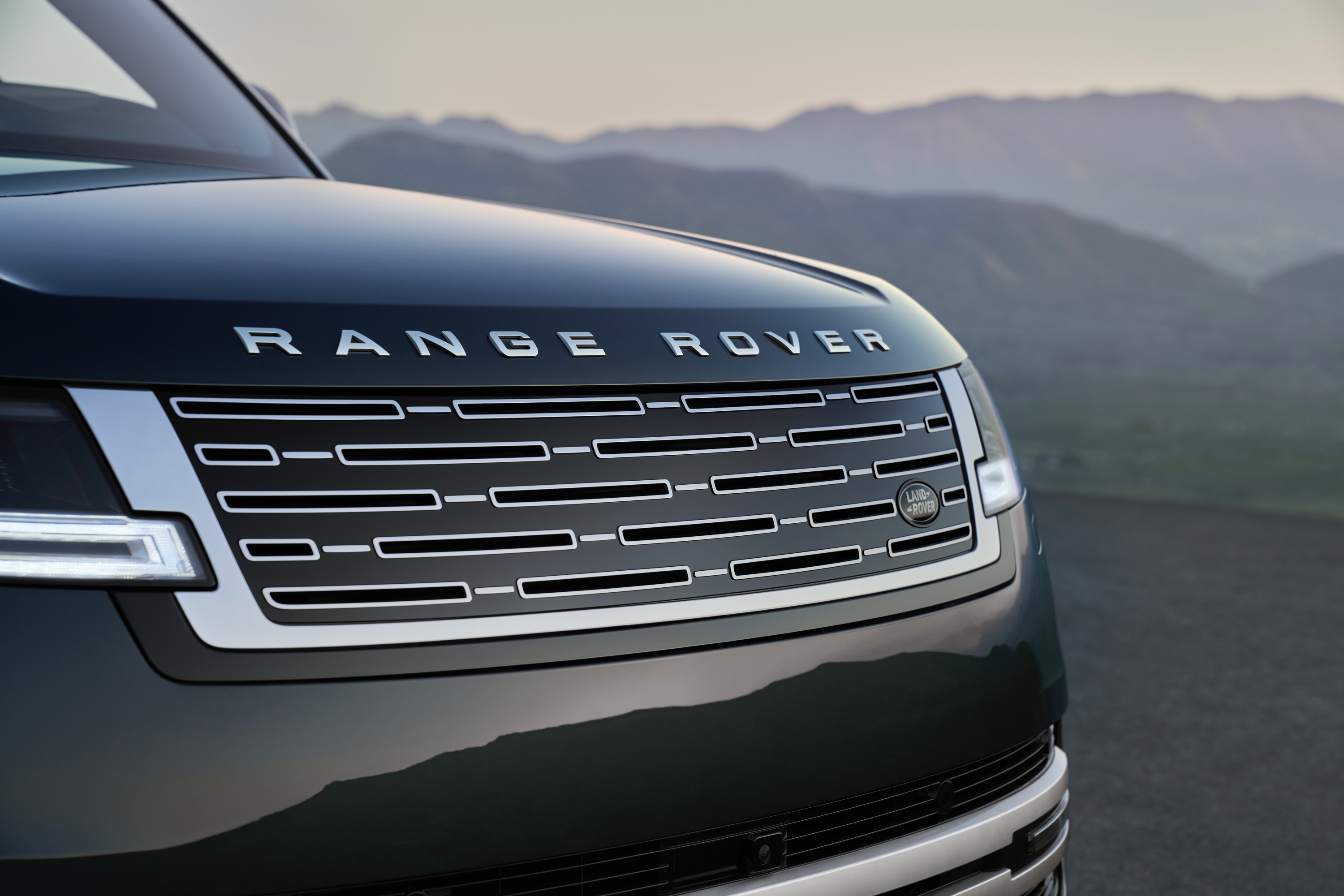
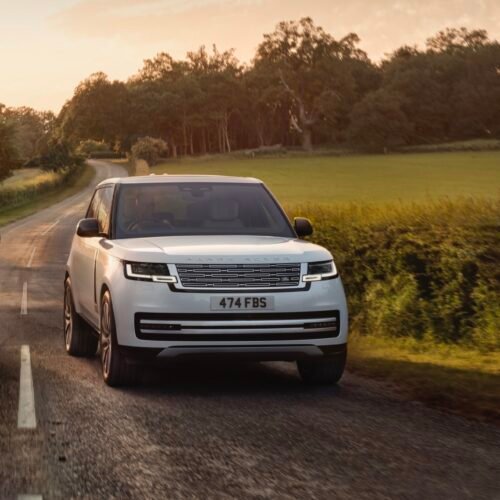
Because the idea was to make the Range Rover Electric a Range Rover first and an EV second, it looks virtually identical to the other versions, albeit with a slightly more aerodynamic front grille and more aero-efficient wheels that together conspire to shave off a fraction of the vehicle’s drag coefficient. The lack of tailpipes at the back is probably the biggest giveaway that you’re looking at the electric one. There’s also a flat underbody, but hopefully you’ll never need to look at that.
The powertrain
The current Range Rover uses JLR’s MLA architecture, which was designed over a decade ago to be powertrain agnostic. The BEV actually only weighs 165 lbs (75 kg) more than the V8; getting rid of the front, center, and rear differentials plus all their driveshafts saves almost as much weight as the battery and drive units add back. The front and rear drive units are identical permanent-magnet synchronous motors with an output of 349 hp (260 kW); a front-induction motor was considered but dropped due to heat management concerns. Combined output is 542 hp (404 kW) and 627 lb-ft (850 Nm).
The motors are 24 percent more efficient than the ones you would find in an I-Pace, with 50 ms response times, far faster than a conventional powertrain. The motors use copper hairpins (144 per motor) with 0.008-inch (0.2 mm) laminations and a 0.03-inch (0.7 mm) air gap between the rotor and stator. Like many other high-end EVs, the drive units use silicon-carbide inverters that can respond in less than a millisecond.
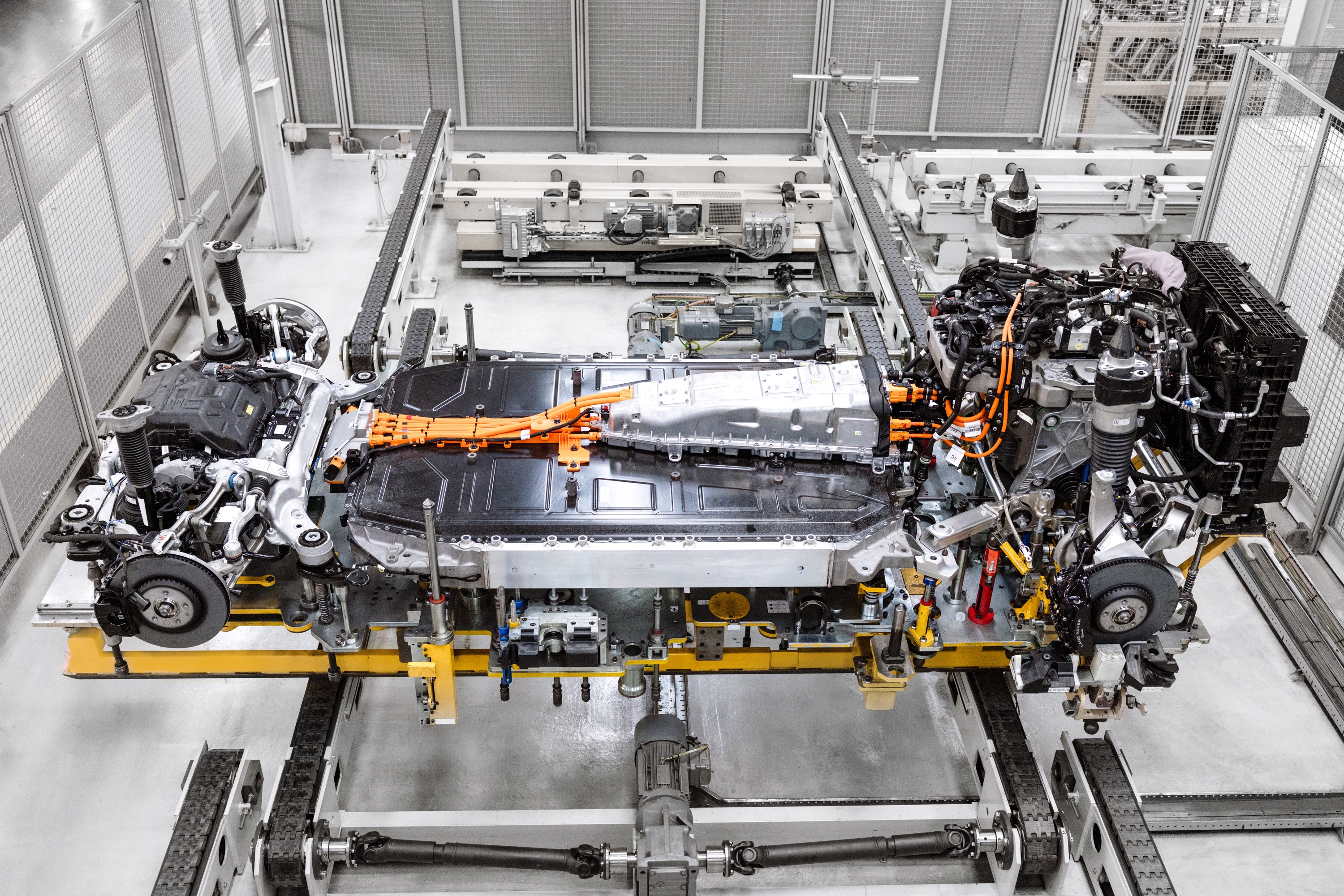
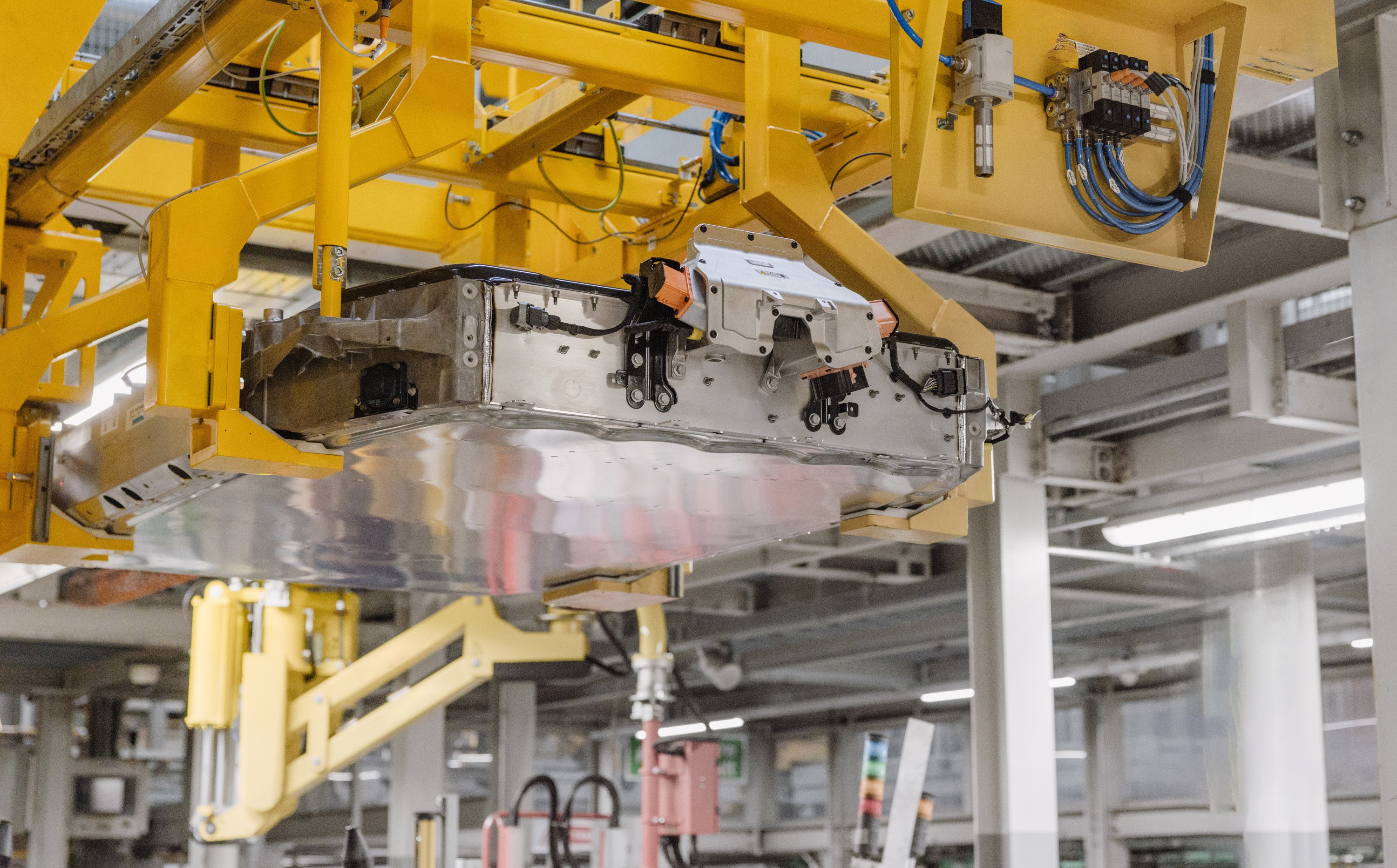
In a nice bit of packaging, the power electronics are fitted to what would be the transmission tunnel in a conventionally powered Range Rover. The 118.5 kWh net battery is a double stack of cells, arranged in 10 modules. The cells use a nickel-manganese-cobalt chemistry from AESC, with aerogel spacers between the cells. The pack operates at 800 V, with two virtual twins that help the active battery management calculate performance. The powertrain also recaptures waste energy; the ThermAssist heat management system boosts range by 7 percent and reduces the amount of energy needed to heat the car by 40 percent.
On a full charge, the Range Rover Electric should be good for at least 333 miles (536 km) under the EPA test cycle, sufficient for 97 percent of owners’ daily needs. For US market cars, there is a native NACS port (with Supercharger access) and ISO15118 plug-and-charge support. DC fast charging tops out at 350 kW, which adds 125 miles (201 km) in 10 minutes, with a 10-80 percent time of 22 minutes. The Range Rover Electric is capable of providing up to 3.6 kW of AC power via its vehicle-to-load (V2L) functionality, with vehicle-to-grid (V2G) support planned for the future.
On and off-road
Thanks to the battery pack, the Range Rover Electric enjoys a center of gravity that’s 3.4 inches (85 mm) lower than the V8. It rides on standard air suspension with twin valve dampers, and the chassis is 56 percent stiffer thanks to the aluminum battery pack frame, which increases rigidity.
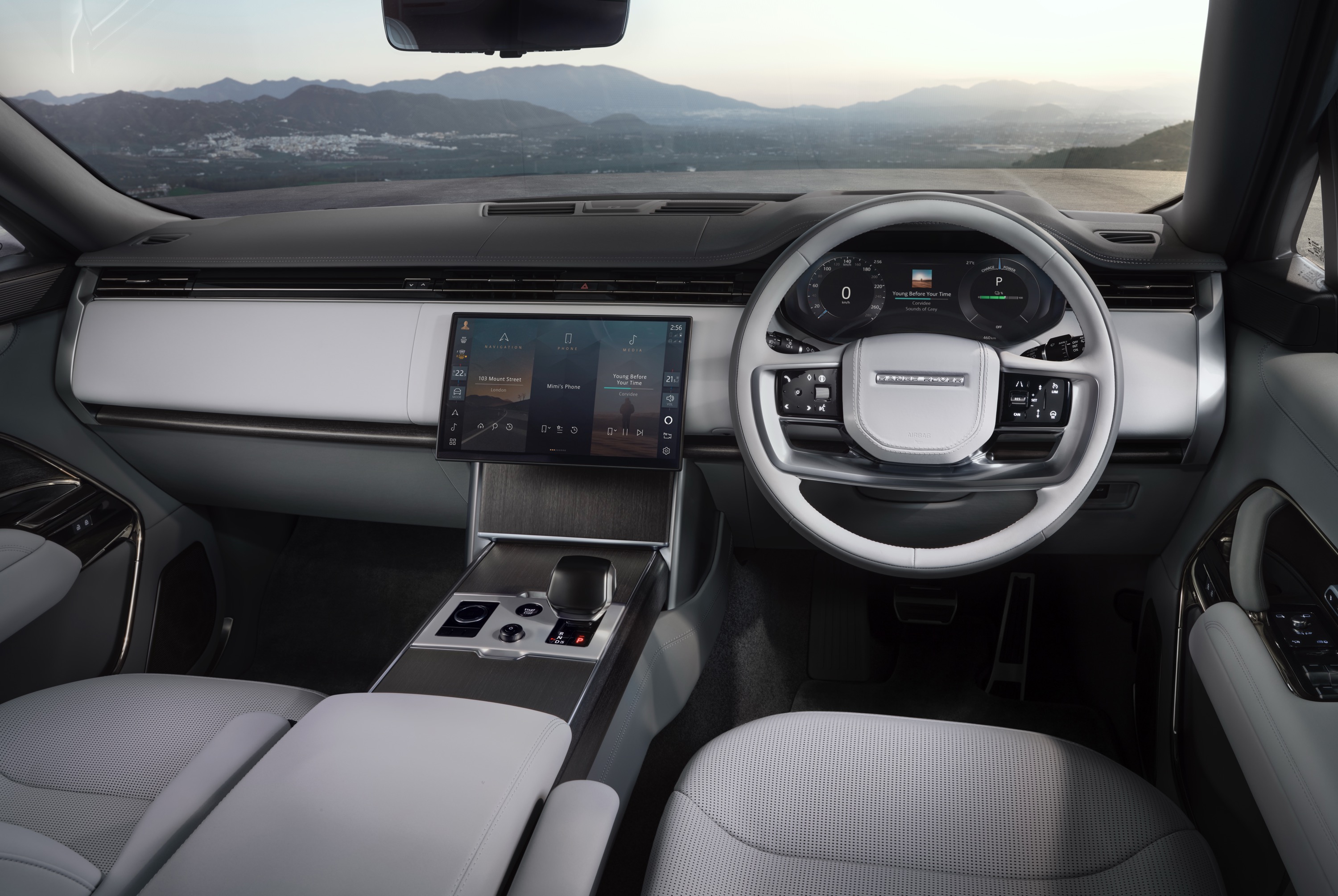
An inherent advantage of electric propulsion is the better noise, vibration, and harshness; the motors are smooth and quiet, and as a result, the Range Rover Electric is 7 decibels quieter than the V8. JLR told us it needed to add some extra isolation to the front drive unit and that it had to pay attention to the HV cables, which can conduct noise and vibration into the cabin. But there’s also an active noise cancellation system that uses the new, very thin membrane speakers that JLR developed together with Warwick Audio that are mounted in the seat headrests.
With 7.3 degrees of rear steering, it’s more nimble than you might expect. A proper first drive is planned, but while at Gaydon, we had an opportunity to spend 15 minutes behind the wheel of the Range Rover Electric. Performance was benchmarked against the V8, with a 0-60 mph (0-97 km/h) time of 4.3 seconds. One-pedal driving is optional and, if engaged, will regenerate braking at up to 0.2 G. On asphalt, the ride is as smooth as you might expect, with the air suspension easily handling the 6,195 lb (2,810 kg) curb weight.
Forty percent of Range Rover owners say they go off-road, so ensuring the BEV can handle getting dirty or muddy was vital to ensuring it’s a real Range Rover, even if the brand’s analytics say it’s more like 10 percent that venture off the beaten path. Ground clearance is up to 10.3 inches (262 mm), which is 1.2 inches (29 mm) less than the V8, thanks to the rear drive unit, which sits a bit lower than the rear differential in the gas-burning version.
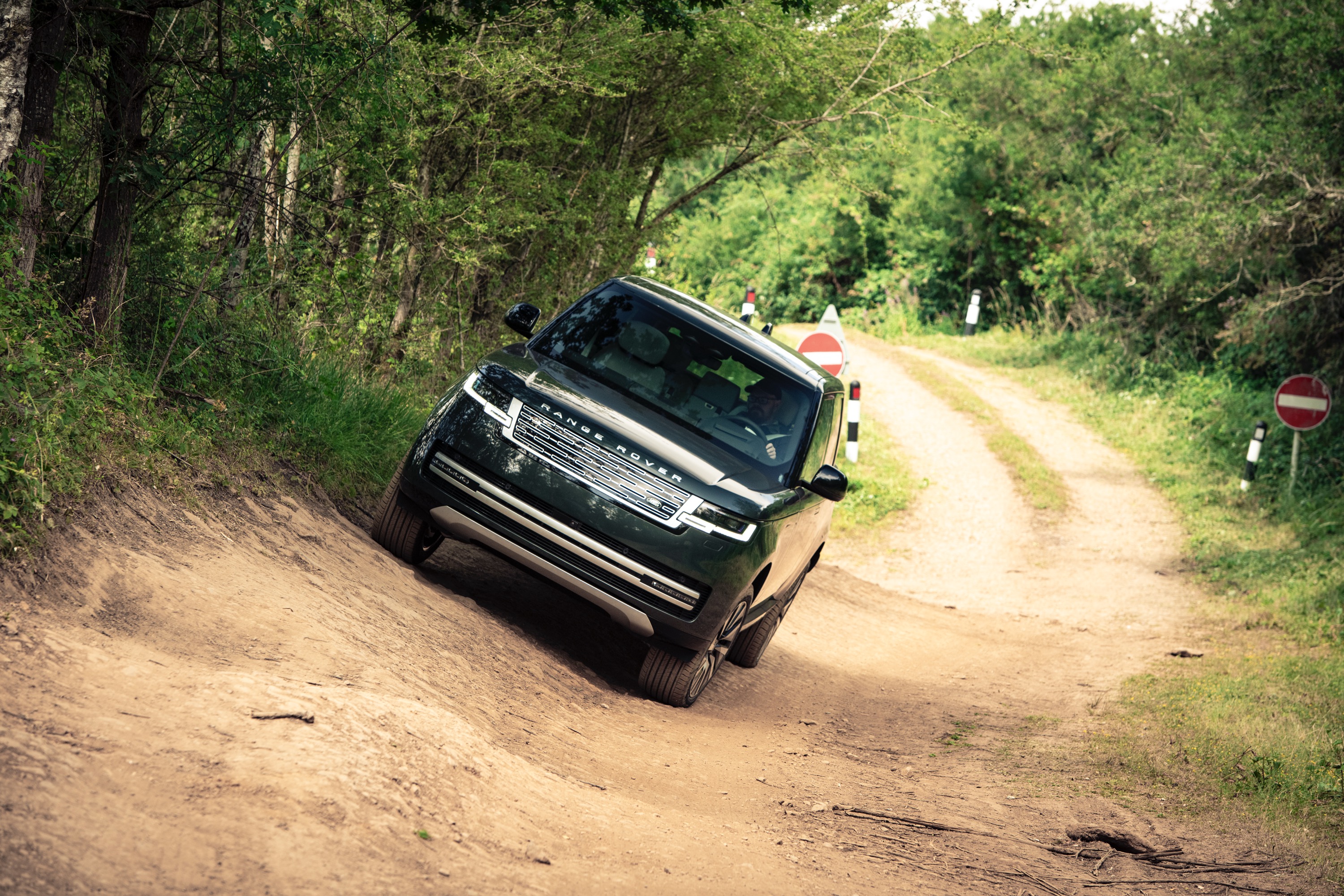
Unlike the V8, there’s no center diff or locking differentials for the drive units, but the integrated torque management system means they’re not needed, as the car’s electronic brain is able to constantly manage the front and rear axles by sensing the available grip. As for why there’s no quad-motor layout like Rivian uses for its top-spec R1, JLR told Ars it experimented with a four-motor system back in the ’90s but rejected it for the first electric Range Rover as being too heavy. On the off-road course at Gaydon, we tested out the SUV’s ability to crawl over rocks, handle mud ruts, and ford water up to 36 inches (900 mm) deep. The throttle mapping in off-road modes made modulating the power delivery very simple, and other than the slightly lower ground clearance, this electric one can go anywhere that any other Range Rover can.