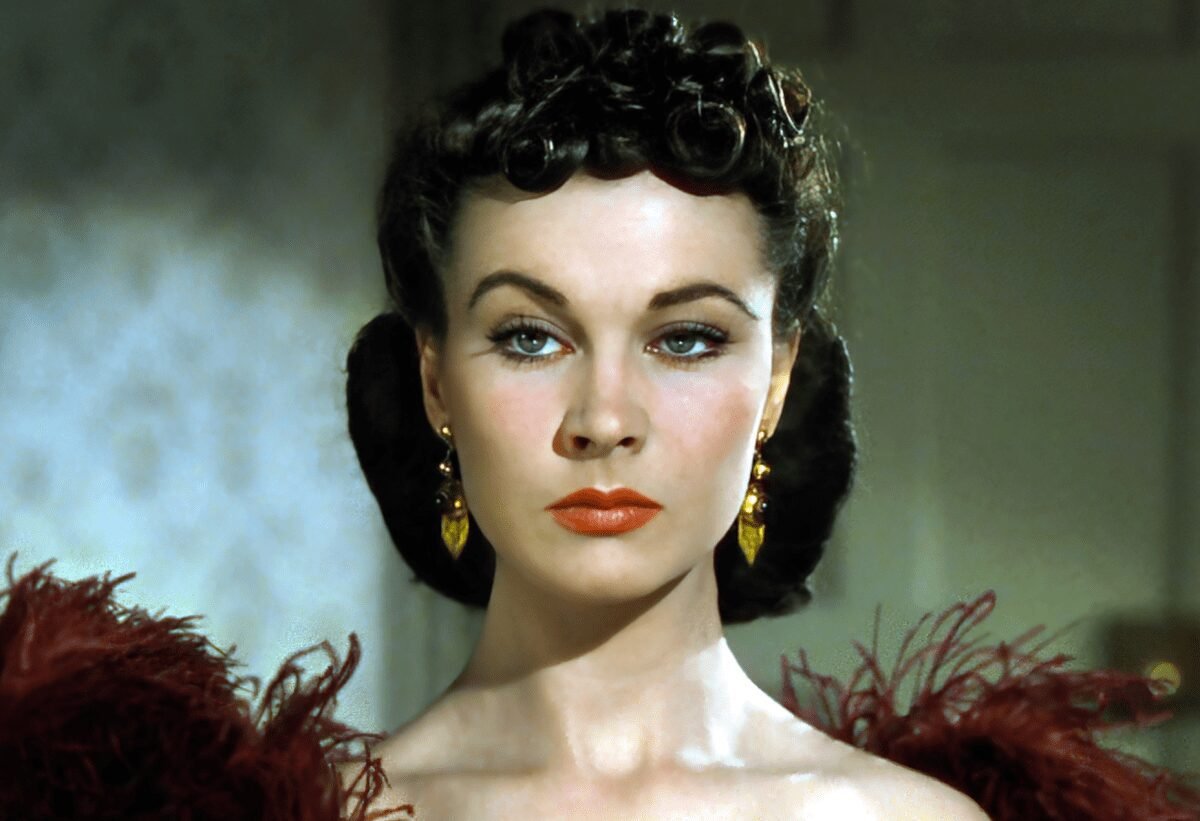
To the world, Vivien Leigh was the breathtaking Hollywood queen who lit up the screen in Gone with the Wind — but behind the glamorous smile was a tortured woman battling mental illness, loneliness and devastating health problems that nearly destroyed her life.
The legendary actress spent years hiding explosive mood swings, emotional breakdowns and crippling illness while desperately trying to maintain her image as one of Hollywood’s most elegant stars.
Friends said Leigh’s pain started long before fame.
Born in India in 1913, the future screen icon was ripped away from her family and sent to a strict convent school in England when she was just 6 years old. According to biographer Kendra Bean, Leigh went nearly two years without seeing her parents again — a heartbreaking separation many believe emotionally scarred her for life.
Despite the loneliness, Leigh became obsessed with becoming a star.
“Vivien always wanted to be an actress,” her former school friend Maureen O’Sullivan once revealed. “She was single-minded.”
Even as a child, Leigh reportedly pushed herself harder than everyone around her, taking ballet lessons alone and demanding attention anytime she stepped onstage.
But behind the ambition was emotional torment that only worsened as she grew older.
Her explosive romance with Hollywood legend Laurence Olivier became one of the most scandalous love affairs of its time after the pair fell for each other while filming Fire Over England.
The two eventually abandoned their spouses and families to be together, shocking fans and fueling nonstop gossip across Hollywood.
Yet even Olivier could not save Leigh from the inner demons consuming her.
By the late 1930s, the actress was reportedly suffering terrifying emotional episodes. Friends claimed she would unleash vicious verbal attacks before later having no memory of what happened.
Her secretary once chillingly admitted: “Several times I thought she really was going mad.”
Leigh was eventually diagnosed with manic depression, now known as bipolar disorder, and suffered repeated mental breakdowns throughout her career. At one point, Olivier reportedly rushed her to a psychiatrist — only for the actress to allegedly charm and manipulate the doctor into believing she was perfectly fine.
And that wasn’t the only nightmare destroying her health.
Leigh also battled tuberculosis for years, enduring painful treatments and lengthy recoveries while still forcing herself back onto movie sets and theater stages.
Remarkably, even as her private life spiraled, Leigh continued delivering unforgettable performances. In 1952, she won an Oscar for her haunting role in A Streetcar Named Desire, proving she could still command the screen despite the chaos behind closed doors.
“She was a flawed masterpiece,” one friend famously said.
Leigh’s marriage to Olivier eventually collapsed under the strain of her illness and emotional struggles, ending one of Hollywood’s most legendary romances.
Just seven years later, tragedy struck again.
The actress died in 1967 at only 53 years old after suffering another brutal bout of tuberculosis.
But even near the end of her life, Leigh reportedly refused to surrender to despair.
“I am happy now,” she said just two years before her death.
Behind the dazzling beauty, designer gowns and Oscar-winning fame was a woman trapped in a constant battle against mental illness, heartbreak and physical suffering — and those closest to her say her fierce determination may have been the only thing keeping her alive for so long.