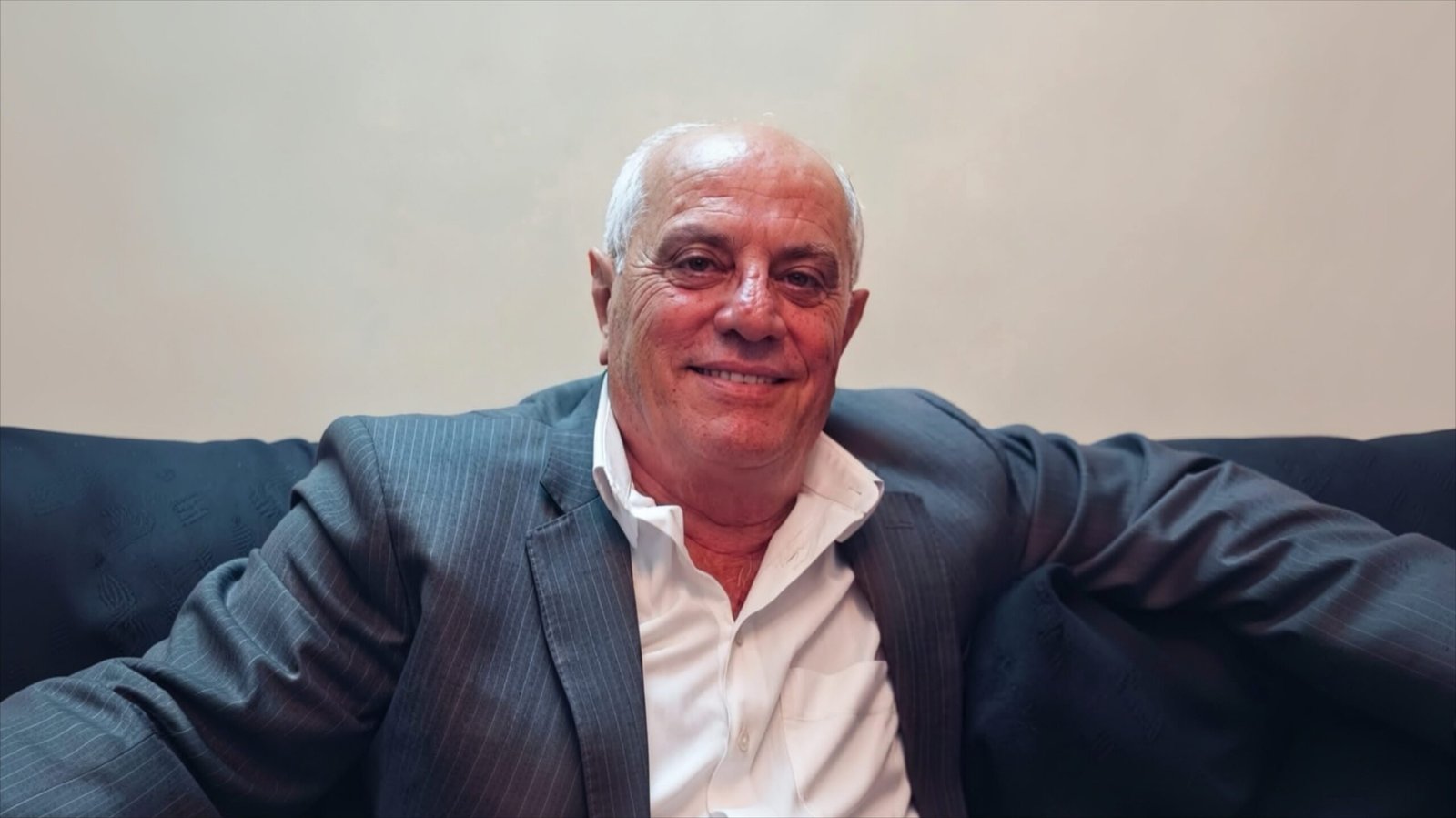
A routine visit to the Syrian Embassy in Beirut has turned into a legal and political test for two neighboring countries adjusting to the fall of Bashar Assad’s government. Rizik Alabi reports that Lebanese authorities detained former Syrian Maj. Gen. Adel Issa, 67, after learning that Syria had issued an arrest warrant accusing him of murder and crimes against humanity.
Issa, a former commander of the Syrian army’s 17th Division, remains in Lebanese judicial custody. His arrest carries implications far beyond one man: A Syrian source told The Media Line that Damascus asked Lebanon months ago to surrender more than 200 senior security and military officers who fled after the Assad government collapsed in late 2024.
No extradition decision has been made. Lebanon’s public prosecutor at the Court of Cassation, Ahmad Rami al-Hajj, has requested the Syrian case file, arrest documents and supporting accusations. Issa’s family denies wrongdoing, saying he retired years before Assad’s fall and left the country after an armed group raided his home.
The legal machinery is slow by design. A Lebanese judge explained that Syrian authorities must supply a formal request detailing the suspect, alleged offenses and evidence. Prosecutors then examine jurisdiction, whether the conduct is also punishable under Lebanese law and whether the request may be political. Concerns about human rights or a possible death sentence could block a transfer.
Even judicial approval would not finish the process. Extradition requires a state decree recommended by the justice minister and signed by Lebanon’s president, prime minister and justice minister.
Legal expert Amine Bashir stresses that Damascus cannot treat more than 200 names as one package. Criminal liability is personal, meaning every former officer requires an individual warrant, evidentiary record and review. Finding and arresting the others would also pull Lebanon deeper into domestic politics, changing relations with Damascus and raising questions about Hezbollah’s influence.
Recent talks between Syrian and Lebanese interior officials suggest security cooperation is expanding. If Issa becomes the first prominent Assad-era officer extradited to Syria’s new authorities, his case could establish the path—or expose the obstacles—for hundreds more.
Read Alabi’s full article for the legal steps, political pressures, and unresolved questions behind a detention that may reshape accountability across the Syrian-Lebanese border.