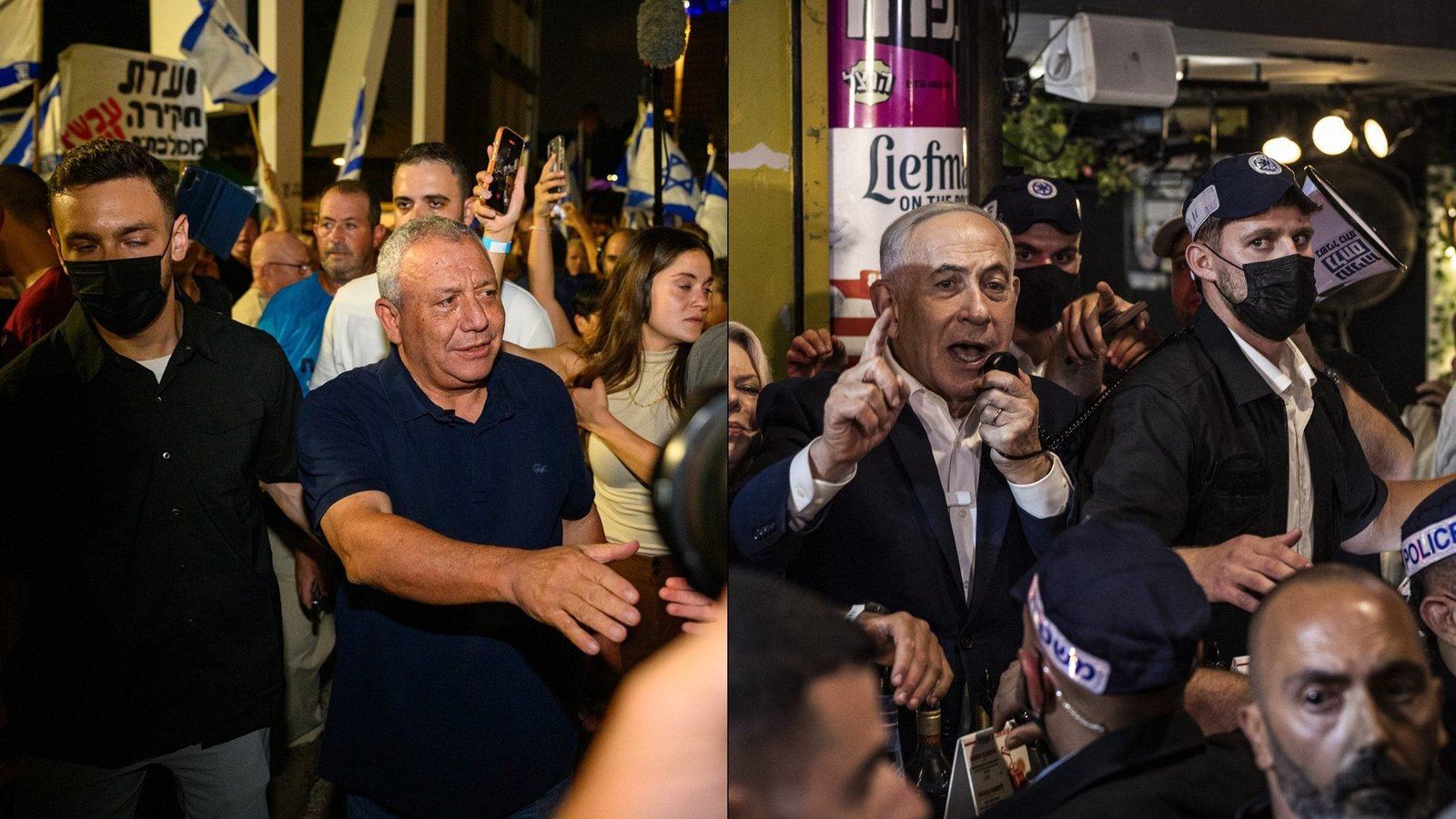
At Eisenkot’s final campaign rally, Gabriel Colodro spoke with candidates confronting a basic problem: Winning the most seats does not guarantee the premiership. Israelis vote for parties, not prime ministers, and President Isaac Herzog will decide whom to task with assembling a coalition after the election.
The polls offer two competing realities. Channel 12, Channel 13, and Kan place Prime Minister Benjamin Netanyahu’s governing bloc at 50 seats, short of the 61 needed for a parliamentary majority. Channel 14 projects 62. Even if Yashar finishes first, the main Zionist opposition parties may need Arab-party support or an unexpected cross-bloc deal.
Eisenkot wants a commanding lead over Likud and promises an October 7 inquiry and changes to military service. Democrats chairman Yair Golan calls the focus on winning the largest party a “dangerous lie,” arguing that the opposition must maximize its collective strength. Democrats lawmaker Efrat Rayten goes further than many potential coalition partners by supporting an Arab party’s inclusion in government.
Former Prime Minister Yair Lapid pitches his B’Yachad alliance as an experienced team ready to govern. Likud lawmaker Boaz Bismuth warns of a left-wing administration dependent on Arab parties. On the right, Simcha Rothman fears supporters of Religious Zionism-Zehut may stay home if polls suggest the party will miss the electoral threshold. Otzma Yehudit’s Yitzhak Kroizer worries Netanyahu could invite Eisenkot into a unity government and exclude Itamar Ben Gvir.
There is more in Colodro’s conversations than optimistic campaign talk. His reporting follows pressure on smaller right-wing lists to withdraw, the danger of wasted votes under the 3.25% threshold, and rival visions for Gaza and Israel’s political future.
At the same Yashar rally where Kahana predicted a landslide, Orit Farkash-Hacohen spoke of needing “62 or 63” seats across the opposition. One number promises victory. The other suggests how difficult it may be to turn victory into power.