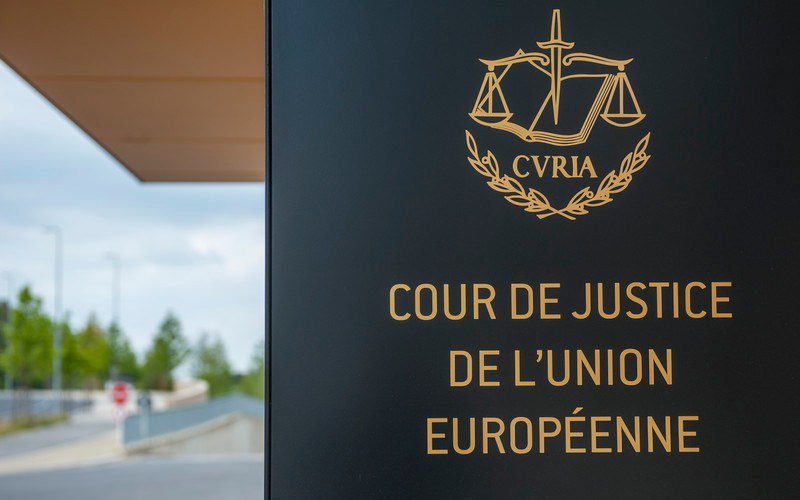
The European Union can freeze assets linked to Russians sanctioned over the war in Ukraine, even if those assets are held by a trust and there is no direct legal link to the persons involved, the EU’s Court of Justice ruled on Thursday.
The court said assets can also be frozen if they are only indirectly linked to the person on the sanctions list.
Concepts of ownership and control should encompass “all forms of power or influence exercised over assets”, it said, even if there was no legal link between them and the person concerned.
It said this served the purpose of the freezing of funds, meant to limit “as much as possible” any transactions that may be carried out with them.
Any circumvention of sanctions should also be prevented, it added.
The EU court ruling related to three cases brought by an Italian court.
These dealt with the seizure by Italian authorities of companies and a yacht held through complex ownership structures by trusts, but seen to be owned by Russians on the EU’s sanctions list.
The companies had challenged the freezing of those assets, as they said the sanctioned persons had no power over them.
The EU court dismissed their claim, and said indications of ownership or control could also be inferred from circumstances or from “needlessly complex legal structures”.