 cde.news desk · 2 min read
The European Parliament and the Council have reached a provisional agreement on new rules to speed up the approval of renewable energy projects, electricity grids, energy storage facilities and electric vehicle recharging stations across the EU.
The agreement, reached during negotiations with the Irish Presidency of the Council, forms part of the wider European grids package and aims to remove administrative bottlenecks delaying clean energy infrastructure. Faster project delivery is also intended to help reduce energy prices by increasing the domestic supply of renewable electricity.
The revised rules introduce shorter permitting deadlines, greater transparency in grid connection procedures and a single national digital portal covering all stages of the approval process. They also establish a dedicated EU-wide permitting framework for electricity grid infrastructure.
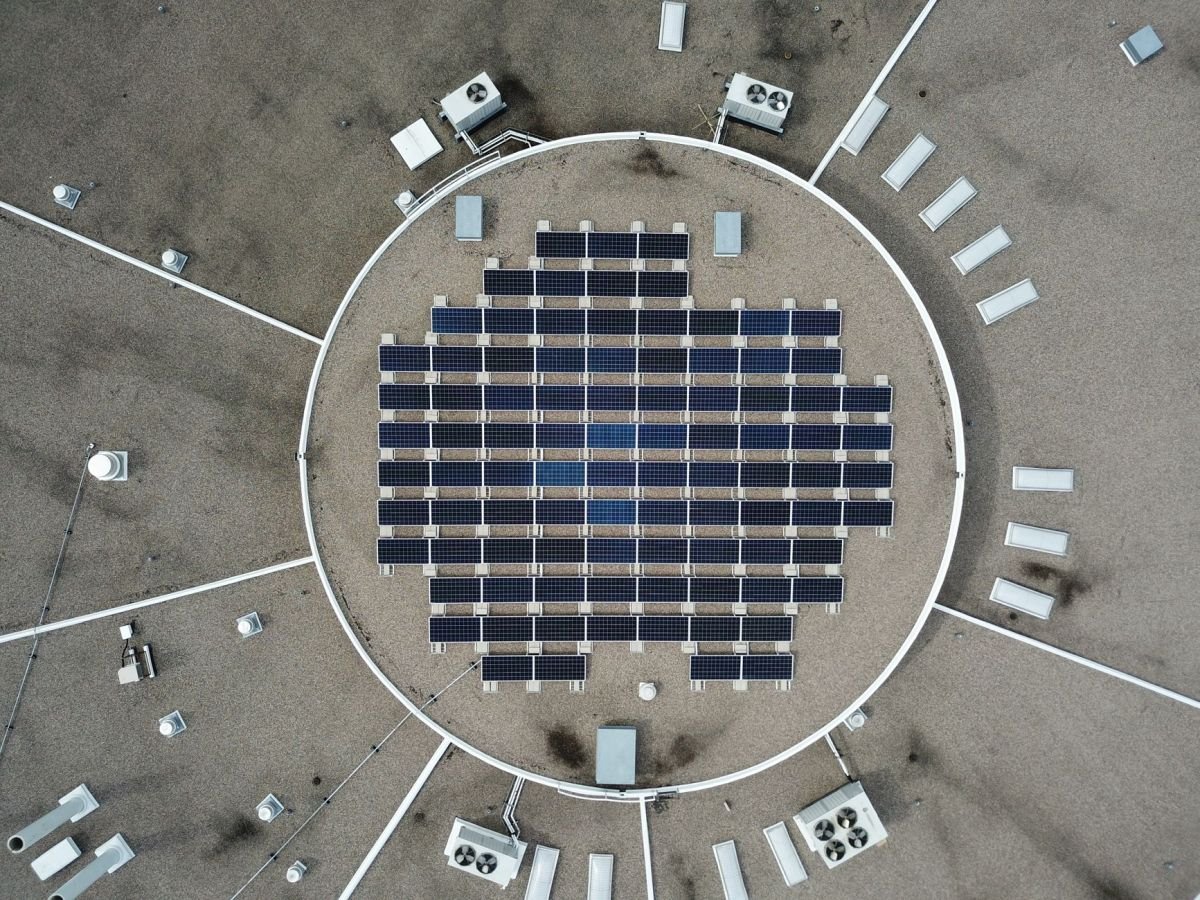
Under the agreement, approval procedures will be limited to three months for solar energy equipment and co-located energy storage facilities, excluding hydrogen. Stand-alone energy storage projects and recharging stations will face a six-month deadline, while pumped hydropower storage projects will have a maximum of two years.
Grid connection procedures will also be subject to deadlines of three months, extendable to six months in duly justified cases. Derogations will apply to isolated systems and small connected systems, including those in the EU’s outermost regions.
The agreement also raises the threshold above which permits are required for small-scale solar installations, energy storage facilities and recharging stations from 100 to 200 kilowatts. No administrative permits will be required for recharging stations with a total installed capacity of up to one megawatt on artificial structures.
Another provision concerns the sharing of economic benefits with communities hosting or affected by renewable energy projects. The threshold triggering mandatory benefit-sharing arrangements has been lowered from 10 to seven megawatts. Projects developed by renewable energy communities will be exempt, while member states may also provide support to vulnerable consumers and people experiencing energy poverty.
The agreement strengthens the presumption that renewable energy and electricity grid projects serve an overriding public interest. Member states may disregard this only in duly justified cases involving conflicting interests relating to cultural heritage, security or defence.
The provisional agreement will need formal approval by Parliament and the Council before becoming law.
Source: Iwpost.com