The European Parliament has overwhelmingly backed proposals for Europe’s first sustainable tourism strategy, with Maltese MEP Daniel Attard saying the sector’s future must balance economic growth with the needs of residents, workers and local communities.
The report, approved by 439 votes in favour, 42 against and 129 abstentions, outlines a new approach for one of Europe’s largest industries, focusing on housing pressures, overcrowded destinations, worker protections and better connectivity.
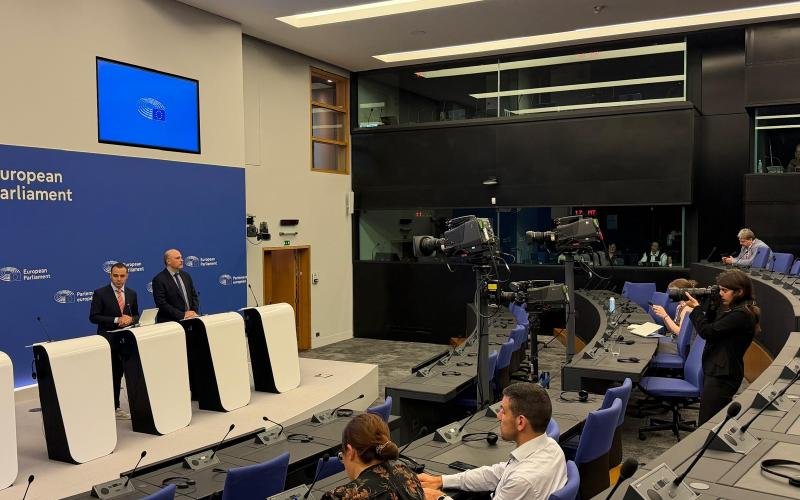
Attard, who served as rapporteur, said in a press briefing that tourism should be recognised as a major economic pillar that supports millions of jobs across Europe, but warned that poor management creates serious social and environmental costs.
“Tourism is not a secondary issue. It is one of the strongest pillars of our economy and creates millions of jobs. But if it is not managed correctly, people will pay the price through insecure work, housing pressure and environmental damage,” he said.
A central element of the report is the impact of short-term rental platforms on local housing markets. Attard said homes should remain primarily for residents rather than becoming purely profit-driven assets, particularly as families and workers struggle to find affordable accommodation.
The report calls for EU-wide rules on short-term rentals, including clearer distinctions between private hosts and commercial operators, stronger transparency obligations for platforms and the removal of illegal listings. It also supports measures such as zoning systems or caps on visitor nights where necessary.
Parliament also wants action on overtourism. With around 80 per cent of travellers concentrated in only 10 per cent of destinations, MEPs are calling for efforts to redirect tourism towards rural areas, islands, mountain regions and lesser-known communities, helping spread economic benefits more evenly.
Attard stressed that improved transport links are essential if tourism is to grow beyond established hotspots.
“If we mean business, we must invest in connectivity,” he said, pointing to stronger rail links, cleaner ferries and more support for islands and peripheral regions.
The report also places renewed focus on workers in the sector, calling for fair wages, stable jobs and better career prospects in an industry often marked by seasonal and insecure employment. It supports the introduction of a European tourism skills card to help workers certify qualifications and experience across borders.
“Tourism works because of people,” Attard said.
Environmental sustainability is another priority, with proposals for stronger circular economy measures, action on waste and single-use plastics, and better protection of coastlines, heritage sites and natural areas.
Attard also underlined the role of volunteers in preserving Europe’s cultural identity, describing them as the backbone of many traditions and community events, including festas. The report calls for greater recognition of volunteers, encouragement for younger generations to participate, and pathways for some to develop specialised professional skills.
The European Commission is expected to present its sustainable tourism strategy in the coming months.