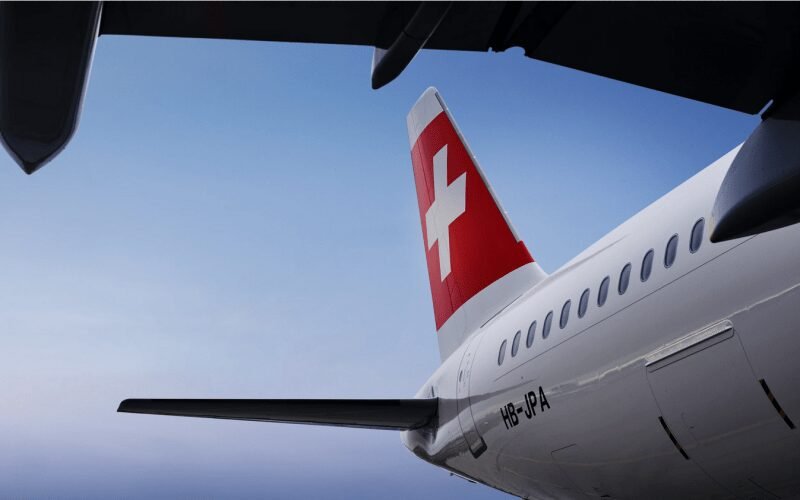
Swiss International Air Lines (SWISS) will end duty-free sales on board its flights, marking the close of a long-standing retail practice in commercial aviation as the carrier adjusts to changing passenger habits and cost pressures.
The airline said it would phase out inflight sales of perfumes, alcohol and other tax-free goods, a feature that for decades formed part of the traditional long-haul travel experience. The decision reflects declining demand for onboard shopping, as travelers increasingly purchase goods online or at airport retail outlets instead.
Industry observers note that duty-free sales once served as a meaningful ancillary revenue stream, particularly on intercontinental routes. However, the model has come under strain in recent years due to shifts in consumer behaviour, tighter cabin service routines and the growing emphasis on operational efficiency.
Swiss International Air Lines indicated that removing onboard sales would simplify service procedures for cabin crews and allow greater focus on core hospitality functions. The move is also expected to reduce logistical complexity tied to stocking, handling and accounting for retail inventory across a global network.
The airline, part of the Lufthansa Group, operates flights from its main hub in Zurich and serves destinations across Europe, Asia and the Americas.
While inflight duty-free once carried a certain prestige — associated with international travel at a time when cross-border shopping was less accessible — its relevance has steadily diminished. Airports now offer extensive retail environments, often with broader product ranges and competitive pricing, eroding the comparative advantage of onboard sales.
The decision by Swiss International Air Lines aligns with a wider recalibration across the aviation sector, where airlines are reassessing legacy service elements against contemporary cost discipline and passenger expectations.
No immediate impact on ticket prices or onboard catering services is expected, the airline said, underscoring that the adjustment is operational rather than customer-facing.
For frequent flyers, the change signals a subtle but notable shift: the gradual disappearance of one of air travel’s more traditional rituals, as the industry continues to prioritise efficiency over nostalgia.
Read more via Tages-Anzeiger




 will end duty-free sales on board its flights, marking the close of a long-standing retail practice in commercial aviation as the carrier adjusts to changing passenger habits and cost pressures. The airline said it would phase out inflight sales of perfumes, alcohol and other tax-free goods, a feature that for…)