Israel and Hezbollah agreed to renew a ceasefire in Lebanon on Friday as US officials worked to prevent escalating violence from derailing negotiations between Washington and Tehran.
A senior White House official told Sky News Arabia that Prime Minister Benjamin Netanyahu had agreed “100%” to the renewal of the ceasefire. Separately, a senior Israeli official told Walla that the understanding between the sides was straightforward: “If Hezbollah does not attack, Israel will not attack.”
The ceasefire announcement followed a day of diplomatic activity, as Iran demanded assurances about the fighting in Lebanon before resuming talks with the United States.
CNN, citing a source familiar with the discussions, reported that Washington conveyed a message to Tehran that Israel did not intend to broaden its military campaign.
“Hezbollah violated the ceasefire. Israel agreed to absorb it, and that message was conveyed to the Iranians. Now it is up to Hezbollah to stop,” the source told CNN.
The diplomatic efforts came after a deadly incident in southern Lebanon. The Israel Defense Forces (IDF) announced that Battalion 52 commander Lt. Col. Dor Ben Shimhon was killed in combat. Three additional soldiers were killed in the same incident, though their names had not yet been cleared for publication.
IDF Spokesman Brig. Gen. Effie Defrin said a Battalion 52 tank was hit overnight Friday. Preliminary findings indicate an object from the air may have struck the vehicle. Investigators have not ruled out an anti-tank missile, a drone, or a Hezbollah explosive device.
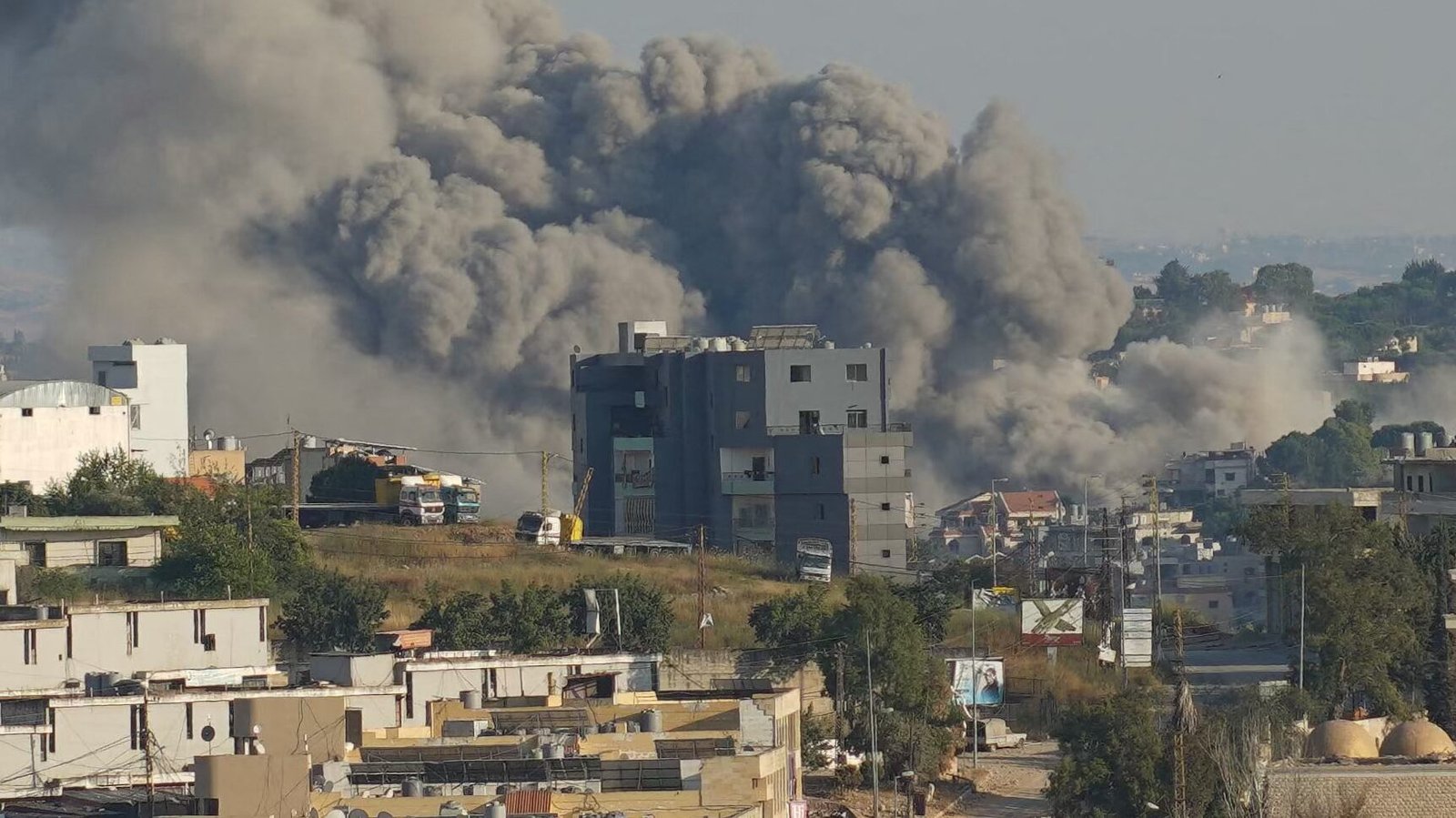
Following the incident, Israel launched a broad military response against Hezbollah targets. The IDF said it carried out more than 150 strikes in Lebanon, targeting infrastructure in the south and additional areas deeper inside the country.
Defense Minister Israel Katz said, “We will not allow harm to our soldiers or citizens, and every violation of the ceasefire by Hezbollah will be met with great force.”
Tensions also disrupted planned diplomacy in Switzerland. A meeting between US Vice President JD Vance and an Iranian delegation headed by Parliament Speaker Mohammad Bagher Ghalibaf was canceled.
The meeting had been expected to accompany a face-to-face signing ceremony following the digital signing of a memorandum of understanding by President Donald Trump and President Masoud Pezeshkian.