Oil may dominate every conversation about the Middle East and North Africa, but it is only one layer of a far stranger resource map. In a wide-ranging explainer, The Media Line examines a region where enormous petroleum reserves coexist with vanishingly scarce water, narrow strips of farmland, mineral deposits crucial to global industry and coastlines capable of feeding both people and export markets.
The Gulf Cooperation Council states hold some of the world’s largest and cheapest-to-produce oil and gas reserves. Hydrocarbon revenue finances government salaries, infrastructure, schools and social benefits, while leaving budgets exposed to price swings. Algeria, Libya and Egypt are North Africa’s energy powers. Israel offers a different model: Offshore discoveries such as Tamar and Leviathan have turned a country with almost no oil from a gas importer into a regional supplier.
Yet water, not petroleum, may be the resource that most tightly controls the region’s future. The Middle East and North Africa has about 6% of the global population but less than 2% of its renewable water supply. Jordan has only about 60 cubic meters of renewable water per person annually, far below the threshold for absolute scarcity. Agriculture consumes most available water in several countries, even as cropland contracts and populations grow. Desalination, efficient irrigation and food imports are becoming matters of national survival.
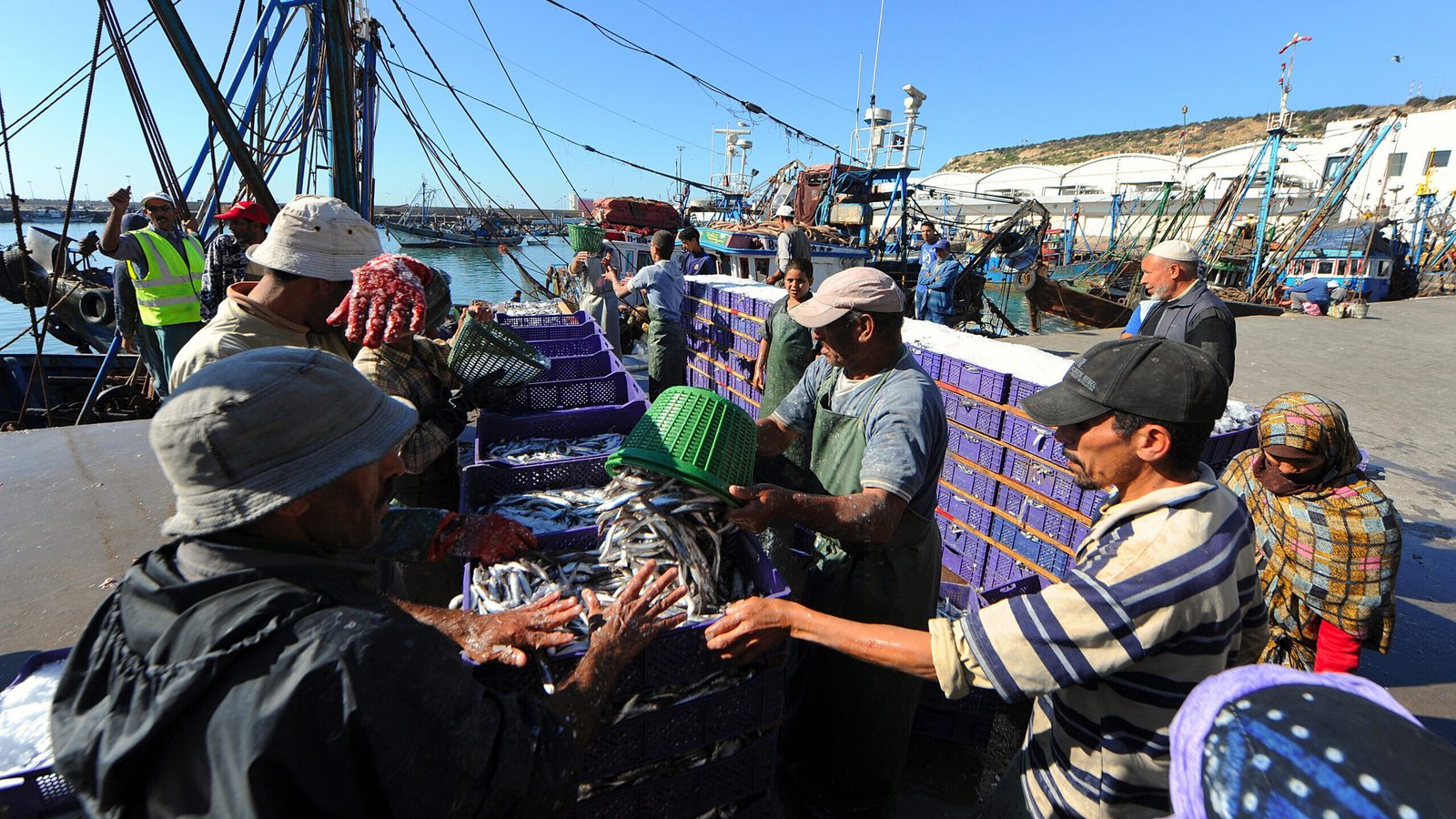
The underground picture holds further surprises. Morocco possesses about 70% of known global phosphate reserves, linking it directly to fertilizer production and the world’s food supply. South Africa holds roughly 75% of platinum-group metals and vast manganese resources, giving it a major place in clean-energy, automotive and steel supply chains. Above ground, Morocco’s fishing industry produces about 1.4 million tons of seafood a year, supporting jobs and valuable exports.
The central lesson is blunt: Natural wealth does not guarantee prosperity, and scarcity need not dictate failure. Governance, political stability, technology and investment often matter more than what lies beneath the soil. Libya and Algeria show how instability and weak institutions can blunt energy wealth; Israel and Jordan show how constraint can spur specialization.
The full explainer by The Media Line Staff is worth reading for its country-by-country detail—and for a fresh view of a region shaped as much by aquifers, fertilizer and fish as by oil.