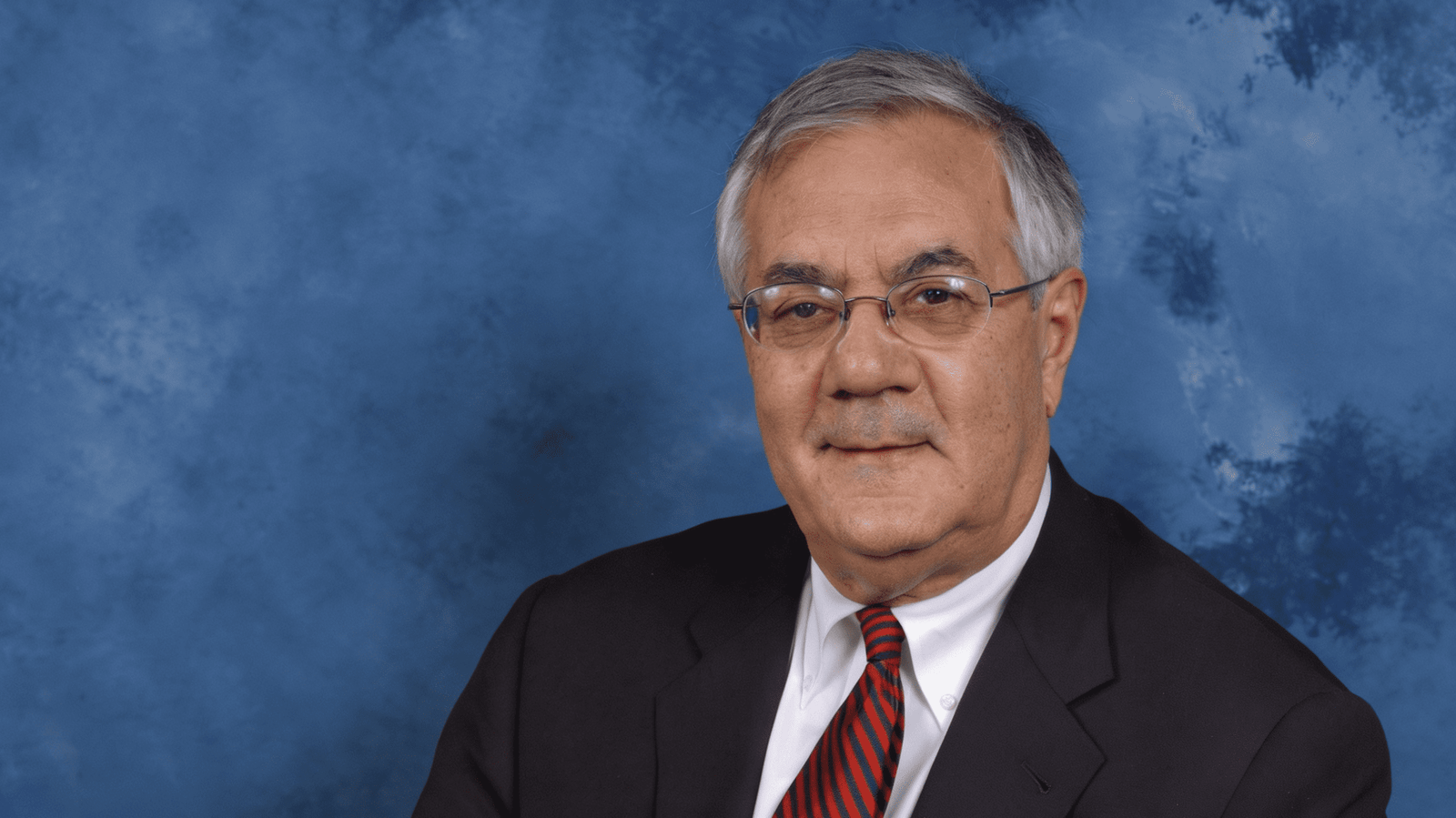
Barney Frank, the longtime Democratic congressman who became one of the country’s most influential liberal lawmakers, died at 86 after entering hospice care in April due to congestive heart failure.
Frank served 32 years in Congress representing suburbs of Boston and became known for his sharp wit, combative political style and major role in reshaping financial regulation after the 2008 economic crisis. He also became a leading figure in the fight for LGBTQ rights as the first openly gay member of Congress.
Born Barnett Frank on March 31, 1940, in Bayonne, New Jersey, he was the grandson of Jewish immigrants from Eastern Europe. After graduating from Harvard University, Frank worked in the Boston mayor’s office in the late 1960s before serving as an aide to a Democratic Massachusetts congressman. He later ran for Congress himself and entered office in 1981.
Frank publicly came out in 1987. In 2012, he married Jim Ready, becoming the first sitting member of Congress to marry someone of the same sex.
By 2007, Frank chaired the House Financial Services Committee as the US economy moved toward financial collapse. He worked with the Bush administration on legislation aimed at stabilizing financial institutions during the crisis and later partnered with Sen. Chris Dodd to pass the Dodd-Frank Act. The law expanded consumer protections, imposed stricter regulations on banks and increased oversight of financial risk.
Toward the end of his life, Frank urged Democrats to move away from messaging and policies he viewed as politically damaging, including “defund the police” and “open borders.”
“I hope I made the point that the best way to accomplish the improvements in our society that we need, particularly in making it less unfair economically and socially, is by conventional political methods,” he said.
Frank also argued that Democratic leaders should distance themselves from positions he said alienated voters.
“Mainstream Democrats have to make it clear that we oppose that part of the agenda of our friends on the left that is politically unacceptable,” he said. “They’re right about a lot of things but you have to have some discretion.”