The current state of democracy in the world is fragile. According to the V-Dem Project, which measures global democracy, 41% of the world’s population live in autocratizing countries — that is, those becoming more authoritarian.
In fact, a “third wave of autocratization” has seen democracy pushed back to levels not seen since 1978, the authors of the 2026 V-Dem report conclude. Worse, many of the 92 autocracies around the world are becoming more repressive.
And all this is happening while the economy has globalized — something that many political economists thought would encourage democracy among previously undemocratic nations.
So what’s going on? We spoke to Arizona State University’s José Kaire, whose book, “The Road to Repression,” explores the link between economic liberalization and the slide into deeper authoritarianism.
Walk us through your theory
The book starts from a simple puzzle: Dictatorships today are as repressive as ever. This is surprising because 40 years ago, many believed that economic liberalization would push autocracies toward democratic politics.

The logic was straightforward: Take away the state’s economic power, and you limit its ability to repress. The theory was that economic liberalization did this by privatizing state-owned enterprises, deregulating markets and opening economies to trade and investment. As people became less dependent on the government for jobs, credit and economic opportunity, they would gain the autonomy to organize, oppose authoritarian rulers and demand greater political freedoms.
This idea, associated with Nobel laureates Milton Friedman and Friedrich Hayek, remains influential among many scholars and even served as part of the founding mythos of the Washington Consensus, a policy agenda championed by international financial institutions and leading world powers. It helped make economic liberalization the default prescription for countries across the developing world.
But reality has been much messier. The book documents how countries like Mexico, Malaysia and Senegal saw human rights abuses increase after embracing liberalization. About half of all autocracies have experienced similar trajectories after opening their economies. Why did a policy meant to weaken authoritarian rule sometimes make it more violent instead?
My answer focuses on the role of autocratic political elites – that is, the party officials, military officers and other regime insiders who control the state. For them, liberalization not only brings economic change, but it also represents a fundamental political threat. It can empower regime outsiders, such as an emerging business class or opposition leaders, who may later force their way into the system, diluting the influence of the old guard.
Dictators who liberalize then risk alienating their ruling coalition. When elites are strong, dictators cannot afford to lose their support, as they would risk a potential coup. Leaders with strong elites must then find ways to appease insiders, and one way they do that is through repression.
By cracking down on opposition groups, leaders signal that they remain committed to protecting elite interests. Repression, in this sense, is not just about silencing dissent — it’s about managing elite politics. The book documents, for example, how Mexico’s presidents used repression against the same opposition they had long tolerated to compensate the party elite for accepting reforms that threatened their political influence.
When dictators deploy repression in this way, they solve a broader political dilemma. On the one hand, they must contend with a political elite that sees liberalization as a threat to its influence. But, on the other, they also need to avoid alienating international actors, such as the United States, that are quick to punish governments that abandon the Washington Consensus. Repression allows leaders to retain elite backing while adhering to international demands for economic liberalization.
How does your theory apply to Cuba or Venezuela today?
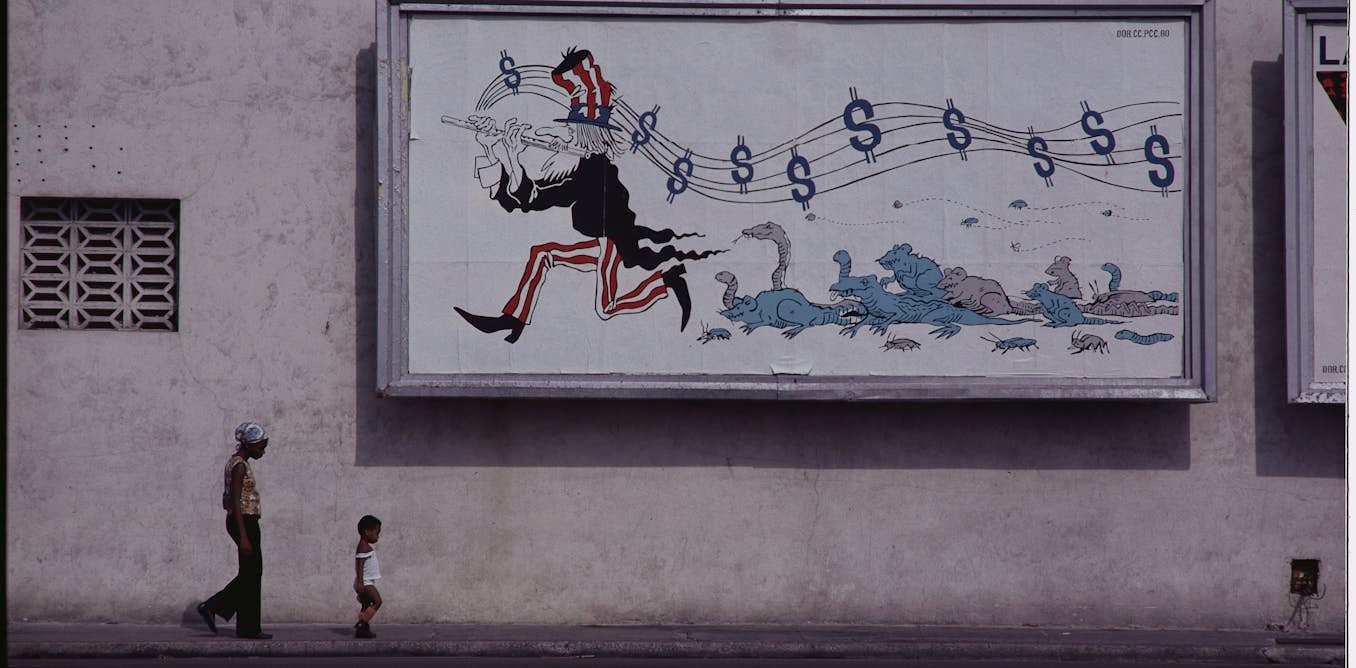
Both are cases where the details of the argument really matter. In recent months, Venezuela has been forced down the road of economic liberalization by the U.S., while Cuba has embarked on economic reforms – also under pressure from Washington.
A key distinction in my theory is that the effects of liberalization depend on how strong the regime’s elites are relative to the leader.
When elites are strong, dictators need to accommodate them, often by repressing outsiders to shield insiders from potential challenges. When elites are weak, leaders do not need to make those concessions.
The question then comes down to which of these two camps Venezuela and Cuba currently occupy.
In the case of Cuba, we have seen some of the power flow from the leader to the party. Former leader Raúl Castro extended and institutionalized the role of the party in the late 2010s. The military also gained more autonomy during that period, having secured economic privileges that are more resilient to the whims of the leader.
This all suggests that elites have extended their capacity to make demands on the leadership. In that context, further economic liberalization could trigger the dynamics I describe, pushing the regime toward more repression. There is a good argument that we have already started to see some of that.
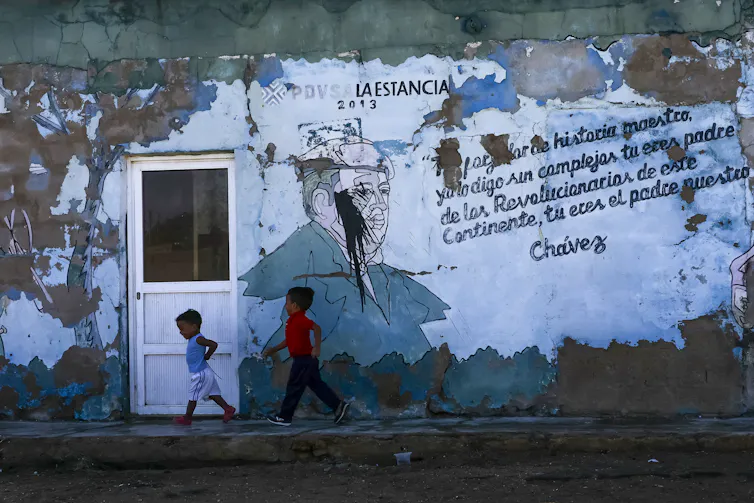
Venezuela is in a similar situation. It is too early to say for sure, but the removal of Nicolás Maduro in a U.S. raid in January 2026 might create an opportunity for regime insiders to carve out some more independence and influence. If that is the case, then future deregulation may hurt, rather than help, human rights.
Ultimately, outcomes will depend on how these regimes evolve. But if current dynamics persist, external pressure for economic reform is unlikely to improve human rights – and may well make them worse, if my theory holds.
What surprised you when researching for the book?
I got the idea for this book from listening to my father’s stories about how the liberalization of the automobile industry in Mexico in the 1970s affected the factory where he worked. It was all very specific, so I assumed it would not apply more generally to more countries. But the more cases I looked at, the more I realized this pattern of liberalization leading to repression was not uncommon.
In the book, I ended up statistically estimating that most dictatorships who have liberalized have displayed this pattern.
Another thing that surprised me was how the implications of the core argument kept extending to new areas.
For example, I expected that leaders pushed to liberalize their economies would become especially repressive if they also faced the threat of international prosecution. These leaders want to avoid ending up in front of institutions like the International Criminal Court, so they go to greater lengths to stay in power. That often means keeping their elites satisfied at all costs.
Where else are you seeing the dynamic play out?
One area I’m watching is the rise of artificial intelligence. My book focuses on economic liberalization, but it really is about how autocratic regimes adapt to a shifting economic structure. When new sources of wealth or influence emerge, they can give leaders an opportunity to bring in new allies and, in the process, weaken established elites.
China is probably the most relevant case for how these dynamics might play out in AI. Under Xi Jinping, there has been a clear push to centralize control over the AI sector. For example, the new Central Science and Technology Commission is led by one of Xi’s closest allies, placing oversight of this key sector closer to his inner circle. At the same time, the state has been heavily involved in promoting AI firms aligned with priorities associated with Xi’s leadership, while disciplining more independent tech entrepreneurs.
What I find interesting is what this might mean politically. If these sectors are producing new elites whose success depends on their relationship with the leader, they could become an alternative base of support.
That, in turn, could give leaders more room to maneuver in dealing with established elites. I do not think we know yet how far that goes, but I suspect it may very much fall in line with the dynamics the book highlights.