It’s a regrettable reality that there is never enough time to cover all the interesting scientific stories we come across. So every month, we highlight a handful of the best stories that nearly slipped through the cracks. August’s list includes the discovery of a new celestial object astronomers have dubbed a “black hole star”; breaking down plastics with microbes and turning them into edible cookies; how whale calls are connected to Einstein’s special theory of relativity; and how avocado tree flowers switch sex during the day, among other highlights.
Discovery of a “black hole star”
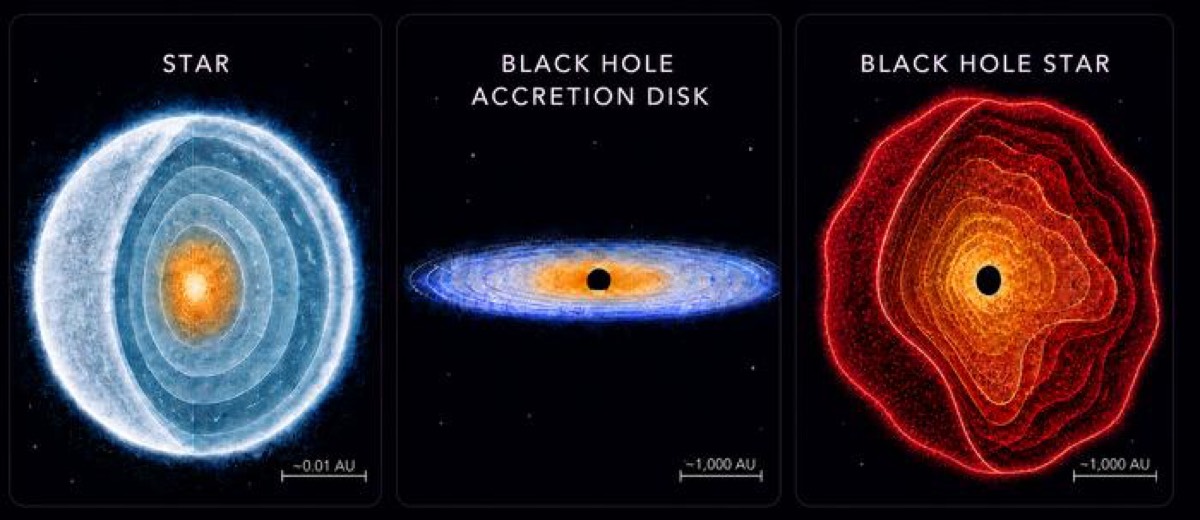
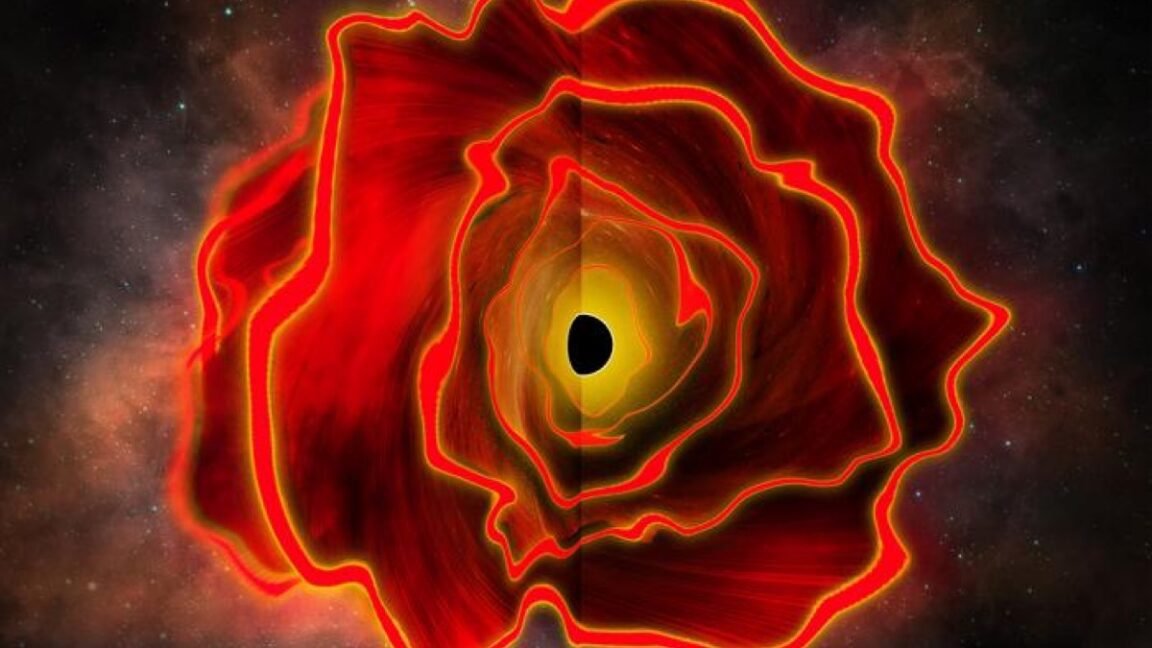
Back in 2024, astronomers combing through datasets taken by the James Webb Space Telescope noticed hundreds of mysterious little red dots lurking therein, believed to be baby quasars. They existed when the Universe was just a few hundred million years old. One such object in particular captured scientists’ interest: a red dot that was extremely red and very bright, but whose properties didn’t fit with any known astrophysical object. Astronomers have now concluded that the little red dot is a “black hole star,” so named because it is the size of a large star but produces far more energy than would be possible via nuclear fusion—energy comparable to what an active black hole would produce.
They described this new object in detail in a paper published in the journal Nature. Initially, the authors thought the object was so red because it was surrounded by dust, but while the light produced was extremely bright, it completely disappeared below certain wavelengths. This is known as a “Balmer break” and is usually a signature of a stellar atmosphere. But this was the deepest break ever observed. Also, there was no evidence of metals or any element other than hydrogen and helium in the spectrum.
The authors decided to run computer simulations to determine what could produce this unusual combination of features. They reasoned that the red dot must be a powerful energy source surrounded by a very dense hydrogen cocoon, but the only possible source capable of that degree of brightness (100 billion times brighter than a star) would be an active accreting black hole. The team concluded that MoM-BH*-1, as they’ve named the red dot, is a black hole star: a massive central black hole (about 100 solar masses) surrounded by a dense cocoon of hydrogen the size of our solar system. Astronomers hope the discovery of black hole stars—two more have since been identified—will help them solve the puzzle of how supermassive black holes formed so soon after the Big Bang.
DOI: Nature, 2026. 10.1038/s41586-026-10846-4 (About DOIs).
Making cookies from plastic bottles
Plastic pollution is a serious environmental concern, and microbes are helping scientists mitigate the issue in a variety of ways. Scientists at Southern Illinois University have figured out how to use microbes to break down polyethylene terephthalate (PET), the material used for plastic beverage bottles, into an edible cookie they suggest would be ideal for future astronauts on deep-space missions, submarines, or colonies on the Moon or Mars. They presented their work at a meeting of the American Chemical Society in Chicago.
SIU professor Lahiru Jayakody and colleagues figured that since plastic is carbon-based and food is carbon-based, food products could be a handy upcycling market for PET waste. They programmed different kinds of yeast to convert plastic molecules into proteins, vitamins, and flavorings via a proprietary process that relies on water and oxygen at high temperature and pressure to break down plastic bottles into tiny pieces to make them more accessible to microbes. The microbes then get to work transforming those pieces into proteins, fats, and acids.
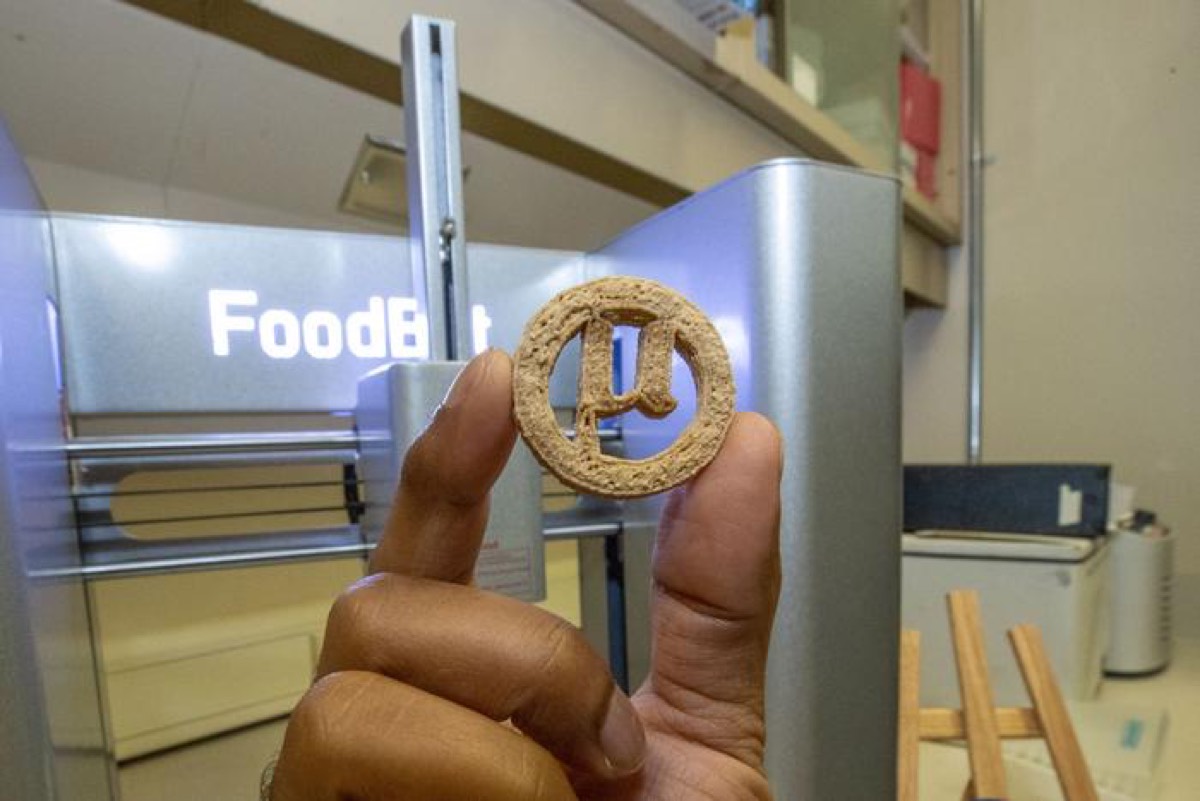
The final step: adding fiber, starch, and sweetener and extruding the resulting “dough” through a 3D printer to form little cookies. They’ve dubbed their creation µBites (microbites). The researchers have not yet conducted human taste tests, but subjects reported that the cookies smell delicious and said they would eat them if, say, they were in a situation with very limited food options. That’s not quite a ringing endorsement, but it’s a start. And the team is already working on making the cookies more palatable, with an eye toward the cookies being ready to eat in just a few years.
Whale calls echo Einstein
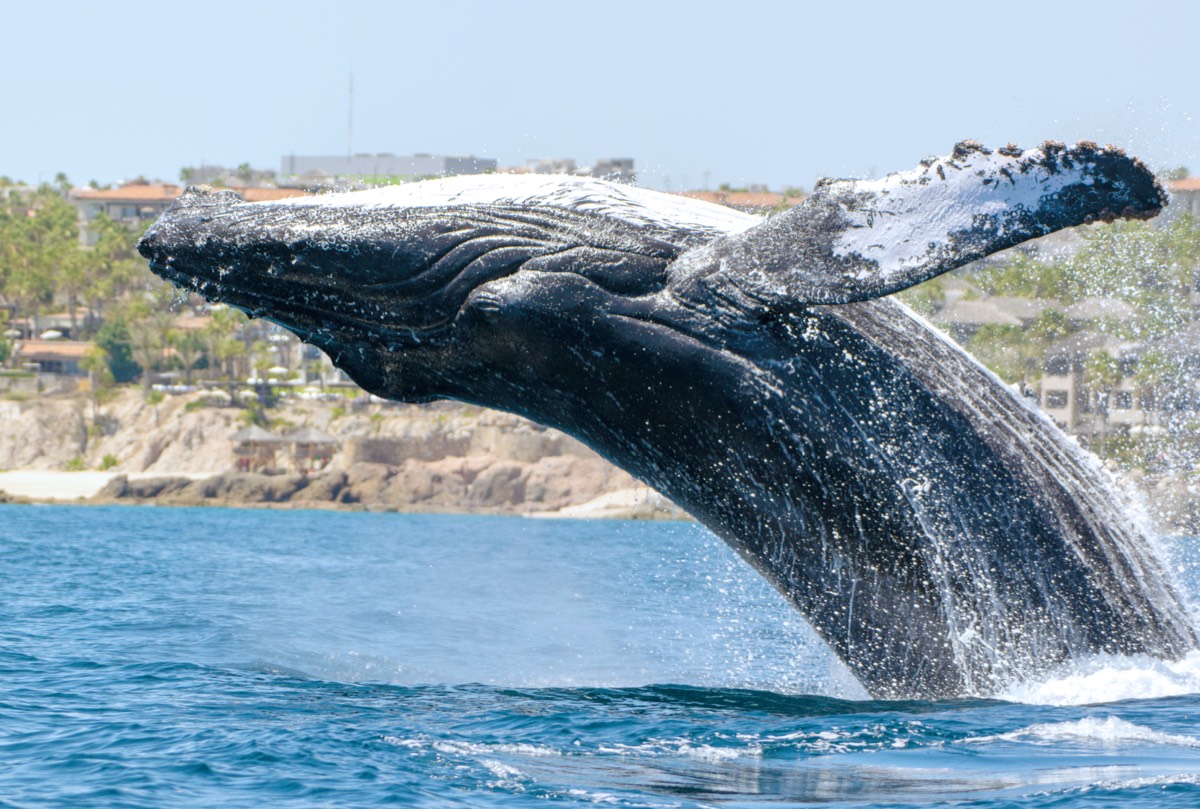
One wouldn’t expect whale calls to have anything to do with Albert Einstein’s special theory of relativity, but according to oceanographer John Spiesberger, a visiting scholar at the University of Pennsylvania, one would be mistaken. It all started when Spiesberger was fiddling with a computer program for calculating the correct sound speed for whale calls—a key part of his whale-tracking equations. Whale calls can travel as far as 100 kilometers underwater, which means the animals can be located by comparing when those calls reach receivers embedded along the ocean floor.
But Spiesberger kept getting different values for the sound speed of those calls, from 1,000 meters per second to 3,000 meters per second. (The standard speed of sound in seawater is about 1,500 meters per second.) The oceanographer realized it wasn’t a bug in the software, but a physical effect. The receivers were picking up both the direct signal and its reflected echo when a whale was near the surface, as Spiesberger et al. explained in a paper published in the journal Physical Review E.
It’s known as temporal interference, where the signal’s strongest peak appears to speed up, sometimes seeming to travel faster than light. However, the encoded information still obeys this central principle of special relativity, so it’s not a violation of physics. Having demonstrated the connection via simulations, Spiesberger is now working to record the effect in the real world, setting up an array of audio microphones on a hard floor with the same acoustic parameters as the ocean floor.
DOI: Physical Review E, 2026. 10.1103/1mth-rs2j (About DOIs).
Every mosquito has a type
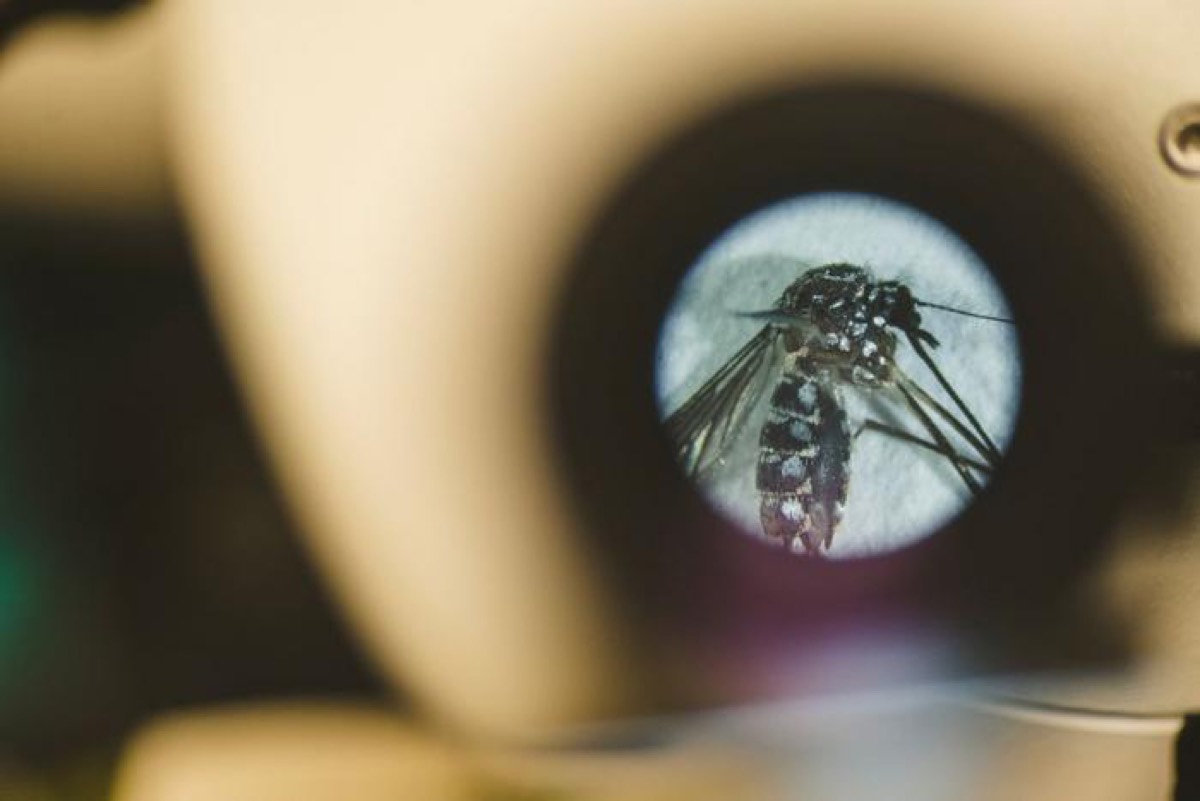
Count me among the unfortunate souls who are mosquito magnets; something about my body chemistry is irresistible to those tiny bloodsucking fiends. Scientists know that mosquitoes are attracted by distinctive body chemistries, but it turns out that each species has its own unique preferences, because they decode human scent differently, according to a paper published in the journal iScience. This could one day lead to the development of species-specific repellants and, hopefully, improved region-specific strategies for combatting the spread of mosquito-borne diseases.
Matthew DeGennaro of Florida International University led the study of three mosquito species: the Egyptian mosquito (Aedes aegypti), the Asian tiger mosquito (Aedes albopictus), and the southern house mosquito (Culex quinquefasciatus). All three species were exposed to 119 human volunteers willing to be bitten for science. The Egyptian mosquitoes are daytime feeders that show a preference for men over women. The Asian tiger mosquitoes, also day feeders, found elevated ketones and plant-like volatile compounds irresistible. And the southern house mosquitoes were night feeders that chose people based on individual microbiomes —the bacteria, fungi, and microbes that live on the skin. Some microbiomes attracted the skeeters; others repelled them.
DOI: iScience, 2026. 10.1016/j.isci.2026.117006 (About DOIs).
Avocados switch sex several times a day
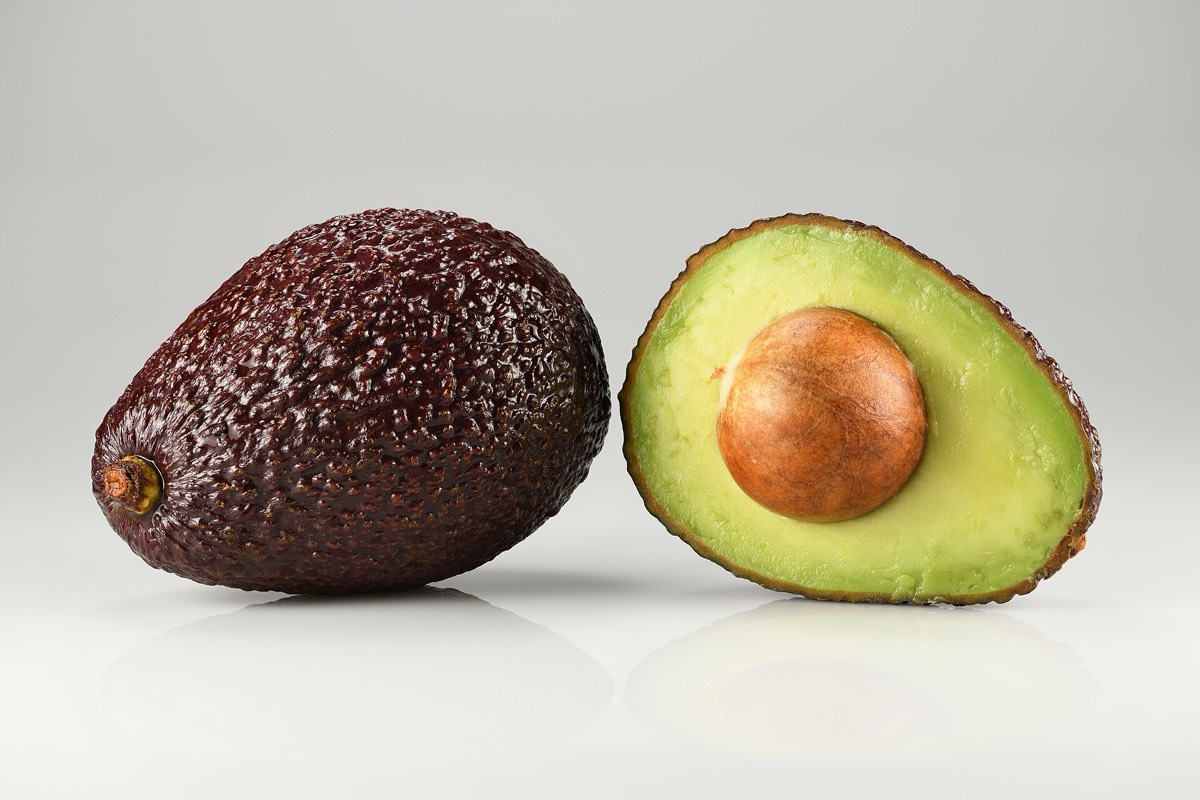
Something to ponder as you’re breakfasting on avocado toast or indulging in tableside guacamole: Avocado trees are hermaphrodites, meaning that their flowers can either release pollen (as “males”) or receive pollen (as “females”). And the trees switch back and forth between these functions throughout the day. To avoid self-pollination, roughly half of all avocado trees (A-type) are programmed to open female flowers in the morning and male flowers in the afternoon; the other half follow the opposite pattern (B-type). Scientists at the University of California, Davis, have now identified a genetic mechanism for this century-old mystery, according to a paper published in the Proceedings of the National Academy of Sciences.
The scientists analyzed the genomes of hundreds of avocado trees. A single gene, SDMYB, was identified as being associated with whether a tree followed an A-type or B-type flowering schedule. There are two alleles (alternative versions) of this gene, similar to the two alternative sex chromosomes found in many other species, one of which is dominant, the other recessive. A-type trees have one copy of each version; B-type trees have two copies of the recessive version.
In fact, the same two versions were found in 26 other related tree species, suggesting the genetic mechanism is not limited to avocado trees. This will also help avocado growers, since they can now test to see which type a given tree is at the seeding stage and stagger their plantings accordingly to ensure pollen is exchanged between the two types of trees throughout the day. Previously, one had to wait until a tree flowered to make that determination, which can take 10 to 15 years after planting.
DOI: PNAS, 2026. 10.1073/pnas.2606876123 (About DOIs).
Sound can power tiny drones
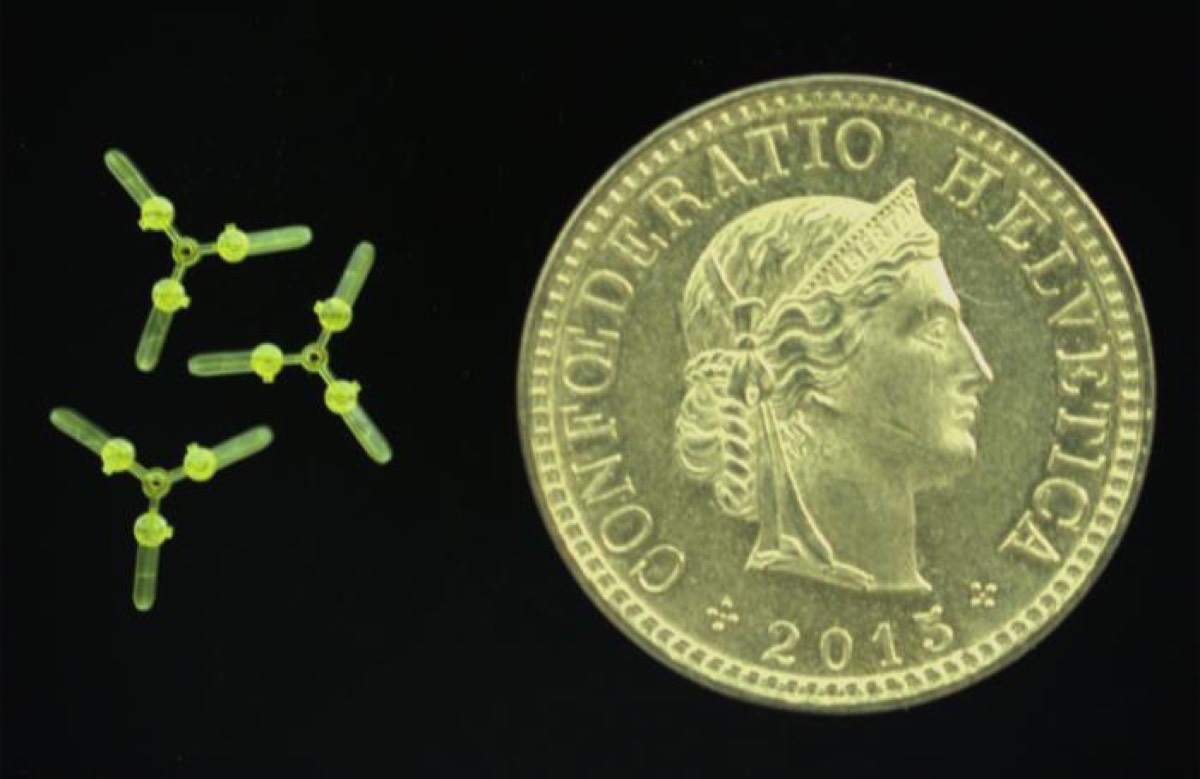
We’ve all encountered the so-called Helmholtz resonance in our daily lives. It’s the humming sound produced when one blows air gently across the neck of a bottle and causes air trapped inside to oscillate back and forth. Scientists at the Ecole Polytechnique Federale de Lausanne (EPFL) in France exploited this effect to build tiny miniature boats and micro fliers powered by sound, according to a paper published in the journal Science Advances.
Sound waves have previously been used to levitate objects in mid-air, but the EPFL team wanted to convert sound into propulsive force. They achieved this by embedding small fabricated hollow cavities in their devices, made from 3D-printed plastics, polymers, glass, and other common materials. Sound waves excite the air in the cavities, forcing out the oscillated air to generate thrust.
The team designed miniature boats with three cavities tuned to different audible frequencies, enabling them to steer the boat in a particular direction by changing the frequency of the sound waves from a speaker. Their 3D-printed micro fliers also had three integrated cavities tuned to ultrasonic frequencies, capable of generating upward thrust or aerodynamic lift, similar to a helicopter.
DOI: Science Advances, 2026. 10.1126/sciadv.aef5620 (About DOIs).
Cooling without electricity
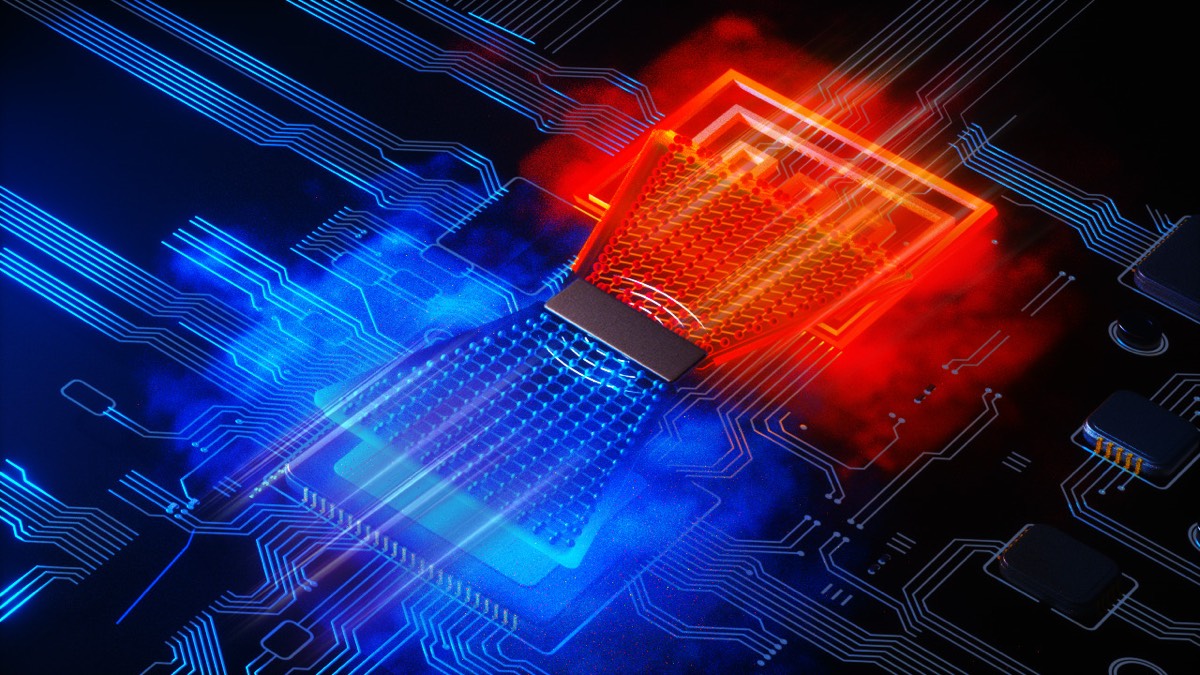
Standard refrigerators and A/C systems operate using the Carnot cycle, relying on electricity-driven compressors to transfer heat via a refrigerant gas from a high-pressure chamber to a lower-pressure chamber. But it’s not an ideal approach, and Albert Einstein and Leo Szilard, among others, have tried to come up with alternatives; the patented Einstein-Szilard refrigerator was an energy-efficient absorption system with no moving parts. The latest breakthrough is a heat-driven, elastocaloric system capable of leveraging waste heat and solar energy for cooling, according to a paper published in the journal Nature Energy.
Elastocaloric cooling systems exploit shape-memory alloys, which heat up when a mechanical load is applied and cool down when that load is released. Such systems still rely on actuators driven by electricity to apply that force. The authors of the Nature Energy paper found a way around that obstacle by coupling two ultra-thin nickel-titanium films. The first is designed to shrink when it heats up, converting thermal energy into mechanical work with no need for an electric motor. That work is then transferred to the second film and produces reversible changes in the crystal structure, generating cold.
This makes it possible to drive solid-state cooling using waste heat and solar energy. Thus far it is just a demonstration of the feasibility of the approach; the next step is to connect multiple films to increase cooling capacity. If the approach can be scaled up, such systems would be ideal for cooling computer processors, using their own waste heat as a driver, or for cooling sensitive car electronics, drawing on waste heat from the drivetrain.
DOI: Nature Energy, 2026. 10.1038/s41560-026-02122-6 (About DOIs).