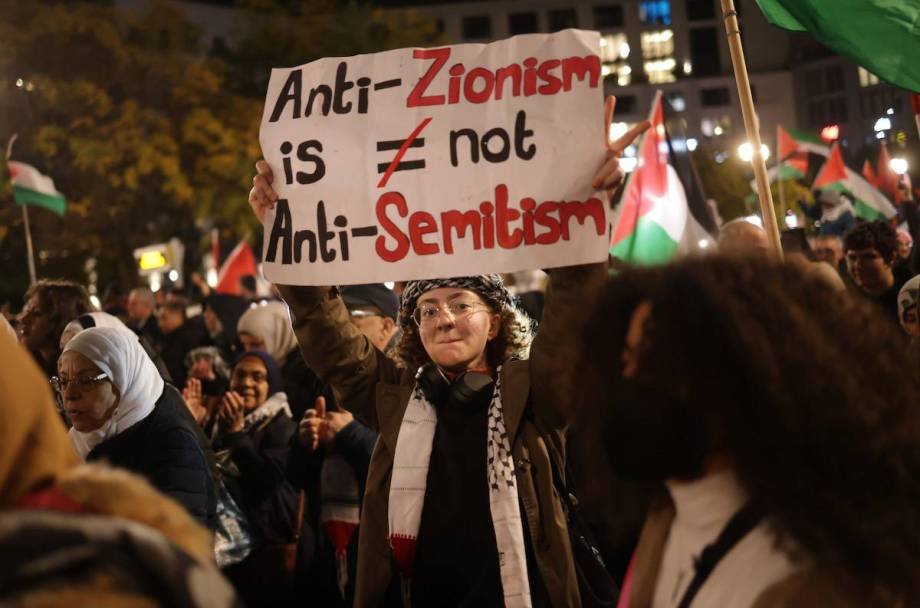
The UK Employment Appeal Tribunal (EAT) has upheld a landmark ruling that anti-Zionism is not anti-Semitism and constitutes a protected philosophical belief under the Equality Act 2010. The judgment rejects the University of Bristol’s attempt to overturn the central findings in favour of its former professor, David Miller.
The ruling reinforces a distinction which pro-Palestine campaigners, Jewish anti-Zionists and civil liberties advocates have defended for years: opposition to Zionism as a political ideology is not inherently the same as hostility towards Jewish people.
In its judgment, handed down on today, the EAT upheld the findings that the university’s decision to dismiss Miller and its refusal of his internal appeal constituted unlawful direct discrimination. It also preserved the conclusions that his dismissal was unfair and wrongful.
“ANTI-ZIONISM PROTECTED BY UK LAW”, said Miller following his victory. “Anti-Zionism is now a protected philosophical belief under the Equality Act 2010. Full stop.
The Employment Appeal Tribunal finally handed down its judgment this morning. The University of Bristol’s attempt to overturn my 2024 Employment Tribunal victory has been comprehensively dismissed. We won on every single count”
ANTI-ZIONISM PROTECTED BY UK LAW
We have set a binding legal precedent!
Anti-Zionism is now a protected philosophical belief under the Equality Act 2010. Full stop.
The Employment Appeal Tribunal finally handed down its judgment this morning. The University of Bristol’s… pic.twitter.com/mRvXCfBhVW
— David Miller (@Tracking_Power) August 4, 2026
The judgment marks the latest development in a dispute going back years.
In early 2021, pro-Israel organisations and figures describing themselves as “proud Zionists” mounted a campaign demanding Miller’s dismissal over his criticism of Israel and Zionism. At the time, students at the University of Bristol defended the academic, warning that allegations of anti-Semitism were being used to silence legitimate criticism of Zionism and Israeli violations of Palestinian rights.
The university dismissed Miller summarily in October 2021, despite an independent investigation clearing him of allegations of anti-Semitism.
Despite those findings, the university proceeded with disciplinary action and dismissal. The case became a prominent example of what Palestine Legal has called the “Palestine exception to free speech”: the tendency of institutions which otherwise champion freedom of expression to restrict it when the subject is Israel or Palestinian rights.
Read: The war for Israel on British campuses
Miller challenged his dismissal before the Employment Tribunal and secured a landmark victory in February 2024. The tribunal ruled that the university had discriminated against him because of his protected anti-Zionist beliefs and had dismissed him unfairly and wrongfully.
Bristol University appealed, advancing nine lengthy grounds and multiple sub-grounds against the findings. The EAT has now rejected the university’s challenges to liability.
Read: Dr Swee Ang, founder of Medical Aid for Palestinians, deplatformed by the BMA
The principle established in his case will be seen as being relevant to other employment disputes. A former Arsenal employee has sued the club, alleging that it dismissed him for expressing anti-Zionist views and supporting Palestine. His representatives characterised the dismissal as political censorship rather than action against anti-Semitism.
An NHS doctor has also brought a High Court challenge over the use of the controversial International Holocaust Remembrance Alliance definition following his suspension for political speech.