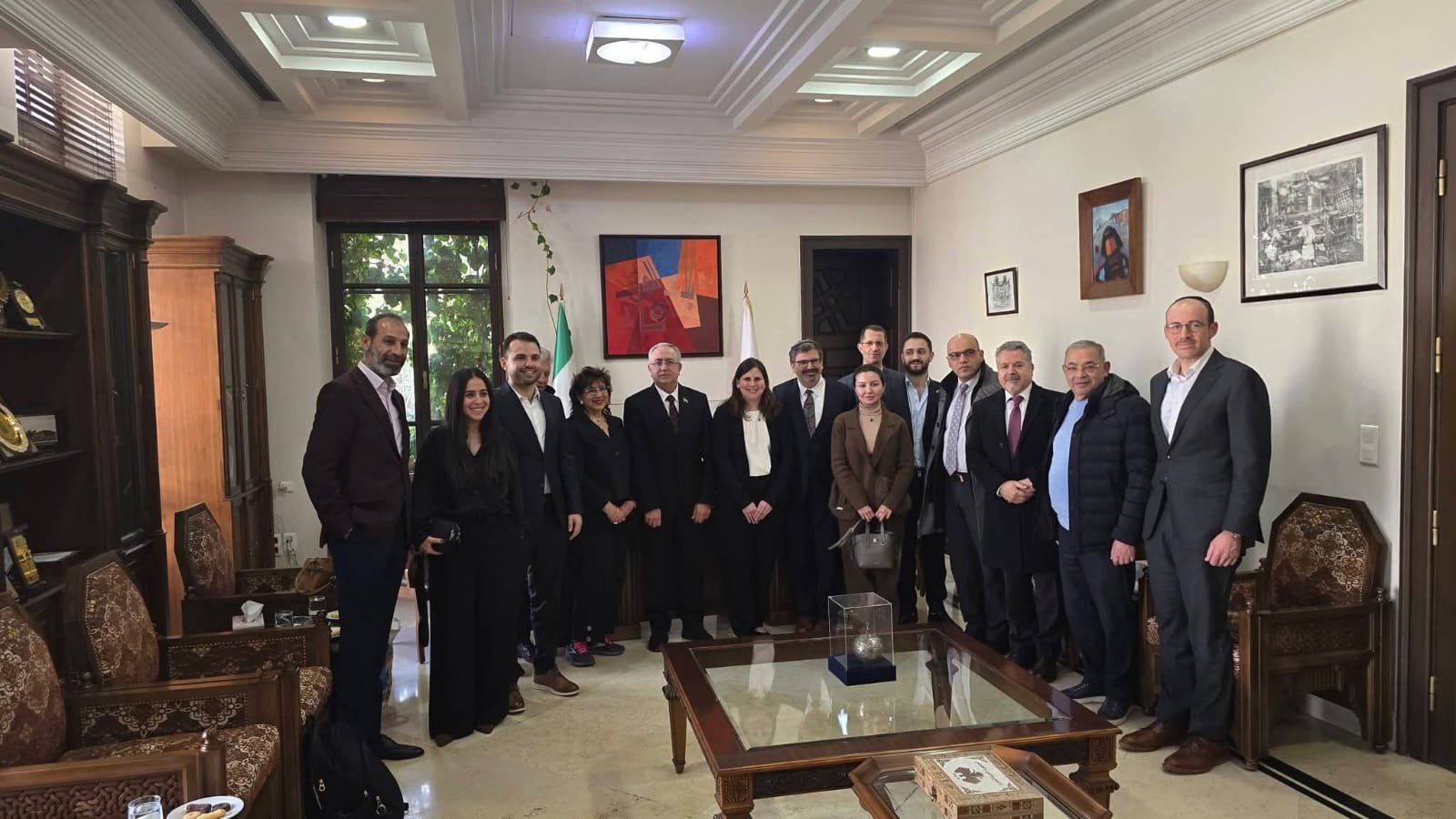
Felice Friedson and Rizik Alabi report from Damascus on a trip that looked, at first glance, like an academic visit and, at second glance, like something far rarer: a small, cautious test of whether scholarship can reopen doors that politics slammed shut long ago. Their article follows a US delegation of Jewish academics and communal figures through meetings at Damascus University, the Syrian Foreign Ministry, museums, synagogues, and even kosher dinners that became a quiet measure of Syrian willingness to accommodate Jewish visitors.
The heart of the story is not grand diplomacy dressed up in academic robes. It is the possibility that student exchanges, faculty ties, museum partnerships, and joint conferences could begin rebuilding trust where formal peace still feels distant. Prof. Susannah Heschel of Dartmouth College came away saying Syrian officials and university leaders were warm, open, and interested both in ties with Americans and in peace with Israel. She spoke of plans to connect Syrian poets with Israeli scholars and to bring expertise in Jewish history to Damascus, where those subjects are largely absent from the curriculum. Dr. Jill Joshowitz of New York University found something equally striking in the cultural sphere: Syrian museum professionals deeply invested in preserving Jewish heritage, including the remains of the Dura-Europos synagogue.
Felice Friedson and Rizik Alabi also capture the weight of the setting itself. Syria’s once-thriving Jewish communities have nearly vanished, with only a handful of Jews said to remain in Damascus. Yet traces of that history still stand in manuscripts, cemeteries, synagogues, and sacred sites. The delegation’s visit to those places, along with the careful preparation of kosher food under Rabbi Asher Lopatin’s supervision, gave the trip a practical seriousness that participants said went beyond symbolism. Still, the article does not romanticize the moment. Bureaucratic obstacles, institutional caution, and decades of estrangement remain real. That is what makes this report worth reading in full—and the video report worth watching. Friedson and Alabi show that in today’s Syria, even a conversation about poetry or a meal cooked on new skewers can carry the weight of history.