
In January, the European Commission began an initial investigation, known as a specification proceeding, into how Google has implemented AI in the Android operating system. The results are in, and the EU says Android needs to be more open, which is not surprising. Meanwhile, Google says this amounts to “unwarranted intervention,” which is equally unsurprising. Regardless of Google’s characterization of the investigation, the commission may force Google to make Android AI changes this summer.
This action stems from the continent’s Digital Markets Act (DMA), a sweeping law that designates seven dominant technology companies as “gatekeepers” that are subject to greater regulation to ensure fair competition. Google has consistently spoken against the regulations imposed under the DMA, but it and the other gatekeepers have been subject to the law for several years now, and there’s little chance the commission backs away from it.
The issue before the commission currently is the built-in advantage for Gemini on Android. When you turn on any Google-powered Android phone, Gemini is already there and gets special treatment at the system level. The European Commission is taking aim at the lack of features available to third-party AI services. The commission believes that there are too many experiences on Android that only work with Google’s Gemini AI, and as a gatekeeper, Google must change that.
“As we navigate the rapidly evolving landscape of AI, it is clear that interoperability is key to unlocking the full potential of these technologies,” said Commission VP for Tech Sovereignty Henna Virkkunen in a statement. “These measures will open up Android devices to a wider range of AI services, so that users will have the freedom to choose the AI services that best meet their needs and values, without sacrificing functionality.”
The commission does have a solid track record pushing for openness so far. Since the DMA came into force, Google has been required to make numerous changes to its business in Europe, like implementing search choice screens on Android, allowing alternative payment methods in the Play Store, and limiting data sharing across services. Now, the EU wants Google to make the Android platform more hospitable to third-party AI services.
Google’s objection focuses on preserving the autonomy for device makers (including Google) to customize AI services. “This unwarranted intervention would strip away that autonomy, mandate access to sensitive hardware and device permissions; unnecessarily driving up costs while undermining critical privacy and security protections for European users,” said Google senior competition counsel Claire Kelly.
EU rules could mean more AI, not less
Just because Gemini is preinstalled on virtually every Android phone doesn’t mean you have to use it. You can easily install ChatGPT or Grok and turn to that chatbot when the need arises. However, these apps won’t have the same access to data and features as Gemini. The commission cites a few examples where Gemini is the only route, like sending an email in your default mail client or sharing a photo with friends.
European regulators are proposing several broad changes to the way AI tools operate on Android phones. Some of this is straightforward, like allowing third-party AI tools to be invoked system-wide via hot words or button presses. This might also include allowing AI tools to view screen context when the user opens them. Context also extends to allowing alternative AI systems to access local data to generate proactive suggestions and summaries. The report actually describes something that sounds like Google’s Magic Cue, which relies on Gemini to offer suggestions based on your activity.
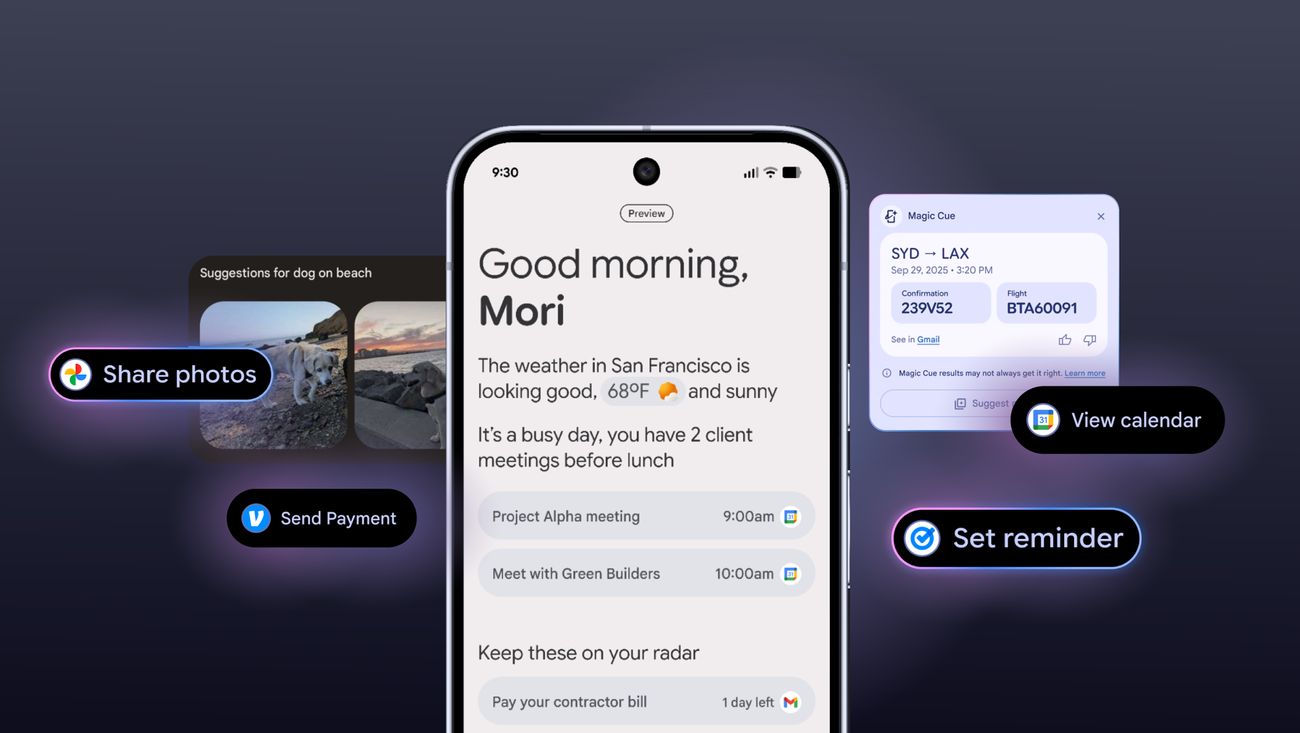
Google has also started experimenting with allowing AI to control certain apps. As we saw when this feature debuted on the Galaxy S26, Gemini is currently pretty bad at using apps on your behalf. The commission wants to explore allowing other AI services to autonomously control installed apps and system features on Android phones. Maybe someone else could do better?
Many of the Gemini AI features in Android, including Magic Cue, rely on running local models, and Google has been slow to allow third parties the system access to make that work effectively. So the EU is also suggesting a mandate that would ensure developers have the necessary hardware access to run local models “with high levels of performance, availability and responsiveness.”
Finally, Google may be required under the DMA to create new APIs and offer technical assistance to other AI makers who want to plug into Android. The commission also specifies that these tools must be made available free of charge.
So far, this is just a framework for how AI on Android might change. The European Commission is currently accepting feedback from interested parties. That part of the process will wrap up on May 13. A final decision on this investigation will be made no later than July 27 of this year. Failure to enact required changes could result in big fines. The DMA allows for penalties up to 10 percent of a company’s annual global revenue.
Google probably won’t be required to fling the doors open right away, though. Creating avenues for third-party AI apps to access system tools and data would take time. Rushing the process could risk security or privacy issues. And naturally, there’s no guarantee any of these proposed changes would be seen outside of the EU.








.)