While President Donald Trump hinted on Tuesday evening that US-Iran talks could soon begin in Pakistan, a significant diplomatic shift is already underway.
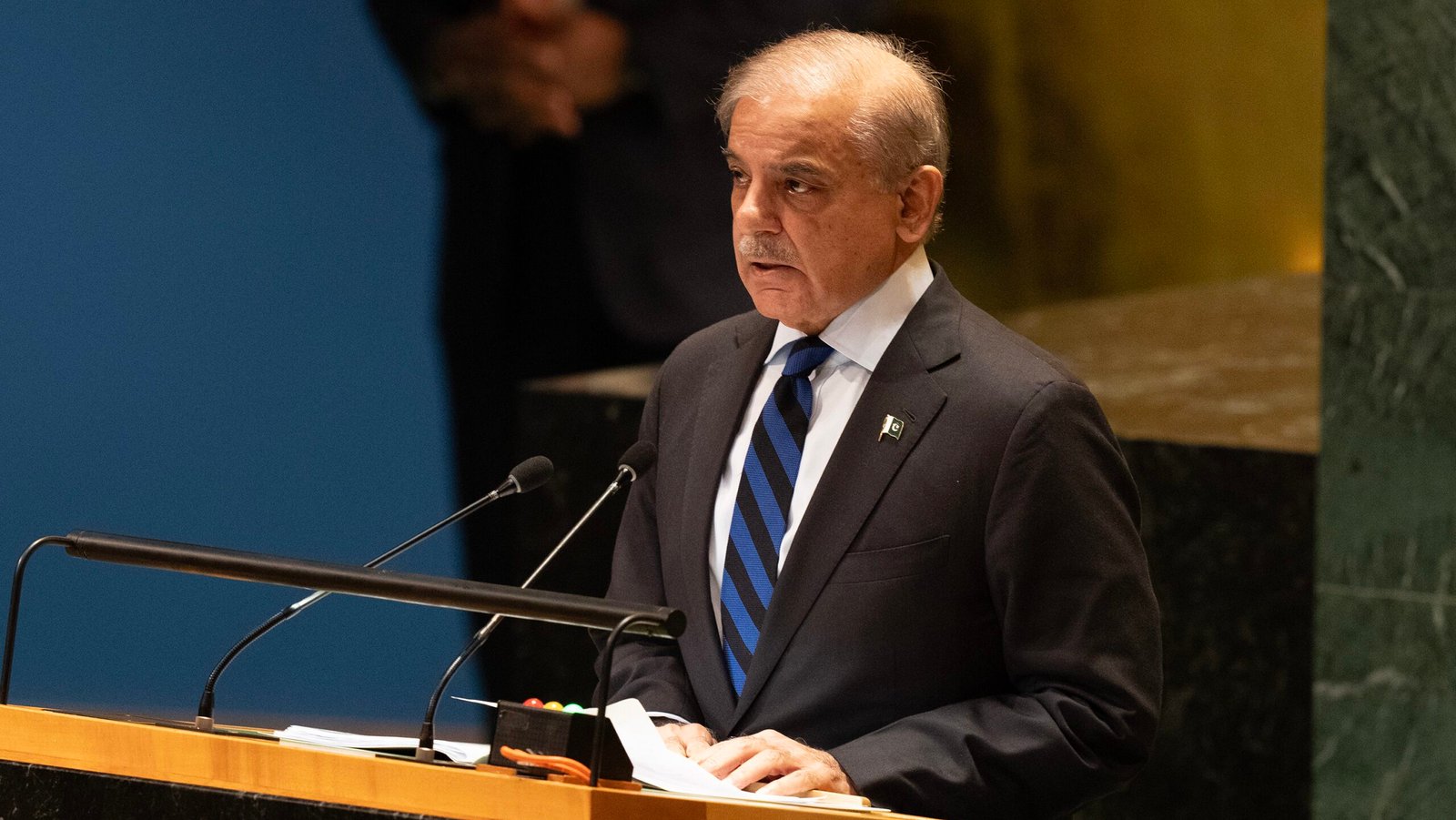
Pakistan’s Prime Minister Shehbaz Sharif departed for Riyadh Wednesday, embarking on a high-stakes three-day tour that will cover Saudi Arabia, Egypt and Turkey.
Since Sharif’s visit ends on April 18, it is now apparent that US-Iran discussions can only occur after the trip concludes.
He is accompanied by a powerful delegation, including Field Marshal Asim Munir, Deputy Prime Minister Ishaq Dar and other senior officials, highlighting the importance of the visit.
It is noteworthy that Egypt and Turkey, backed by Saudi Arabia, played a significant role in supporting Pakistan’s efforts to bring the two archrivals , US and Iran, to the negotiating table.
Sources in Islamabad told The Media Line that the prime minister is briefing regional leaders on sensitive aspects of the US-Iran ceasefire. The effort appears closely coordinated, with Washington reportedly fully informed, positioning Pakistan as a key intermediary in efforts to bridge the divide between the two sides.
Meanwhile, citing an American official, Arab News reported that “Future talks are under discussion, but nothing has been scheduled at this time.” On the other hand, US Vice President JD Vance has said that President Donald Trump is not seeking a “small deal” with Iran, but rather a major, comprehensive agreement. During a Turning Point USA event at the University of Georgia, when asked about US-Iran negotiations, Vance said that President Trump has set a clear policy that Iran must not be allowed to obtain nuclear weapons and that the current talks are focused on ensuring exactly that.
The US vice president said that if Iran commits to abandoning nuclear weapons development, the United States will help it achieve economic prosperity.
He added that President Trump is putting forward this offer and that negotiations will continue to advance it. According to Vance, President Trump instructed him to go to Pakistan and engage in talks with Iran in good faith. However, he also acknowledged significant mistrust between the US and Iran, which cannot be resolved overnight. Vance noted that the ceasefire is holding and that Washington feels positive about the direction of developments.