[ISLAMABAD] Facing massive public outrage, the Pakistani government abruptly reversed a steep hike in gasoline prices late Friday night. Prime Minister Shehbaz Sharif addressed the nation to announce the rollback, acknowledging the severe economic challenges gripping the country.
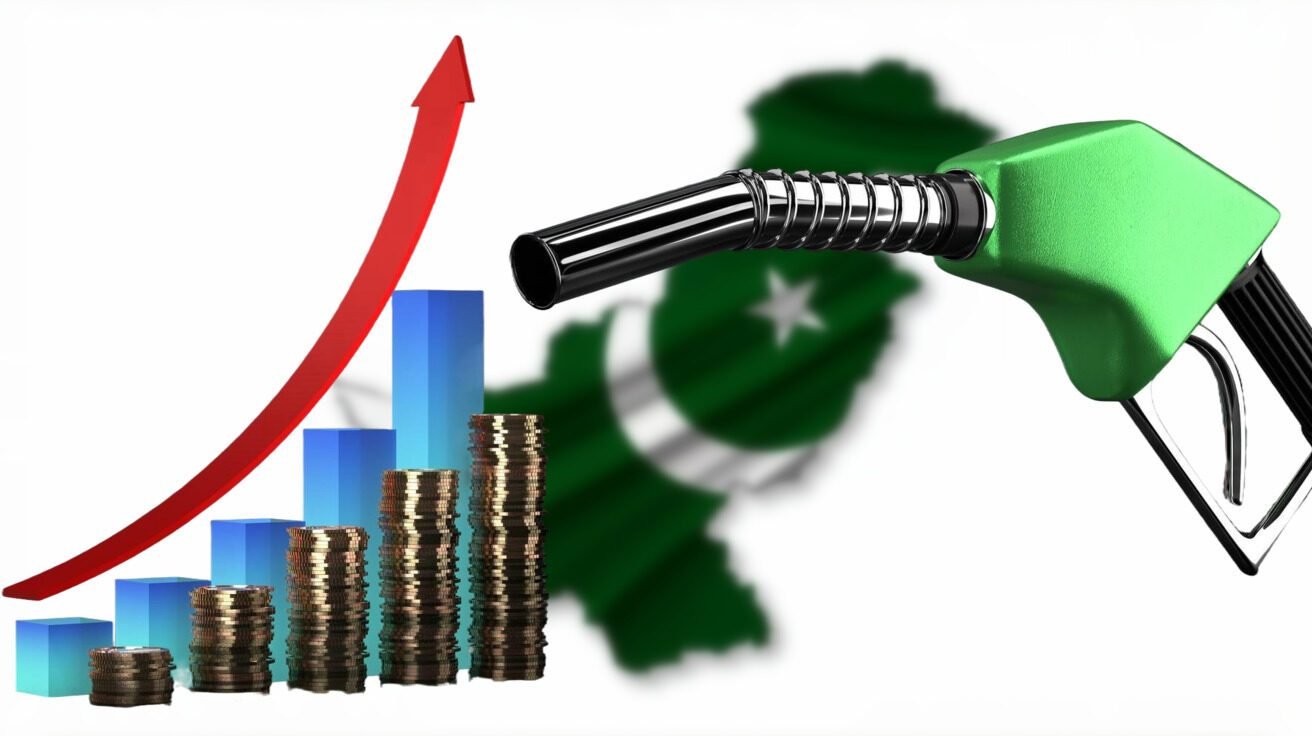
Sharif announced an 80 Pakistani rupees-per-liter reduction in the petroleum levy on gasoline, bringing the new price to PKR 378 per liter (about $5.14 per gallon). Diesel, meanwhile, remained unchanged at PKR 520.35 per liter.
On Thursday night, Federal Minister for Energy Ali Pervaiz Malik and Finance Minister Muhammad Aurangzeb had announced an increase of PKR 137.23 per liter in gasoline and PKR 184.49 per liter in diesel, and gasoline prices had briefly surged to PKR 458.41 per liter ($6.23 per gallon) before the reversal. The petroleum levy was raised from PKR 105 to PKR 160 per liter. Following the rollback, it now stands at PKR 80 per liter.
Officials had initially justified the sharp fuel price increases by citing the US-Israel-Iran conflict and soaring global oil prices. To ease pressure on essential goods, Sharif announced transport subsidies, a freeze on railway fares, and an extension of the federal cabinet’s salary donation for six months.
“War is ongoing in the Gulf, and as a result, oil prices across the region are soaring. The sharp rise in oil prices has also gripped Pakistan,” Sharif said.
That move marked the second fuel price increase in a month. Earlier, on March 4, gasoline and diesel prices were each raised by PKR 55 per liter. Over the past month, gasoline has surged 77% and diesel 87%, prompting widespread protests.
Critics have condemned the increases as flawed policymaking and questioned why such steep hikes were imposed despite continued oil shipments through the Strait of Hormuz.
Opponents also argue that the government has failed to cut its own spending, shifting the burden onto citizens already under severe economic pressure.
Wahid, a rickshaw driver, told The Media Line that he barely earns PKR 1,000 ($3.59) a day and now faces an impossible choice: whether to buy fuel or feed his children.
Before the government’s late-night partial rollback, Jamaat-e-Islami had called for nationwide protests against the fuel price increase, warning of demonstrations and a possible wheel-jam strike.
In its statement, Jamaat-e-Islami said the rollback did not go far enough, arguing that the government should also scrap or sharply reduce petroleum levies and other fuel taxes that had already been in place and were sharply increased in the latest price revision.
Finally, the party warned that if its demands were not met, it would mobilize supporters to march on the residences of the provincial chief ministers and launch a nationwide wheel-jam strike, a protest aimed at paralyzing road traffic and transport services.