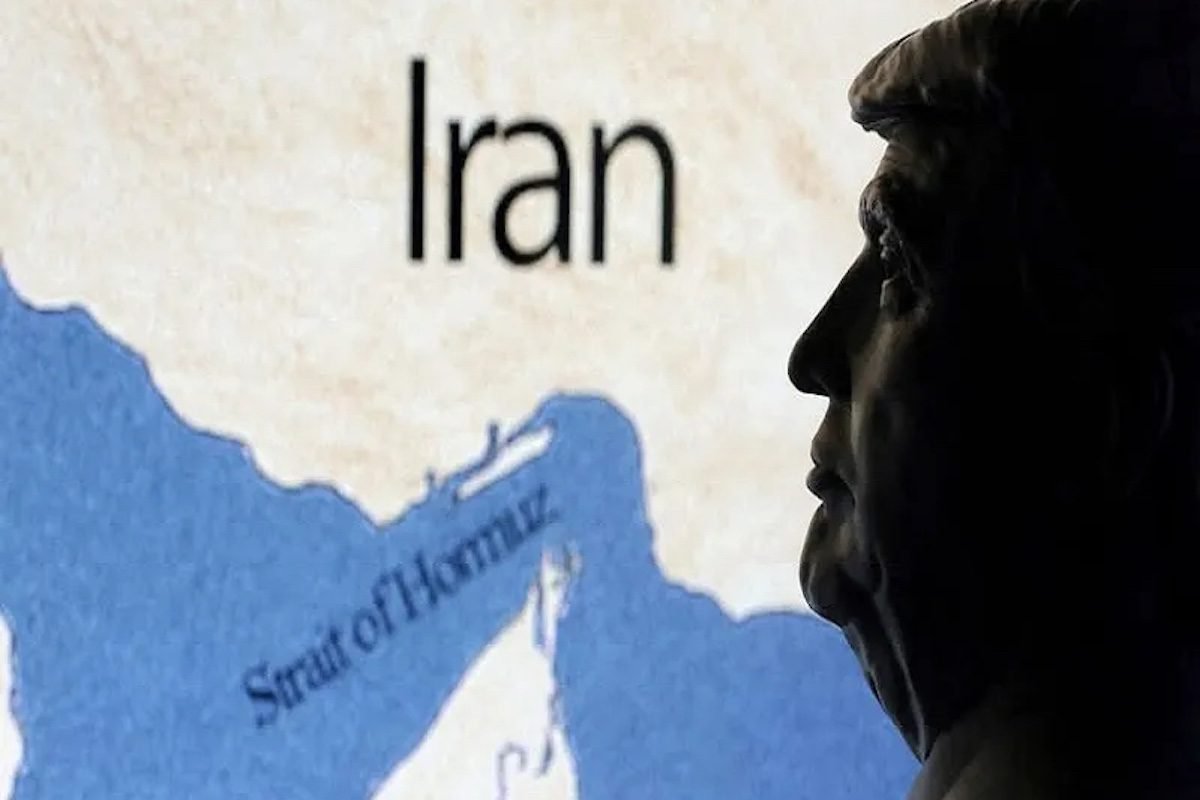

Trump called on China and several other countries over the weekend to join his proposed naval coalition for securing freedom of navigation through the Strait of Hormuz amid the ongoing Iran war.
He then told the Financial Times the following day that “I think China should help too because China gets 90% of its oil from the Straits [sic]…We’d like to know before [my trip to China at month’s end]. It’s [two weeks is] a long time. We may delay.” This substantially raises the stakes of his demand.
If China doesn’t comply and Trump delays his trip, the fragile Sino-US trade truce could unravel, worsening the global economic uncertainty caused by the oil crisis. On the other hand, compliance would lend legitimacy to his proposed naval coalition and likely be seen by Iran as hostile.
Iran has already clarified that the strait is closed only to unfriendly countries – a category that presently does not include China – and a proposal was also reportedly floated for China to begin paying for Iranian oil with yuan.
An estimated 13.4% of the oil that China imported by sea last year came from Iran, while the Gulf Kingdoms (excluding Oman, whose exports flow from the Arabian Sea) and Iraq together contributed around 35%, approximately 48.4%, or nearly half, of China’s seaborne annual oil imports through the strait.
China also holds strategic oil reserves estimated at 1.3 billion barrels, enough for three to four months, and is making rapid progress in implementing its green energy agenda.
Even so, this data confirms that China is economically dependent on the resumption of regular oil imports through the strait, a dependence this analysis argues could be weaponized by the US via control of Iran’s resources and pressure on the Gulf kingdoms to coerce China into a lopsided trade deal.
The goal would be to derail China’s superpower trajectory and then institutionalize a junior relationship with the US. Perpetuating the Iran war and seizing Iranian vessels sending oil to China could advance this agenda as well.
If China subordinates itself to the US by lending legitimacy to his proposed Hormuz naval coalition and pledging to sign a lopsided trade deal during his visit to Beijing, Trump could then de-escalate the conflict and restore the reliability of China’s regional oil imports.
If Chinese leader Xi Jinping defies the demand, however, then Trump could perpetuate the conflict – prolonging the Gulf kingdoms’ drastically reduced oil exports to China, seize Iranian vessels sending oil to China, delay his trip and then intensify their trade war.
The US is still China’s largest single trade partner despite China’s trade diversification since Trump’s first-term trade war, and Washington still wields huge economic and financial influence over many of China’s other trade partners.
A new Sino-US trade war, coupled with drastically reduced oil imports, could hit China hard. In this scenario, Trump might also reach a deal with Russian leader Vladimir Putin first, further worsening China’s negotiating position vis-a-vis the US and potentially leading to more lopsided trade terms being demanded of it.
Trump’s demand that China join his naval coalition is therefore designed to confront Xi with a dilemma. Xi must either subordinate China to the US – lending credibility to this coalition and accepting a lopsided trade deal that formalizes a junior partnership during Trump’s visit — or fight another trade war from a weaker position than before.
The Chinese are historically astute strategists, however, and may yet find a way out of this dilemma.