The European People’s Party Group has called for stronger action to address the growing presence of Chinese state-controlled investors in Europe’s ports, warning that the European Union’s new Ports Strategy must go further to protect critical infrastructure.
In a statement issued following the publication of the strategy by the European Commission, the EPP Group welcomed the initiative as a long-overdue step towards reinforcing the security, resilience and global competitiveness of Europe’s maritime gateways. However, it stressed that concrete safeguards are now required.
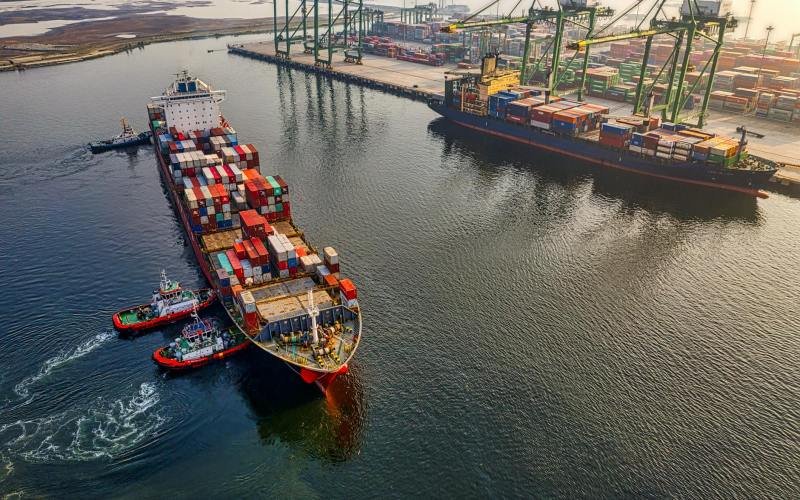
Jens Gieseke MEP, the Group’s spokesperson for transport and tourism, underlined the strategic importance of ports to the EU’s economy. Around 74% of goods entering and leaving the bloc are handled through seaports, making them central not only to trade but also to Europe’s broader economic security framework.
He highlighted that China currently holds stakes in more than twenty European ports, including the Port of Hamburg and the Port of Rotterdam, while the Port of Piraeus is fully controlled by Chinese operators. According to the EPP Group, such exposure in strategic infrastructure cannot be overlooked.
The Group argues that strengthening Europe’s strategic autonomy over its ports is now a necessity, not a choice. It is calling for enhanced investment screening mechanisms, clearer security standards and a coherent European framework to prevent critical infrastructure from being used for political pressure or economic coercion.
The EPP also noted that threats extend beyond foreign state ownership, pointing to organised crime and drug trafficking as additional security challenges requiring stronger coordination at EU level.