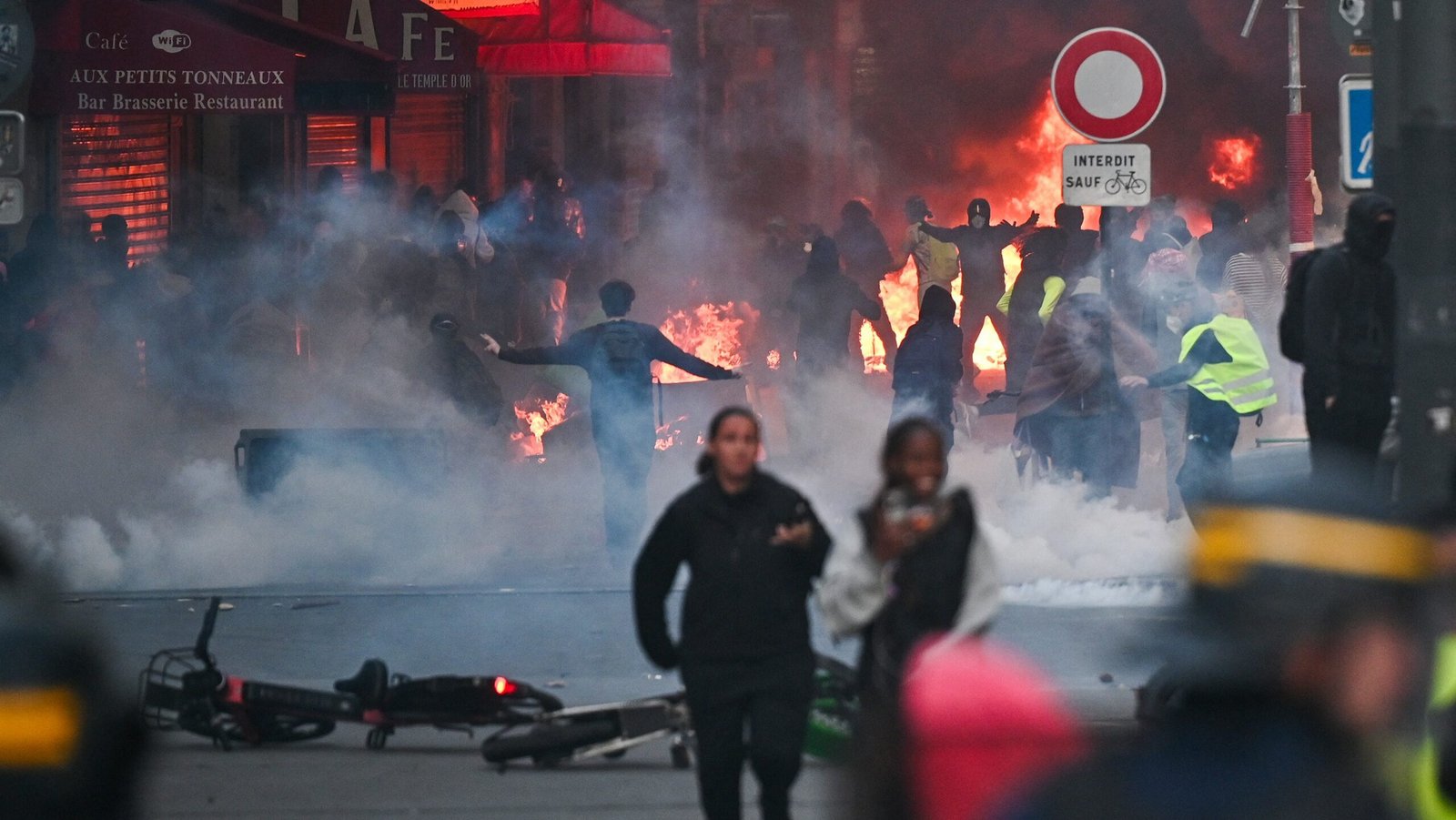
Giorgia Valente follows the upheaval for The Media Line, examining not only why anger spilled into the streets but also who might benefit from the disorder. About 2,400 people were arrested over the weekend, nearly 1,000 police officers and gendarmes were injured, and an arson attack devastated much of Limoges City Hall. Interior Minister Laurent Nuñez offered his resignation; President Emmanuel Macron refused it.
The protests began in September over teacher shortages and overcrowded classrooms, then merged with anger over fuel prices and living costs. Counterterrorism expert Daniele Garofalo cautions against treating legitimate grievances and organized violence as the same phenomenon. “These grievances explain the support for the protests, but they are not sufficient to explain arson, looting, and attacks against institutions,” he told The Media Line.
Claims that Islamist organizations helped orchestrate the riots remain unsubstantiated. Garofalo says there is insufficient evidence of a significant operational role by the Muslim Brotherhood or other Islamist groups, while warning that extremists can exploit turmoil for recruitment, propaganda, and influence without having instigated it.
Online mobilization presents another challenge. Videos about the October 17 protests amassed approximately 132 million TikTok views, and analyst Sharon Adarlo raises concerns about attention-seeking behavior and potential foreign interference. French monitoring officials detected only limited opportunistic foreign activity, not evidence that Russia directed the unrest.
Police now face competing demands for firmness and restraint. In Saint-Étienne, a 17-year-old lost his right hand after a grenade launched by security forces exploded, an incident under investigation. Unions still plan demonstrations for November 5, while budget pressures hamper the government’s ability to address the original complaints.
The competing evidence and expert assessments in Valente’s full account deserve closer attention as France approaches its 2027 presidential election. Garofalo’s greatest concern is that anger with the government could turn into distrust of France’s institutions themselves.