Iran is intensifying attacks on commercial shipping in the Strait of Hormuz to keep oil prices high and pressure Washington ahead of November’s US elections, Iranian officials told Reuters on Wednesday, as Houthi missile strikes damaged a Saudi Aramco building and injured four people in Riyadh. The escalation comes as President Donald Trump and Israeli Prime Minister Benjamin Netanyahu consider possible renewed military action against Tehran.
Two senior Iranian officials told Reuters that Tehran changed its maritime tactics approximately 10 days ago, increasing attacks on vessels it considers in violation of its restrictions. Operations have expanded beyond Hormuz into the Gulf of Oman and waters near Qatar and the United Arab Emirates.
A US military official said Iran’s Islamic Revolutionary Guard Corps was using observers in small boats to identify targets after American strikes damaged Iranian radar systems. Maritime security reports recorded at least five incidents involving commercial vessels over 48 hours.
Before the war began on February 28, approximately one-fifth of global oil and liquefied natural gas trade passed through Hormuz. Disruptions have since driven up energy and shipping costs.
Meanwhile, Saudi Arabia reported that an attack Tuesday evening struck an administrative building at Saudi Aramco’s headquarters complex in Dhahran, starting a limited fire. A company source told Reuters that a ballistic missile damaged the upper three floors of an office tower. Saudi authorities reported no casualties at the site.
In Riyadh, falling debris from two intercepted Houthi cruise missiles injured two women, a man, and a child, according to Saudi Civil Defense. Fifteen homes sustained minor damage.
The attacks followed Saudi-led coalition airstrikes against Houthi-controlled fuel facilities in Yemen. Coalition officials said the installations supported Houthi military operations, an allegation Houthi authorities disputed. The confrontation has intensified following a deadly attack on Riyadh’s international airport that killed 13 people.
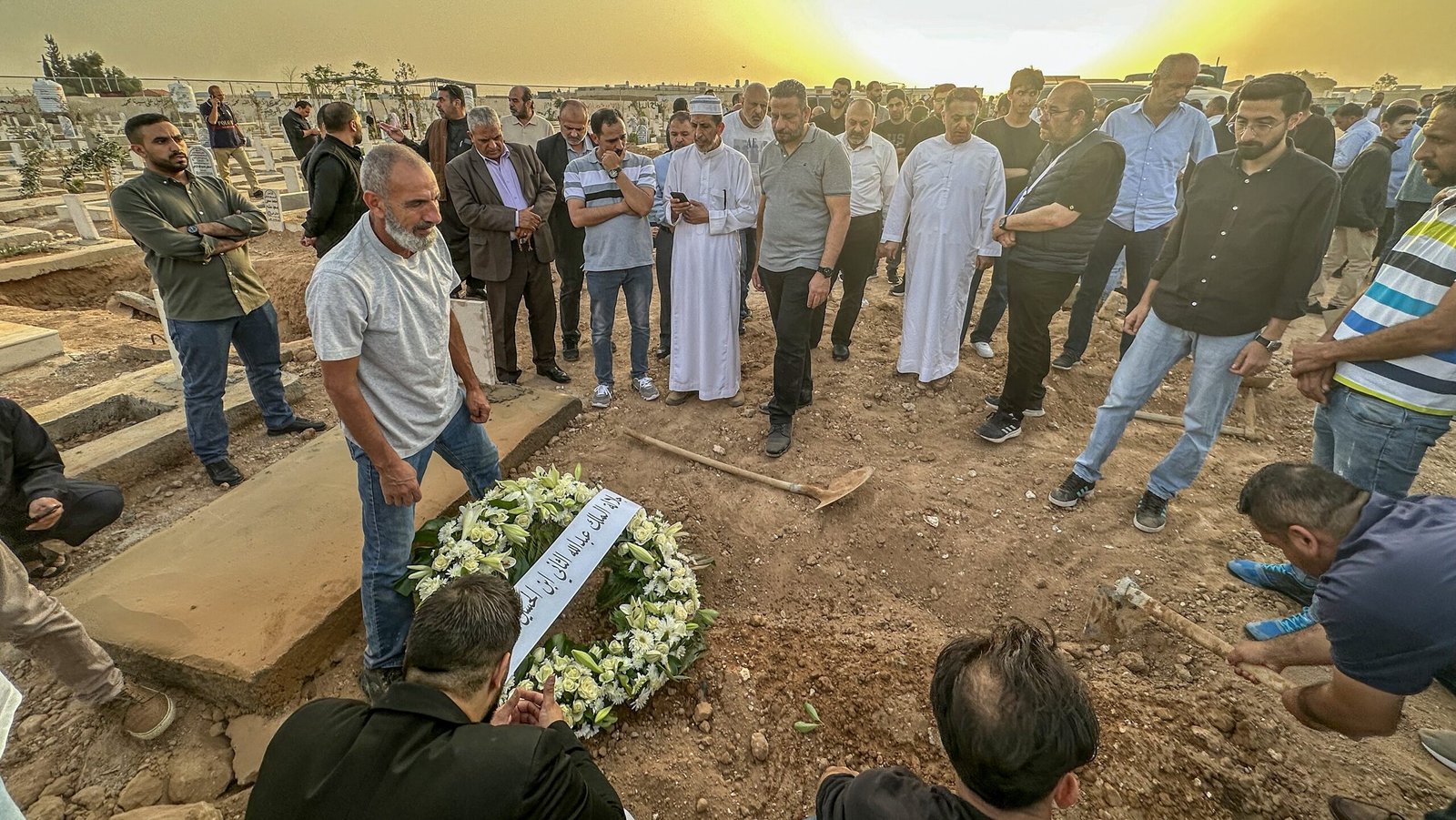
In Jordan, mourners gathered Monday for the funeral of Mahmoud Hussein Birkawi, a 33-year-old Jordanian father of two killed in Saturday’s attack on King Khalid International Airport in Riyadh. Birkawi, who had worked in Saudi Arabia for nearly two years, was buried at Sahab Cemetery near Amman after his body was returned to Jordan by road. Royal Hashemite Court Chief Yousef al-Issawi attended the funeral and conveyed condolences from King Abdullah II and Crown Prince Hussein.
The regional escalation coincides with conflicting reports about possible renewed US-Israeli strikes on Iran.
Israel’s Channel 12 reported Tuesday that Netanyahu had urged President Trump to authorize another military operation before Israel’s October 27 election and the November 3 US midterms, citing concerns about Iran’s nuclear activities.
Netanyahu’s office denied that he was pressing for a preelection attack. President Trump has publicly ruled out renewed American strikes before the midterms, although US and Israeli forces reportedly remain prepared for further operations.
The Israeli military reportedly believes Iran is rebuilding its missile capabilities, although the recovery remains incomplete.
With Tehran threatening tighter restrictions on Hormuz and the Houthis striking Saudi targets, the potential for further regional escalation remains substantial. The US Navy-led Joint Maritime Information Center has classified the threat to commercial shipping in Hormuz as severe, its second-highest warning level.