Perhaps the days when auto shows debuted new models aren’t entirely over. The big trade shows for cars were a gateway drug for many, expos where you could see the newest models of today and the concepts of tomorrow. But automakers increasingly got tired of sharing the spotlight with each other. New reveals moved offsite to events the night or even the week before the show itself. One by one, brands pulled out of auto show after auto show until there was little left to see. And then the pandemic hit.
But the news out of Paris, where its auto show held media day yesterday, seems like we stepped back into a time when automakers would debut new cars aplenty. That retro vibe extends to the cars themselves, with plenty of familiar nameplates reimagined.
France’s Renault has a long and glorious history of delightful concept cars, and more on what it brought to Paris later. But the star of the show was arguably Stellantis, with strong work from Citroen, Peugeot, and Fiat, to name but three. But this article is meant to irritate you, because I’m pretty sure none of the stuff you’re seeing here will come to the United States. And it’s doubly irritating considering what Stellantis’ brands do offer us over here, doubling down on the same malign trends I saw back in 2020: did you know they’re about to relaunch a V8 Hellcat-powered Charger?
EVs can be small and cheap, apparently
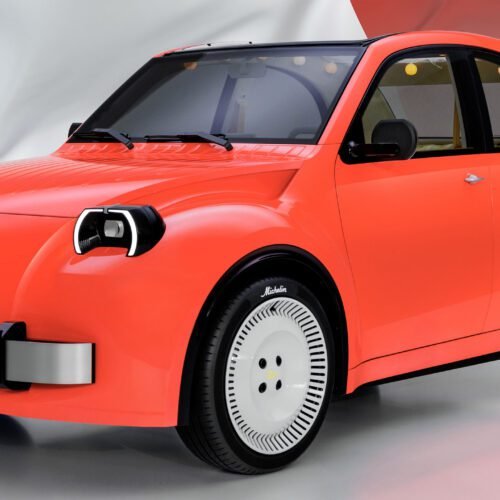
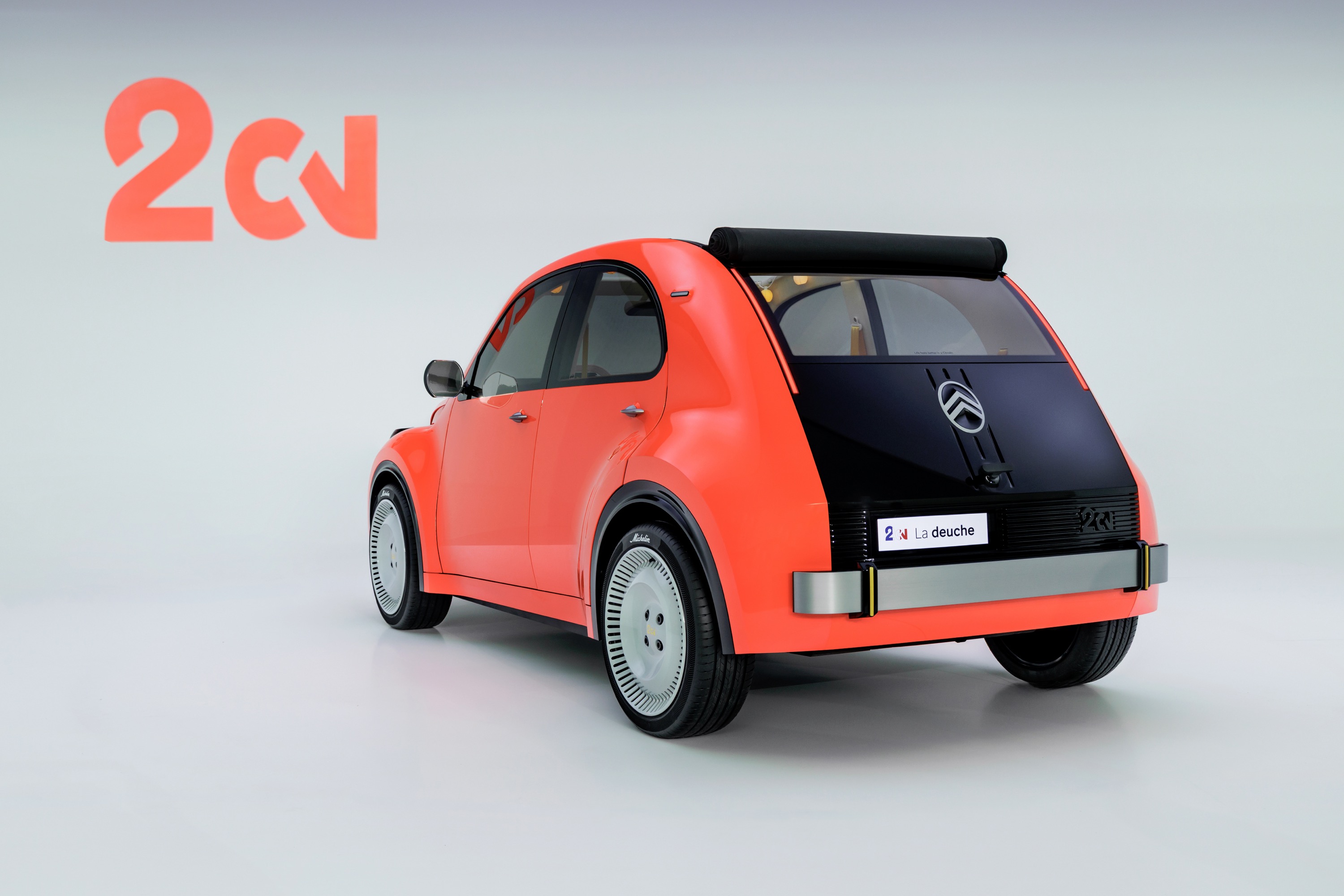
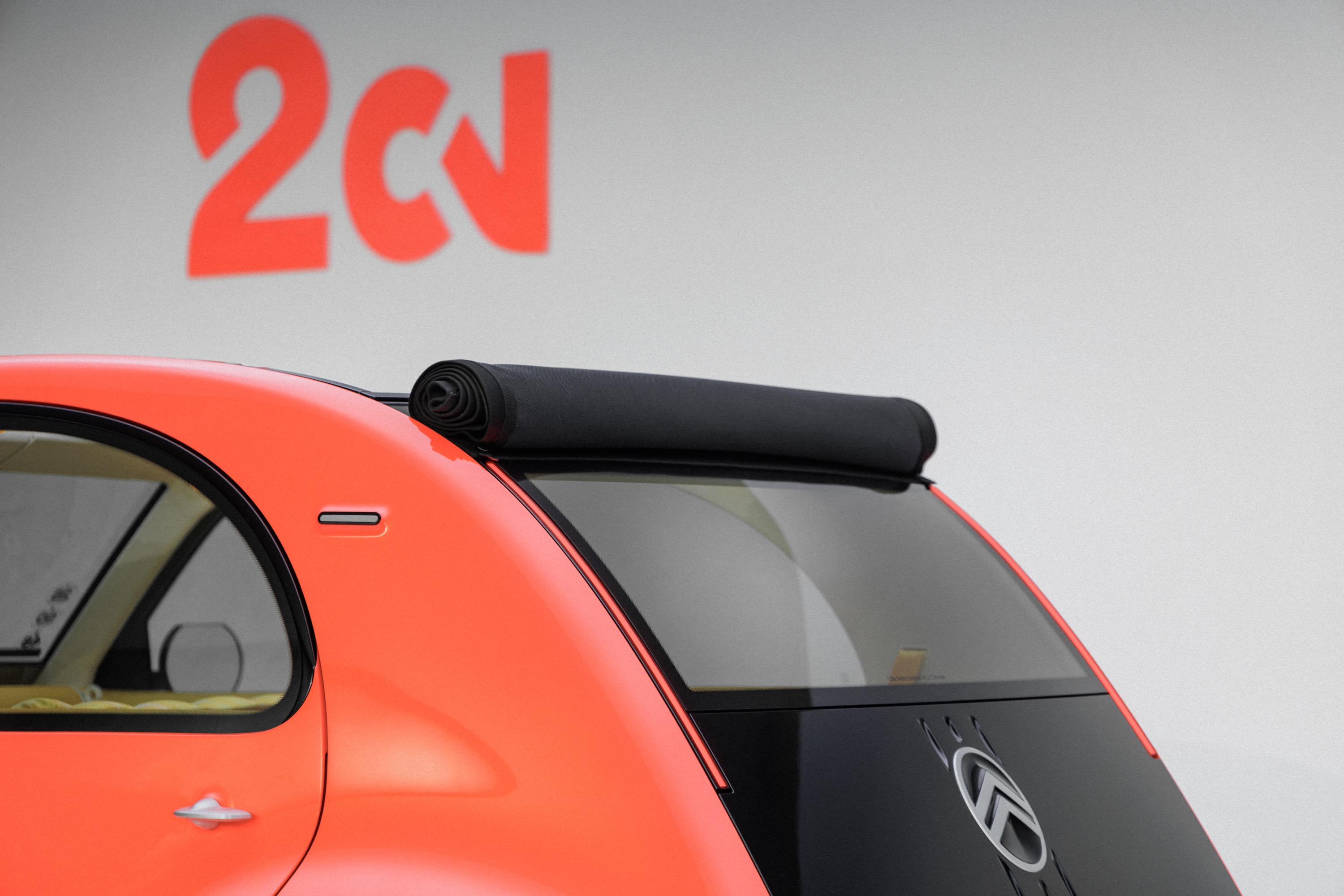
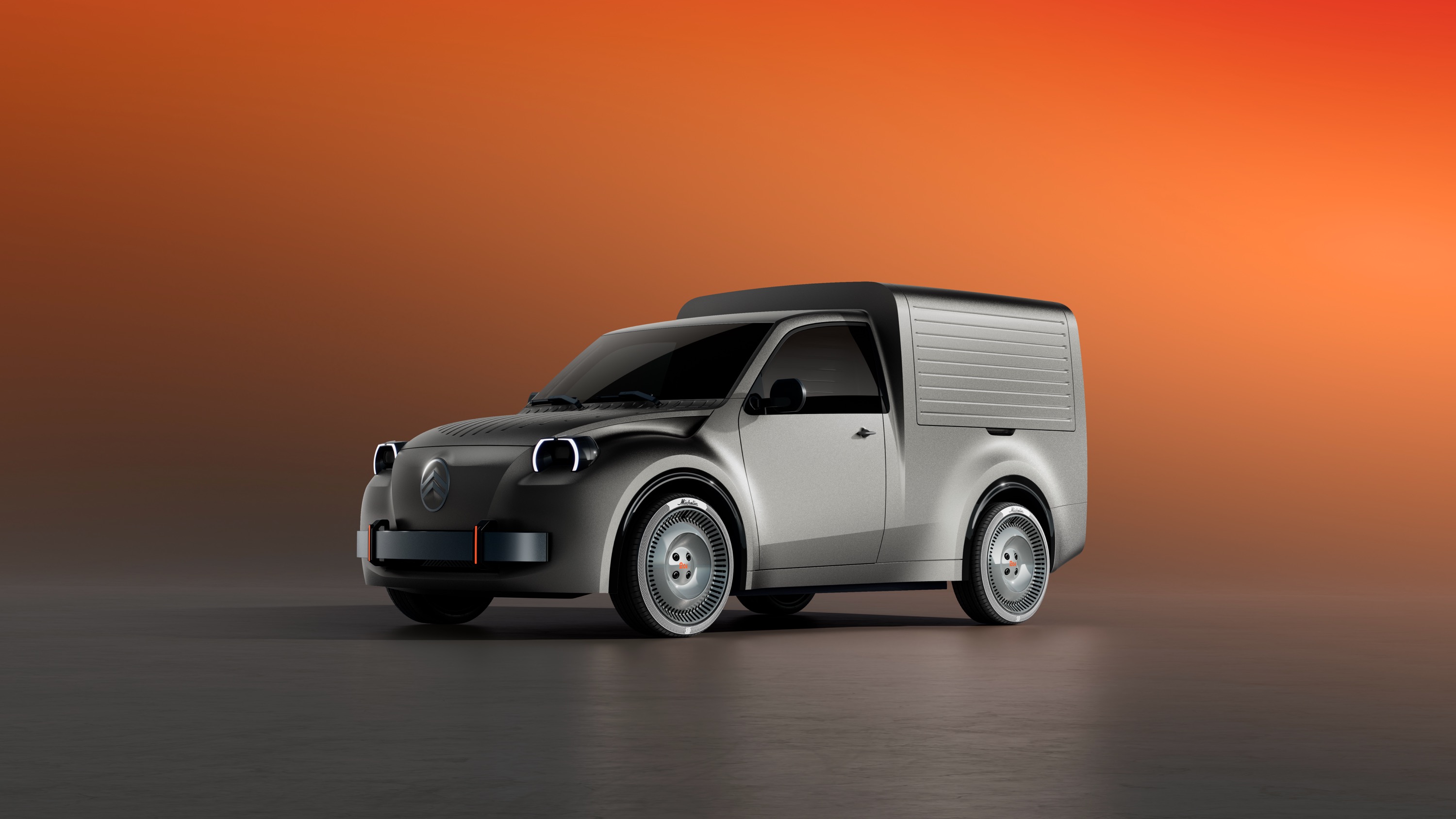
The European concepts show us that, as those Kneecap chaps have it, there’s a better way to live. A sense of utopia was responsible for the original Citroen 2 CV; it had to be cheap enough for a farmer to buy it and rugged enough to get produce to market without breaking it. I’m not sure whether the 2 CV Concept also has to be able to transport eggs across a rutted field without breaking any (although the glove box is a clue), but Citroen says that affordability, lightness, practicality, and versatility were top of mind during the design process. The press release probably didn’t need to also say the company imbued it with distinctive character or charm; that’s quite obvious from the design.
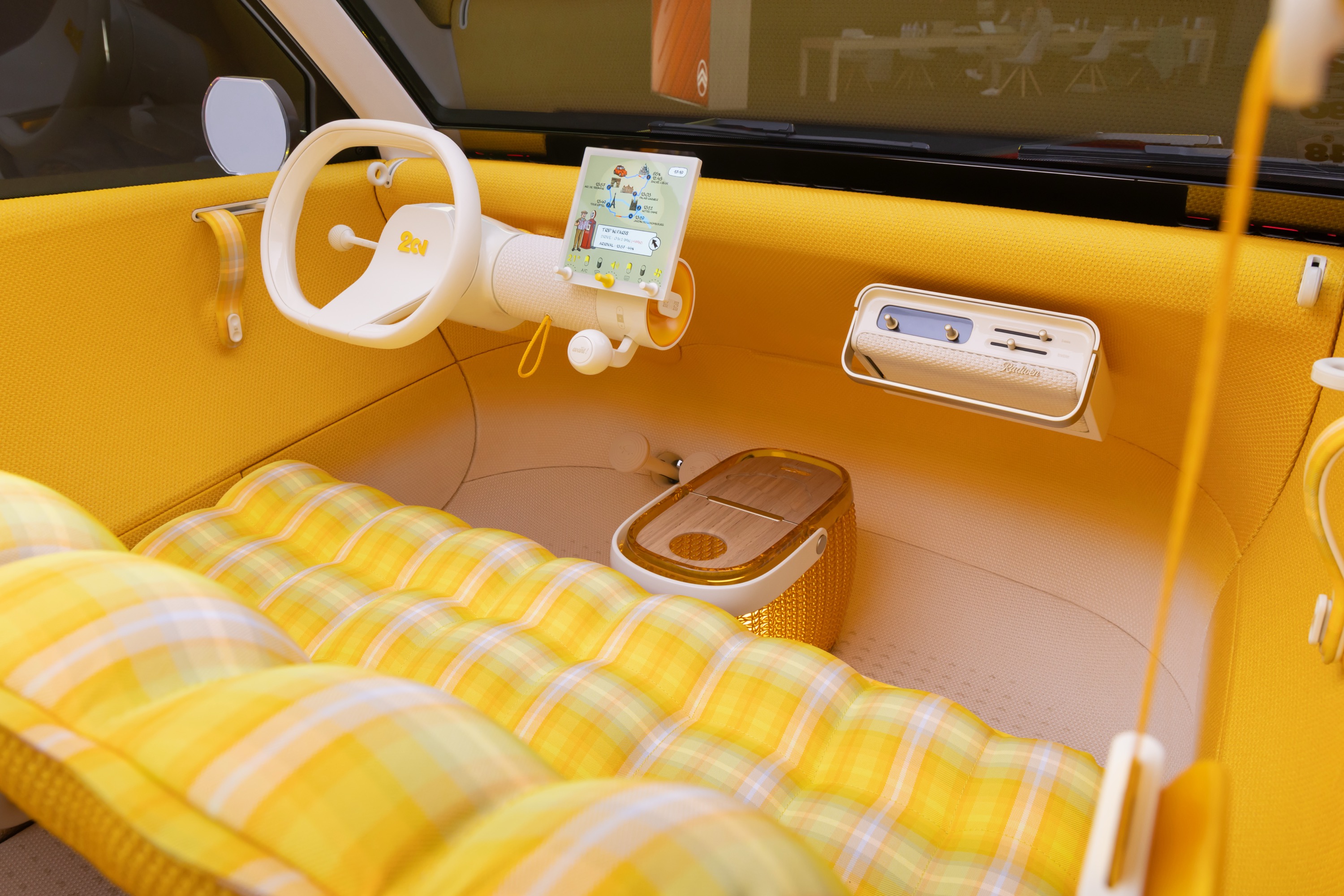

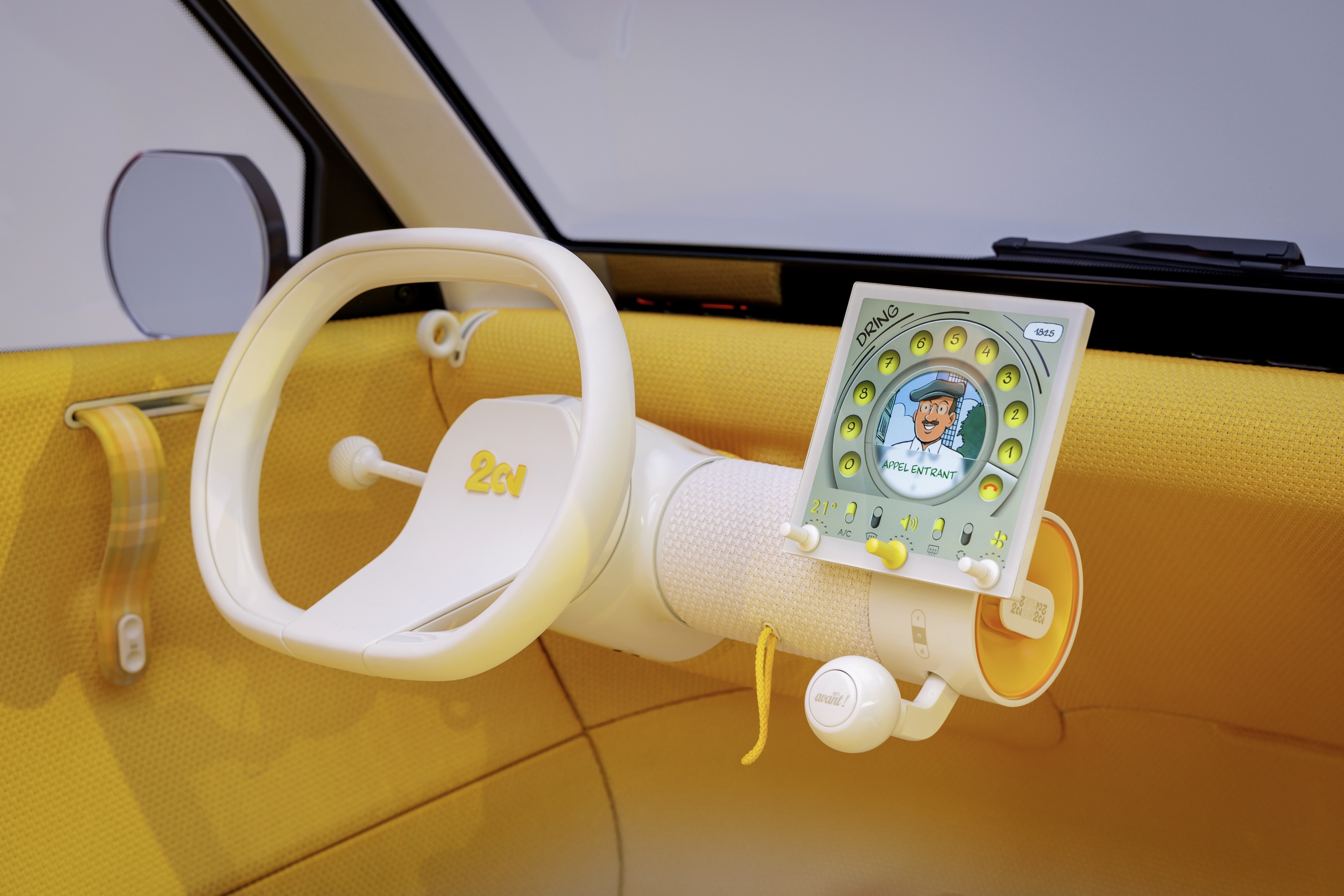
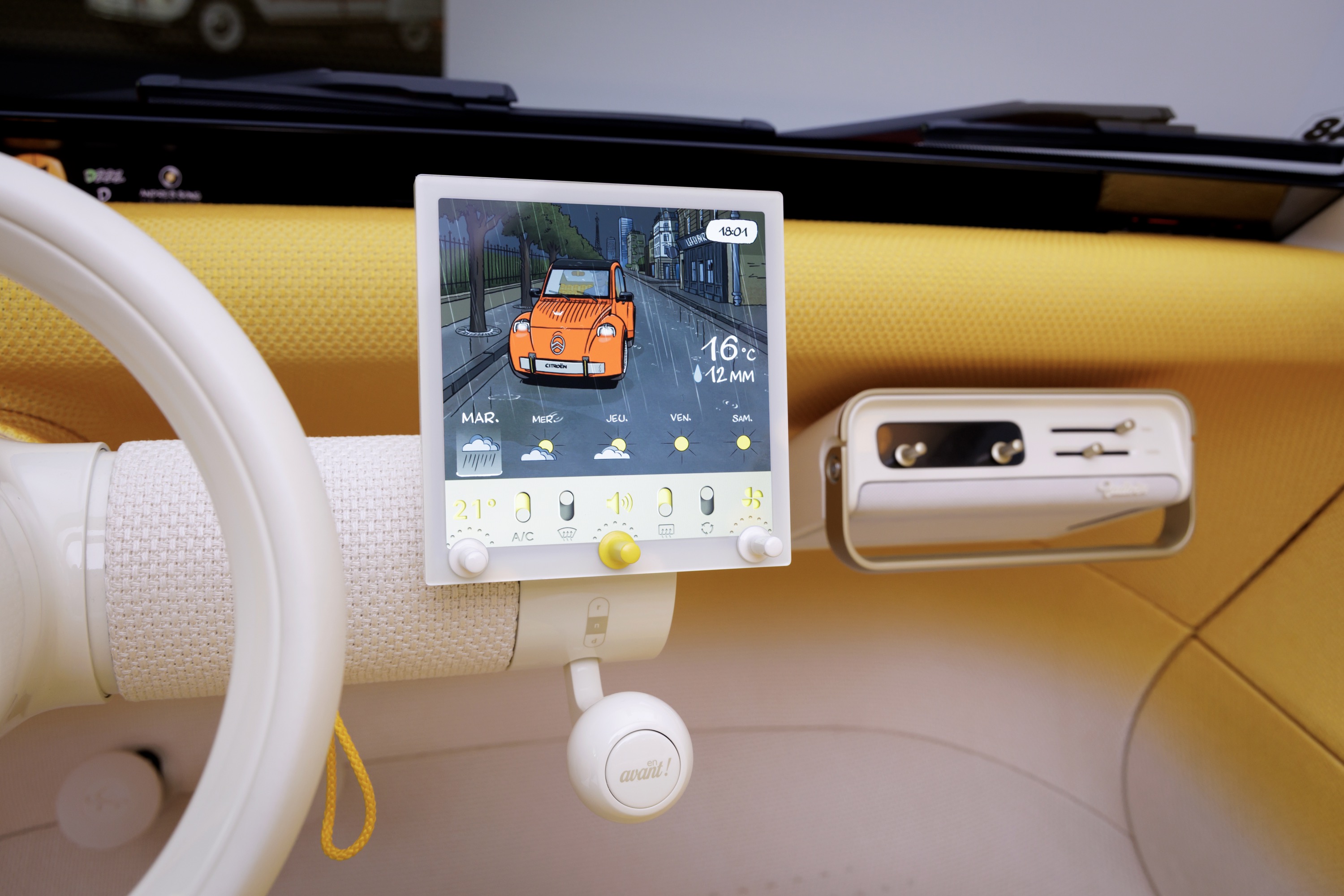
The interior feels particularly refreshing compared to the touchscreen overload we’re usually presented with. It might be stripped back, but there’s still plenty of whimsy—the display in front of the driver has a bande destine theme, and the radio is portable and removable from the car. Technology fans don’t despair, there’s still the 8-inch touchscreen, but this too features more of Belgian comic artist Jean-Luc Duval’s work.
I’m even confident some of that whimsy will make it into production, because Citroen is going to build the 2 CV within the next two years, it says, and at a starting price of just 15,000 euros ($16,766). That slots it between low-speed microcars like the Renault Twizy, Citroen Ami, and the Fiat Topolino (which you can buy if you live in Michigan), and superminis like Volkswagen’s Polo.
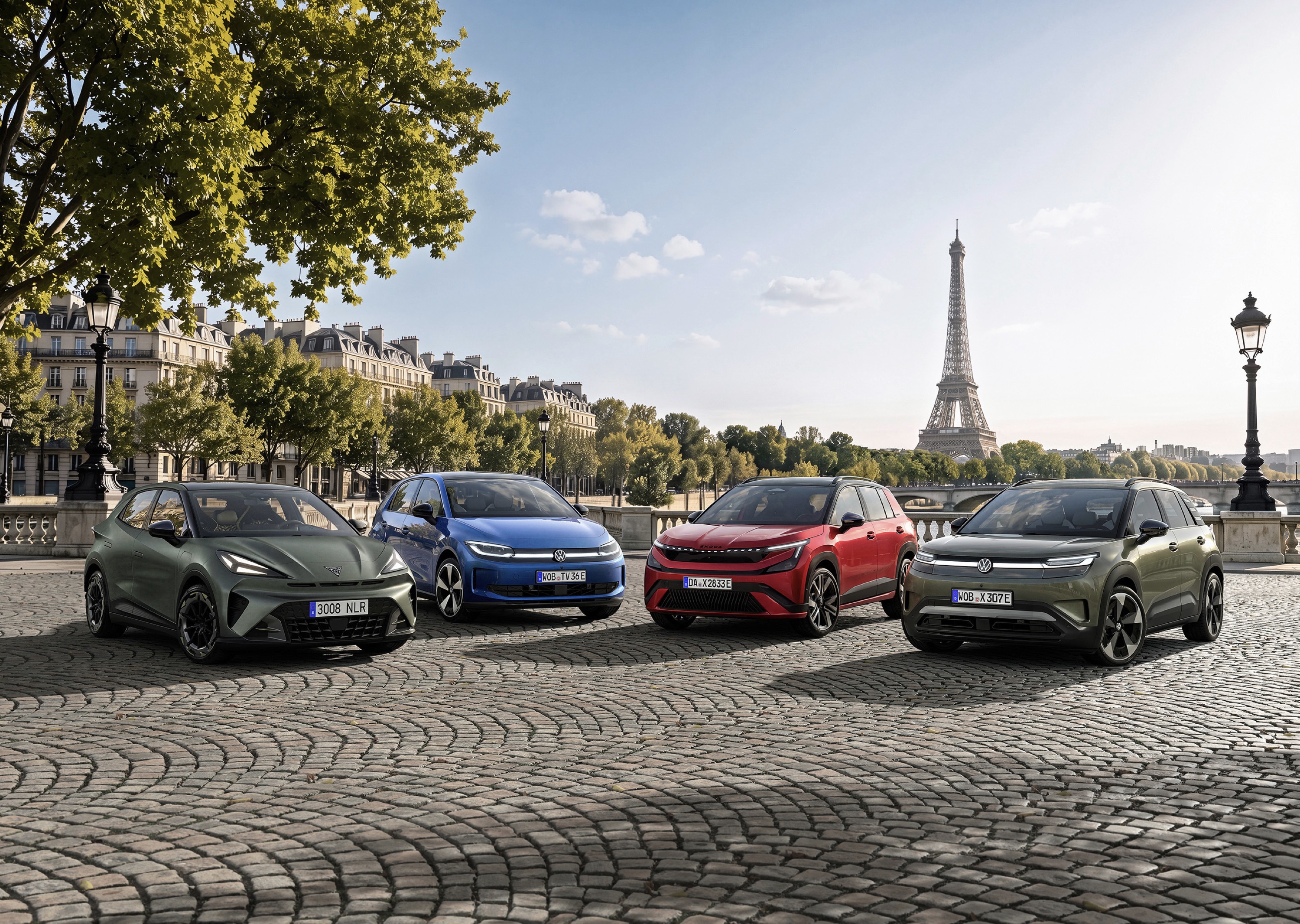
And as it happens, VW had a new electric ID. Polo to show off in Paris, along with an affordable electric ID. Cross crossover. Together with the closely related Cupra Raval and Skoda Epiq, VW Group says it has more than 150,000 orders already for its new “Electric Urban Car Family.”
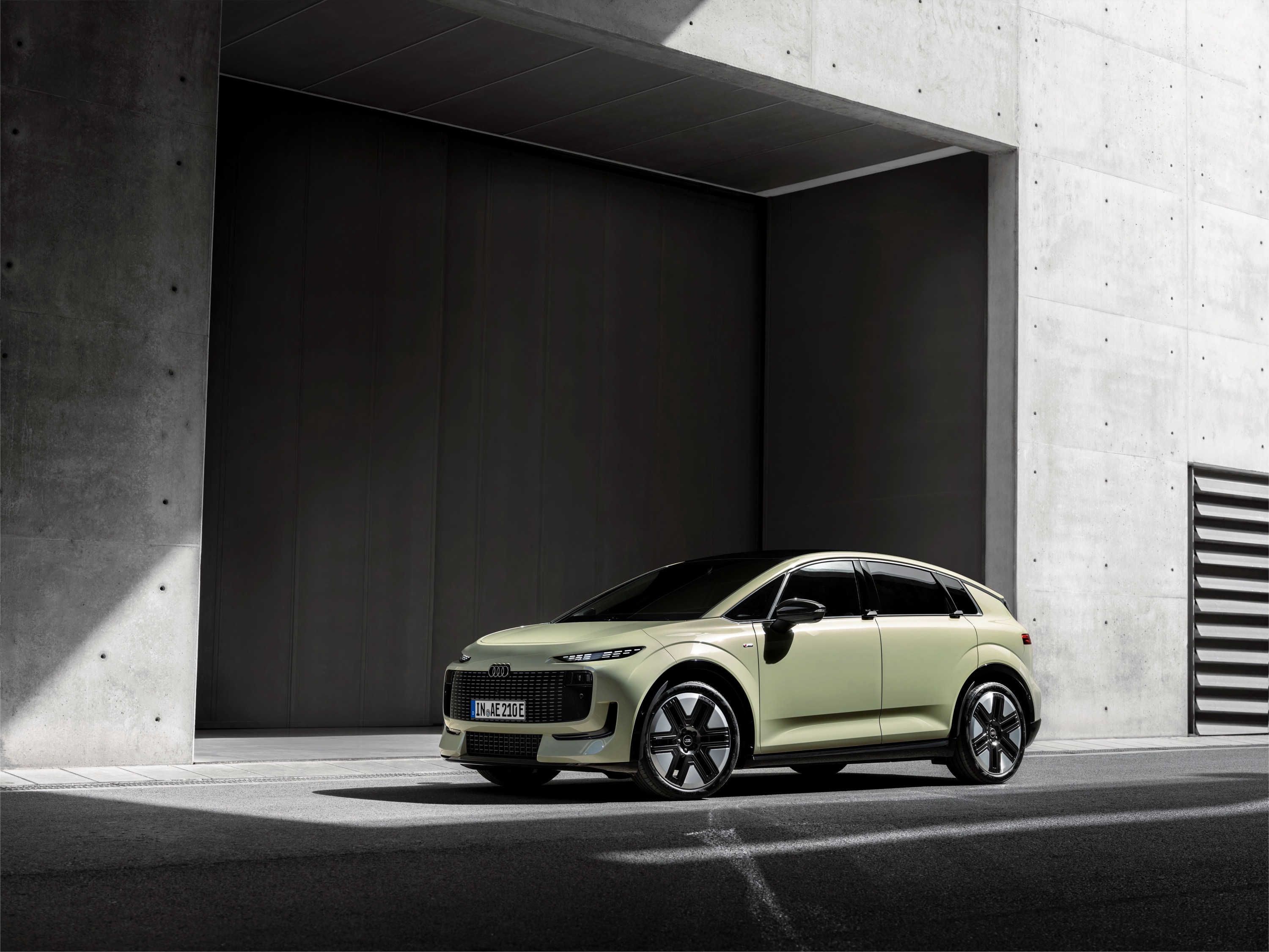
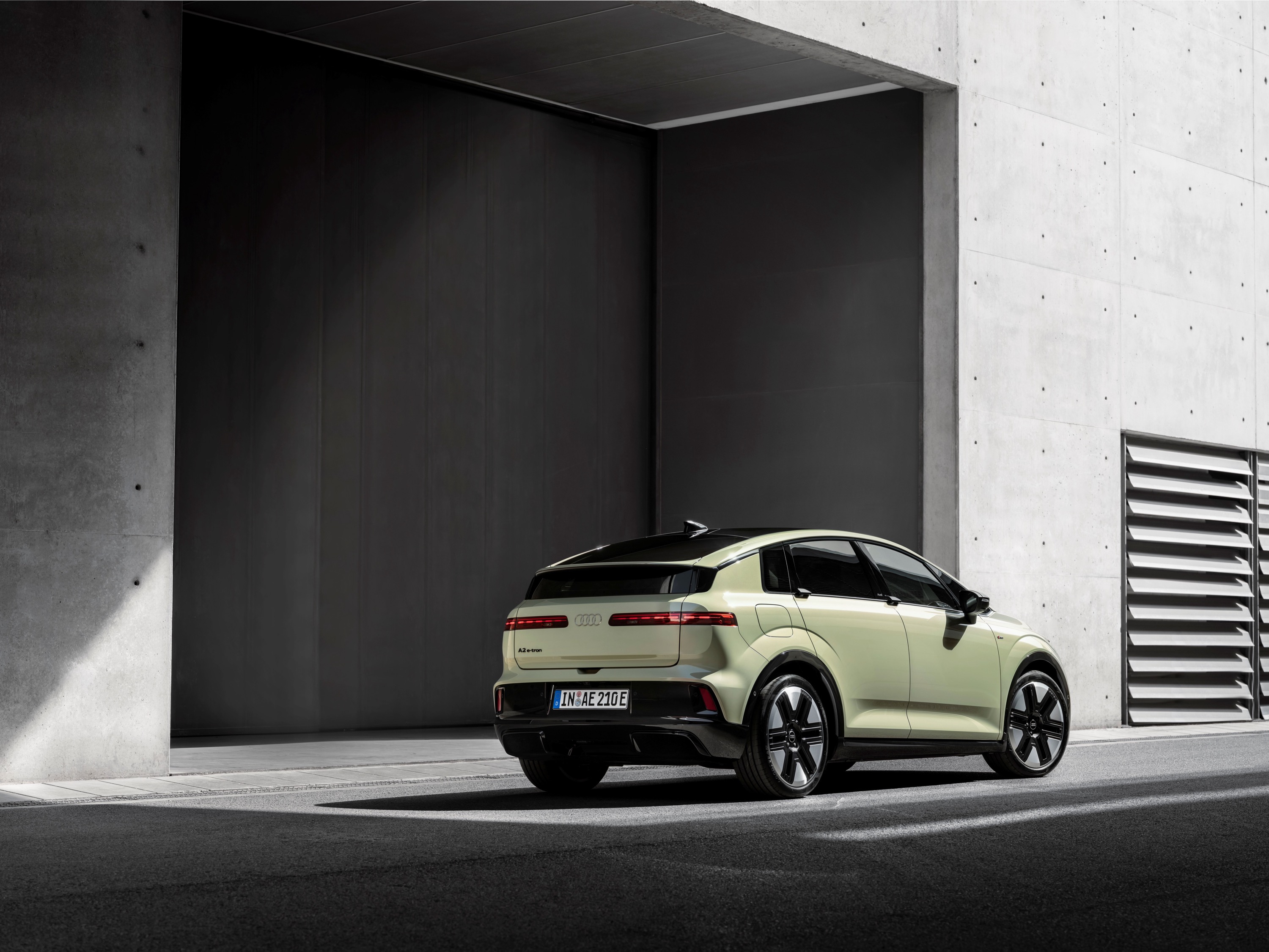
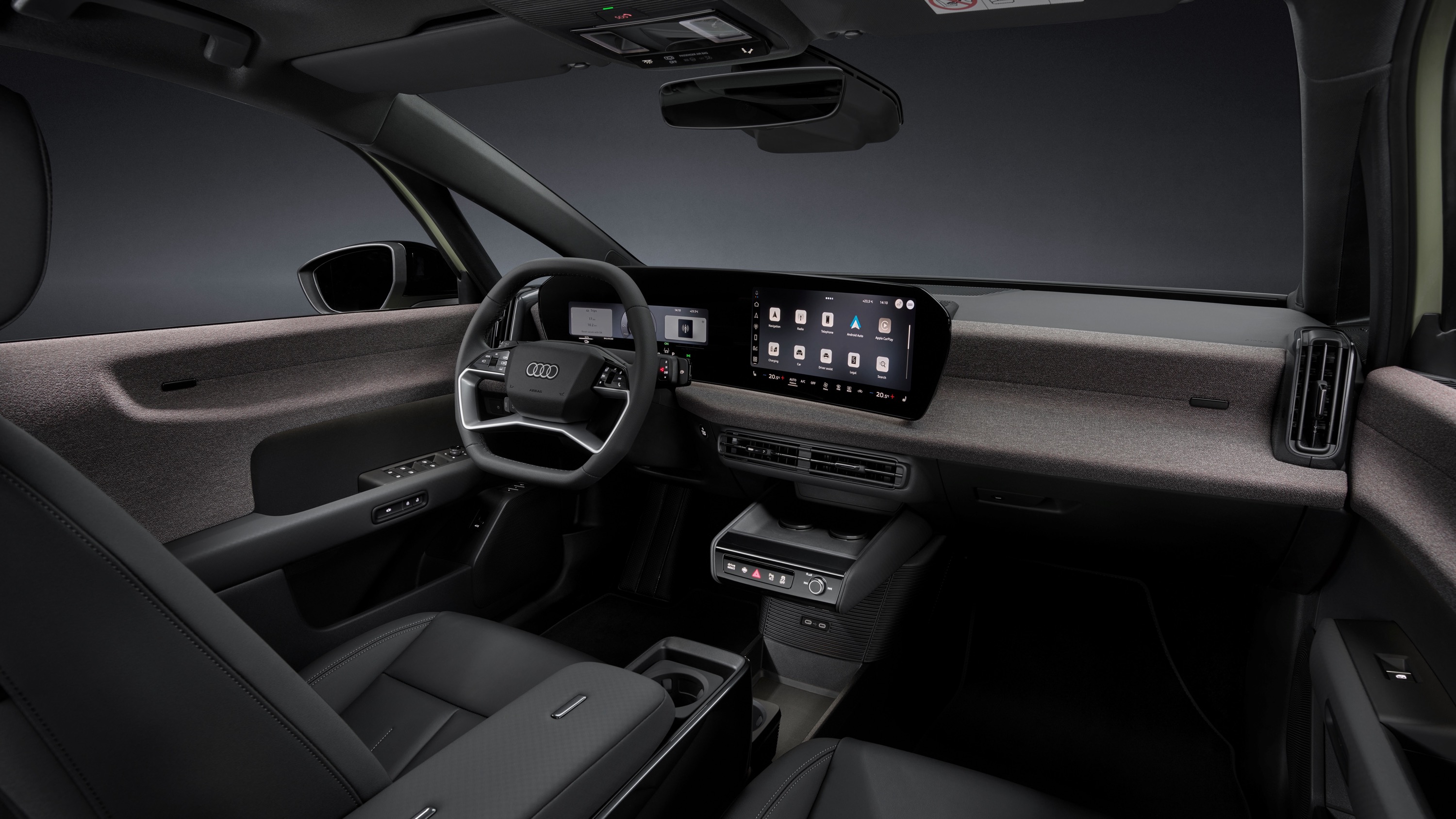
Audi’s first attempt at a supermini was the esoteric A2, an aluminum and aerodynamic experiment from the wild days of Ferdinand Piëch. Like the original, the Audi A2 e-tron is an efficient little thing—its most efficient car ever it says, with a WLTP rating of miles/kWh (12.8 kWh/100 km). As one might expect, I was a big fan of the original A2, which was always a rarer sight on the roads than it deserved to be. I can definitely see that car in the A2 e-tron’s design, and the promised efficiency sounds impressive even if there might not be quite the same excessive and cost-ineffective overengineering under the skin. I can’t see any way that Audi brings this car to America, just like we never saw the first A2, or the A1.
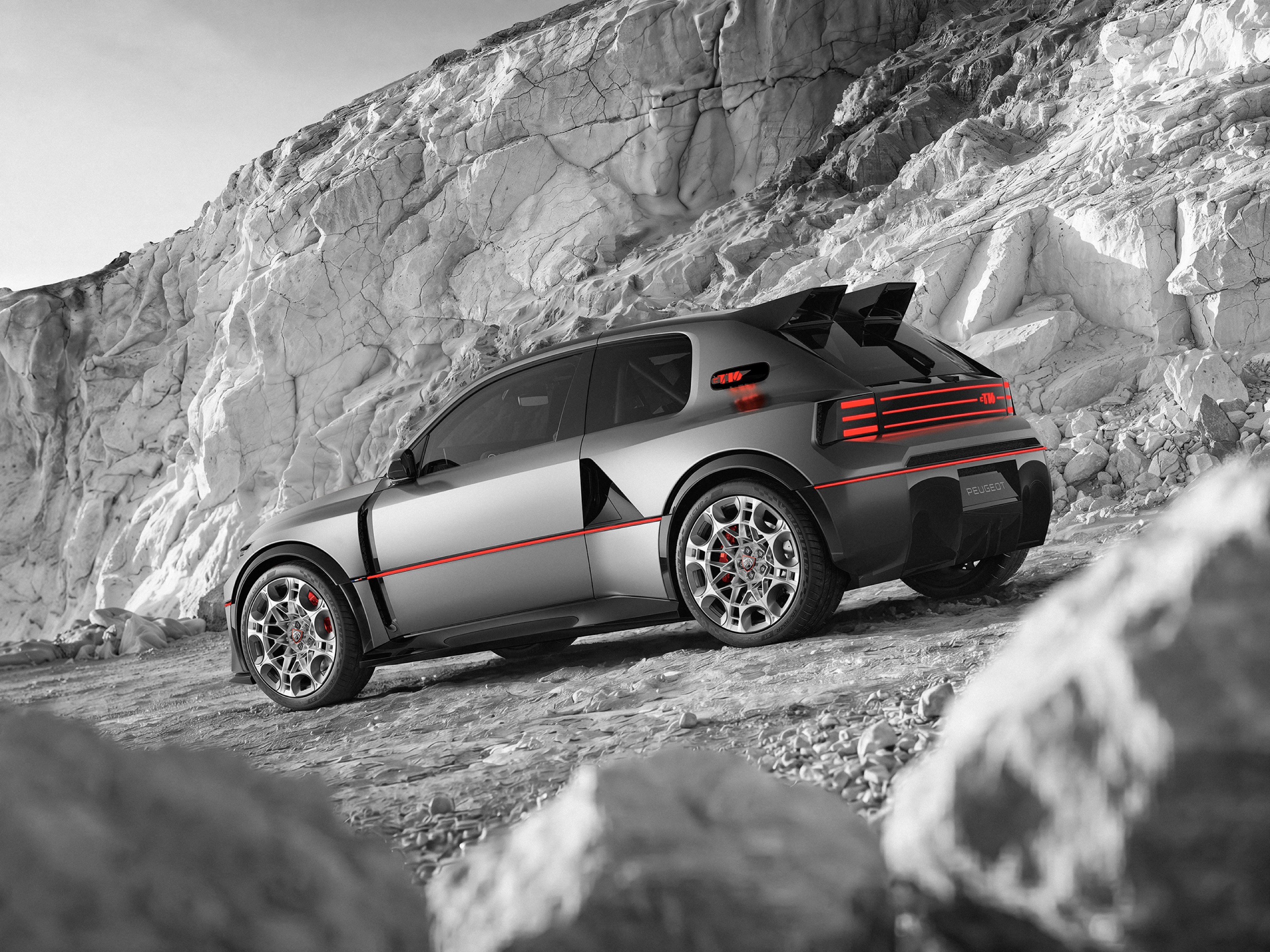
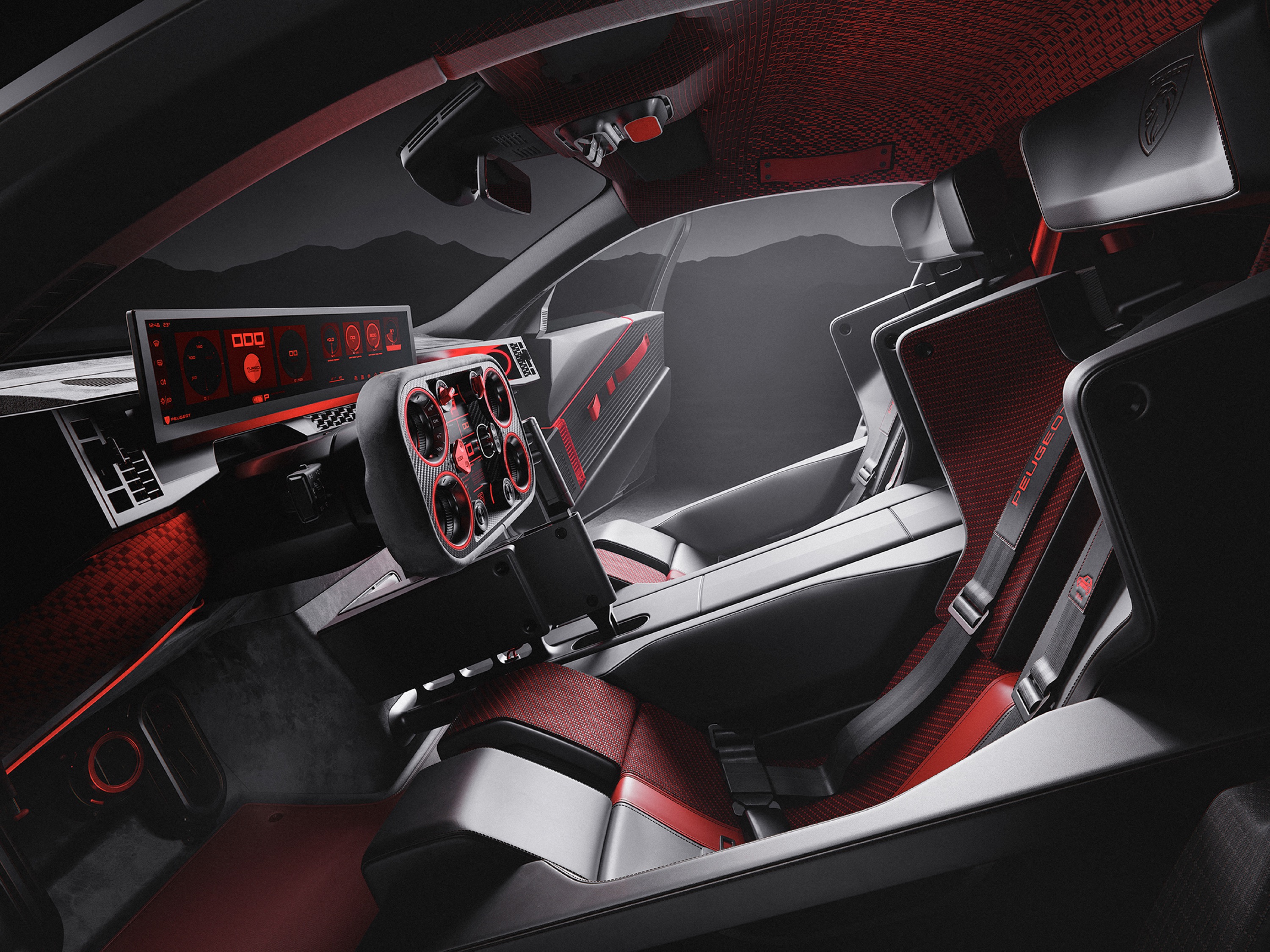
The Peugeot 205 GTi was a Gallic alternative to the late ’80s-era Golf GTIs that Americans will be familiar with, and it’s into this well that Peugeot dipped for Paris. Or rather, the wild 205 T16 Group B rally homologation special that the 205 GTi gave birth to, a car that won the world Rally Championships in 1985–86. Like the Renault 5 Turbo 3e from last year, the E-T16 Concept shows us that hatchbacks needn’t just be humble devices for running errands; they can excite, too. I’m not entirely sure about that multifunction steering wheel, though.
What if I need something bigger?
“But Jonathan, I don’t live a block from a metro station, and I need something a bit bigger to cope with my family,” you say. It is true that cars like the 2 CV or ID. Polo will be too small for some. This is true for Europeans as well, and both Renault and Fiat had something for these segments.
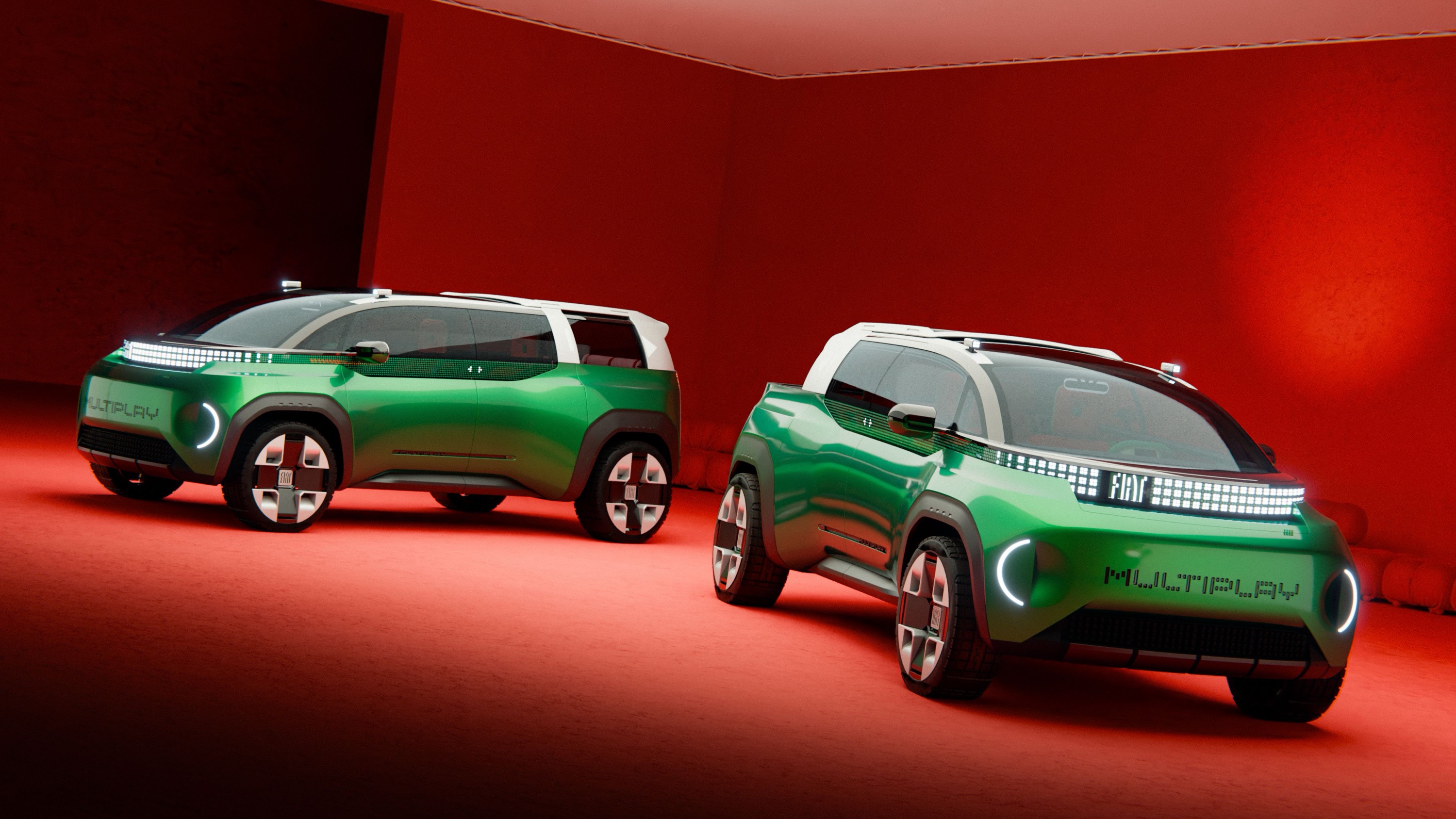
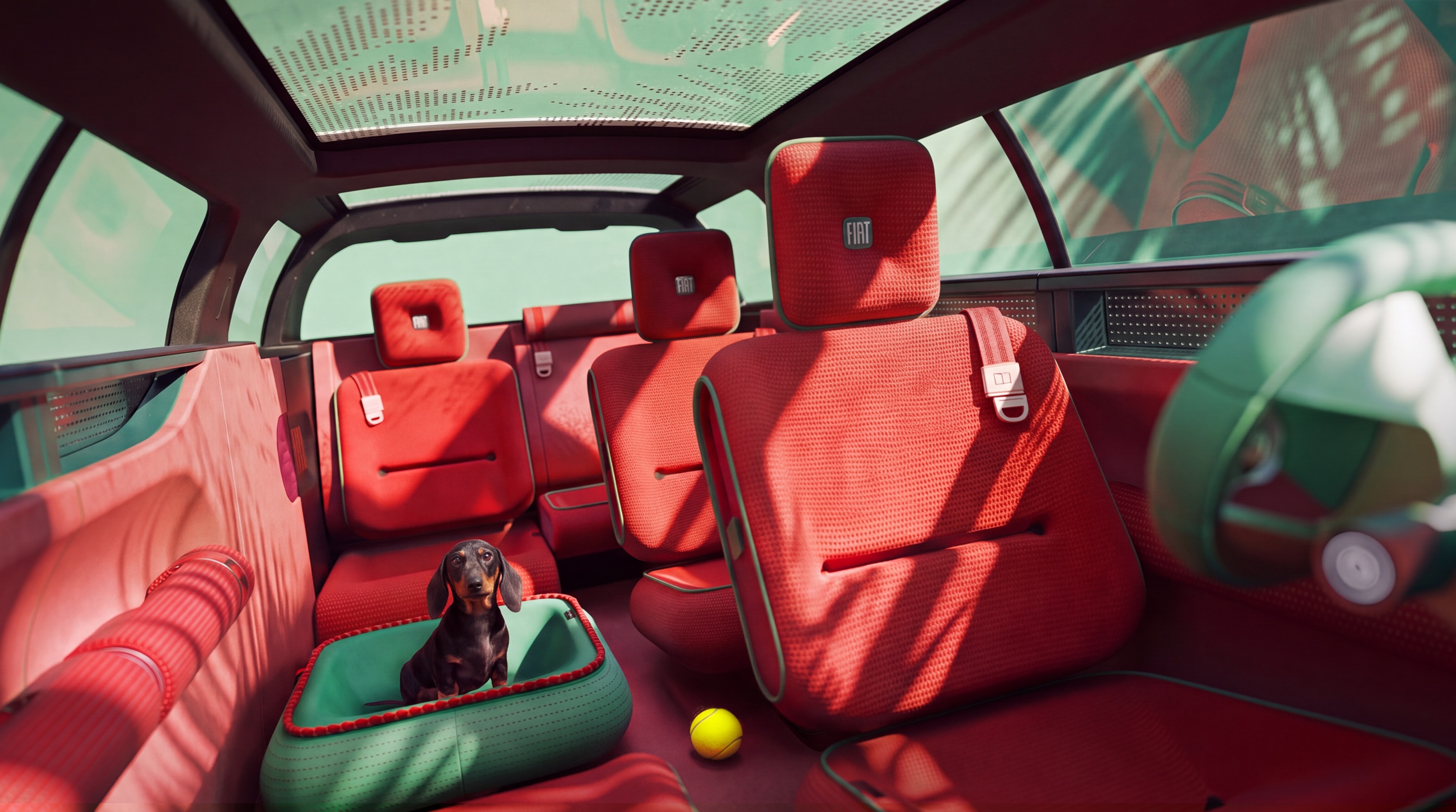
The original Fiat Multiplay is another criminally under-appreciated car from the late ’90s. The styling was challenging to some, but it was a masterclass in space efficiency, seating six in two rows of three-abreast. Rather than simply copy that, but with a slab of batteries under the cabin, the Fiat Multiplay explores the idea of a vehicle that’s adaptable, transforming from a three-row people carrier to a pickup. The front passenger seat can be reconfigured as a lounger, and there’s a “Petsenger” seat—a modular mounting point that allows you to swap in a pet bed, child’s car seat, storage compartment, or small table.
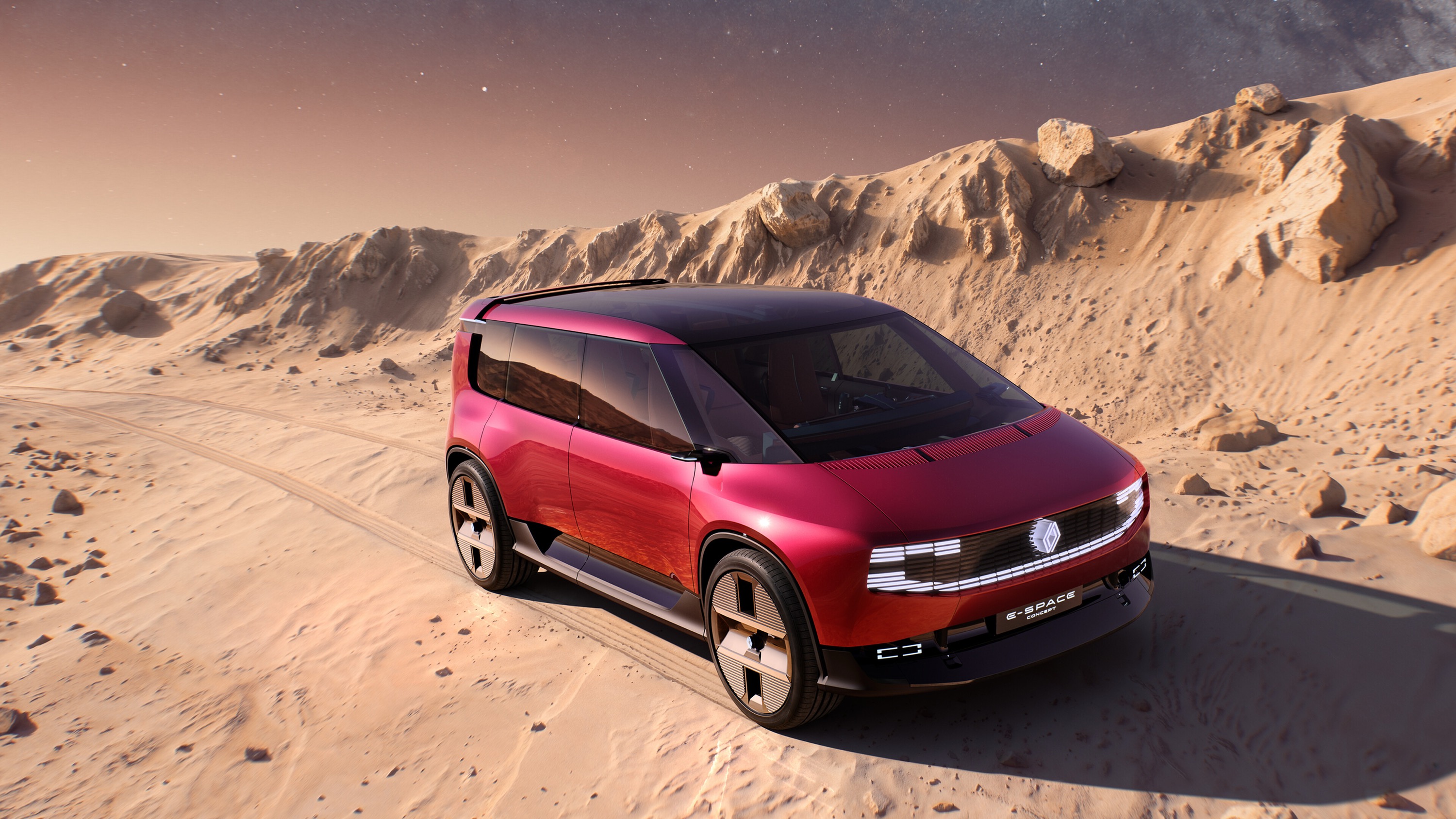
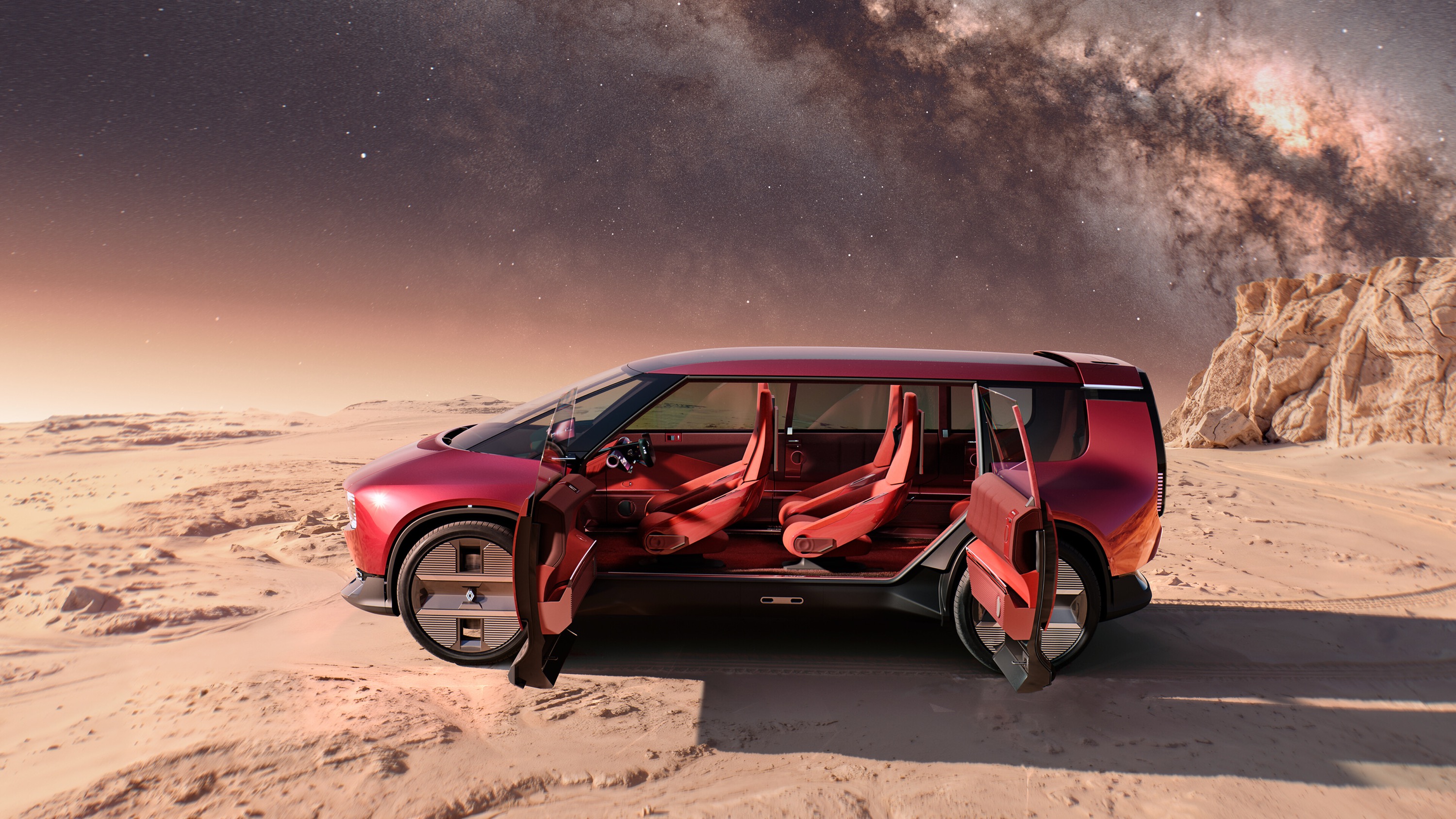
The original Renault Espace was very much loved and created the people-carrier segment out of thin air, at least in Europe. The familiar one-box shape remains for the new E-Space Concept, although with massive 23-inch wheels at the corners, the proportions are a little more Hot Wheels or Matchbox than the 1984 version. (Even in Europe, car designers are drawn to oversized wheels.)
There is a criminal lack of electric minivans on the market today, and the only one available here in the US is the VW ID. Buzz. And that sold so poorly that VW suspended imports for a model year. Which probably tells you how likely a US launch for a production E-Space would be.