At Reichman University, experts focused on preventing another October 7. At the national civilian memorial, tens of thousands heard calls for an investigation into why the massacre was not prevented.
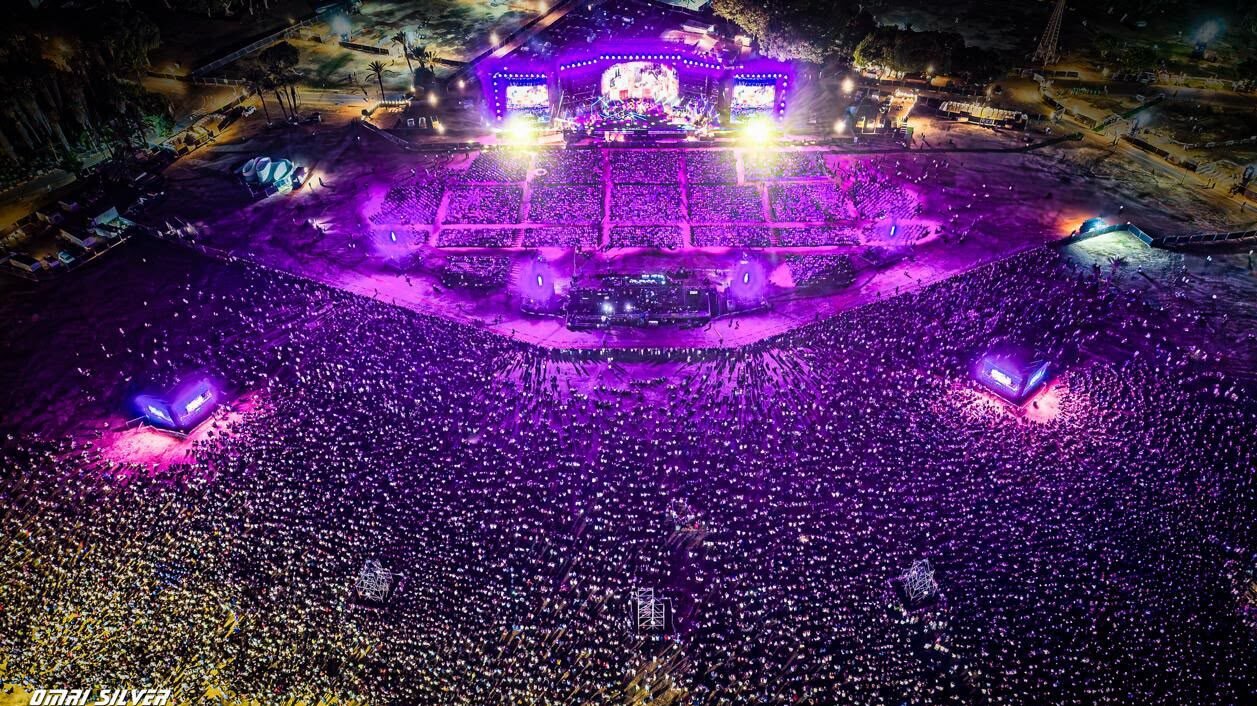
“Mutual responsibility alone is not enough,” Omri Shifroni told tens of thousands of Israelis gathered in Tel Aviv’s Yarkon Park on Wednesday for the October 7 memorial ceremony. Three years after four members of his family were murdered in Kibbutz Be’eri, Shifroni stood before an event organized by families and volunteers and returned to an issue that remains unresolved. “To rebuild trust, we also need the truth. We must know what happened. Without investigating the truth, we cannot fix things, and we cannot make sure it never happens again.” The appeal drew applause from a crowd of about 50,000.
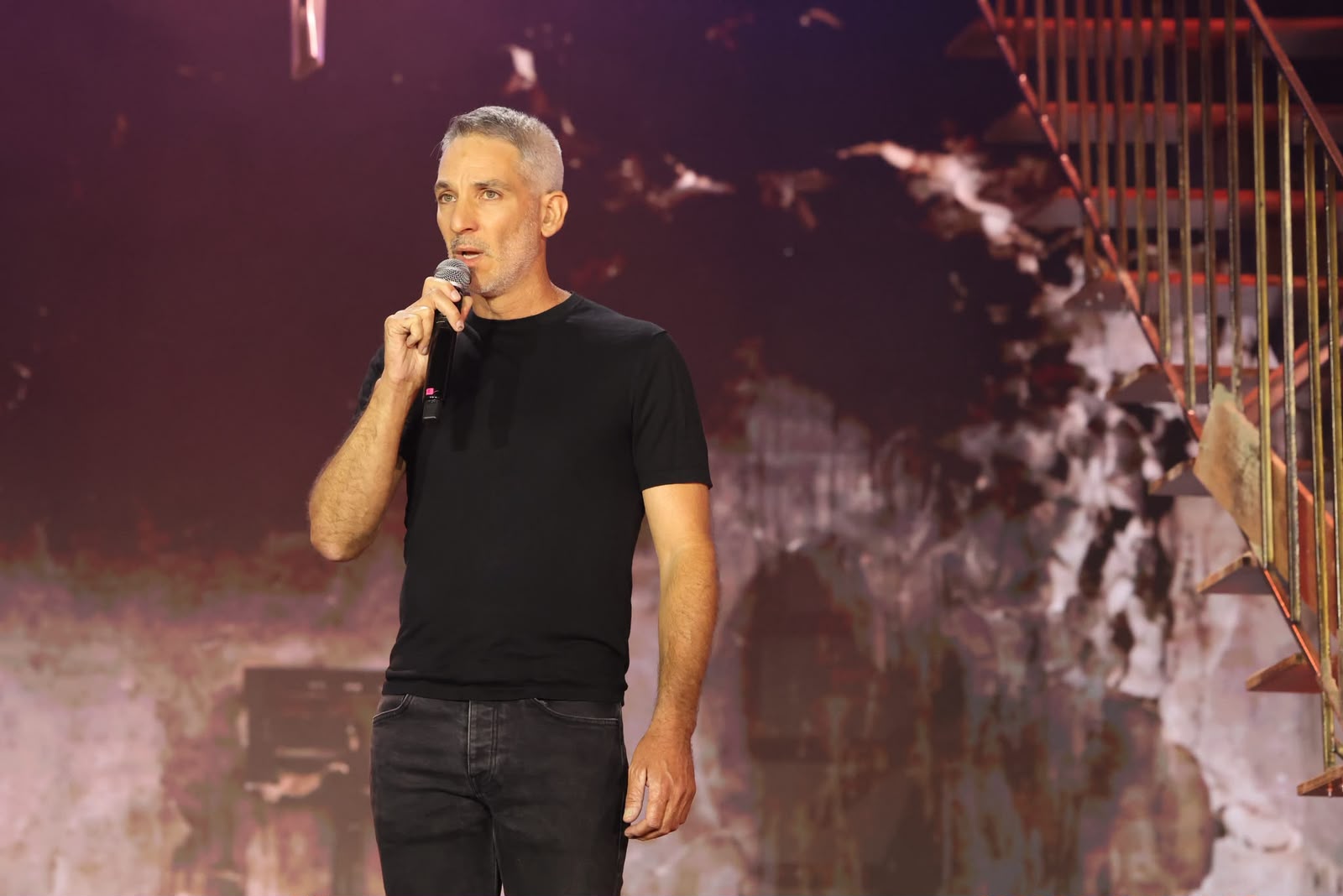
Omri Shifroni. (Benny Rotlevy)
On the same day, a few miles away at Reichman University, counterterrorism experts, former security officials, and practitioners were discussing how to prevent the next mass-casualty attack. The gatherings approached October 7 from different directions: the families demanded answers about the failures that enabled it, while the experts considered the threats that might come next.
Three years after the massacre, Israel still lacks a state commission of inquiry into the failures surrounding the attack. Prime Minister Benjamin Netanyahu’s government has resisted establishing one.
At Reichman, the connection between remembrance and prevention was built into the calendar itself. Prof. Boaz Ganor, president of Reichman University and founder of its International Institute for Counter-Terrorism, told The Media Line that the institute permanently moved its annual international conference from September 11 to October 7 after the massacre. The dates, once associated within the counterterrorism community primarily with the attacks in the United States, would now also serve as a working reminder of what Israel failed to stop.
Ganor described the Oct 7 assault as forcing experts to reconsider the scale of attacks that armed organizations controlling territory could carry out. The conference addressed emerging threats that included drones, aviation attacks, artificial intelligence, and the possibility that future attacks may not resemble October 7 even if they seek to produce similarly devastating results.
Eyal Hulata, Israel’s former national security adviser and former head of the National Security Council, now a senior international fellow at the Foundation for Defense of Democracies, echoed that concern. He told The Media Line that Israel’s enemies are currently less capable of carrying out the same kind of assault but that military degradation should not be confused with having learned the lessons of the disaster. Hamas is substantially weaker, he said, as are Hezbollah and Iran, but they could recover while other forms of attack emerge. His larger concern was what Israel has not yet done internally.
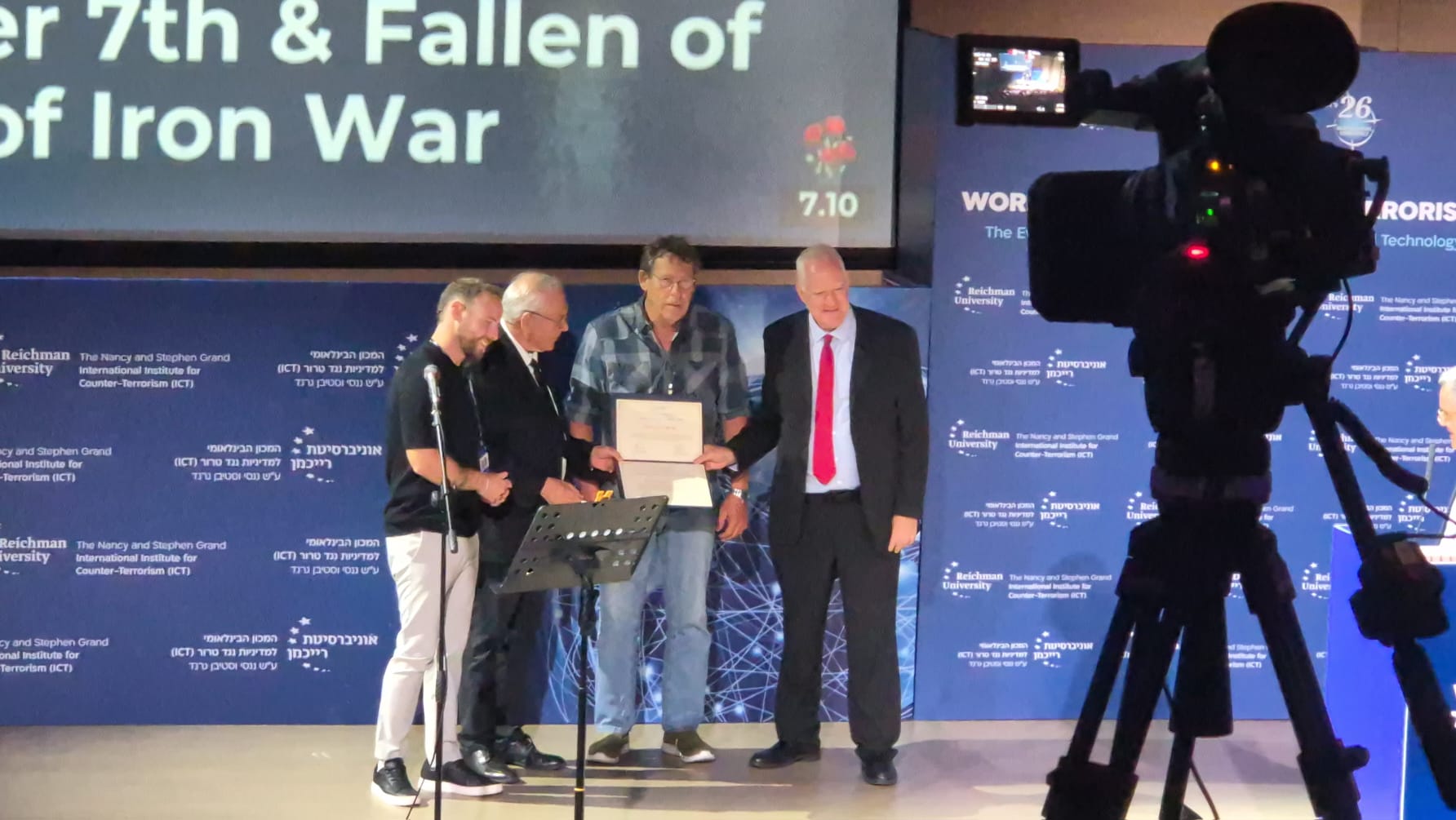
Liam Spielman, Professor Uriel Reichman, Ron Carmeli, Boaz Ganor. (Gabriel Colodro)
The basic feeling that “we have not learned enough the lessons from October 7th” remains, Hulata said, pointing in part to the absence of a state commission of inquiry. Israel, he said, has spent much of the past three years fighting and moving between wars and ceasefires without fully stopping to examine what happened. For Hulata, the danger is not limited to whether another attack can be launched across the same border in the same way. Explosive drones, aviation threats, weapons smuggling, and other scenarios could become the next test.
The memorial held during the conference gave that discussion a more personal dimension. Reichman honored 19 students and alumni killed on October 7 and during the war that followed. Outside the hall, roughly 1,000 ceramic red anemones formed a memorial installation. Ganor told the audience that he had asked for one yellow flower to be placed among them, intending eventually to cut it down and give it to Idan Shtivi, the university’s only student held hostage in Gaza, when he returned to his studies. At the time, Ganor said, he still believed Shtivi was alive, but he was subsequently confirmed dead. When his remains were recovered in August 2025, Israeli authorities said he had been killed on October 7 while helping others escape the Nova festival and that his body had been taken to Gaza.
The Yarkon Park ceremony was organized by Kumu, an Israeli civic movement founded by families affected by the October 7 attacks, together with other October 7 families. It was not a government ceremony and did not present itself as a political gathering.
The government neither participated nor sent an official representative. Opposition leaders and members of the Knesset did attend, but as individuals, seated among the public rather than as a formal delegation. The atmosphere was one of shared mourning with songs, prayers and testimony from bereaved families, survivors, and people who fought or rescued others during the attack.
Yet keeping politics entirely outside the event was nearly impossible. Three years after the massacre, the question of who was responsible for the failures of October 7 and how those failures should be investigated remains unresolved at the national level. In that setting, a demand for an inquiry was not simply a policy argument. For families who have spent three years waiting for answers, it was part of the act of remembrance itself.
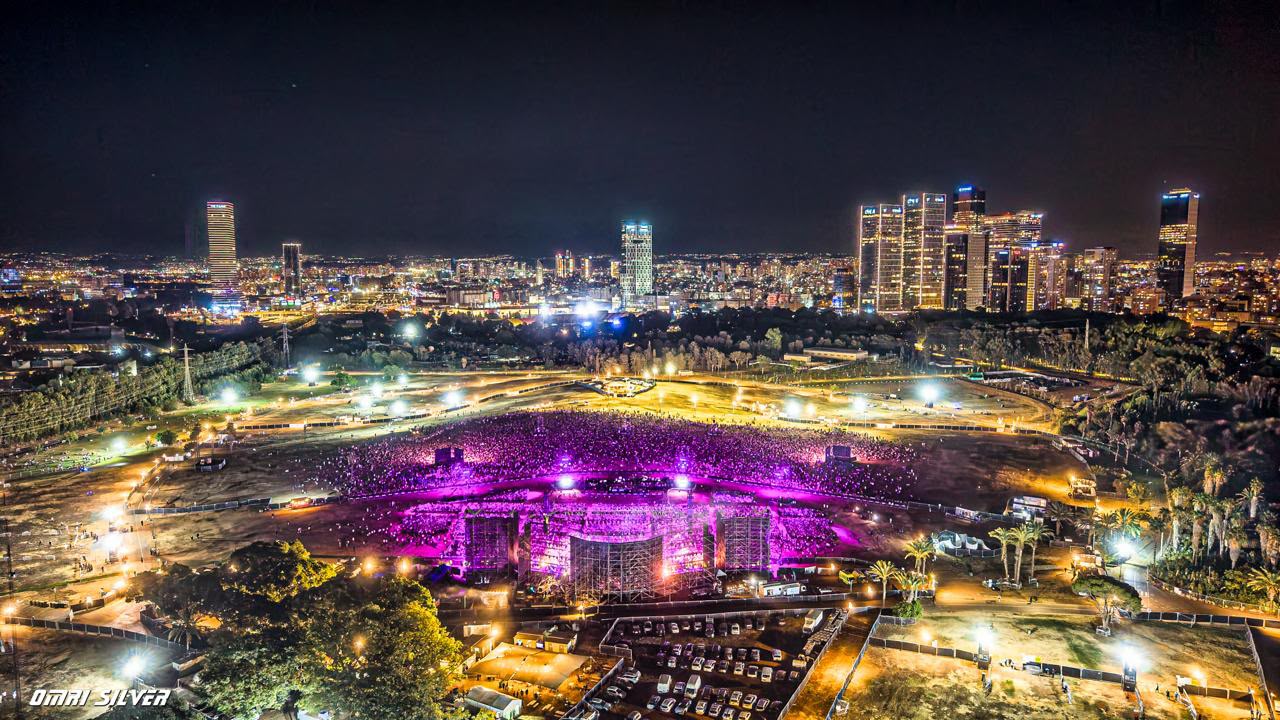
Park Hayarkon. (Omri Silver)
Shifroni, one of Kumu’s founders and a member of Kibbutz Be’eri’s security squad, spoke as both an organizer and a bereaved relative. His niece and nephew, Liel and Yanai, and his aunt and uncle, Ayala and Avia Hetzroni, were murdered in Be’eri. “That morning, the systems collapsed and the state failed to function,” he said. He also remembered the soldiers who pushed toward the fighting and the civilians who responded when formal systems failed, describing the extraordinary mutual responsibility Israelis displayed during the attack. But, he told the crowd, courage after a collapse cannot substitute for understanding why the collapse occurred.
That theme ran through the ceremony without turning it into a conventional political event. Ido Yakir, a member of Kibbutz Magen’s rapid-response team, recited Yizkor, the Jewish memorial prayer for the dead, after members of his community were remembered for fighting to prevent terrorists from entering the kibbutz. Aviva Chana, sister of Israel Chana, spoke about her brother, who left his home in Ofakim with a pistol and a single magazine and was killed fighting attackers. “Everyone talks about the hero you were that morning,” she said. “But I miss, above all, the brother you were during all the days before that.”
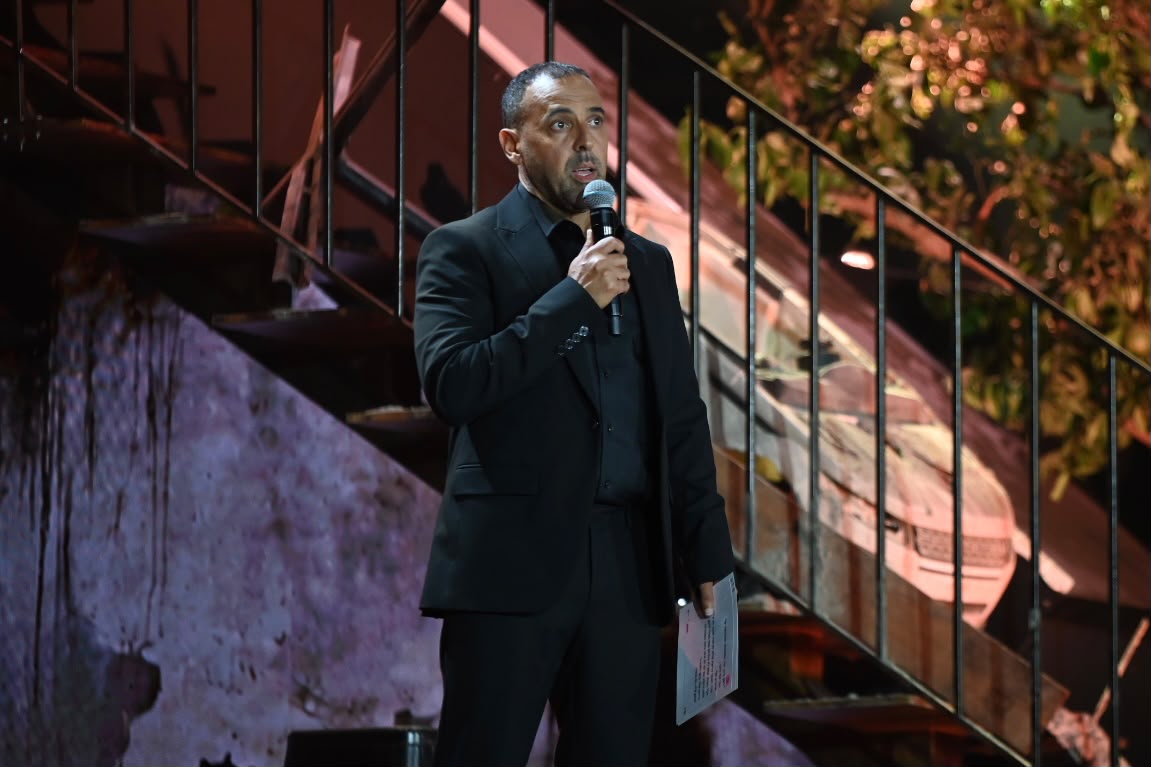
Eli Sharabi. (Oshrit Zinger)
Adi Marciano, whose daughter, IDF surveillance soldier Noa Marciano, was kidnapped on October 7 and did not return alive, spoke about the torment of knowing her daughter had survived the initial attack but remained beyond her reach. “Forgive us for all the days of suffering. For the fear. For the pain. For the final days of your life,” she said. “For failing to save you. We tried everything.”
Co-host Eli Sharabi returned to Shifroni’s demand in his closing remarks, urging Israelis to remember what happened, investigate how it happened, and refuse to let time blur the truth. The crowd then rose for Hatikvah, Israel’s national anthem, led by Ofri Rahum, sister of Nitzan Rahum, who was murdered at the Re’im festival site.