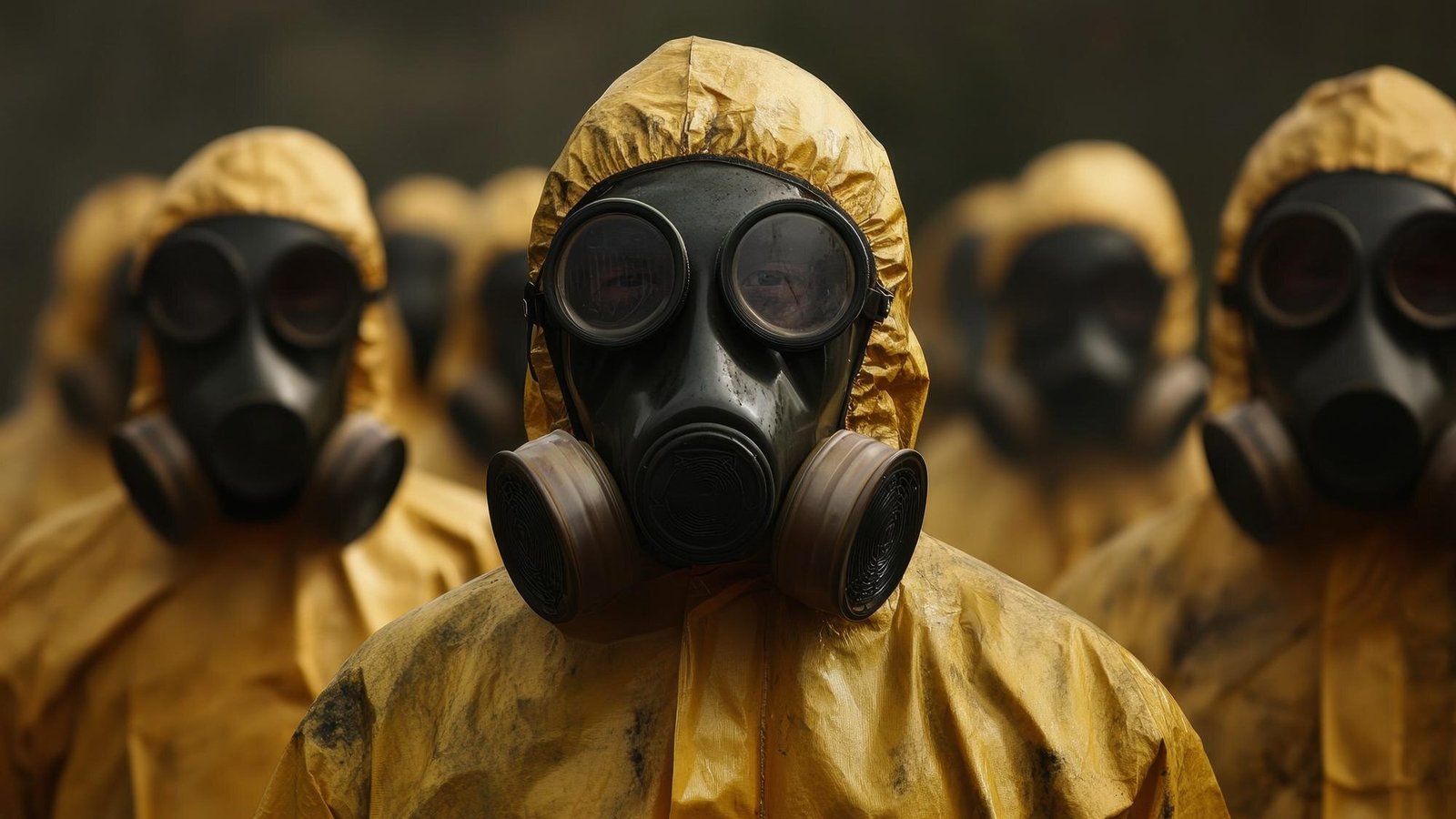
Syria has begun destroying remnants of the chemical weapons program maintained under former President Bashar Assad, Syrian and United Nations officials said Thursday, in the first verified destruction of such material in the country in more than a decade.
The process follows the discovery in May by Syria’s new authorities of chemical-weapons-related materials, including raw substances and empty munitions similar to equipment used during the country’s civil war. Reuters first reported the discovery at the time.
Izumi Nakamitsu, the United Nations high representative for disarmament affairs, told the Security Council that the Organization for the Prohibition of Chemical Weapons (OPCW) had verified the destruction of chemical munitions in Syria for the first time since 2014.
An OPCW team deployed to Syria last month to verify the destruction of Category 3 chemical weapons, a classification that includes unfilled munitions and equipment intended to deliver chemical agents. Nakamitsu said inspectors confirmed “the irreversible destruction of 42 aerial bombs.”
She said Syrian authorities had also identified an additional chemical-weapons production facility, a previously undisclosed chemical used to make nerve agents, and two storage facilities.
Syria’s UN ambassador, Ibrahim Olabi, described the work as a contribution to wider security. “This is the very first destruction process since we have been liberated from the previous regime,” he told the Security Council. “It’s also the first of its kind to destroy chemical materials on Syrian territory for over a decade.”
The new Syrian government has also detained 18 people accused of involvement in the Assad-era program, including former military, political and technical officials. Olabi said Syria was preparing for its first court hearing involving suspects in the program.
Assad’s government joined the Chemical Weapons Convention in 2013 after a sarin attack in Ghouta, near Damascus, killed hundreds of civilians and brought international condemnation. Syria agreed to surrender its declared chemical-weapons stockpile, but the OPCW later attributed several chemical attacks to Syrian government forces during the civil war.
Olabi said repeated Israeli strikes had complicated some search and destruction work and put Syrian personnel at risk. The Israeli military did not immediately comment on that allegation.
The effort will face continued international scrutiny, with the OPCW responsible for verifying whether Syria’s remaining chemical-weapons infrastructure and materials are fully and irreversibly eliminated.