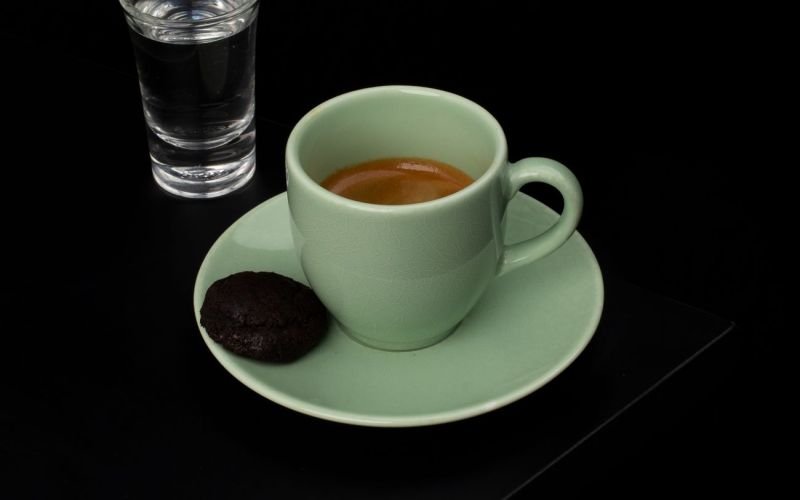
A cup of espresso at an Italian bar now costs nearly a quarter more than it did five years ago, according to a new study, and industry analysts warn that a major earthquake in Colombia could add further pressure to coffee prices.
The Center for Consumer Training and Research (Crc), working with the consumer advocacy group Assoutenti, released the study analyzing price increases for espresso through 2026. Researchers also flagged new supply risks after a magnitude 7.4 earthquake in Colombia disrupted coffee export logistics from one of the world’s top-producing countries.
Using official data from Italy’s Ministry of Enterprises and Made in Italy (Mimit) collected across the country’s provinces, the study found the average espresso now costs 1.29 euros, up 25 cents from 2021 — a 24.2% increase. Prices varied widely by region, the Crc reported.
Bolzano had the highest average price, at 1.51 euros per cup, followed by Pescara at 1.49 euros. Eleven provinces met or exceeded 1.40 euros per espresso, including Ferrara, Belluno, Ravenna, Trieste, Parma, Trento, Padova, Treviso and Udine.
At the other end of the scale, Messina had the lowest average price, at 1.06 euros, followed closely by Catanzaro at 1.08 euros. Aosta, Siracusa, Varese, Rome and Pistoia were the only other provinces with average prices below 1.20 euros.
Looking at five-year trends, Pescara recorded the steepest increase, with prices up 49% since 2021, followed by Parma (41%), Bari (39.5%) and Naples (37.8%) — the city widely regarded as coffee’s spiritual home in Italy.
The smallest increases were in Aosta, up just 6.7% over five years, along with Cagliari, Biella and Reggio Emilia, which each saw increases of roughly 15%, the Crc said.
Furio Truzzi, president of the Crc’s scientific committee, said the price increases are not being driven by the cost of raw coffee. Robusta coffee, he noted, is trading at about $3,900 per ton, down from a 2025 peak of $5,600. Arabica prices have similarly fallen to around $3.20 per pound, down from more than $4 a year ago.
Instead, Truzzi attributed the higher prices to rising energy and operating costs for bar owners, which are then passed on to customers.
Assoutenti President Gabriele Melluso said Italian coffee habits are shifting as a result. Sales of whole-bean coffee rose 33% in Italy in 2026, he said, as more consumers move away from pods and capsules. Melluso said that trend, combined with the steady rise in bar prices, could eventually challenge the dominance of espresso at the bar — long considered an essential daily ritual for millions of Italians.