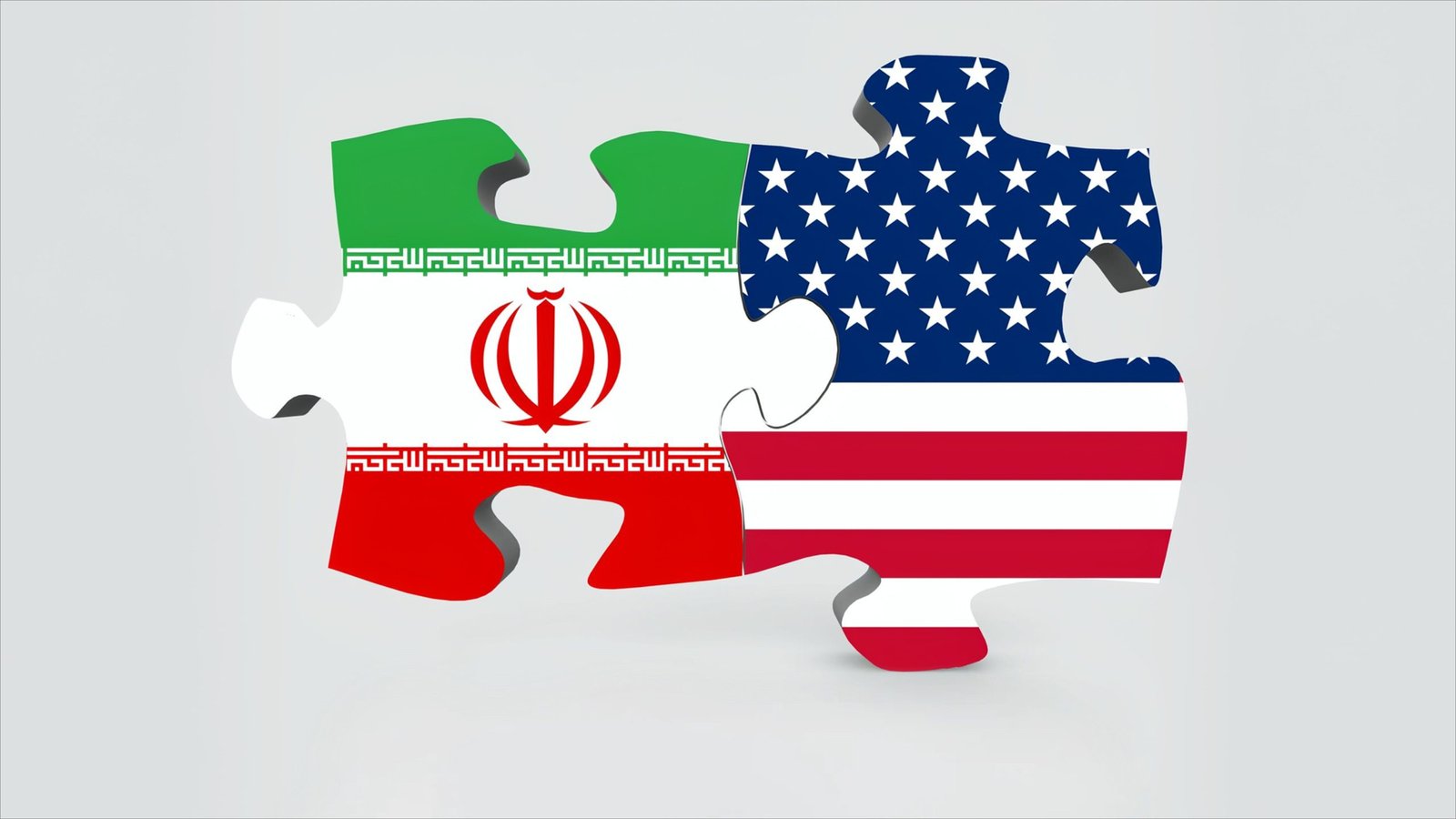
A proposed US-Iran memorandum of understanding that could reshape the Middle East appeared closer than ever to completion on Sunday, June 14, yet by midafternoon in Israel, uncertainty remained over whether Tehran would actually sign the agreement that President Donald Trump has repeatedly said could be finalized today.
The debate over timing has become almost as important as the substance of the deal itself. US officials, Pakistani intermediaries, and President Trump have expressed confidence that an agreement is within reach, while Iranian officials have continued to caution that no final decision has been made and that a Sunday signing is not guaranteed.
According to Reuters and other international media, the draft framework would reopen the Strait of Hormuz to commercial traffic, ease sanctions pressure on Iran, release frozen Iranian assets, and launch a new phase of negotiations over Tehran’s nuclear program. Iran would commit not to pursue nuclear weapons and would freeze further expansion of its uranium enrichment activities while longer-term talks continue.
The Media Line reported over the weekend that Pakistan and the United States had indicated a signing could occur Sunday, while Iranian officials publicly questioned that timetable and Israeli leaders warned that aspects of the agreement could create new security risks for Israel.
The timing dispute has taken on an added political dimension because June 14 is not only Flag Day and part of the Freedom 250 celebrations in the United States, but also President Trump’s 80th birthday. Iranian media outlets have suggested the White House is eager to secure a diplomatic breakthrough on a symbolic date, a claim Tehran has used to explain its reluctance to commit publicly to the proposed schedule.
For now, diplomats, energy markets, and regional governments are waiting. The agreement’s broad outlines appear largely settled. The unanswered question is whether Tehran will decide that the moment has arrived to sign.