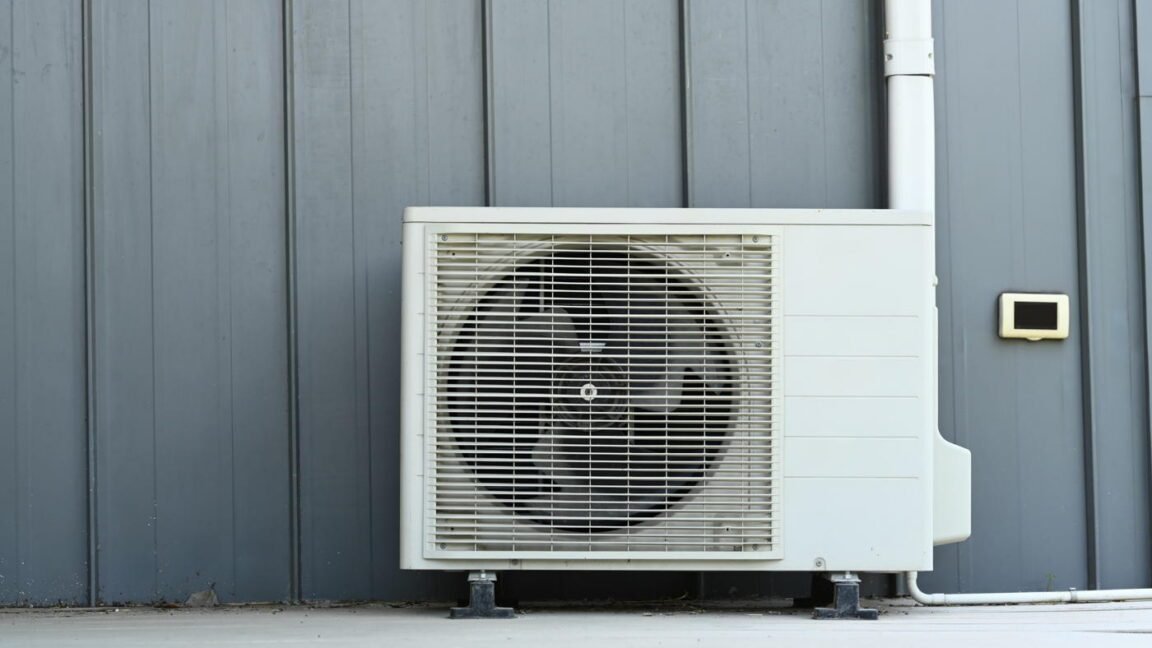
Federal energy efficiency rebate programs will no longer cover a switch from fossil fuels to electricity for heating, according to long-awaited guidance from the Department of Energy.
The department published an update on how it will implement consumer programs with $8.8 billion in funding. The new provisions include eliminating use of diversity, equity and inclusion considerations, among other changes.
This follows legal challenges after President Donald Trump issued an executive order last year, upon returning to office, canceling the release of funds from Biden’s Inflation Reduction Act, including rebates for home energy efficiency. A coalition of states successfully sued to restore the funding, obtaining an injunction in March 2025.
States have been waiting for the Department of Energy to reopen funding, a process that begins with this latest publication.
Clean energy and environmental advocates said the guidance was overdue and severely flawed.
Tony Sirna, deputy policy director for Evergreen Action, said it’s “flatly illegal” to eliminate funding for electrification, which was a part of Congress’ intent. “This is a deliberate effort to deny relief to millions of families at the exact moment they need it the most,” he said in a statement.
The guidance, dated May 29 and announced in a news release on June 1, covers the $4.3 billion Home Owner Managing Energy Savings, or HOMES, program and the $4.5 billion High-Efficiency Electric Home Rebate, or HEEHR, program, with additional guidance for Indian tribes participating in HEEHR.
The HOMES program provides up to $8,000 for households to make energy-efficient upgrades, including insulation, air sealing, heating and cooling equipment, water heaters, duct sealing, appliances and lighting, according to the Department of Energy. The upgrades must reduce energy use by at least 20 percent to be eligible.
The HEEHR program provides up to $14,000 in rebates per household, which retailers and contractors can offer at the point of sale, and can be used for qualifying efficient electric equipment and appliances.
Congress and the Biden administration designed the programs to ensure that low-income and other disadvantaged households received a significant share of the benefits. The new guidance is changing this focus, citing the Trump administration’s opposition to considering diversity, equity and inclusion in federal spending and the elimination of Biden’s Justice40 environmental justice initiative.
The guidance also eliminates the programs’ support for shifting from oil, gas or other fossil fuels to electricity for home heating. Now, households can only get funding for heat pumps for new construction or if they already have electric heat, as opposed to the previous rules that encouraged people to switch away from fossil fuels.
Another change is that the Department of Energy now requires households to upgrade their insulation and air sealing before using rebates for new appliances.
Reaction was mostly negative from groups that push for improvements in energy efficiency.
“It’s a very standard playbook to incentivize fossil fuel companies and provide a lifeline to them,” said Srinidhi Sampath Kumar, director of the Sierra Club’s clean heat campaign, about the limits on fuel switching. “It’s absolutely been done in bad faith.”
Mark Kresowik, senior policy director for the American Council for an Energy-Efficient Economy, said in a statement that the programs “will help families make energy-saving improvements that lower their utility bills,” but he lamented the new limits on the programs.
The guidance is “a fundamental departure” from the intent of the programs, said Sam Friesen, managing director for buildings at Fresh Energy, a Minnesota-based environmental advocacy group. He added that the changes will muddy the waters for consumers who were making plans under the old rules and now need to follow the new ones.
Robin Yochum, buildings program director for the Southwest Energy Efficiency Project, a regional nonprofit based in Colorado, said she is pleased to see this step to implement the programs but is concerned about limits on fuel shifting.
“While there are certainly many electrically heated homes that deserve efficiency upgrades, helping households transition from propane, fuel oil, and natural gas to highly efficient electric technologies was one of the most transformative aspects of the original program design,” she said in an email.
Asked for a response, a Department of Energy spokesperson had this comment: “The Department of Energy has released common-sense revisions to program guidance to align requirements more closely with statutory requirements, advance affordability, ensure good stewardship of taxpayer dollars, and empower grantees to tailor their programs to local contexts and residents’ needs.”
State programs administer the money but the federal government must approve the state plans before the funds are released. Most states plus the District of Columbia have had at least some of their plans approved, as shown in a May 18 update from Atlas Public Policy.
Some already paid rebates based on the initial rules under the Biden administration. Those states now have three months to modify their programs to comply with the new guidance going forward.
South Dakota has declined to participate and Idaho’s legislature has taken action to stop participating.
Consumers can contact their state energy offices to get more information about program availability.
Dan Gearino covers the business and policy of renewable energy and utilities, often with an emphasis on the midwestern United States. He is the main author of ICN’s Inside Clean Energy newsletter. He came to ICN in 2018 after a nine-year tenure at The Columbus Dispatch, where he covered the business of energy. Before that, he covered politics and business in Iowa and in New Hampshire. He grew up in Warren County, Iowa, just south of Des Moines, and lives in Columbus, Ohio.
This story originally appeared on Inside Climate News.