22.4 C
London
Sunday, September 6, 2026
Home Blog

Steve Irwin’s Chilling Final Words Revealed After Two Decades

0
steve-irwin’s-chilling-final-words-revealed-after-two-decades
Steve Irwin’s Chilling Final Words Revealed After Two Decades


Steve Irwin knew he was dying.

Twenty years after the beloved “Crocodile Hunter” was killed by a stingray on Australia’s Great Barrier Reef, the cameraman who witnessed the horrifying attack has revealed the heartbreaking final words Irwin spoke before his death.

“I’m dying.”

Those were reportedly the final two words spoken by the 44-year-old wildlife legend after a stingray barb pierced his chest near his heart on Sept. 4, 2006.

Irwin had been filming a documentary about marine life on the Great Barrier Reef near Cairns, Queensland, when what began as a routine wildlife shoot suddenly turned deadly.

His longtime cameraman and close friend Justin Lyons was in the water with him that day and later described the terrifying final moments in an interview with Australia’s 60 Minutes and the memorial special “Steve Irwin: A Wild Life.”

According to Lyons, the pair had been riding around in a small boat for about 10 to 15 minutes before spotting an enormous bull ray.

They had filmed stingrays countless times before and initially saw nothing unusual about the encounter.

“We’d only filmed with stingrays a hundred times before,” Lyons recalled, saying they slipped into the water and began recording the massive animal.

Eventually, the stingray settled into the sand and appeared calm.

Lyons and Irwin began planning one final shot.

Lyons said he would position himself in front of the stingray while Irwin swam behind it and over the top, giving viewers a dramatic shot of the animal.

At first, everything appeared normal.

Then, in an instant, the stingray reacted.

Lyons said the animal apparently mistook Irwin for a tiger shark as he passed above it.

The stingray began violently thrusting its tail upward.

“The water just boiled,” Lyons recalled.

Bubbles and thrashing blocked his view, leaving him unable to see exactly what was happening.

Then everything suddenly went still.

The stingray swam away.

Lyons followed it with his camera before turning back toward Irwin — and immediately realized something was terribly wrong.

Irwin burst up from the water screaming.

The water surrounding him was filling with blood.

“It’s punctured my lung!” Irwin shouted, according to Lyons.

Lyons immediately threw his camera into one of the inflatable boats and pulled Irwin aboard.

The scene was horrifying.

Irwin’s trademark khaki shirt was open, and blood was pouring from a wound in his chest directly over his heart.

Despite his catastrophic injuries, Irwin was still conscious.

Then came the moment Lyons said he would never forget.

“He looks me right in the eye and he says, ‘I’m dying,’” Lyons recalled.

Irwin died moments later.

His sudden death stunned millions of fans around the world and devastated the family he left behind — wife Terri and their two young children, Bindi and Robert.

Bindi was just 8 years old at the time. Robert was only 2.

Two decades later, Irwin remains one of Australia’s most recognizable wildlife personalities.

His fearless enthusiasm, booming voice and famous “Crikey!” catchphrase turned him into an international television star, while his work at Australia Zoo helped introduce millions of people to wildlife conservation.

Friday, Sept. 4, marked the 20th anniversary of his death, and Irwin’s family shared emotional tributes remembering the husband and father behind the larger-than-life television personality.

Bindi, now 28 and a mother herself, shared old footage of her father talking about the birth of his first child.

“The most incredible wildlife encounter of my life was the birth of my daughter, Bindi,” Steve said in the video.

Bindi accompanied the clip with an emotional message about the father she lost when she was still a child.

“Twenty years ago, today, the world lost the most passionate and dedicated wildlife conservationist,” she wrote. “Our family lost our superhero. My mum lost the love of her life; my brother and I lost the greatest dad.”

She said grief has remained part of the family’s life ever since.

“Grief never truly leaves us; we walk alongside it every day,” Bindi wrote. “Where there is enormous grief, there is even greater love.”

Bindi said she once believed her father’s greatest legacy would be wildlife conservation but has since come to see it differently.

“It turns out, his legacy is love,” she wrote. “For our planet and for each other.”

Bindi also revealed that her 5-year-old daughter regularly watches Steve’s documentaries and feels deeply connected to the grandfather she never had the chance to meet.

She affectionately calls him her “grandpa crocodile.”

“My dad left a lasting impact so poignant that it will ripple out for generations to come,” Bindi wrote. “I believe with my whole heart that his love will live on forever.”

She ended the tribute with a personal message to her father.

“Dad, I love you with my whole heart. Thank you for being our guardian angel. And most of all, thank you for watching over my daughter now, too. She loves you so much. We all do.”

Robert Irwin, now 22, also honored his father by posting a happy photograph of the two together.

“Your legacy is forever,” he wrote.

Terri Irwin shared an especially heartbreaking reflection about the final weeks she spent with her husband.

“Grief still walks with me like my shadow,” she wrote.

Terri said the family had unknowingly been given what she now views as a long goodbye.

They had spent six weeks together on a crocodile research expedition shortly before Steve’s death.

During that time, she said, Steve played with Bindi and Robert, built swings and climbed trees with them as the family enjoyed a slower pace together.

“Ours was to be a long and sweet goodbye,” Terri wrote.

She said the experience taught her something profound about losing the people we love.

“I believe that all of us, every one of us, gets to say goodbye,” she wrote. “We just may not know that we’re saying it.”

Terri ended with a message that has taken on even more meaning two decades after Steve’s sudden death.

“Hold every moment dear with the ones you love. Until we meet again.”
Israel Strikes Hezbollah Sites After Drones Target Lebanon Security Zone 

0
israel-strikes-hezbollah-sites-after-drones-target-lebanon-security-zone 
Israel Strikes Hezbollah Sites After Drones Target Lebanon Security Zone 


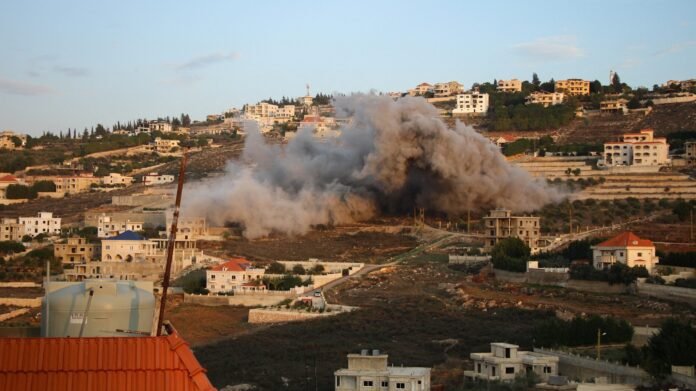
The Israel Defense Forces (IDF) struck Hezbollah targets in southern Lebanon after the armed group launched two drones toward a security zone where Israeli troops were stationed, calling the attack a “blatant violations of understandings.” 

The IDF said the strikes targeted Hezbollah sites in response to the drone attack on troops operating in southern Lebanon early Sunday morning. 

Before carrying out the strikes, IDF Arabic Spokesperson Lt. Col. Ella Waweya ordered residents near a Hezbollah facility in the southern Lebanese town of Arab Salim to leave the area. 

“We urge all residents present in the building marked in red on the attached map and the adjacent buildings to evacuate immediately,” Waweya wrote on X/Twitter. “You are located near a facility belonging to the terrorist organization Hezbollah, which the IDF will act against.” 

“Remaining in the area of the building marked in red puts you at risk.” 

The warning identified a specific building and neighboring structures that residents were instructed to evacuate immediately ahead of Israeli military action. 

Lebanese media separately reported that an Israeli airstrike Sunday morning destroyed Ghandour Hospital in the southern town of Nabatieh al-Fawqa. The facility had been emptied of all patients and staff, according to the reports. 

Saudi Embassy urges investigation after citizen stabbed in London’s Mayfair

0
saudi-embassy-urges-investigation-after-citizen-stabbed-in-london’s-mayfair
Saudi Embassy urges investigation after citizen stabbed in London’s Mayfair

Saudi Arabia’s Embassy in the UK said Friday it was closely monitoring the condition of a Saudi citizen who was stabbed in London’s Mayfair district, Anadolu reports.

In a post on US social media platform X, the embassy said it was coordinating with relevant British authorities and ensuring that the victim received necessary care and support.

The embassy said it would continue monitoring the Saudi citizen’s health until he was safely discharged from the hospital.

“The Embassy affirms that it is following up on the circumstances of the incident with the relevant security authorities, and emphasizes the importance of expediting the completion of the investigations, uncovering all details of the incident, and holding the perpetrator accountable in accordance with the law,” it said.

The embassy stressed the importance of taking measures to strengthen the safety of citizens and visitors in public areas.

It also urged Saudi citizens in the UK to “exercise caution and vigilance” and avoid carrying valuable possessions in public places.

According to local reports, London’s Metropolitan Police said officers were called at around 9.40 pm (2040 GMT) Thursday to reports of a stabbing in Berkeley Square, in the upscale Mayfair.

The Standard reported that the victim, a Saudi man in his 40s, was treated at the scene before being taken to hospital, where he remained. His injuries were assessed as non-life-threatening.

A 58-year-old man was arrested at the scene on suspicion of grievous bodily harm, possession of an offensive weapon and attempted robbery. According to the report, he was also taken to hospital with minor injuries.

The Met Police said the attack appeared to be an “isolated incident” and there was currently nothing to suggest an ongoing risk to the wider public.

The incident comes about a year after Saudi student Mohammed Algasim, 20, was fatally stabbed in the neck in Cambridge in August 2025 in what prosecutors described as an unprovoked attack.

London has faced persistent concerns over street crime in recent years, particularly thefts involving mobile phones and luxury watches.

The Met Police announced in June that officers had arrested 243 people and seized 159 knives during a two-week knife-crime crackdown. A data-led approach used to identify suspects considered to pose the highest risk of harm accounted for 88 of those arrests.

‘America’s Got Talent’ Contestant Charged with First-Degree Murder

0
‘america’s-got-talent’-contestant-charged-with-first-degree-murder
‘America’s Got Talent’ Contestant Charged with First-Degree Murder


A former America’s Got Talent contestant is facing a first-degree murder charge after his 4-year-old nephew drowned in a Tennessee apartment pool while allegedly left without proper supervision.

Deshundre Vinson, 22, was arrested Wednesday, Sept. 2, and charged with first-degree murder and three counts of aggravated child abuse, according to Hamilton County Sheriff’s Office jail records.

His bond was set at a staggering $750,000.

The charges stem from the Aug. 16 drowning of Vinson’s young nephew at an apartment complex on Central Avenue in Chattanooga.

Police were already at the complex handling an unrelated incident around 5:40 p.m. when officers suddenly heard screaming coming from the pool area, according to local reports.

When they rushed over, they found people performing CPR on the unconscious 4-year-old after he had been pulled from the water.

The boy was taken to a hospital, where he remained in the Pediatric Intensive Care Unit for approximately five days before tragically dying.

But investigators say surveillance footage from the pool painted a disturbing picture of what happened before the child was discovered.

According to reports, the footage showed the 4-year-old moving from the center edge of the pool toward deeper water while holding onto the side. He then appeared to slip, struggle and eventually disappear beneath the surface.

Authorities allege the boy remained underwater for approximately nine minutes before someone finally noticed him, pulled him out and began CPR.

Police later determined Vinson had been babysitting the 4-year-old, the boy’s 6-year-old brother and other children that day.

Investigators also allege Vinson allowed the two young brothers to walk roughly 0.2 miles to the apartment swimming pool without an adult accompanying them.

The investigation reportedly uncovered messages between Vinson and the child’s mother in which he allegedly acknowledged the lack of supervision and his delayed response to the drowning.

Vinson became known nationally as a member of the R&B trio Citi Limitz, which appeared on America’s Got Talent and The Ellen DeGeneres Show.

The shocking case now has the former reality TV performer facing the most serious charge of his life.

Vinson is scheduled to return to court Tuesday, Sept. 8.

Fighting Between Houthis, Yemen Government Forces Kills Dozens 

0
fighting-between-houthis,-yemen-government-forces-kills-dozens 
Fighting Between Houthis, Yemen Government Forces Kills Dozens 


Fighting between Iran-backed Houthi terrorists and Yemeni government forces killed dozens of combatants and civilians Saturday as the Houthis pressed an offensive in western Taiz and southern Hodeidah along the Red Sea coast. 

Twenty-six government troops and 31 Houthi fighters were killed during several hours of combat in southwestern Yemen, medical and military sources told Agence France-Presse. 

Six civilians were also killed, and seven others were wounded when a missile struck a bus in the city of Taiz. 

The casualties came after the Houthis launched an offensive targeting areas in western Taiz and southern Hodeidah. 

Government forces said Friday that they had regained control of the al-Khazan and al-Makahna hills west of Taiz. Both positions are considered strategically important for control of the surrounding region. 

A government military officer said the “coming hours will be decisive” after Houthi forces took up positions near Taiz a day earlier. 

Reinforcements were arriving from Aden in an effort to halt the Houthi advance, the officer said. 

A ceasefire that had been in place since 2022 collapsed in July when an Iranian plane attempted to land in Houthi-controlled Sana’a, prompting Yemeni government attacks on the airport. 

The Houthis had previously controlled the port city of al-Makha, which overlooks Bab el Mandeb, before government forces backed by the Saudi-led coalition pushed them out. 


Nearly impossible? How Fairphone built the ethical, repairable Fairphone Gen 6+

0
nearly-impossible?-how-fairphone-built-the-ethical,-repairable-fairphone-gen-6+
Nearly impossible? How Fairphone built the ethical, repairable Fairphone Gen 6+

Smartphone longevity didn’t used to matter. In the past, before you could wear out or break a phone, there was always some shiny new thing to buy. Today, we expect our smartphones to go the distance, but they’ve also become less repairable and, in many cases, more fragile. Fairphone, a Dutch smartphone maker that has just entered the US market, thinks about phones differently.

The new $650 Fairphone Gen 6+ is designed both for longevity and easy repairability. There are trade-offs to this approach if you’re used to the standard glass and aluminum sandwiches filled with glue, gaskets, and teeny-tiny screws. But the drawbacks could be worth it for the right buyer. Fairphone CTO Chandler Hatton told Ars that Fairphone’s goal is to provide a compelling mobile experience while also enabling the user to “fully own” their device. At the end of the day, this is what a lot of people say they want in a smartphone.

Take it apart, put it back together

These days, Google, Samsung, and Apple support phones with software updates for the better part of a decade, but will the hardware last that long? And what happens when it needs a repair? You may be out of luck or out a lot of money, but Fairphone prioritizes the self-repair experience.

“We’re doing something that was long thought to be nearly impossible,” said Hatton. “Which is delivering high-performing modular smartphones that can last for a very long time.”

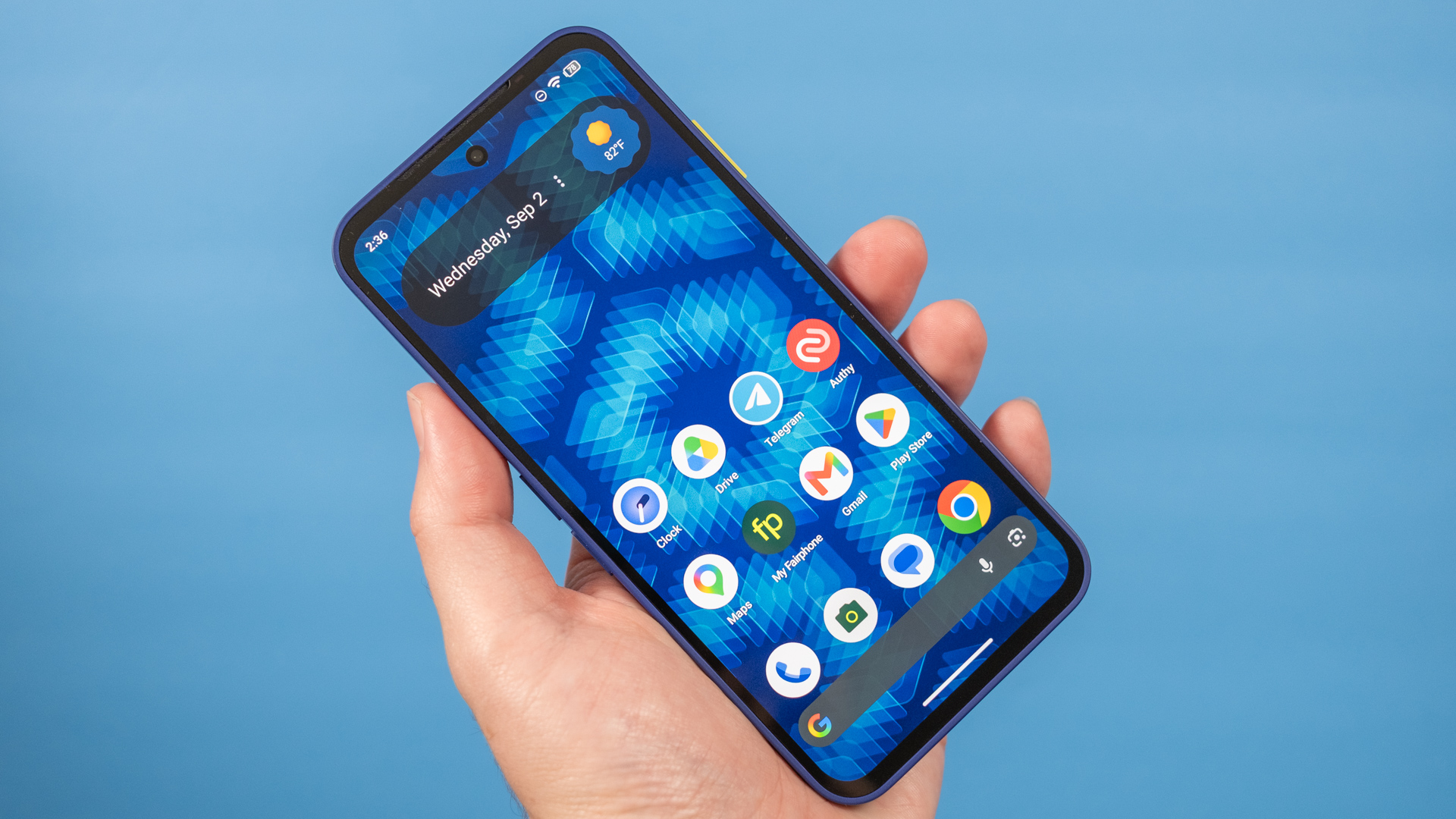
The Fairphone Gen 6+ has a 6.31-inch OLED screen, which is, of course, fully replaceable.

The Fairphone Gen 6+ has a 6.31-inch OLED screen, which is, of course, fully replaceable. Credit: Ryan Whitwam

Fairphone designs devices to be sustainable, focusing on avoiding conflict minerals, using recycled materials, and paying workers a living wage. Fairphone says it doesn’t want to sell you a bunch of phones, just one that you can keep using even if something breaks.

“Our goal is that every single person that purchases a Fairphone uses it for at least five years, and we track that as a KPI [Key Performance Indicator],” said Hatton.

The standard way to design a modern smartphone is to cram as much as you can into an aluminum and glass sandwich, with the expectation that it will be assembled once in a factory and never opened by the buyer. Devices rely on glue and awkwardly placed screws to accomplish this, making the internals a little like metal spaghetti.

The Gen 6+ is designed so that anyone can replace parts, reducing e-waste and potentially saving consumers a lot of money. If you’ve had, say, a Samsung Galaxy phone for a couple of years and need to replace the screen or USB port, the cost might be higher than just buying a new phone.

“There is an incentive in terms of planned obsolescence to replace your device,” said Hatton. “On the one hand, it’s a good way to keep selling devices, but that’s simply not the proposition that we have.”

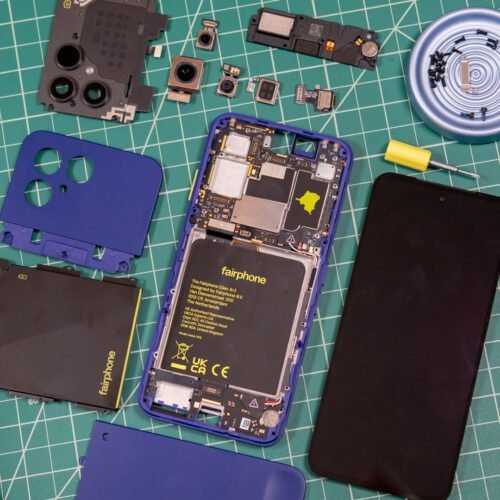
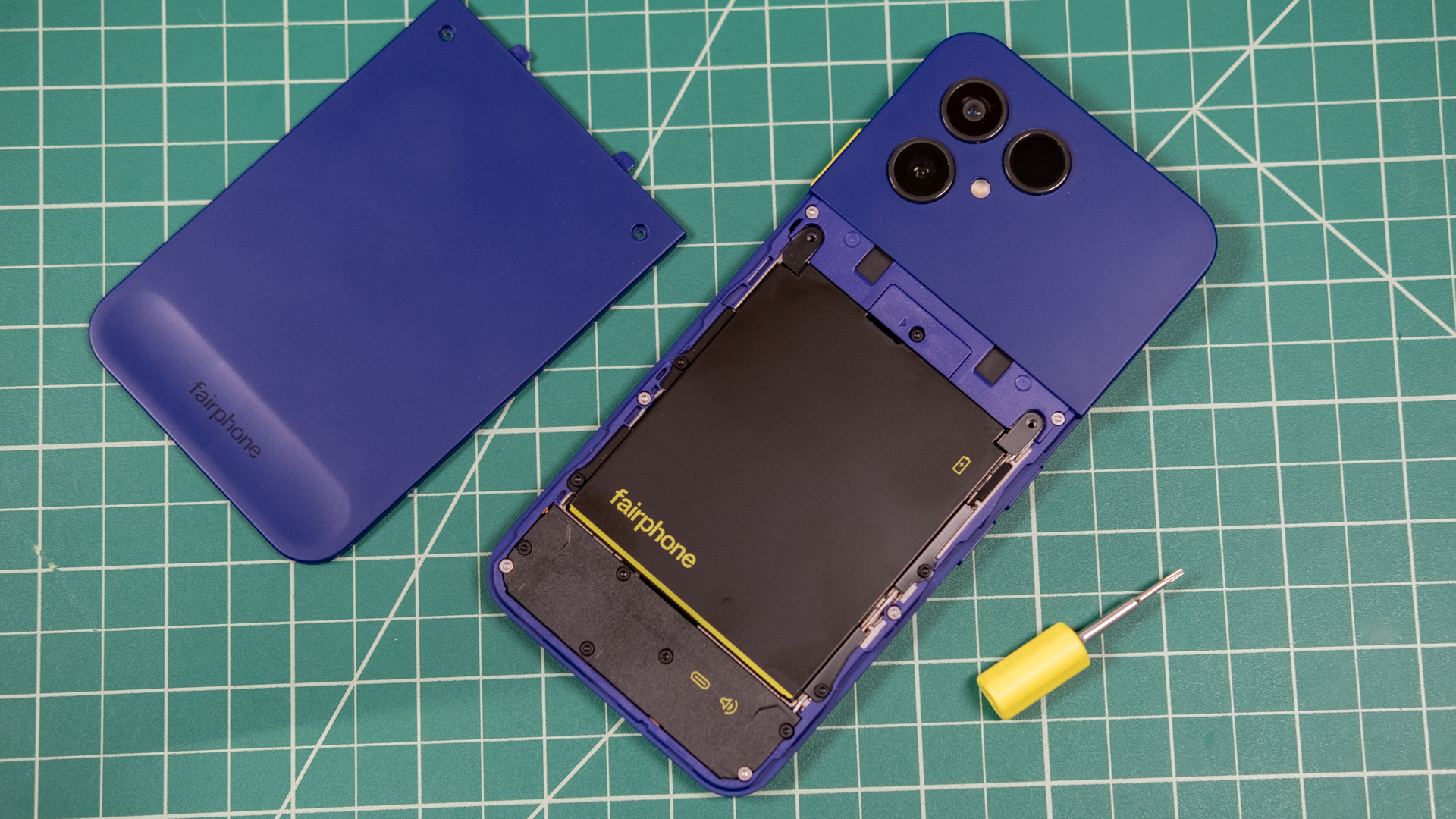
That means designing the phone differently—it’s not just a matter of skipping the glue. Inside, the Fairphone Gen 6+ is clean and orderly. It starts with a pair of T5 Torx screws exposed on the back of the phone. After removing those, the back cover slides off. With the same driver, you can extract the battery, camera modules, USB-C port, display, and more. In all, the phone supports user replacement of 12 different parts with just that one (included) screwdriver. One drawback is that the modular approach makes the phone a millimeter or two thicker than most glued-together phones.

Fairphone battery

The phone comes with a tiny screwdriver, but any T5 torx will work.

The phone comes with a tiny screwdriver, but any T5 torx will work. Credit: Ryan Whitwam

The battery stares you in the face once the back panel is opened. You’ll have to remove a few more screws to get it out, but quick swapping isn’t the goal here—this is about longevity.

“We know that after about three years, it will be wise to replace your battery with a new one,” said Hatton. “Batteries aren’t meant to last forever, but your phone on the whole can last a lot longer than a battery.”

While the Fairphone is designed to be disassembled, what about the long haul? The Fairphone 6+ is mostly plastic rather than metal like a Pixel or iPhone. The phone still manages to feel solid, though, thanks to its internal metal frame, and the company has worked to ensure the device doesn’t become progressively less sturdy as you tinker with it.

“When we’re in our product development cycle, we introduce tests that are specifically dedicated to disassembly and reassembly,” said Hatton. “So we’re looking in part at the robustness.”

Robots work the assembly line, but humans are less predictable. Hatton pointed to tests that examine, for example, what happens when someone over-tightens screws while servicing their device. Does it warp the casing? Damage any nearby components?

Hatton said it takes her 15 minutes to fully disassemble a Fairphone Gen 6+, but she did have a hand in designing it. That said, it shouldn’t take a novice much longer. After a couple of minutes perusing Fairphone’s documentation, I was able to take the phone apart and remove all of the user-serviceable components in about 20 minutes. Everything went back together without issue and still works perfectly, with no new gaps or wobble.

The process is pretty intuitive, with most of the parts held in with flat board-to-board cable connectors. Just pop them off with a spudger or your fingernail, and the component lifts right out. There are a good number of screws to remove to get all the way down to the metal frame and screen, but again, they all use the same T5 Torx bit.

Specs at a glance: Fairphone Gen 6+ ($650)
SoC Snapdragon 7s Gen 4
Memory 12GB
Storage 256GB plus microSD
Display 6.31-inch 1116×2484 LTPO OLED, 10–120 Hz, 1400 nits
Cameras 50 MP f/1.88 primary, 13 MP f/2.2 ultrawide, 32 MP f/2.0 selfie
Software Android 16
Battery 4415 mAh removable battery, 30 W wired charging
Connectivity 5G, LTE, Wi-Fi 6e, Bluetooth v5.4, SIM+eSIM
Measurements 156.57 mm × 73.28 mm × 9.6 mm, 193 g
Colors Cobalt Blue, Horizon Black, Forest Green

Glass backs are common on smartphones because they’re good for radio performance, and they add significant rigidity to the design. But they’re also easy to crack and difficult to remove (they’re almost always glued in place). Naturally, the only glass on the Fairphone 6+ is covering the 6.31-inch 1116 x 2484 OLED display, which is fully replaceable. This is probably the most challenging component to swap, but even this isn’t too bad. The screen is held in place by a handful of screws and has a generously long ribbon cable attachment, making a swap much less frustrating than your typical smartphone.

The OLED is about what you would expect for this price range—the resolution is more than sufficient, and the colors are great. The brightness is good enough to be legible outdoors, but at a mere 1,300 nits peak brightness, it’s harder to see than the displays you get on phones like the Pixel or Galaxy S26 that are a few hundred more expensive. Good luck replacing those displays on your own if you get a crack, though.

What specs make the cut?

Smartphones have become more powerful over the years, but their designs have also been streamlined. Headphone jacks and microSD card slots are now rare, and even the SIM card slot is quickly fading away. OEMs often cite the space constraints when dropping these features.

“There’s a reason that most phone manufacturers prefer slightly larger footprints—because you can fit more stuff in there,” Hatton said. “So yes, it is legitimate if phone manufacturers are saying, ‘Hey, we dropped this feature to save space inside the device.’”

The Fairphone retains some of these elements, but not because there’s a surplus of space, Hatton said. The Fairphone 6+ still has a microSD slot and physical SIM card because people want them. These features don’t come free, though. In addition to the space constraints, adding more components adds to the price and complicates supply chains. That’s another reason some OEMs have removed features.

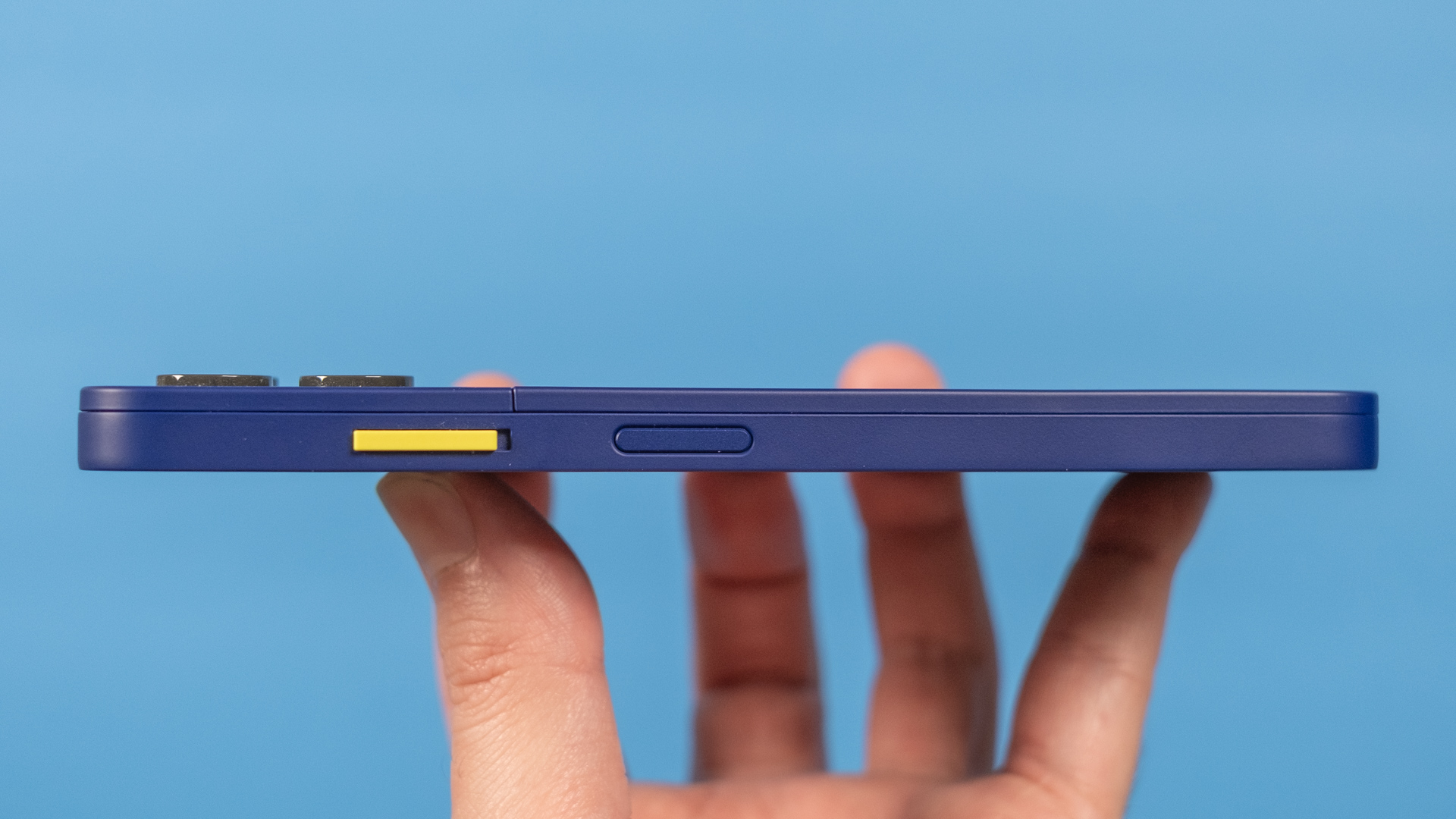
Fairphone side view

Being modular means the Fairphone is a little thicker than most smartphones.

Being modular means the Fairphone is a little thicker than most smartphones. Credit: Ryan Whitwam

The Fairphone Gen 6+ plays to picky smartphone and DIY enthusiasts, but there’s still no headphone jack. Hatton notes that the team hears from a small but vocal cadre about headphone jacks every time it starts planning a new device, but it hasn’t made sense to include one in recent phones.

“In terms of how to actually get [a headphone jack] into the device, it is quite difficult,” Hatton said. “It’s a relatively large hardware component, but it’s not just the component itself. It’s also where it needs to be. You know, you’re not going to put the headphone jack in the middle of the back of the phone. You also need to make sure it attaches to the right things on the inside, and because we’re Fairphone, you need to make sure it’s repairable. So when we look at that total picture, we assess the needs of our customers to fulfill some other wishes at the expense of the headphone jack.”

Looking at spec sheets side-by-side, the Fairphone also lacks something that many of today’s phones have: IP6X water resistance. An upshot of making non-repairable phones that are chock-full of glue is that they’re relatively easy to seal against water intrusion. With an IP6X rating, a phone can be fully submerged in water for up to 30 minutes, at least in theory.

The Fairphone Gen 6+ is only rated as IP55, which will protect it from splashes. That could be enough, though. “Our phones are designed for what people need on a day-to-day basis,” said Hatton. “How often is it that people would like to take their hardware underwater? I think the answer there is less often than some manufacturers would have you think.”

While it might be comforting to think you could drop your phone in a pool, that’s still risky. OEMs don’t warranty the water-resistance of their phones, and if you’ve made any repairs, it’s possible the sealing of that difficult-to-open device was compromised. Hatton notes that it wouldn’t be impossible to make a repairable phone that’s also IP6X, but you’d have to design around that in numerous ways.

“There are a number of things that you need to weigh against a higher IP rating,” Hatton said. “You can achieve it in a very small form factor with higher costs, or you can achieve it with a larger form factor—you could increase the Z dimension and perhaps also the other dimensions, and that way you could create all sorts of gaskets and other things. But we assess the whole landscape and say, ‘Hey, the customer doesn’t want a phone that’s a brick.’ They also don’t want a phone that’s incredibly expensive. So within those boundaries, what IP rating meets their needs?”

It’s a trade-off, but it’s one that many people would probably make in the name of repairability if given the choice.

Planning for the future

The Fairphone Gen 6+ is similar to the Gen 6 that launched in Europe last year, but there are a few notable changes. The new phone has a slightly upgraded Snapdragon chip, and it has more memory than the last Fairphone at a time when AI has driven up costs considerably.

“We decided to increase the RAM to 12 gigabytes,” said Hatton. “This is something that I think is a little bit unique, given the current circumstances in the consumer electronics industry. But the reason that we did is that it really underscores the value proposition of longevity that we’d like our customers to enjoy when they purchase the Gen 6+.”

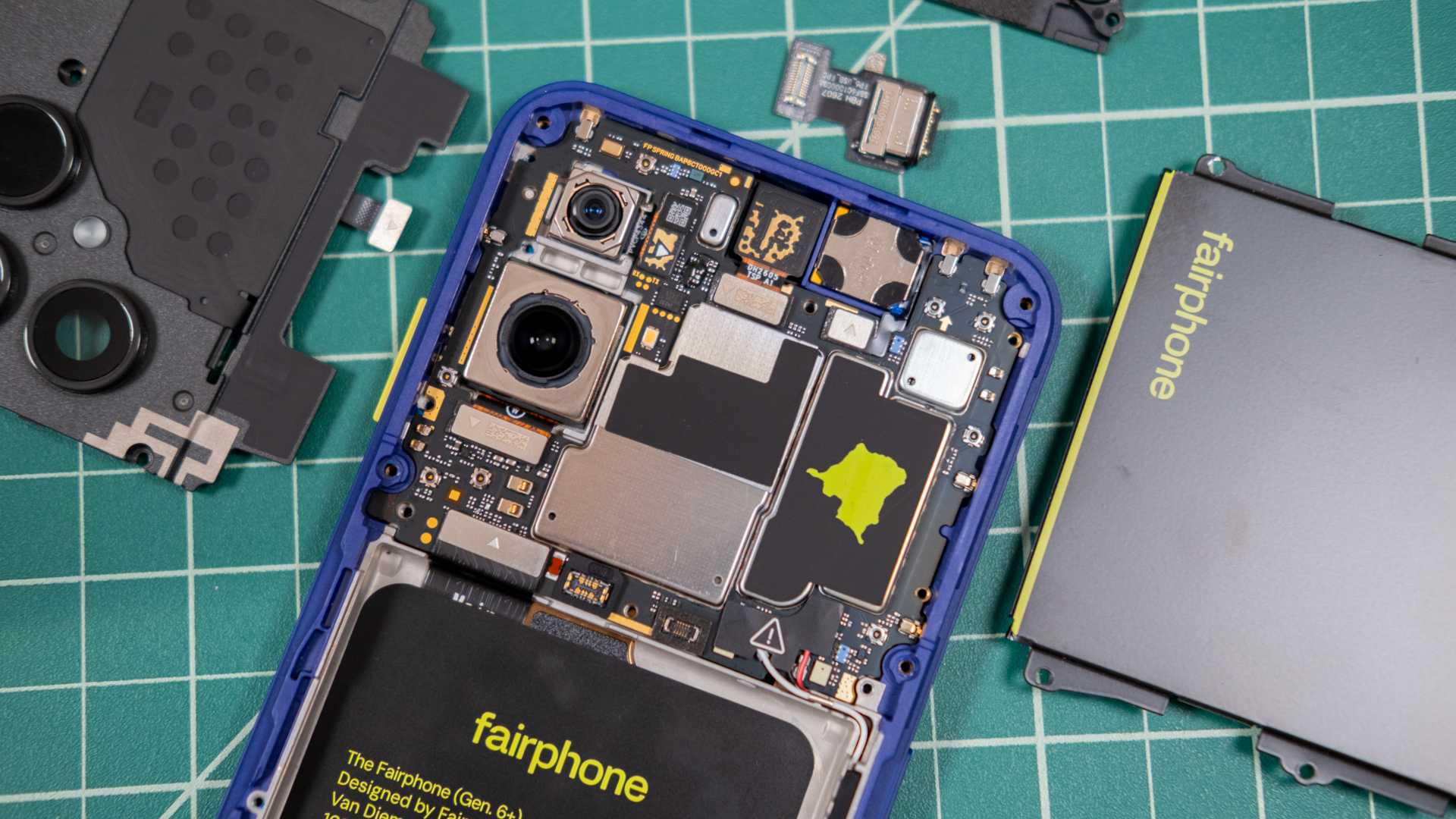
Fairphone internals

Fairphone boosted RAM to 12GB for this release.

Fairphone boosted RAM to 12GB for this release. Credit: Ryan Whitwam

Google, meanwhile, is catching some well-deserved flak for regressing from 16GB to 12GB of RAM in its latest Pixel phones, which start at $900. Samsung is also sticking with 12GB of RAM in its $2,000 foldables. And all those phones devote a lot of memory to AI services that not everyone cares about. The Fairphone has the Gemini app installed like all Google-certified Android devices, but the company has yet to create any on-device AI services of its own. That’s on Fairphone’s radar, but the team is taking a measured approach.

“We have not immediately jumped onto the bandwagon of creating AI features without really understanding what the use scenario is and what the customer really wants,” said Hatton. “We see that people are quite interested in understanding how their data is used and having control over their data and privacy. That means that as we continue to use more AI in all sorts of different settings, we’ll continue to work on AI features for our devices that focus on these aspects that are important.”

Fairphone has been offering devices with generous support windows for years. The Fairphone 3, which launched in 2019, just reached end-of-life a few weeks ago. The Gen 6+ will be supported through 2033 with software updates and replacement parts.

Hatton says that multiple factors go into determining the length of support. The availability of hardware in the supply chain is part of it, but it becomes impossible to update devices once vendors like Qualcomm stop supporting the underlying firmware. Seven or eight years is the functional limit for any smartphone due to vendor support, so it’s impressive to see Fairphone in the same range as the likes of Google and Samsung. It really can’t do more than it’s already doing here.

Is the Fairphone the right phone?

At $650, the Fairphone feels like a good deal in 2026. Maybe a year or two ago, the device wouldn’t have seemed as competitive, but with price increases and RAM regressions becoming standard, Fairphone comes out looking much stronger with the Gen 6+. It has a solid mid-range Snapdragon chip, ample storage (with a microSD card slot), and 12GB of RAM, which is still flagship territory.

There’s also something to be said for knowing that your phone is repairable if something goes wrong, and when the time comes to replace the battery, you can do it yourself in a few minutes. Fairphone is committed to keeping all these parts in stock for the duration of the phone’s support window, which runs through 2033.

The Fairphone may not be everyone’s style, but I like the utilitarian vibe. My design complaints are fairly limited and minor: the volume buttons are too low, and the power button (with fingerprint sensor) is too hard to find by feel.

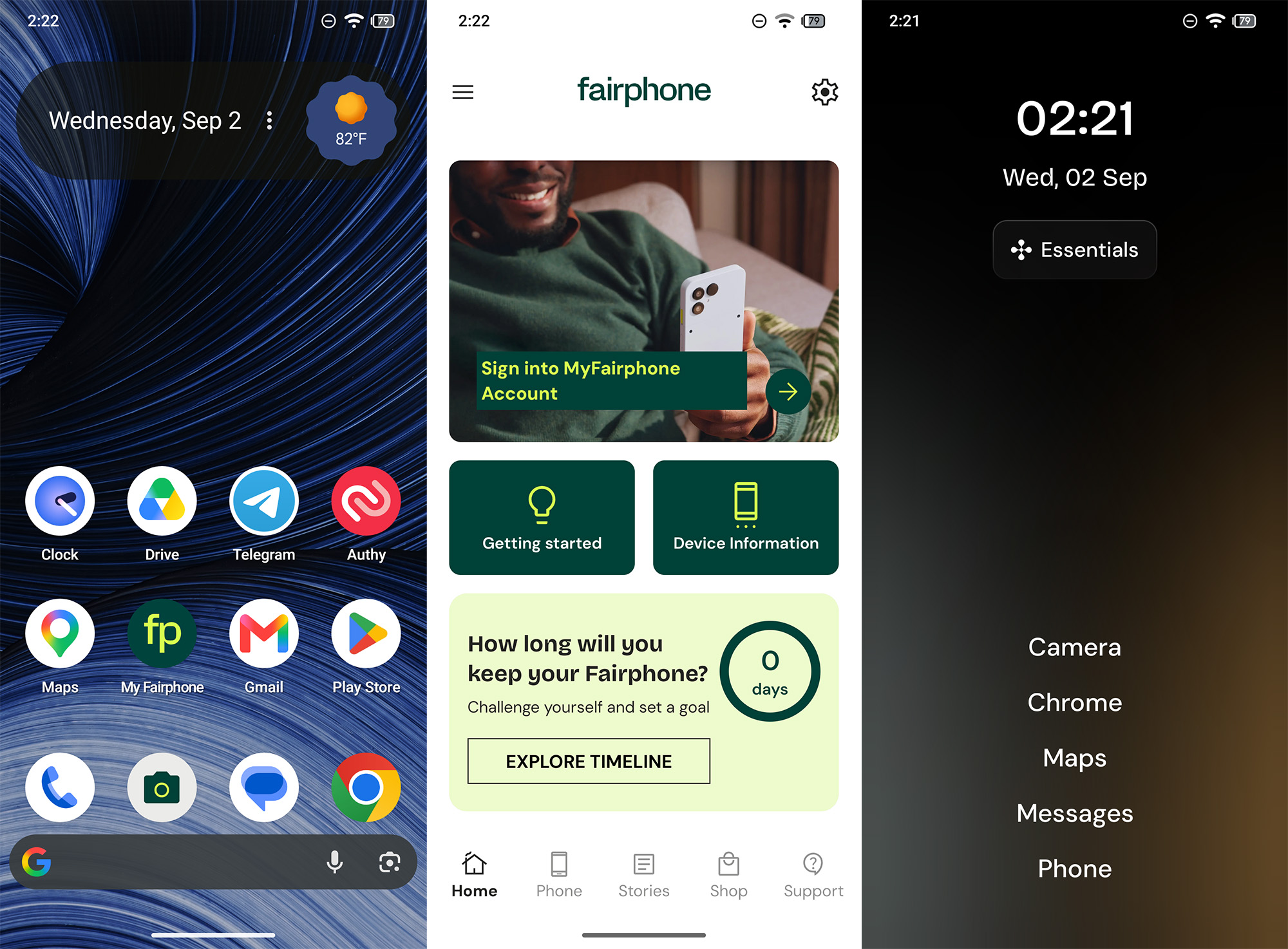
Fairphone’s version of Android is light on bloat.

Fairphone’s version of Android is light on bloat. Credit: Ryan Whitwam

The modular design allows for a little fun in the form of accessory back panels. You can swap them just by removing the two external screws. There’s a finger loop back (below), a card holder, and a lanyard that works with any of the backs. Hatton notes that the accessories also invite users to open up the phone to see how easy it is, something Fairphone recommends people get familiar with even if they don’t have any accessories to swap—it’s like knowing where the spare tire is in your trunk.

The Fairphone Gen 6+ runs a minimally customized build of Android 16, so it’s a bit behind the latest and greatest. Thankfully, Google doesn’t limit as many features to the latest builds of Android anymore. It has almost no bundled software outside of the standard Google apps, which is nice to see, but if you’re hoping for a phone that’s crawling with snazzy software features, this is not it.

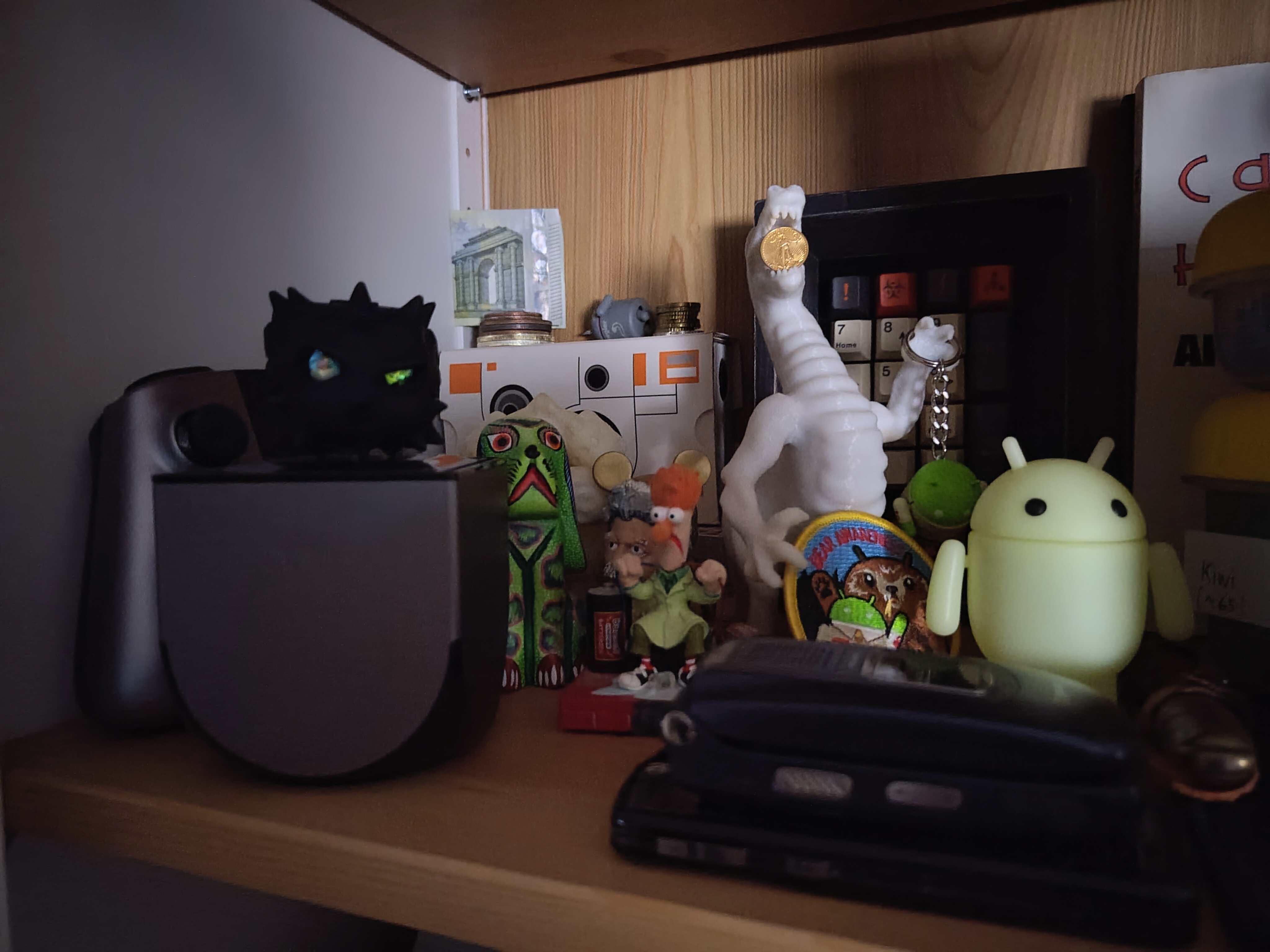
Fairphone sample fair

Outdoors overcast

Fairphone sample UW stage

Ultrawide

One of Fairphone’s few software customizations is called Moments, which you can toggle with the brightly colored side switch. Moments can help limit distractions by hiding most of your apps behind a minimalist UI. It’s just a full-screen app overlay rather than a completely custom home experience, though. If you don’t fancy the digital well-being approach to mobile tech, you can remap that switch. Using it as a flashlight toggle is nifty, for example.

The camera may be the biggest compromise if you switch from a Google or Samsung phone. The hardware is typical for the mid-range, with a 50 MP Sony 700C joined by a 13 MP OmniVision OV13B10. That third lens on the back is actually a window for a time-of-flight sensor that helps with focus. With ample light, both rear sensors produce good images, and the primary even does fine in some more challenging conditions.

Capture speeds are long, though, making it hard to get clear images of moving subjects. Colors look a bit flat, too, and autofocus speed seems on the slow side. There’s a 32 MP selfie camera, which looks a touch dimmer than most devices in this price range.

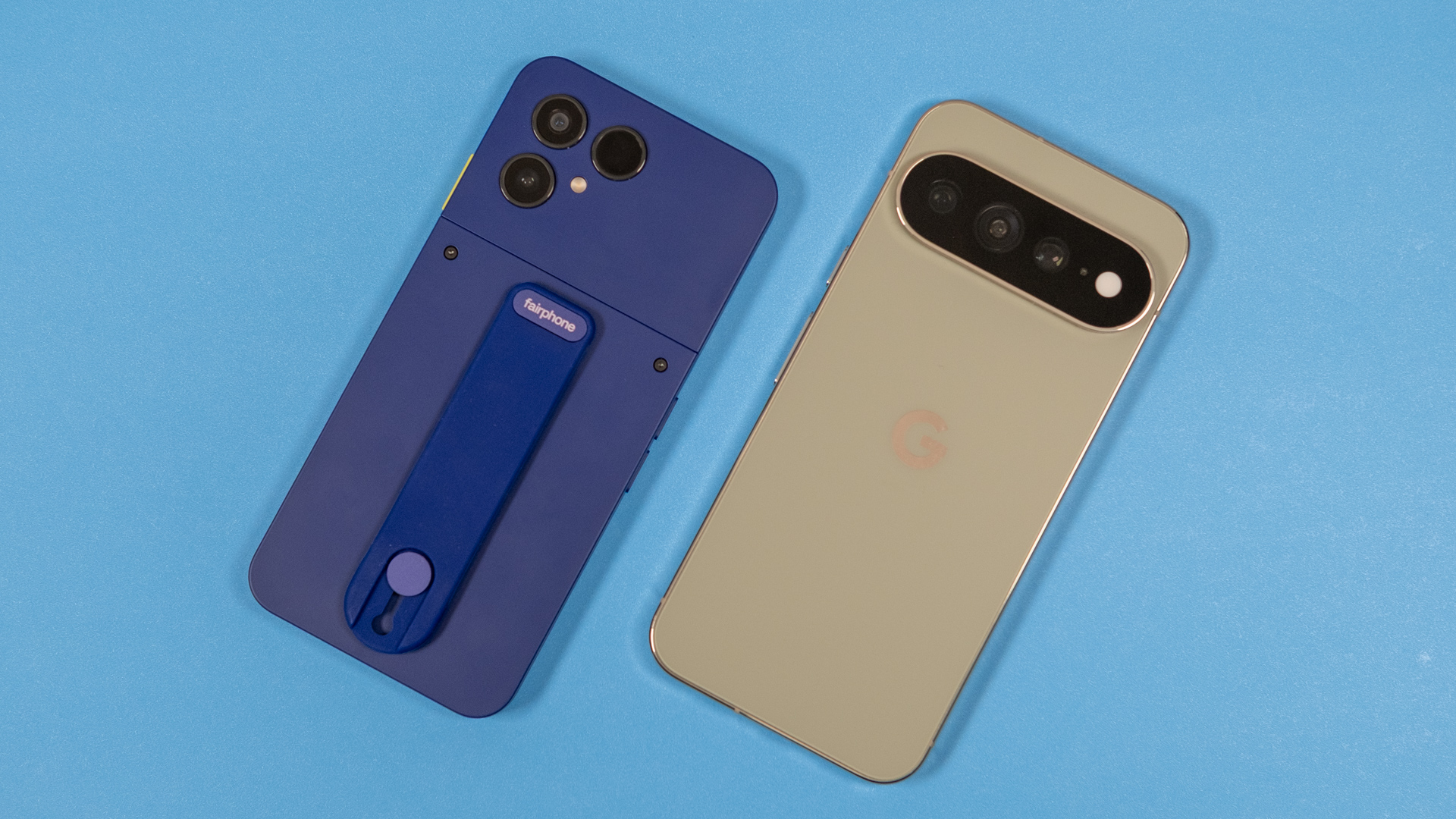
The Fairphone Gen 6+ (left) might not be as sleek as the Pixel 11 Pro XL (right), but you don’t need a hairdryer to open it up.

The Fairphone Gen 6+ (left) might not be as sleek as the Pixel 11 Pro XL (right), but you don’t need a hairdryer to open it up. Credit: Ryan Whitwam

With support increasing for making electronics more repairable, other companies may need to start moving in Fairphone’s direction. In Europe, regulators are preparing to require removable batteries, and more US states are enacting right-to-repair laws. The Fairphone CTO stresses that other OEMs have what they need to make phones more repairable.

“We’re producing our phones on the same production lines as our competitors, and often with many of the same components,” said Hatton. “It’s actually quite a small industry when you’re in it, and there is very little room for one of our competitors to say it’s impossible when on the next production line over it is happening.”

The Fairphone Gen 6+ is available directly from Fairphone, as well as on Amazon. It’s unlocked and works on both AT&T and T-Mobile.

US envoy to Israel visits occupied West Bank, calls occupiers attacking Palestinians ‘terrorists’

0
us-envoy-to-israel-visits-occupied-west-bank,-calls-occupiers-attacking-palestinians-‘terrorists’
US envoy to Israel visits occupied West Bank, calls occupiers attacking Palestinians ‘terrorists’

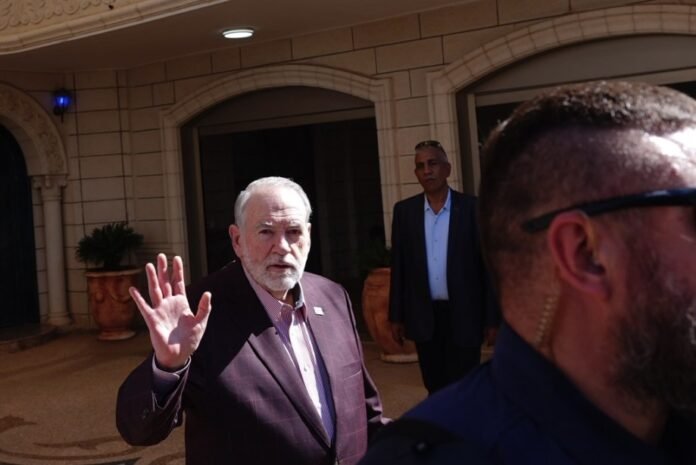
US Ambassador to Israel Mike Huckabee visited the occupied West Bank on Saturday, calling occupiers staging attacks against Palestinian “terrorists,” Anadolu reports.

“I know that’s an uncomfortable word for some people, but when you try to create an atmosphere in which people feel uncomfortable living in their own homes, their children playing in their own lawns and yards, and people feeling that they’re not safe and that they’re not secure because of the behavior, the actions, and the intimidation of others, that’s terrorism by any definition,” Huckabee said during a visit to Turmus Ayya, north of Ramallah in the central West Bank.

During his visit, the diplomat met with and heard testimonies from Palestinian-Americans about the challenges they face in their daily lives, homes and properties amid occupier violence.

Huckabee said Washington will continue to send the message that “people in these communities have a right to live with a level of security and safety.”

“The (Israeli) government has a responsibility to make sure that happens,” Huckabee stressed.

Despite his criticism of the occupier violence, Huckabee is known for adopting Christian Zionist views and has previously claimed that Israel has “the right to control large parts” extending from the Nile to the Euphrates and large areas of the Middle East.

His visit comes amid a sharp increase in attacks by Israeli occupiers against Palestinians across the occupied West Bank.

The UN said in August that occupier violence had reached “unprecedented levels,” with more than 1,430 attacks resulting in casualties or property damage documented in 2026 as of early August.

US-Iran strikes raise fears of renewed war across the Middle East

0
us-iran-strikes-raise-fears-of-renewed-war-across-the-middle-east
US-Iran strikes raise fears of renewed war across the Middle East


Fears of renewed escalation gripped the Middle East on Wednesday after the United States and Iran exchanged their biggest barrage ​since July, with Washington striking Iran’s southern coast and Tehran firing at U.S. bases across the region.

With the U.S. threatening further strikes, Iran accused Washington of hitting a wedding party, killing ‌four people and wounding dozens. Its health minister later said 18 people in total had been killed and 108 injured in the latest wave of U.S. strikes.

The U.S. military said it struck air defences, radar systems, maritime assets, mine-laying capabilities and communications sites on Tuesday. Iran reported hits on multiple targets near the Strait of Hormuz.

The flare-up threatens to deepen a conflict that has dragged on since the U.S. launched strikes on Iran in February, disrupting global energy supplies and drawing opposition from a majority of Americans ahead ​of November’s congressional elections.

“Last night was like the end of the world,” Mahmoud, 38, a municipal worker in Sirik County along the strait, told Reuters by telephone, describing attacks on the area that includes ​the city where the wedding was reported to have been hit.

President Donald Trump said the U.S. hit Iran “very hard” and that Iran only responded with a “love tap.”

“It was ⁠a very heavy attack last night, and we’re prepared to do another one any time we want,” Trump told reporters at the White House.

Iran struck what it said were U.S. assets in Bahrain, Jordan, Kuwait and Iraq, and ​said its aim was now to drive U.S. forces from the vast network of military bases they have maintained for decades across the Middle East.

“American evil in the region will be met with heavier, more widespread, and devastating responses, and ​any country that cooperates with the aggressive American army must accept its dangerous consequences,” Iran’s military command said.

Iran said it killed U.S. forces in Jordan and at a base in northern Iraq, but U.S. officials told Reuters there had not been any casualties, according to initial assessments.

In Kuwait, Iran said it had carried out a missile and drone attack on the U.S. Ali Al Salem air base and on a residential complex used by a U.S. commander. Kuwait’s fire service said it put out a blaze at a residential ​complex hit by a drone.

Qatar, home of the largest U.S. air base in the Gulf, said it held Iran responsible for attacks and their repercussions. Bahrain, which houses the regional headquarters of the U.S. Navy, said Iranian drones ​were intercepted and destroyed.

Iran also said two tankers had been struck by mines while being steered through the Strait of Hormuz by U.S. personnel.

Washington says that despite Iranian attacks it is guiding ships through the strait. Energy Secretary Chris Wright said ‌more than 17 ⁠million barrels of oil exited on Monday.

Iran blacklisted 11 more ships, bringing the total number of such vessels to 56, a government website showed, meaning it would consider them subject to fines, confiscation or detention if they try to sail through the Strait of Hormuz without Tehran’s permission.

Trump repeated his assertion that the strait, which handled 20% of global oil and liquefied natural gas shipments before the war, was open to shipping.

IRAN SAYS WEDDING STRUCK

Iranians were fearful that the new strikes signalled war could restart at full scale.

“It’s very difficult to live like this. We don’t know when America will strike,” Mahpari, 28, a woman in the southern port city of Bandar Abbas, told Reuters by phone.

Iran said four ​people including a 4-year-old were killed while celebrating a ​wedding at a home in Sirik. Iranian media said ⁠as many as 68 people were wounded there, and released images of injured children in hospital.

Reuters was unable to independently verify the incident.

U.S. Navy Captain Tim Hawkins, a spokesperson for Central Command, said: “We are aware of reports, which originated from Iranian state media. The U.S. military never targets civilians, unlike the IRGC,” referring to Iran’s Revolutionary Guards.

Video shot ​by Iran’s West Asia News Agency at the purported site showed rubble strewn across rooms and a courtyard. A pair of strappy women’s dress sandals lay abandoned ​on a blood-soaked carpet.

“I am ⁠just glad the casualties weren’t even worse,” said Ali Molahi, identified as the father of the bride.

CONFLICT DRAINING BOTH SIDES

The exchange of fire was the worst since July, when Trump abruptly halted two weeks of intense bombing of Iran after warnings from his military brass that they were using up munitions and running out of meaningful targets.

Trump has yet to achieve the aims he set when launching “Operation Epic Fury” in February — to end Iran’s nuclear programme, deprive it of the ability ⁠to strike its ​neighbours and create conditions for Iranians to topple their rulers.

But the U.S. has seriously degraded Iran’s conventional military forces and taken a toll ​on Iran’s already weakening economy, U.S. officials say.

Sources have told Reuters Trump aides are trying to keep the war quiet for now to avert a defeat in the midterm elections in November. Polls show Americans oppose the war by more than a two-to-one margin.

Source:  Reuters

Huckabee Calls Settler Attacks ‘Acts of Terror’ During West Bank Visit

0


US Ambassador to Israel Mike Huckabee visited the Palestinian village of Turmus Ayya in the West Bank on Saturday, condemning violence by Israeli settlers against residents and describing attacks on people and property as “acts of terror.” 

Huckabee said illegally taking possession of property, burning vehicles, damaging mosques, and vandalizing homes went beyond ordinary criminal conduct. 

“If there are squatters that come in and put up their own flags and take possession of something that does not belong to them, if they burn a car, if they torch a mosque, if they go into someone’s home and vandalize it, paint graffiti on the walls, that’s a criminal act,” Huckabee said. 

“But it extends beyond a criminal act. It’s an act of terror,” he added. 

Huckabee also raised concerns about American citizens living in Turmus Ayya and other West Bank communities. Americans account for a small percentage of the roughly 3 million Palestinians living in the territory. 

“I’m very aware that a lot of the American people who live in Turmus Ayya and other communities across this region are not enjoying the life they deserve to live, not enjoying it in a peaceful way,” Huckabee said. 

He said their lives were being disrupted by people responsible for actions that were both unfair and illegal. 

The US Embassy does not have the authority to investigate crimes, Huckabee said, but can press the Israeli government to address them. 

The embassy can tell its host government “there are needs that need to be addressed, there are issues that cannot go unnoticed,” Huckabee said. 

He added that there were “specific crimes and acts of terror that cannot continue without that country doing the investigation and adjudication that every person has a right to expect.” 

Last week, Israeli Prime Minister Benjamin Netanyahu denounced the actions of what he described as a “handful of rioters,” while the Foreign Ministry called the settlers’ actions “a disgrace.” 


Trump White House just tossed a grenade into international space relations

0
trump-white-house-just-tossed-a-grenade-into-international-space-relations
Trump White House just tossed a grenade into international space relations

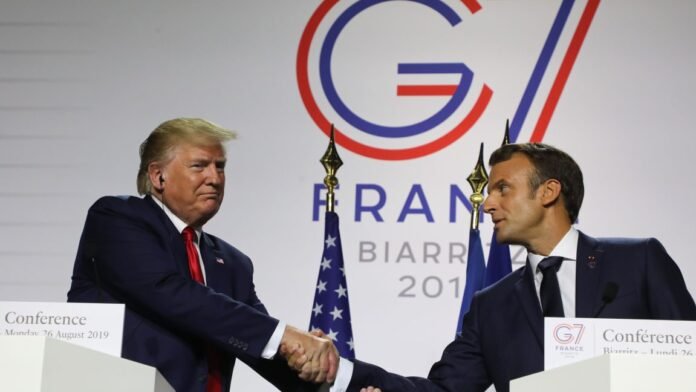
The normally genteel world of international space policy turned ugly this week as several prominent US space companies—including SpaceX, Blue Origin, Stoke Space, K2, and Starcloud—pulled out of a high-profile French space summit organized by the country’s president, Emmanuel Macron.

Politico first reported the diplomatic turmoil, saying that the White House “pressured” US space companies to skip Macron’s space summit in Paris next week. Since then, the companies have largely pulled out of the meeting without commenting publicly, though some US representation remains on the two-day program.

Multiple sources confirmed to Ars that an official with the White House Office of Science and Technology Policy, or OSTP, led the call with US space companies late last week. The call was convened in response to queries from US industry about the French meeting, which is not part of the traditional circuit of international space conferences.

What is the Space Summit?

Macron announced his plans for the meeting during a June 2025 speech on the importance of space to defense and Europe’s need to remain competitive in the domain. He said France would hold a “Space Summit” at the beginning of 2026 to consolidate French and European strategy in space and “mobilize our public and private partners from around the world.” Later, Macron announced that some of France’s most visible space officials, including astronaut Thomas Pesquet and entrepreneur Hélène Huby, would serve as special envoys.

The meeting subsequently slipped from the spring to the fall, and in the meantime, US companies received invites to attend. As is customary in such situations involving geopolitics, the government relations officials with these companies reached out to the White House OSTP with questions about the nature of the summit.

The White House officials were growing concerned that this was not a normal space industry trade show or conference but would instead include some policy prescriptions around contentious issues such as sharing of spectrum. US officials believed that at the end of the summit, European space officials may move to adopt some policies that were not necessarily beneficial to US companies.

This led to the teleconference with the OSTP and some US space companies late last week, during which the government relations officials were advised that the US firms should not necessarily expect to be treated fairly and might be pressured to endorse policy positions that misrepresent their preferences. The companies were not told they must pull out by the Trump White House but were instead advised that attending might not be in their best interests.

After news broke of this call with US space companies, France’s cabinet-level space minister, Philippe Baptiste, still urged the Americans to attend. “Let me be clear: America is not only welcome—we want you there,” he said on X. “This summit brings all major space powers to the table—science, exploration, security, telecom, SSA, and everything that matters.”

By then it was too late.

So what does all this mean?

For the US space companies, it was a relatively easy choice to pull out. For many of these firms, the US government is one of the most important customers, if not the most important, and it’s bad business to ignore the customer’s wishes. But they also look to Europe as an important source of revenue. As Europe looks to build up its communications and defense capabilities in space, it would be expected to buy a lot of satellite buses, star trackers, and other services from the vibrant US commercial space industry. Now, those cross-Atlantic relationships will become more painful, and Europe will likely incentivize buying anything but US space products.

For the White House, there likely was a dual motivation at work. On one hand, US policy officials recognize that the commercial space industry is a major strength of this nation, running laps around Europe and keeping America ahead of China in space. That is worth protecting. But the White House pressure campaign also serves the aims of President Trump, who has decided that he wants to antagonize traditional US allies and seemingly aid Russian President Vladimir Putin in his efforts to undermine NATO. In some corners of the White House, “Europe” has become a dirty word. So keeping major US players away from Macron’s space meeting was a convenient way to embarrass the French leader.

This all feels very unfortunate and unnecessary. Traditionally, space has been a unifier when it comes to geopolitics, with the International Space Station and its partnership that spans Russia, the United States, and the whole of Europe only being the foremost example.

But as it trods a divisive geopolitical course, the Trump Administration has evidently decided that it’s best to use even this tool as a wedge rather than a bridge.

0FansLike
0FollowersFollow
0FollowersFollow
0SubscribersSubscribe
- Advertisement -
Google search engine

Recent Posts