Home Blog

Why US won’t win with force alone in the Strait of Hormuz

0
why-us-won’t-win-with-force-alone-in-the-strait-of-hormuz
Why US won’t win with force alone in the Strait of Hormuz

Iranian attacks on Gulf vessels trying to transit via Omani sovereign waters have once again pulled the region into a tit-for-tat spiral of escalation.

The US responded by canceling the waiver permitting Iranian oil exports. Two nights of punitive airstrikes by the US Air Force against targets across southern Iran followed. Iran answered with ballistic missile and drone attacks on US installations in Bahrain and Kuwait.

The reluctance of both Iran and the Trump administration to return to full-scale war has not changed. But the boundaries of acceptable violence under this ceasefire are unacceptable for the Gulf states, who want to return to business as usual.

Washington is not helpful in this standoff, as its desperate attempts to force the Islamic Revolutionary Guard Corps (IRGC) off the Strait of Hormuz by coercion alone will not work. Punitive airpower will not make the IRGC surrender a prize it treats as a strategic spoil of war.

Under the memorandum of understanding now framing the crisis, Iran has 60 days to guarantee freedom of navigation. But it will only do so on its own terms. This risks creating a situation that gives it undue influence over the way Gulf states are able to do business with the world.

The way out is not more firepower, from either side. But this is a bargain the Gulf states themselves must broker, to convince Iran that restraint pays in the form of sanctions relief, unfrozen assets and a return to global markets. The Gulf’s task is to make the IRGC’s own interest point towards open passage.

For Iran, the war over Hormuz is now not just about money but also about authority and prestige. It wants recognition as the legitimate master of the strait – a status neither Washington nor the Gulf can afford to grant.

So, the Gulf must invest in its own diplomatic and coordinating capacity, led by Qatar and Oman, to retain strategic autonomy and sovereignty – as neither Europe nor America will come to its aid.

The Iranian attacks are not random pressure. Oman has tried to open a southern corridor in its sovereign waters close to its coastline, to provide an alternative passage that would loosen Iran’s grip on the strait. The IRGC answered by attacking vessels transiting that corridor, to mark a clear red line.

An alternative route that works, even once, establishes that the Gulf can route around Iran, diluting the authority the IRGC is trying to claim.

ISW map showing competing routes for vessels transiting the Strait of Hormuz, July 2026.
Competing routes for vessels transiting the Strait of Hormuz, July 2026. Institute for the Study of War

For the IRGC, the Strait of Hormuz has become a token of victory – meaning money alone is not an answer.

The temptation is to solve this with a toll. But any profits would be relatively small, as they have to be proportionate to the services actually rendered. This might be hundreds of millions of dollars a year, not billions.

Compensation on the scale of billions could only come from what a wider settlement can deliver: sanctions relief, unfrozen assets, and economic investment that Iran’s markets can actually absorb.

Islamic Republic rift

This exposes a rift in the Iranian regime. Its pragmatists understand the real prize is a return to global markets, which endless confrontation will prevent.

But the IRGC – actively involved in maritime aggression in the strait – sees the fee scheme as revenue it could bank for its own budget, quickly, while talks resulting in sanctions relief could drag on for years.

This is why the Gulf must offer a credible pathway in which restraint today leads to relief tomorrow, so Tehran’s leadership can tell its hardliners that patience will pay more than pressure.

Some may object that Iran will simply take the relief while continuing to disrupt the strait. The credulous reading – that money buys compliance – misreads a regime for which prestige outranks revenue. The cynical reading – that Iran will never commit to a deal – misreads the pragmatists who know that continued sanctions are a dead end for Iran.

The truth sits between: Iran will negotiate indefinitely and commit to nothing, because ambiguity is cheap. So the task is to make ambiguity expensive.

The right question, then, is whether the Gulf can arrange the incentives so that keeping the strait open becomes Tehran’s own path of least resistance.

The Gulf states cannot tolerate, under any circumstances, a permanent change in the status of the strait. Limbo is as unaffordable as war. For Washington, resolving this issue would offer an exit from a bombing campaign that will never deliver its desired result.

Gulf states must take the lead

This is why the Gulf must build its own capacity now: a durable coalition of the willing, anchored by Qatar’s diplomacy and Oman’s role as a guardian of the strait. This should be multiplied by shared Gulf maritime capabilities to escort vessels and keep the waters drone- and mine-free.

On the strategic level, it requires a Saudi-led joint security framework between the Gulf and Iran, built around a non-aggression pact and deconfliction channels.

For too long, the Gulf has delegated security to Washington, which has become an unreliable and often toothless tiger in the face of Iranian resistance.

Donald Trump’s impulsive and improvised statecraft has become a liability. It has dragged the Gulf into spirals of escalation in which Kuwait and Bahrain in particular have become collateral damage.

The greatest incentive the Gulf states can provide to dissuade Iran from its self-destructive trajectory of protracted resistance is a credible route to some form of financial compensation, at the end of a diplomatic process.

A Gulf acknowledgement of Iran’s status in an equitable security framework, combined with the prospect a windfall down the line, will do more than protracted remote warfare from the air against an enemy with a high threshold of pain.

Andreas Krieg is associate professor, Defence Studies Department, King’s College London

This article is republished from The Conversation under a Creative Commons license. Read the original article.

South Africa’s Anti-Immigrant Unrest Tests Its Pan-African Standing

0
south-africa’s-anti-immigrant-unrest-tests-its-pan-african-standing
South Africa’s Anti-Immigrant Unrest Tests Its Pan-African Standing


Anti-immigrant protests, diplomatic tensions, and growing migration pressures are challenging Pretoria’s efforts to balance domestic politics with its leadership role across Africa

[JOHANNESBURG] Melissa came to South Africa 10 years ago and took whatever work she could find, sending money home to her parents in Zimbabwe. This month, she started packing.

“I am planning to go back home, because I’m no longer safe in this country,” she told The Media Line. Many of those leaving are here legally, she added. “Some of us have papers, but now we are forced to go.”

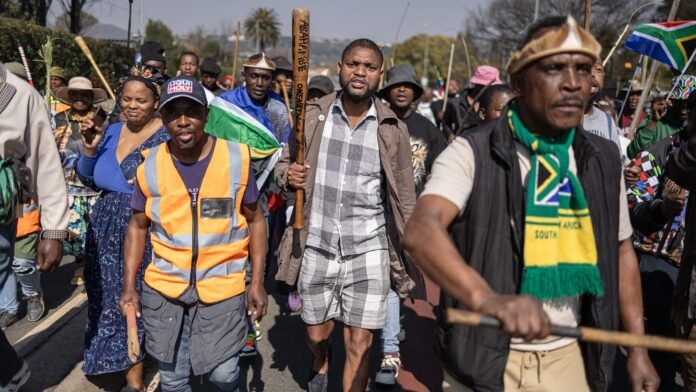
Melissa is among tens of thousands of foreign nationals who have left South Africa as anti-immigrant protests, sporadic violence, and fears of further unrest have spread. What began as a domestic confrontation over immigration has become a diplomatic challenge for a country whose post-apartheid foreign policy has placed Pan-African solidarity at its center.

Ghana, Mozambique, Malawi, Zimbabwe, and Nigeria have helped citizens return home while raising concerns about their safety. By early July, Malawi said it had brought home more than 38,000 nationals, while Zimbabwean authorities reported that more than 60,000 citizens had returned during the unrest and intensified immigration enforcement.

Anti-immigrant groups set June 30 as a deadline for undocumented foreigners to leave following weeks of attacks and confrontations. Mozambique said violence in Mossel Bay killed five of its citizens in late May. Ghana and Nigeria separately raised concerns over deaths of their nationals, while thousands of migrants lined up at consulates, temporary camps, and repatriation centers.

March and March, the most visible group within a coalition of more than 20 anti-immigrant organizations, mobilized demonstrations across South Africa on June 30. Its leader, Jacinta Ngobese-Zuma, has repeatedly rejected the description of the movement as xenophobic.

“We don’t care if it’s white people, Chinese or anyone else,” Ngobese-Zuma said at a June 24 media briefing in Midrand. “We just want people to be in the country legally.”

President Cyril Ramaphosa met protest organizers before June 30 and urged them to pursue their demands lawfully. In a June 29 weekly letter published by the Presidency, Ramaphosa acknowledged that South Africa’s immigration system required “substantial reform” and said the government was strengthening border management and enforcement against undocumented immigration. He also warned that private groups could not assume the powers of the state.

Police and soldiers deployed nationwide on June 30.

Deputy National Police Commissioner Tebello Mosikili told a July 1 press conference that police recorded 120 marches. Of those, 108 remained peaceful, while 12 required police intervention.

In Johannesburg’s Alexandra township, police said one person died in a shooting late on June 30 as residents looted foreign-owned spaza shops. A shooting in Hillbrow, in inner-city Johannesburg, wounded two people. Police arrested more than 900 people on charges ranging from public violence and robbery to immigration violations and harboring undocumented migrants.

On July 3, Ramaphosa informed Parliament that 3,405 members of the South African National Defense Force had been deployed from June 28 to support police.

The unrest has also raised questions about how South Africa’s domestic tensions fit with its longstanding Pan-African foreign policy.

Chrispin Phiri, spokesperson for the Department of International Relations and Cooperation (DIRCO), told The Media Line that the government does not view the unrest as evidence that the country has abandoned those commitments.

Our commitment to the continent remains foundational to our foreign policy identity

“Our commitment to the continent remains foundational to our foreign policy identity,” Phiri said. “We do not see our historical role as a champion of Pan-African solidarity as diminished by localized tensions, but rather as being tested.”

DIRCO views the unrest, he said, “not as an ideological failure of Pan-Africanism, but as an urgent domestic governance issue that requires a human-rights-centric response.”

Since the end of apartheid, Pretoria has sought influence through the African Union (AU) and the Southern African Development Community (SADC), while presenting human rights and international law as pillars of its foreign policy.

Loren Landau, a migration scholar at the University of Oxford and the University of the Witwatersrand, told The Media Line that he viewed the marches less as a referendum on immigration than as evidence of broader changes in South African politics.

“My greatest takeaway from the marches and the lead-up to them is that they are less about immigration and more about the nature of South African politics,” Landau said, “and the degree to which it has become captured by people willing to use the language of hate, threats of violence, and actual violence to shape the country’s political future.”

Politicians who lack genuine or practical solutions to economic inequality, poverty and unemployment are using immigration to advance their political careers

“Politicians who lack genuine or practical solutions to economic inequality, poverty and unemployment are using immigration to advance their political careers,” he argued.

Phiri said the government is seeking to resist populist appeals while protecting the country’s regional standing.

“As Minister Lamola has recently articulated, we reject populist or xenophobic narratives that seek to turn Africans against each other,” he said. “Our standing relies on our ability to openly confront these internal social challenges while remaining steadfast in the AU and SADC agendas.”

Ronald Lamola, the minister of international relations and cooperation, expressed that position in a May 8 statement after Ghana requested a debate at an African Union summit on what Accra described as xenophobic attacks against African nationals in South Africa.

XenoWatch, a project at the University of the Witwatersrand, has recorded 1,321 xenophobic incidents since 1994, including 698 deaths and the displacement of nearly 129,000 people.

John J. Stremlau, an honorary professor of international relations at the University of the Witwatersrand, told The Media Line that political pressure for stronger immigration enforcement could not simply be dismissed.

“We live in a world of nation-states,” he said. “South Africa has experienced an inflow of people who are desperate for work. South Africa remains one of the most unequal societies in the world, so political pressure to restrict illegal immigration is understandable.”

“Personally, I wish South Africa could afford to receive more refugees, but it can’t,” he added.

For Stremlau, economic and political pressures do not excuse attacks on migrants.

The violence itself is not understandable

“The violence itself is not understandable,” he said, tracing part of the political climate to Zulu nationalism and figures including former President Jacob Zuma and his MK party.

The diplomatic friction has been sharpened by competing accounts of deaths involving foreign nationals.

Nigeria raised concerns over the deaths of two citizens in separate incidents involving South African security personnel in April. In early May, Nigerian Foreign Affairs Minister Bianca Odumegwu-Ojukwu called the deaths “utterly condemnable and unacceptable” and demanded justice.

South African police said on July 7 that one of the men, Nnaemeka Matthew Andrew Ekpeyong, collapsed after officers arrested him during a drug-related operation at his Pretoria apartment. Police said the death was unrelated to anti-migrant violence. The Independent Police Investigative Directorate is investigating, and South Africa has asked Nigeria to submit evidence concerning allegations against its security forces through diplomatic channels.

Ghana has also disputed South Africa’s account of a death involving one of its citizens. Ghanaian authorities said Bashiru Isak, 40, was killed in Cape Town during the period of the June 30 protests and called for an independent investigation.

South African police said they had no record of a Khayelitsha murder matching Ghana’s description and requested further details. Police said the Ghanaian killing they were investigating involved Kwabena Boagen, 35, who was shot June 29 in Nyanga, outside Cape Town. They described the case as suspected extortion-related violence rather than a xenophobic attack.

Justice Minister Mmamoloko Kubayi has said police records showed no deaths during the June 30 demonstrations.

Phiri confirmed that DIRCO had received formal communications from several African governments over the safety of their citizens.

“Receiving these concerns is standard diplomatic practice during periods of social friction,” Phiri said. “We welcome this direct engagement, as it allows us to counter disinformation with verifiable facts about our domestic stabilization efforts.”

On July 7, Accra postponed high-level bilateral meetings with South Africa that had been scheduled for August.

Ghana’s minister of state for government communications, Felix Kwakye Ofosu, told Reuters that anti-migrant violence risked overshadowing the meetings, which Ghana was due to host and Presidents John Dramani Mahama and Cyril Ramaphosa were expected to co-chair.

Phiri rejected reports portraying the postponement as a diplomatic “snub” of Ramaphosa.

“We want to explicitly correct the record here. There was no ‘snub.’ Neither the Presidency nor DIRCO requested a formal state visit that was subsequently declined by Accra,” he said. “We recognize that relations have experienced some strain due to broader concerns over anti-immigrant rhetoric on the continent.”

He added that Lamola remained in “continuous, constructive communication with his Ghanaian counterpart to strengthen our historical bilateral bonds.”

The diplomatic concern predates the June 30 demonstrations. In May, African ambassadors and high commissioners stayed away from South Africa’s Africa Day celebration.

The marches also did not end the anti-immigration campaign. Ngobese-Zuma had promised weekly demonstrations for six months, and protesters returned to the streets in Johannesburg, Soweto, and Durban on July 9.

According to Reuters journalists in Alexandra, protesters entered or attempted to force open homes and businesses while searching for suspected undocumented migrants, removing some people and handing them to police.

Those taken included a Malawian woman carrying a child. A Zimbabwean man told Reuters that he had legal status under the Zimbabwe Exemption Permit.

Some flyers promoting the July 9 demonstrations advertised a “peaceful march” followed by “door to door.”

The government has repeatedly said that only state authorities have the power to arrest, deport, or determine a person’s immigration status.

South Africa’s migrant population is deeply embedded in construction, agriculture, retail, and transport. United Nations data from 2024 estimated that 2.6 million international migrants lived in South Africa, about 5% of the population. A 2018 study by the Organisation for Economic Co-operation and Development and the International Labor Organization estimated that immigrants contributed about 9% of the country’s gross domestic product.

Landau said the reputational damage could affect South African companies operating elsewhere on the continent.

“South African businesses will find it harder to operate because their brand has been damaged,” he said. “Many countries now have alternatives, and I think they will increasingly choose non-South African options where possible.”

Landau called the June 30 security deployment “unfortunately necessary,” but said authorities had allowed tensions to build through a prolonged lack of response.

“It came after a long period of non-response,” he said.

The longer-term answer, he argued, requires negotiation “about how migration can strengthen the regional economy for everyone.”

Pretoria, meanwhile, is intensifying immigration enforcement. Kubayi said at a July 12 briefing that 53,449 foreign nationals had been processed for deportation or repatriation as of the previous day. Authorities deported 4,898 people in June.

Melissa has already made her decision. After 10 years in South Africa, she is preparing to return to Zimbabwe.

“My family calls me every day and tells me to come home as soon as I can,” she said. “So now I’m going back to Zimbabwe and starting over. I know it won’t be easy. Even finding work there is difficult.”
UAE says Sunday’s missile threats ‘were outside country’s borders’

0
uae-says-sunday’s-missile-threats-‘were-outside-country’s-borders’
UAE says Sunday’s missile threats ‘were outside country’s borders’

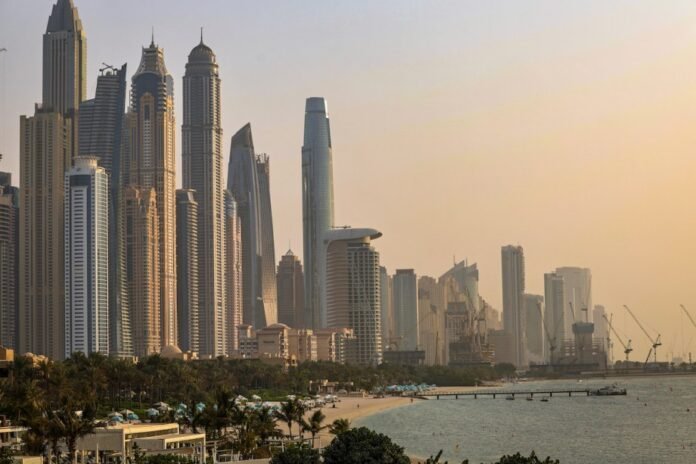
High-rise buildings stand at the Dubai Marina on August 28, 2025. [FADEL SENNA / AFP/ Getty Images]

High-rise buildings stand at the Dubai Marina on August 28, 2025. [FADEL SENNA / AFP/ Getty Images]

The United Arab Emirates (UAE) said missile threats detected early Sunday “were outside the country’s borders,” Anadolu reports.

“National monitoring and tracking systems are operating at the highest levels of readiness and efficiency around the clock,” the UAE Defence Ministry said on the US social media company X.

The statement came hours after Tehran said earlier that it launched attacks on US military sites in regional countries in retaliation for attacks by Washington against Iranian targets.

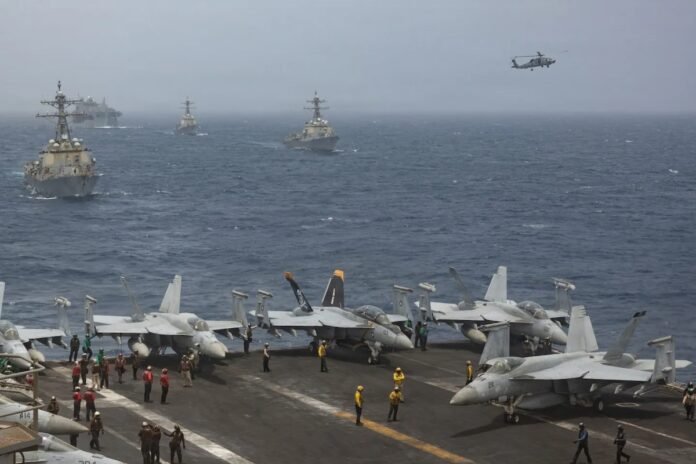
The US said late Saturday that it had completed a third round of military strikes against Iran this week following another Iranian attack on a commercial vessel in the Strait of Hormuz.

What Canada’s TKMS sub deal means for the Indo-Pacific

0
what-canada’s-tkms-sub-deal-means-for-the-indo-pacific
What Canada’s TKMS sub deal means for the Indo-Pacific

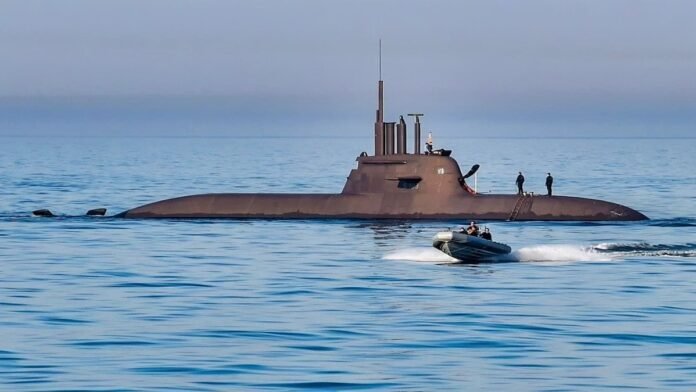
During the July 2026 North Atlantic Treaty Organization (NATO) summit in Ankara, Prime Minister Carney announced Germany’s ThyssenKrupp Marine Systems (TKMS) as Canada’s primary supplier for 12 diesel-electric Type 212CD submarines over the Republic of Korea (ROK)’s Hanwha Ocean to replace its Victoria-class submarine fleet.

Carney believes this will strengthen interoperability with NATO allies and increase Canada’s maritime presence in the Atlantic Ocean. However, despite Carney’s reassurance of Canadian commitment to the Indo-Pacific, this signals a quiet, significant geopolitical retreat.

By choosing Germany over the ROK, Canada fundamentally shifts its ambitions of becoming a major player in the Pacific toward a more traditional role as a Eurocentric actor. 

Getting down to brass tacks

Beyond intentions to strengthen NATO operations, the type of submarines Canada wants to procure has little to no relevance to the Pacific Ocean.

Germany’s Type 212CD by TKMS is an electric-powered stealth submarine that uses air-independent propulsion technology to stay submerged for weeks at a time and is designed in partnership with Norway. They are exclusively tailored for the shallow, icy waters of the Atlantic and Arctic oceans and optimized to stand against Russian undersea activity.

The ROK’s KSS-III Batch II by Hanwha Ocean has a similar diesel-electric submarine fleet, yet it provides long-range operation capabilities that Arctic-optimized boats aren’t built for. Its defining attribute is its Vertical Launch System (VLS), allowing long-range cruise missiles, and it is primarily designed for land attacks. Most importantly, the ROK’s main selling point to Canada was Indo-Pacific maritime expansion. 

Despite both submarines meeting the military requirements for Canada, the 212CD’s Arctic operation strengths point to Canada’s renewed focus on NATO commitments and operations against Russian forces. While factors like timeline and industrial costs may have contributed to Canada’s decision, they don’t explain the strategic signal here.

This decision implies Canada will not plan to send its new submarines to counter China’s navy, especially in places like the South and East China Seas, where sustained submarine presence is necessary to deter Chinese presence. Especially when a procurement of this size occurs, Canada has picked a submarine better oriented for potential European conflicts, not the Pacific theater.

Undoubtedly, tripling the Canadian submarine fleet, strengthening interoperability between NATO allies, and increasing Arctic maritime presence is a huge upgrade for deterring Russian military operations. But the strategic upgrades in the Atlantic Ocean come at a cost in the Pacific Ocean.

Indo-Pacific implications

The most immediate concern of this decision points to Canada’s Operation HORIZON’s future sea operations, especially with submarines. Operation HORIZON is Canada’s military plan to promote stability within the Indo-Pacific region by participating in pan-domain military activities with Pacific allies.

Canada has remained steadfast in maintaining these commitments by running recent tactical deployments like Exercise Valiant Shield and Rim of the Pacific (RIMPAC).

However, this submarine deal directly contradicts Operation HORIZON’s broader goals, increasing military interoperability between the Indo-Pacific and supporting its anti-submarine warfare efforts. Especially as China grows its undersea submarine fleet, Canada’s designed submarines from the ROK would have played a significant role in deterring China.

While many say Canada’s newly procured Type 212CD submarines or its existing submarines can simply be sent to the Indo-Pacific and resolve this problem, this is simply not true. As of July 2026, Canada has only 1 operational submarine that simply cannot patrol the Pacific and Arctic coasts, and the new procurement is expected to be delivered in 2034.

And while the Type 212CD can theoretically operate in Pacific waters, the ship’s capabilities are centered on NATO’s preexisting infrastructure and cannot execute timely cross-Pacific transits like the ROK’s KSS-III submarines.

Forcing the Type 212CD submarines to be used in the Pacific would mean an extremely slow transit and a critical absence of missile payload to deter China, bringing minimal strategic value to the Pacific region.

Furthermore, the working assumption that frameworks like AUKUS or the Quadrilateral Security Dialogue, and shipbuilding partnerships have been that the US and its allies, like Canada, would gradually add more maritime presence against China.

But Canada has made it especially clear they will not be a first-order contributor to Pacific deterrence. This submarine procurement from Germany moves Canada closer to Europe and the Atlantic, yet further away from Indo-Pacific matters. 

The ROK’s loss

This was a huge loss for the ROK, both economically and strategically. The ROK’s growing defense export industry has been trying to appeal to its allies with its own sea vessels but has been particularly unsuccessful in submarine affairs.

Along with the failed Canada deal, Hanwha Ocean also failed to win the contract to build India’s Project-75I submarines. These contracts are economically crucial to the ROK’s key defense exporters, such as Hanwha Ocean, as seen after Canada’s announcement, when their stock dropped by over 20%. 

More importantly, the ROK’s pursuit of submarine contracts in North America and Europe can be seen as ROK efforts to advance broader defense cooperation. The same interoperability that Carney refers to for NATO’s submarine forces is exactly what the ROK hopes to develop within the Indo-Pacific.

If Carney did go with the ROK, the allied submarine presence would reinforce a collective deterrence against China rather than Russia.

Looking ahead

Canada’s Indo-Pacific commitment is sincere, but its procured submarines say otherwise. Arctic-hulled submarines aren’t used to patrol Pacific waters, no matter how committed Canada is.

The ROK has just learned that the Western alliance’s defense procurement circle depends on a stronger alliance infrastructure it doesn’t yet have. A distinct level of interoperability and political trust NATO has built across North America and Europe is an element the ROK simply cannot compete with.

If the Indo-Pacific countries truly want to establish a greater network of defense procurement with their European and North American counterparts, they need a procurement architecture like NATO’s that makes an Indo-Pacific partner the easy option.

Institutional support, procurement agencies, common logistics protocols and joint interoperability standards could be the starting points for the ROK and its neighbors.

Daniel Han Tae Choi (daniel@pacforum.org) is a research intern at Pacific Forum and a junior at Pomona College, where he studies economics. His research focuses on US-ROK alliance dynamics, Indo-Pacific Security and great power competition.

This article first appeared on Modern Diplomacy and is reproduced here with the author’s permission.

Marvel Star Dies at 82

0
marvel-star-dies-at-82
Marvel Star Dies at 82


Wai Ching Ho, the veteran actress beloved by Marvel fans for playing the mysterious villain Madame Gao in Daredevil, Iron Fist and The Defenders, has died. She was 82.

Her former Daredevil costar Peter Shinkoda announced the news on Instagram on Saturday, July 11.

“Just lost someone very special to me,” Shinkoda wrote. “She was one of the coolest. Thinking aloud. #Gao.”

He later shared more photos of Ho and remembered her as someone who left a lasting mark on him, both on set and off.

“I won’t ever forget you,” he wrote. “I learned every minute from you when we were together on and off set. I know wisdom — I’d hang on your every word. We will meet again, my friend. You were beautiful.”

Actor Perry Yung shared another tribute on Sunday, July 12, writing that Ho “passed away peacefully after a stroke two days ago.”

Yung remembered Ho not only as a gifted performer, but as a cherished friend.

“I had seen her perform many times on stage, had many a dim sum and she came to see @slantperformancegroup many times,” he wrote.

He also recalled having the “enormous good fortune” of playing her husband in the film High Resolution, in which they portrayed the parents of Justin Chon’s character.

“Wai Ching was a kind, compassionate human being whose work as an artist lifted every production to a higher standard, and we are better for it,” Yung continued. “Rest in power dear friend.”

Ho became widely known to a new generation of viewers through her Marvel role as Madame Gao, a calm but terrifying figure who could control a room with barely more than a look.

She first appeared as the character in Daredevil in 2015, then returned for Iron Fist and The Defenders. Her performance made Madame Gao one of the more memorable villains in Marvel’s Netflix universe.

But Ho’s career reached far beyond Marvel.

The Hong Kong actress was a longtime performer with credits across film, television and theater. She appeared in Premium Rush, Hustlers, Fresh Off the Boat and Awkwafina Is Nora from Queens. She also voiced Grandma Wu in Pixar’s 2022 animated hit Turning Red.

Ho also appeared in two episodes of One Life to Live and built a respected stage career. Her theater work included Celine Song’s off-Broadway play Endlings.

Actress Mahira Kakkar paid tribute to Ho on Instagram, remembering her as “warm, funny, caring, joyful, positive and a truly wonderful actor.”

“For those of us who did not have a lot of role models and mentors in the industry Wai was a pillar,” Kakkar wrote. “I am deeply grateful I got to know her and I am very sad she is gone.”

Kakkar also praised Ho’s character, saying she “utterly refused to speak ill of anyone.”

“My dear Wai you deserve all the standing ovations — what a stellar human and a stellar artist,” she added. “What an example of how to live.”

Ho was photographed at the New York screening of Marvel’s Iron Fist in 2017, where fans celebrated her chilling turn as Madame Gao. Two years later, she attended the 2019 Tribeca Film Festival screening of Lucky Grandma in New York City.

Though many viewers knew her best as a powerful on-screen villain, those who worked with her remembered something very different: a generous artist, a kind friend and a steady presence whose work quietly elevated every project she joined.

Lindsey Graham’s Death Leaves Void in Defense and Diplomacy 

0
lindsey-graham’s-death-leaves-void-in-defense-and-diplomacy 
Lindsey Graham’s Death Leaves Void in Defense and Diplomacy 


The South Carolina Republican’s death leaves Israel without one of its most influential allies in Congress  

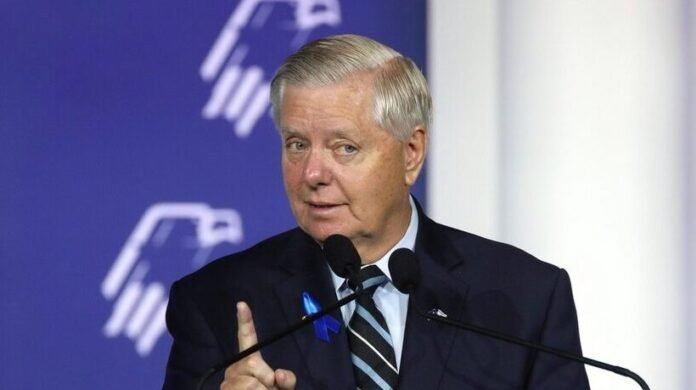
Two days before his death, US Sen. Lindsey Graham was in Kyiv discussing Russian sanctions, Ukraine’s air-defense needs, and the future of American support. It was his 10th visit to Ukraine since Russia launched its full-scale invasion in 2022, and the South Carolina Republican appeared to be following the same routine that had defined much of his career: travel to an allied country, meet its leaders, return to Washington and push their case inside Congress and the White House.  

Graham died Saturday aged 71 following what his office described as a “brief and sudden illness.” His office did not immediately disclose an official cause of death.


His death removed from the Senate one of its most visible champions of US military power and close alliances, including strong support for Israel and Ukraine and pressure on Iran. In Jerusalem, Israeli leaders treated his death not simply as the loss of a supportive legislator, but as the end of a political relationship that they had come to rely on.  

We shall not see his likes again

President Donald Trump called Graham “one of the greatest people and senators I have ever known,” describing him as a tireless worker and “a true American patriot.” Senate Majority Leader John Thune emphasized Graham’s military service and his belief that American strength could be used to support democratic allies abroad. South Carolina Gov. Henry McMaster remembered him as a relentless fighter for both his state and the country, saying, “We shall not see his likes again.”  

The most personal statements came from Israel, where Graham had spent years developing ties with political and security officials. “Lindsey understood that the security of Israel and America are inseparable,” Prime Minister Benjamin Netanyahu said. “Israel has lost one of its greatest friends. America has lost a great patriot. I have lost a beloved friend.”   

Lindsey understood that the security of Israel and America are inseparable

President Isaac Herzog described Graham as “a beacon of moral clarity” and a central figure in the US-Israel partnership, while Defense Minister Israel Katz recalled how the senator repeatedly returned to Israel after the Hamas attack of October 7, 2023.  

The tributes crossed Israel’s normal political divisions. Foreign Minister Gideon Sa’ar said Graham had been “the best senator and the best friend.” Opposition Leader Yair Lapid recalled Graham less as a Washington power broker than as a man with humor, warmth and a genuine affection for Israel.  

Former Prime Minister Naftali Bennett said Graham had stood with Israel during the country’s hardest months. Former Defense Minister Benny Gantz pointed to a different part of his record: his work on security and on efforts to bring Israel closer to Arab states.  

Graham’s bond with Netanyahu was well known, but it did not define all his ties in Israel. He kept in touch with politicians who opposed the prime minister and returned to the country often enough to build relationships of his own. Several of those officials had dealt with him directly for years, which helps explain why the tributes came from both within and outside the government.  

Marc Zell, chairman of Republicans Overseas Israel and a vice president of Republicans Overseas, told The Media Line that he had interacted with Graham for almost 30 years, beginning when Graham was still serving in the House of Representatives. Their paths crossed at Republican National Committee meetings, party conventions, and during Graham’s visits to Israel. Zell described him as “one of the most courageous, outspoken, and articulate proponents of the American-Israel strategic alliance” in American politics at the time.  

Zell also credited Graham with influencing President Trump’s approach to Israel after the two men developed a close political relationship following the 2016 election. “I think his passing, really a sudden passing, is going to be a major loss, not only for Israel, but for the American people, the Jewish people and the world at large,” he said. Zell said the alliance itself should endure, pointing to President Trump and other supporters of Israel in Congress, but he questioned whether Graham’s successor could match his effectiveness as a public advocate.   

I think his passing, really a sudden passing, is going to be a major loss, not only for Israel, but for the American people, the Jewish people and the world at large

Elie Pieprz, director of international relations at the Israel Defense and Security Forum, said Graham’s value extended beyond speeches and public expressions of solidarity. What set him apart, Pieprz said, was his willingness to remain focused on a problem long after other politicians would have claimed success and moved on. “Relentless is probably the word that I would say,” he told The Media Line. 

Pieprz pointed to the Taylor Force Act as perhaps the clearest example. The legislation, named for an American military veteran killed in a 2016 Palestinian stabbing attack in Tel Aviv, restricted certain forms of US assistance benefiting the Palestinian Authority (PA) unless it ended the so-called “pay-to-slay” payments to imprisoned terrorists and the families of terrorists killed in the attempt. Graham was one of the leading congressional figures behind the measure and continued pressing the issue after it became law.  

According to Pieprz, Graham was not satisfied with formal Palestinian assurances that the payment system had been changed. He continued examining how the money was distributed and whether the PA was finding ways around the restrictions. Most politicians, Pieprz said, prefer to identify a problem, announce that it has been resolved and take credit. Graham was prepared to return to the same issue when implementation failed or when officials attempted to disguise what had changed.  

That persistence, Pieprz argued, also characterized his approach to Iran, Ukraine and other foreign-policy questions. He did not adjust the facts to fit an announcement of success and was willing to criticize leaders from his own party when he believed a policy left an ally exposed.  

Graham’s access made that independence more consequential. Pieprz said very few senators could openly disagree with the White House on a major national-security issue and still expect their arguments to be heard. Graham had that ability with President Trump, while also maintaining a relationship with Netanyahu built over many years. “Very few senators had the ability to have their voice penetrate the White House, particularly voices that on occasion could be critical,” Pieprz said.  

That combination became especially visible in Graham’s approach to Iran. He supported President Trump but did not hesitate to challenge diplomatic arrangements he considered insufficient. He consistently advocated strong pressure on Tehran, defended military action against Iranian-backed organizations and warned against agreements that he believed could leave Iran capable of threatening Israel. Zell cited Graham’s criticism of the recent memorandum of understanding with Iran as an example of a lawmaker whose loyalty to the president did not require silence on security policy.  

Sen. Graham’s positions generated a sharply different response in Iran. Iranian state television announced his death in openly hostile terms, describing him as an anti-Iranian warmonger. The reaction reflected years of anger over his support for sanctions, military pressure and opposition movements seeking to end clerical rule. Reza Pahlavi, the exiled Iranian opposition figure, offered the opposite assessment, calling Graham a steadfast friend of the Iranian people and noting that some Iranian opposition supporters had affectionately referred to him as “Uncle Lindsey.”  

Pieprz recalled one episode that illustrated how Graham operated in person. During a bipartisan Senate visit to Israel before the COVID-19 pandemic, members of the delegation traveled to the Gaza border and later gathered at Jerusalem’s King David Hotel. Pieprz recalled that the group had endured a long day and was speaking cautiously about the issues it had encountered. Graham eventually stated his position directly, without the diplomatic language others were using.  

The other senators did not necessarily share Graham’s politics, Pieprz said, but they accepted that his interpretation of the situation was correct. “He just understood the dynamics so well,” he said. By the end of the discussion, there was a sense among the delegation that Graham “had it right.” For Pieprz, the episode showed both his command of the subject and the respect he could command from colleagues who did not normally follow his political lead.  

According to Pieprz, Graham’s eventual place in the US-Israel relationship was not obvious at the beginning of his congressional career. He had not arrived in Washington with the profile of a foreign-policy specialist expected to make Israel a defining cause. The commitment developed over time, Pieprz said, as Graham traveled more often, learned the country and became increasingly involved in its security debates. “The more he got into the issue, the more he embraced it,” he said. “Eventually, it became a part of him.”  

The more he got into the issue, the more he embraced it. Eventually, it became a part of him.

Graham developed that understanding through repeated visits. Pieprz said the senator knew Israel in a way that was difficult to gain from briefings in Washington or occasional congressional travel. “He understood the country, understood so many things about it,” he said. “And that’s very hard to replicate.” His familiarity with Israeli leaders, security concerns and regional politics allowed him to speak with an authority that came from years of direct contact rather than from a single committee assignment.  

His final visit abroad showed that the same approach extended to Ukraine. Ukrainian President Volodymyr Zelenskyy said their meeting focused on additional pressure on Russia, diplomatic efforts, urgent air-defense requirements and arrangements discussed with President Trump concerning Patriot systems. After Graham’s death, the Ukrainian president called him “a true defender of freedom and the values that make our world safer.” Estonian Foreign Minister Margus Tsahkna and Lithuanian Foreign Minister Kęstutis Budrys also remembered Graham as a supporter of Ukraine and NATO’s eastern members.  

Graham’s path to the Senate was shaped as much by family responsibility as by politics. He grew up in Central, South Carolina, and was the first in his family to finish college. After both of his parents died while he was still young, he helped take care of his younger sister. He later worked as a US Air Force lawyer and remained in military service through the Air National Guard and Air Force Reserve, retiring as a colonel after more than 30 years. South Carolina voters sent him to the US House of Representatives in 1995 and elected him to the Senate eight years later.  

His alliance with President Trump developed later. Graham had been one of President Trump’s harshest Republican critics during the 2016 primary campaign, but the relationship changed after the election. He became a regular White House ally and one of the senators able to speak directly with the US president. That access did not always produce agreement, and Graham occasionally challenged the administration in public, particularly over foreign policy. Sen. Graham retained enough independence to object publicly, but enough access to continue making his case directly.  

Pieprz said that part of Graham’s influence may survive through the national security advisers who worked in his Senate office. Over the years, he watched staff members enter Graham’s orbit and emerge with a deeper command of foreign policy and a similar view of American and Israeli security as closely connected. Some may now carry pieces of that approach into other positions in Washington, he said, even if no single lawmaker can reproduce Graham’s role.  

To think that someone could replace that is, frankly, not likely. It’ll take a little bit more effort on Israel’s side.

“To think that someone could replace that is, frankly, not likely,” Pieprz said. Instead of one figure able to move between Jerusalem, Congress and the White House, he predicted that the work would now be divided among several people. “It’ll take a little bit more effort on Israel’s side.”  


Saudi Arabia, Iraq reject use of states’ territory to threaten regional security

0
saudi-arabia,-iraq-reject-use-of-states’-territory-to-threaten-regional-security
Saudi Arabia, Iraq reject use of states’ territory to threaten regional security

Saudi Arabia and Iraq reaffirmed on Sunday their rejection of the use of any country’s territory to threaten the security and stability of other states, stressing respect for sovereignty, good-neighbourliness, and non-interference in internal affairs, Anadolu reports.

The remarks came in a Saudi Foreign Ministry statement following talks in the kingdom chaired by Saudi Foreign Minister Prince Faisal bin Farhan and his Iraqi counterpart Fuad Hussein, with senior officials from both sides in attendance.

According to the statement, the top diplomats reviewed bilateral ties and ways to strengthen cooperation across various fields, in addition to discussing regional developments and issues of mutual interest.

The two sides underscored “the importance of respecting national sovereignty, good-neighbourliness, non-interference in internal affairs, and rejecting the use of any country’s territory to threaten the security and stability of other states.”

Iraq also reaffirmed its commitment not to allow its territory or airspace to be used as a launching point for any actions or attacks targeting Saudi Arabia, Gulf Cooperation Council (GCC) member states, or other countries in the region, the statement said.

The two countries further stressed the importance of supporting Iraq’s security and stability, strengthening its national institutions, and continuing bilateral coordination and cooperation “in a way that serves their shared interests and contributes to preserving regional security and stability.”

Early Sunday, Tehran said it launched attacks on US military sites in regional countries, including Oman, in retaliation for attacks by Washington against Iranian targets.​​​​​​​

This followed the US military’s Central Command saying it hit some 140 targets in strikes in Iran following an Iranian attack on a commercial vessel in the Strait of Hormuz.

Kash Patel Announces FBI Is Investigating Sudden Death of Sen. Lindsey Graham 

0
kash-patel-announces-fbi-is-investigating-sudden-death-of-sen.-lindsey-graham 
Kash Patel Announces FBI Is Investigating Sudden Death of Sen. Lindsey Graham 


The FBI is assisting local authorities following the death of South Carolina Sen. Lindsey Graham, whose office said the 71-year-old Republican died Saturday night after a “brief and sudden illness.” 

FBI Director Kash Patel called Graham a “devoted public servant, a fierce defender of our nation, and a true patriot who dedicated his life to the people of South Carolina and the United States” in a statement Sunday. 

Officials said the FBI was assisting local authorities following Graham’s death. 

Graham met Ukrainian President Volodymyr Zelenskyy in Ukraine on Friday during his tenth visit to the country. A defense hawk, Graham was a staunch supporter of Ukraine in its war against Russia. 

He was also a consistent supporter of Israel and spent the final weeks of his life discussing efforts to secure normalization between Israel and Saudi Arabia by November, before the next US Congress is sworn in, Axios reported Sunday, citing conversations with Graham over the previous couple of weeks. 

Emergency crews were called to Graham’s home following a report of chest pain and later described performing CPR on a person experiencing apparent cardiac arrest, according to emergency audio reviewed by USA Today. Graham’s office did not disclose details about his illness. 

Shortly before emergency responders arrived, Graham spoke by phone with President Donald Trump after recently returning from Ukraine. 

“He said he’s a little tired. It’s a long trip, you know, many hours. And he had just gotten back,” Trump said during a July 12 phone interview on NBC’s “Meet the Press.” 

President Trump said responders appeared to have reached Graham’s home soon after the conversation ended. 

“I mean, it must have been right after that because I understand the police, or whoever it is, came there about 7:30, 8 o’clock in the evening,” President Trump said, adding that they had planned to speak again. 

“We thought we might even meet today. And then that was it,” the president said. “It could have been his last call. I don’t know exactly.” 


Rachael Ray Sparks Fresh Concern After New Video

0
rachael-ray-sparks-fresh-concern-after-new-video
Rachael Ray Sparks Fresh Concern After New Video


Rachael Ray has fans talking again after a new cooking video left some viewers worried about the beloved TV chef’s appearance.

The 57-year-old Food Network star appeared in a recent Instagram clip this week, where she was seen seasoning food and doing what fans have watched her do for decades: cooking up a storm in the kitchen.

But this time, many viewers seemed more focused on Rachael herself than the food she was preparing.

The comments quickly filled with fans reacting to her appearance, with some saying they had to take a second look before realizing it was really her.

“That is not Rachael Ray,” one person wrote.

“Rachael Ray is that really you?” another asked.

“Oh god she looks ….different,” someone else commented.

“That’s not her,” another viewer added.

One fan said they only realized it was Rachael after hearing her speak, writing, “I only recognized her voice… good to see you again.”

Another admitted, “At first I didn’t even recognize her.”

Still, plenty of fans rushed to defend the longtime TV favorite and shower her with love.

“Always such a Ray of sunshine!!! She has the perfect last name,” one supporter wrote.

“Omg, I’ve missed you,” another commented.

Someone else added, “I love Rachael’s cooking and vibe. past present and future. She is that girl.”

The latest reaction comes after months of fan chatter about Rachael’s health and appearance.

Earlier this year, the celebrity chef showed off a noticeably slimmer look, which sparked renewed attention from fans online. She has previously credited her weight loss to following a Mediterranean diet.

Back in March, Rachael looked almost unrecognizable to some viewers as she displayed her slimmed-down figure. Months before that, in August, fans praised her healthier appearance on social media, with some saying it was the best she had ever looked.

The concern over Rachael’s health is not new.

Last year, viewers grew worried after she appeared to slur her speech in a clip from her cooking show Rachael Ray in Tuscany. Rachael did not publicly address those concerns at the time and later filtered comments on some of her Instagram videos.

Fans have also been seeing less of Rachael since her long-running daytime talk show came to an end in 2023.

The Rachael Ray Show aired for nearly two decades on CBS before it was canceled. Rumors about the show’s future had been circulating for months before the decision became official.

At the time, Rachael said she had chosen to step away from the talk show to focus on her production company, Free Food Studios.

Even with the concern, one thing is clear: viewers still have a strong attachment to Rachael after years of watching her on television.

For many fans, seeing her back in the kitchen was a welcome sight — even if her latest appearance left some doing a double take.

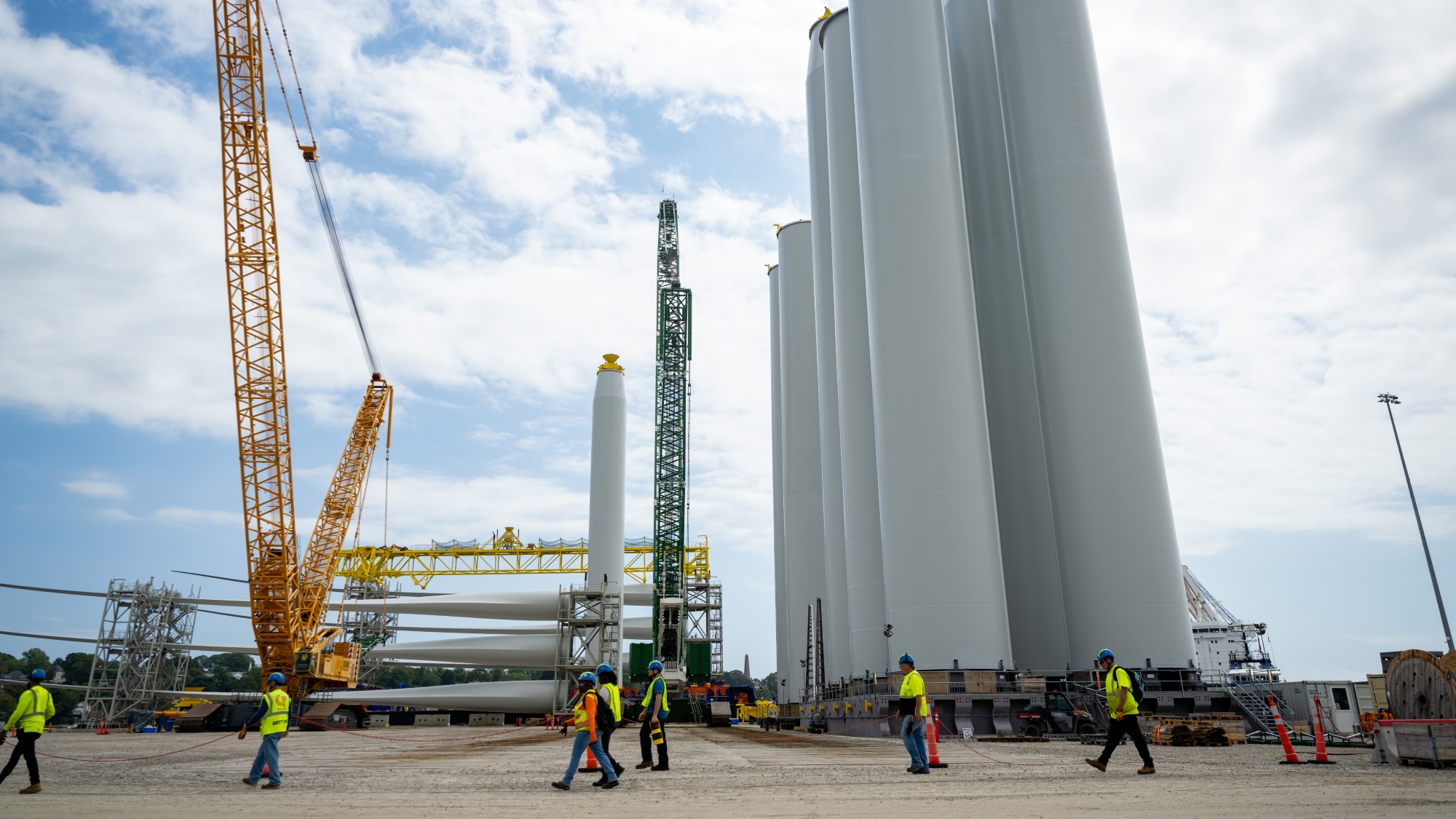
‘Why take those jobs away?’: The unionized workers decrying Trump’s war on wind

0
‘why-take-those-jobs-away?’:-the-unionized-workers-decrying-trump’s-war-on-wind
‘Why take those jobs away?’: The unionized workers decrying Trump’s war on wind

This story was originally published by The Guardian and is reproduced here as part of the Climate Desk collaboration.

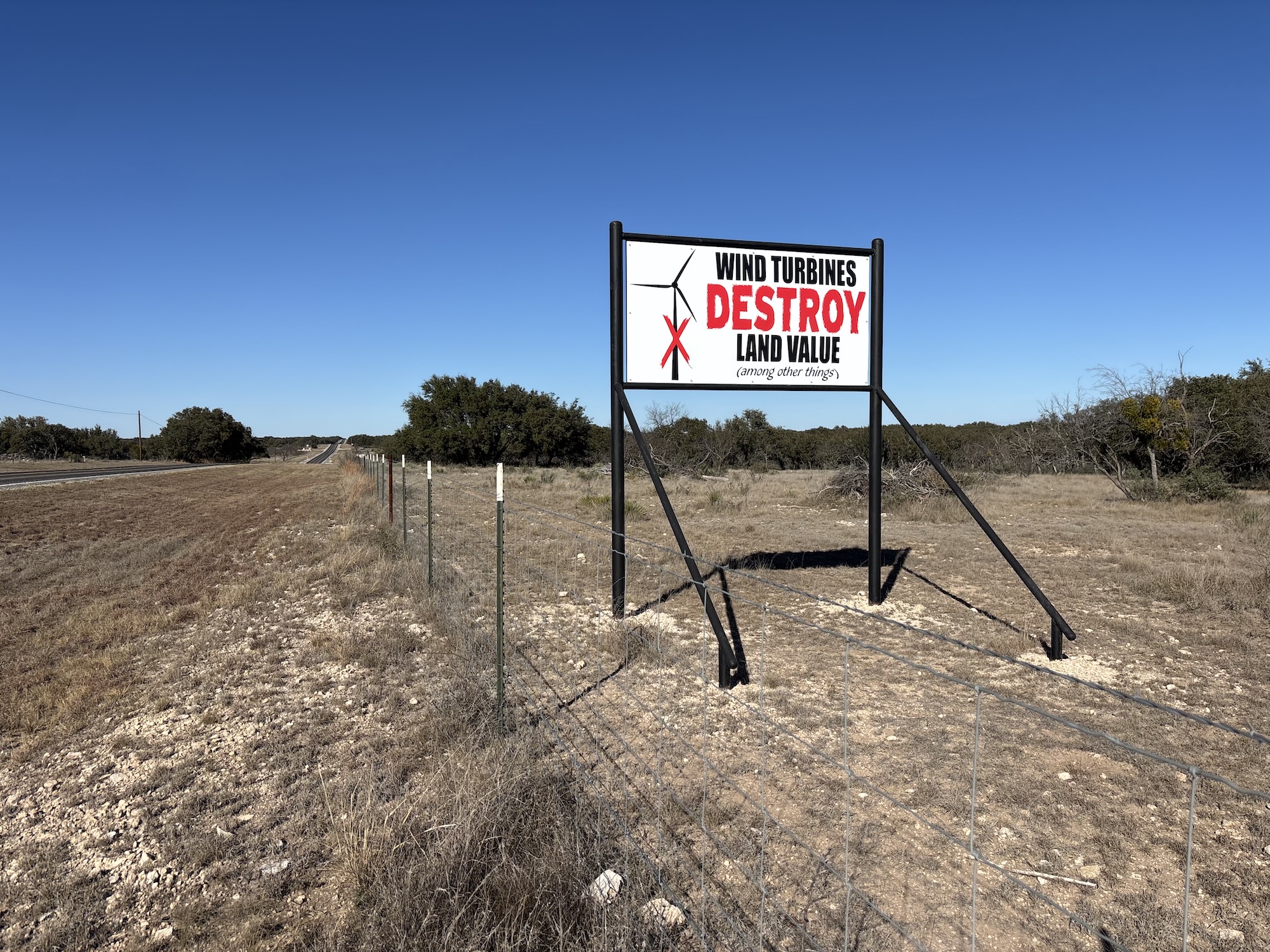
Donald Trump has blamed everything — from “national security” issues, the deaths of birds and whales, and cancer — in his decades-long campaign against windfarms. But as the Trump administration continues to undermine the industry, what worries workers most is their jobs.

Since taking office for a second term, Trump has issued an executive order aiming to halt all wind-energy leases and permits, attempted to issue stop-work orders on wind projects under construction, and paid more than $2.6 billion in settlements to buy out wind energy leases. And hundreds of workers have been affected.

Thomas Kilday, a furnace electrician with IBEW Local 99 in Providence, Rhode Island, was in the midst of a four-week shift onboard a vessel off the Atlantic coast working on the Revolution Wind Project in August last year when the Trump administration issued a stop-work order on the project.

“No one really knew what was going on. We didn’t know what it meant for us. We just knew that everything was up in the air,” said Kilday. “You plan your whole life around being gone for 28 days, and to come out here and have it thrown up in the air, worrying what does this mean for me, for my pay for the next four weeks, what’s going to happen? There’s a lot of uncertainty.”

Read Next

Construction on the project is done on shifts of 28 days on and 28 days off, with workers residing on a vessel on the ocean and taking helicopters to work on the turbines.

A federal court granted an injunction to block the stop-work order in September last year. In December, the Trump administration issued another 90-day stop-work order, citing national security, before a second judge issued an injunction in January.

When the second stop-work order was issued, Kilday was celebrating Christmas with his family and preparing for another four-week shift.

“That was really difficult,” he said. “I just spent a bunch of money on Christmas gifts for my family, and it was not what I wanted to be thinking about. Six months out of the year, we’re away from home, and for what little time we do have at home, not to be able to just focus all of that time and energy on our families, it’s tough. It’s not a great feeling to be worried about your job when you’re supposed to be home.”

“We’re proud of the work that we do out here, and we want to be able to continue to do it. We think it’s important work,” added Kilday. “When I’m at home, and I drive down my street, I look up at those power lines. I helped create the power that’s running through those power lines, and I’m proud of that.”

Read Next

Revolution Wind announced in March that it began delivering power to New England, citing the work of more than 1,000 local union workers, and is expected to power more than 350,000 homes and businesses. The project’s construction is over 90 percent complete.

In June, the Trump administration abandoned an effort to try to halt all wind projects and leases across the U.S., giving up a challenge in court to a judge tossing Trump’s executive order to freeze all permitting and leasing for wind projects.

Instead, the Trump administration has opted to buy out wind project leases.

Trump’s Department of Interior has completed four deals so far to cancel wind project leases, paying energy corporations a sum of more than $2.6 billion, including paying $765 million to Invenergy to abandon four wind projects in California, New York, and Maine and nearly $900 million to Bluepoint Wind and Garden State Wind to cancel offshore wind leases in New York and California.

“I think it’s a foolish policy that the Trump administration is engaging in trying to buy out these leases,” Pat Crowley, president of the Rhode Island AFL-CIO, told The Guardian. “These projects are not only helping to reduce our carbon emissions, they’re providing good-paying union jobs for thousands.”

Crowley said that workers would have had long-term job stability from working on these projects. He noted the Trump administration had lost in court in its attempts to issue stop-work orders on five wind projects in the Rhode Island area.

Read Next

“We’re five for five taking on the Trump administration,” he said. “What the Trump administration is doing is just throwing money away for the sake of their ideology.”

Will Gonzalez, a construction laborer with the Laborers’ Local 385 in Fairhaven, Massachusetts, worked on the Vineyard Wind 1 project off the coast of Martha’s Vineyard, a project the Trump administration attempted to halt in January. The project is now completed and fully operational.

He criticized the Trump administration’s efforts to halt wind turbine projects, claiming the opposition from Trump stems from his experiences trying to stop a wind turbine project near his golf course in Scotland, losing an appeal in December 2015.

“It’s a personal vendetta,” said Gonzalez. “Good union jobs – we shouldn’t be trying to take those off the table. That just doesn’t make any kind of sense. Families obviously need good jobs … why take those jobs away?”

Gonzalez said he and his co-workers were leaving training and certifications unused because of the halting of wind power projects.

“All of us that worked on that Vineyard Wind 1, obviously, we would have loved to segue right into another project,” he said. “We’re fully trained, ready to go, willing and able, so it directly affected us. But you move on. You [have] got to move on. You can’t sit and dwell on that, because that’s not going to pay the bills.”

The White House directed comment to the Department of Interior.

A spokesperson for the department denied the cancellation and stop-work orders of projects had had any impact on jobs, even on projects under construction when halted. The spokesperson did not respond to a question asking for clarification and did not comment on Trump’s prior animus toward wind turbine projects involving his golf courses.

“No jobs were eliminated because none of these leases were operational or supporting employment,” the spokesperson said.

“Rather than waiting years for the projects to materialize, the Trump administration is prioritizing investments in existing infrastructure and functioning supply chains that can create jobs now and deliver economic benefits faster.

“This approach puts more people to work more quickly, using proven, affordable, and reliable energy rather than relying on projects tied to leases that were not producing jobs in the first place.”


0FansLike
0FollowersFollow
0FollowersFollow
0SubscribersSubscribe
- Advertisement -
Google search engine

Recent Posts