Home Blog

Palestinians to pay the price for Netanyahu’s defeat in Iran

0
palestinians-to-pay-the-price-for-netanyahu’s-defeat-in-iran
Palestinians to pay the price for Netanyahu’s defeat in Iran

Israeli Prime Minister Benjamin Netanyahu is facing perhaps the most precarious moment of his political career. He knows it. His allies know it. And his rivals — both within his coalition and across Israel’s political spectrum — are preparing to capitalize on his growing weakness.

Former Israeli Justice Minister Haim Ramon, who also served as deputy prime minister between 2007 and 2009, is among the latest Israeli political figures to join a growing chorus of criticism directed at Netanyahu.

“In the final result,” Ramon said in an interview with Radio Galey, cited by the Israeli outlet Srugim, “we did not win.” He then broke down that failure in blunt terms: “We did not win in Lebanon, we did not win in Iran, and we did not win against Hamas.”

Another prominent critic is former Israeli army chief Gadi Eisenkot, who joined Netanyahu’s emergency war government following the events of October 7, 2023, before resigning with Benny Gantz in June 2024.

Beyond accusing Netanyahu of failing to protect Israel on October 7, Eisenkot argues that the prime minister has effectively surrendered Israel’s political decision-making to US President Donald Trump, thereby strategically weakening Israel.

Ironically, Netanyahu’s coalition partners have often been even more opportunistic than the opposition.

Since the formation of the current coalition government on December 29, 2022 — widely regarded as the most right-wing government in Israel’s history — figures such as National Security Minister Itamar Ben-Gvir and Finance Minister Bezalel Smotrich have repeatedly used Netanyahu’s political vulnerability to expand their own influence.

Whenever Netanyahu needed political support to remain in power, they demanded concessions in return.

For Israel’s far-right extremists, Netanyahu’s inability to secure decisive strategic victories has often translated into opportunities to advance their own agendas. Every setback on the battlefield became an opening for greater settlement expansion, harsher measures against Palestinians, and deeper entrenchment of extremist policies.

Unable to deliver “victory,” Netanyahu turned perpetual war into a political strategy in its own right. The result has been a genocidal war in Gaza, widespread devastation in Lebanon, and a dangerous confrontation with Iran that has repeatedly brought the region to the brink of a wider catastrophe.

For a time, this formula proved politically sustainable. Netanyahu successfully enlisted unwavering US support to keep the fires of war burning. At the same time, the failure of Europe and much of the international community to hold a wanted war criminal accountable provided him with the political space necessary to continue his bloody calculations.

Yet that formula may be nearing its limits. While this possibility may appear encouraging, it comes with a serious warning. If Netanyahu can no longer sustain the wars that have prolonged his political life for nearly three years, he may escalate where resistance is weakest: the occupied West Bank.

Regarding Iran, there is growing recognition that the current confrontation is unsustainable indefinitely and that some form of arrangement will eventually emerge. Likewise, regardless of whether Lebanon is formally included in any future agreement, Israel’s ambition of permanently occupying parts of Lebanese territory remains untenable.

Historically, when Israel fails to secure a strategic breakthrough on one front, it seeks compensation on another — typically where Palestinians are most vulnerable and where international scrutiny is weakest.

As Israeli elections approach, it is therefore reasonable to fear a further escalation of the genocide in Gaza, pushing both the death toll and the level of destruction to new heights.

According to Gaza health authorities, nearly 1,000 Palestinians have been killed since the ceasefire agreement was announced in October, bringing the overall death toll of Israel’s genocide in Gaza to 73,000 Palestinians.

Though Israel’s war has already failed to break Palestinian steadfastness, the broader objective remains unchanged: the ethnic cleansing of Palestinians from Gaza and the transformation of the strip into a space that can no longer sustain Palestinian life.

The West Bank, however, presents a different challenge.

There, Israel faces a fragmented political landscape and a Palestinian Authority that refuses to develop an effective strategy for confronting accelerating Israeli violence, ethnic cleansing, home demolitions, land confiscation and the relentless expansion of illegal settlements.

This vulnerability has enabled Israel to move from discussing annexation to implementing it in practice. The strategy rests on two interconnected pillars: extreme violence and displacement on the one hand, and rapid settlement expansion on the other.

According to an Oxfam International study published on June 12, Israel has killed 1,244 Palestinians, including 268 children, in the occupied West Bank since 2023—more than the total number killed during the previous 17 years combined.

This bloodshed has been accompanied by large-scale displacement that has already uprooted nearly 46,000 Palestinians, many of them from refugee camps and vulnerable communities across the northern West Bank.

An Amnesty International report published on June 10 documented the full or partial displacement of at least 117 Palestinian Bedouin and herding communities between January 2023 and April 2026.

Expectedly, the violence, displacement, settlement expansion, and land seizures are not isolated developments but components of a coherent political project. In September 2025, Smotrich openly proposed the annexation of 82% of the occupied West Bank. What was once presented as a political vision is now steadily being translated into facts on the ground.

The era of Netanyahu may be nearing its end, but before this bloody political chapter closes, countless more Palestinians may be forced to bear the cost.

Arab and Muslim countries, along with their allies in the international community, must not wait for Israel to launch a much larger assault on the West Bank before responding. The matter demands urgent attention and immediate action.

Ramzy Baroud is a journalist and the Editor of the Palestine Chronicle. He is the author of five books, including: “These Chains Will Be Broken: Palestinian Stories of Struggle and Defiance in Israeli Prisons” (2019), “My Father Was a Freedom Fighter: Gaza’s Untold Story” (2010) and “The Second Palestinian Intifada: A Chronicle of a People’s Struggle” (2006). He is a non-resident senior research fellow at the Center for Islam and Global Affairs (CIGA), Istanbul Zaim University (IZU). His website is www.ramzybaroud.net.
Common Dreams

Australia poised to become an Asia-Pacific energy superpower

0
australia-poised-to-become-an-asia-pacific-energy-superpower
Australia poised to become an Asia-Pacific energy superpower

Energy security is a top priority globally, as governments grapple with the closure of the Strait of Hormuz, an accelerating clean energy transition and surging power demand from AI data centers.

The problem is especially acute for Asia and the Pacific, as both regions are highly dependent on imported fuels.

This is where Australia could step up as a regional energy superpower, rich in both renewables and fossil fuels. Australia could form a new energy security alliance to stabilize regional markets for the long-term.

In the short term, this would mean guaranteeing supplies of liquefied natural gas (LNG). In the longer term, green exports such as renewable fuels and battery minerals could form the bedrock of Australia’s energy relationship with Asia.

Energy insecurity is rife across Asia

The war between the United States-Israel and Iran triggered a major disruption to fossil fuel supplies.

After Iran closed the Strait of Hormuz, Asia lost 80% of its oil supply and 27% of its natural gas supply. Flow-on impacts to Pacific nations were significant, as these island nations rely heavily on diesel and food imports.

The deal to end the Iran war doesn’t mean an end to these challenges. This year has shown the risks of relying on Middle Eastern oil and gas producers in a conflict-prone region.

Asia-Pacific governments are looking for reliable partners to ensure energy security. The world’s top two powers, the United States and China, are jostling to expand their energy exports in the region but in very different ways.

China’s response to the Iran conflict has been to double down on electrification and build its reserves of oil. Beijing is also aggressively expanding its exports of electric vehicles, solar panels, batteries and other green tech exports to root out any overseas competition.

Meanwhile, the US is pursuing a strategy of “energy dominance”, focused on producing abundant supplies of oil and gas domestically. Washington believes this will deliver affordable energy, win the AI race against China with cheap power and expand energy exports to bind allies closer.

electric vehicles at a port waiting to be loaded onto a ship.
China has cornered the market in many clean tech exports. Photo: koiguo/Getty via The Conversation

Time for a decisive strategy

Without a clear strategy for energy exports, Australia risks becoming a passive spectator.

The risks are twofold. Our role as a coal and LNG exporter could erode as Asian countries look elsewhere to fill their supply gap and we could miss the window of opportunity to grow our clean energy exports.

What should this strategy look like? In practice, it would involve working with allies like the US and Japan to build a regional energy security alliance. This would focus on meeting the region’s immediate energy needs and enable Australia to play a central role in the region’s transition to clean energy. The Quad members’ recent joint statement is a strong start.

Any such alliance cannot simply focus on securing fossil fuel supply to the region. The shift to clean energy transition must be factored into its design.

Ideally, this alliance should cover the full energy supply chain. That means critical minerals, natural gas, diesel, hydrogen, batteries, data centers and even emerging products such as low-carbon fertilizers.

Australia is poised to take the lead

Australia is the only reliable high-volume LNG exporter in the Asia-Pacific.

Key competitors face challenges meeting the region’s needs. Russian gas is heavily sanctioned, Qatari exports have been held hostage in the Strait of Hormuz and US gas export terminals are concentrated on the Gulf Coast, adding 10 extra days in transit to reach Asia compared to shipments from Darwin.

Australia also has some of the greatest clean energy resources in the world, including critical minerals vital to batteries and renewables.

The US and Canada would also play a role as major LNG and oil producers. Japan would provide the financing and shipping infrastructure that many smaller Southeast Asian nations cannot. The US and Japan could also help produce the EVs, batteries and clean tech to drive the region’s transition.

Despite the Trump administration’s unfavourable views on wind and solar, US battery manufacturing is forecast to increase five-fold.

An alliance like this would give certainty to Indo-Pacific countries such as the Philippines, Thailand and India that Australia and its allies would not prematurely turn off fossil fuel supply.

This is pragmatic. While Australia is aiming for net zero by 2050, many Asian countries are aiming for 2060 or 2070. They may require fossil fuel supply beyond 2050 – would we rather that supply to come from Australia or Russia?

What needs to happen?

Shifting energy policies and sluggish approval timeframes have left Australia close to a gas shortfall in southern states, slowed the renewable transition and contributed to higher energy costs.

These domestic challenges must be balanced with the region’s current need for Australian energy exports.

The Iran war has shown the world is not yet ready to wean itself off fossil fuels. Despite very rapid shifts to renewables and clean transport, there are years ahead where gas and oil will remain vital.

As the region’s most reliable LNG exporter, Australia is well placed to cement its position in the Indo-Pacific’s energy landscape in the long term as green exports ramp up. Grabbing this opportunity requires a cohesive strategy, partnering with like-minded allies and fixing domestic challenges.

Robert Monterosso is research fellow, United States Studies Centre, University of Sydney

This article is republished from The Conversation under a Creative Commons license. Read the original article.

Rome to host four-day Vespa celebration marking 80th anniversary

0
rome-to-host-four-day-vespa-celebration-marking-80th-anniversary
Rome to host four-day Vespa celebration marking 80th anniversary


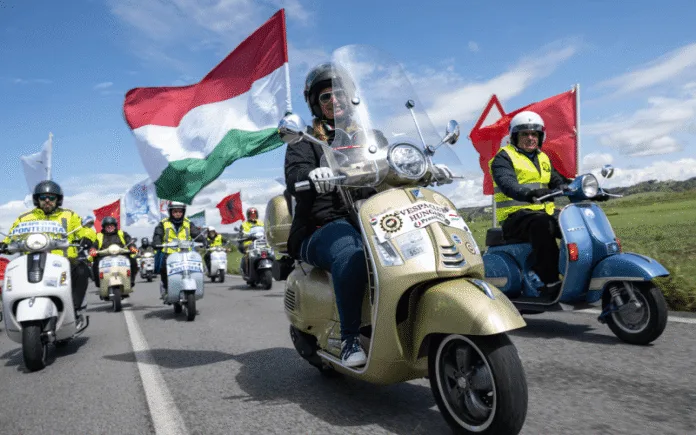
Rome will host a four-day public celebration from June 25 to 28, 2026, to mark the 80th anniversary of Vespa, with thousands of enthusiasts from around the world expected to attend.

The event, titled VESPA ROMA 2026 – 80 YEARS OF AN ICON, is sponsored by the Municipality of Rome and will celebrate the anniversary of the scooter brand with a programme of exhibitions, entertainment, rallies and parades.

Organisers said Rome, which they described as the city that has embraced Vespa’s “elegant cosmopolitan soul”, is expecting Vespisti from every continent.

Rome Mayor Roberto Gualtieri said the anniversary would be “a wonderful public festival” for the Italian capital.

“We are celebrating an Italian icon that is known and loved all over the world, a scooter that has kept its appeal intact from one generation to the next,” Gualtieri said.

He said the Vespa represented “an important part of our history, our culture and Italy’s ability to innovate without losing its identity”, adding that Rome had helped turn the scooter into a legend through cinema and culture.

Piaggio Group Executive Chairman Matteo Colaninno described the event as “the greatest celebration in the history of the Vespa”.

He said Vespa, created in 1946 alongside the Italian Republic, had witnessed changing lifestyles and generations over the past 80 years and that its history was closely linked to Italy’s post-war recovery, economic boom and the spread of the brand around the world.

“Today, we are on the cusp of 20 million scooters bringing life and colour to the streets of towns and cities across every continent,” Colaninno said.

He added that Rome had always shared a special relationship with Vespa and thanked the city’s administration for hosting the four-day event, which he said would attract tens of thousands of enthusiasts.

The main venue will be the Foro Italico and the Stadio dei Marmi, which will be transformed into a Vespa Village. The site will feature displays of historic and current Vespa models, lifestyle collections, merchandising, exhibitions and entertainment.

The event will be open to the public and include performances and entertainment organised by Radio Deejay. Vespa Clubs from 60 countries are expected to take part alongside thousands of individual Vespa owners.

Festivities will begin on June 25 with the official opening of the Vespa Village, the presentation of a commemorative coin issued by the Italian Ministry of Economy & Finance and minted by the Istituto Poligrafico e Zecca dello Stato, and a first-day cancellation ceremony by Poste Italiane.

The opening day will also feature the “80 Years of Vespa” photo exhibition, curated by Giacomo Bretzel, showcasing the brand’s stylistic evolution and cultural and social impact through photographs and historic pieces. Evening entertainment will include live music, a performance by Ditonellapiaga and a DJ set by Molella.

On June 26, activities organised by Vespa and its partners will continue throughout the day. The programme includes the European Vespa Rally Championship and the Gymkhana World Championship, as well as live performances and a DJ set by Wad.

The Grand Parade will take place on June 27, when thousands of Vespa scooters from different eras will travel through Rome’s streets and iconic locations. The day’s programme also includes a treasure hunt and the Vespa World Club awards ceremony for the Sport and Tourism championships.

The celebrations will conclude on June 28 with the Elegance Contest, featuring some of the rarest Vespa models, followed by the official closing ceremony of the Vespa Village at 3 p.m. Entertainment from Radio Deejay will continue throughout the final day until the departure of participants.

Trump-Loving Crypto Super PAC Finally Backs a Democrat: Ritchie Torres

0
trump-loving-crypto-super-pac-finally-backs-a-democrat:-ritchie-torres
Trump-Loving Crypto Super PAC Finally Backs a Democrat: Ritchie Torres


A crypto super PAC that has praised President Donald Trump and previously endorsed an all-Republican slate of candidates has finally found a Democrat it can get behind: New York Rep. Ritchie Torres.

The Fellowship PAC dropped $300,000 on Monday to boost Torres in the final days of his reelection primary campaign, funneling its ad spend through a firm co-founded by Trump’s former top crypto adviser.

The super PAC’s largest funder is Cantor Fitzgerald, the investment bank helmed by the sons of Commerce Secretary Howard Lutnick.

Torres is not expected to face serious opposition in the June 23 primary in New York. The sole public poll of the race put him far ahead of his leading opponent, former Democratic National Committee vice chair Michael Blake.

Torres, the Fellowship PAC, and Blake did not immediately respond to requests for comment.

The spending is another sign of bond between crypto firms and Torres, a member of the key House Committee on Financial Services who has been one of the industry’s most vocal Democratic supporters. Torres was a co-founder of the Congressional Crypto Caucus.

Still, the primary intervention still comes as something of a surprise given that, in the past, the Fellowship PAC only doled out campaign funds on behalf of Republicans. Reporting on its creation, the New York Times described the PAC as “more aligned with the Republican Party and President Trump than Fairshake, which is the dominant, pro-crypto super PAC.”

The PAC signaled support for Trump in a press release announcing its creation in September, praising him for putting “America on the path to become the global crypto capital.” In the months since then, however, the odds that Republicans will control the House after the midterm elections have dimmed.

The Fellowship PAC, which spends on ads rather than giving directly to campaigns, put Torres’s picture on its endorsement page in recent weeks, according to an archive of its website. Other candidates the group has endorsed include Sen. Lindsey Graham, R-S.C., and Texas Attorney General Ken Paxton, R-Texas, in their Senate races.

Big Crypto Bucks for Shoo-in

The Fellowship PAC is not the only crypto campaign organization spending on behalf of Torres. Protect Progress, which is affiliated with the juggernaut crypto super PAC Fairshake, buoyed the Bronx Democrat with nearly $1.4 million in advertising.

The two super PACs are aligned with different factions of the crypto industry. The Fellowship PAC’s chair is the vice president of regulatory affairs for Tether, a massive stablecoin company that is trying to break into the U.S. market after years of scrutiny over its use by money launderers, including terror groups.

Although Tether has not donated directly to the Fellowship PAC, the PAC received $10 million from the financial services firm Cantor Fitzgerald, which is the custodian of billions of dollars of U.S. Treasury bills on behalf of Tether. Lutnick, Trump’s commerce secretary, stepped down as the head of the banking firm and divested his assets to join the Cabinet.

The media buy on behalf of Torres was made through Nxum Group, which was co-founded by Bo Hines, a former Republican congressional candidate who served as the executive director of Trump’s Council of Advisers on Digital Assets last year. Hines is the CEO of Tether U.S., the American division of the El Salvador-based firm.

Protect Progress and Fairshake, meanwhile, have been funded by the crypto exchange Coinbase and the venture capital firm Andreessen Horowitz. Fairshake and its affiliates have spent money on both sides of the aisle, although it was criticized in 2024 for helping tip the Senate in favor of Republicans.

AIPAC, AJC Question Iran Memorandum as Final Negotiations Approach

0
aipac,-ajc-question-iran-memorandum-as-final-negotiations-approach
AIPAC, AJC Question Iran Memorandum as Final Negotiations Approach


The American Israel Public Affairs Committee (AIPAC) and the American Jewish Committee (AJC) expressed concerns Thursday about the memorandum of understanding (MoU) signed by President Donald Trump to end the war with Iran, arguing that key questions remain about the agreement and its potential impact on US objectives.

In a statement posted on X, AIPAC praised recent US and Israeli military actions against Iran while warning that the initial framework leaves unresolved issues.

“For 47 years, the Iranian regime has been at war against America and its own people. At President Trump’s strong direction, America, working together with Israel, has decimated Iran’s leadership, nuclear program, and military assets, and created the opportunity for a diplomatic agreement,” the organization wrote.

AIPAC said the agreement raises concerns because it provides sanctions relief in exchange for reopening the Strait of Hormuz and what it described as uncertain Iranian commitments regarding its nuclear activities.

“The initial Memorandum of Understanding that has been reached with Iran raises significant questions. The MoU provides for sanctions relief to Iran in exchange for the opening of the Strait of Hormuz and vague Iranian commitments on its nuclear program.”

The organization called on Congress to closely examine any final agreement and ensure that it aligns with goals outlined by President Trump.

“As negotiations commence on a final nuclear agreement, Congress must receive complete information on the deal and play a critical role in ensuring a final deal meets President Trump’s stated objectives for the war: ‘Obliterate Iran’s ballistic missile arsenal and production capability, annihilate its navy, sever its support for terrorist proxies, and ensure the world’s leading state sponsor of terrorism never acquires a nuclear weapon.’”

AIPAC added that any permanent agreement should include the removal of enriched uranium, the dismantlement of all enrichment facilities, restrictions on Iran’s ballistic missile and drone programs, and an end to support for terrorist organizations.

The American Jewish Committee also criticized the framework.

The organization said it is “deeply concerned by the Memorandum of Understanding between the United States and Iran that appears to surrender significant US leverage upfront while deferring the most consequential and necessary Iranian concessions to a future comprehensive agreement that may never materialize.”

Both organizations issued their statements as negotiations move toward discussions on a final agreement.

Prince William and Princess Kate ‘Fought Through Months of Anxiety’

0
prince-william-and-princess-kate-‘fought-through-months-of-anxiety’
Prince William and Princess Kate ‘Fought Through Months of Anxiety’


Prince William and Princess Kate have finally made one of the biggest decisions of their young family’s life: where Prince George will spend his teenage years.

After months of private worry, careful talks, and behind-the-scenes debate, the Prince and Princess of Wales have chosen Eton College for their eldest son.

George, 12, is now set to follow in his father’s footsteps at the famous Berkshire boarding school, which has educated generations of royals, prime ministers, and powerful public figures.

But sources say the decision was not as simple as many royal watchers believed.

Although Eton was long seen as the obvious choice because William attended the school himself, insiders claim the couple agonized over the move and took the decision extremely seriously.

“This was one of the most important parenting decisions William and Kate have faced,” a source said. “They knew this would shape George’s confidence, friendships, character, and future.”

The insider said William and Kate did not want to send George to Eton simply because of royal tradition.

Instead, they reportedly spent months looking at different schools, speaking with trusted advisers, and thinking deeply about what kind of environment would be best for their son.

Kate’s former school, Marlborough College, was also considered and is said to have impressed the couple during visits.

But in the end, Eton won out.

One major reason was location. The school is close to the family’s Windsor home, allowing George to take a step toward independence without being too far from his parents and younger siblings.

For William and Kate, that mattered.

“They kept coming back to one question,” a royal source said. “What is best for George as a son, not just as a future king?”

That question reportedly shaped the entire decision.

The couple has worked hard to give George, Princess Charlotte, and Prince Louis as normal a childhood as possible despite their extraordinary royal future. At the same time, William and Kate know George is not like other children.

One day, he will be king.

That reality made the school choice even more emotional.

Sources say the couple wanted a place that could offer George strong academics, security, privacy, and enough space to grow into himself without feeling crushed by royal expectations.

“There was a lot of anxiety behind the scenes,” one insider claimed. “George’s circumstances are unlike almost any other child’s. William and Kate wanted to be absolutely sure they were making the right choice for him.”

Eton reportedly became the frontrunner early in the school year.

William’s own experience there also played a major role. The future king attended Eton during a deeply difficult time in his life, as his parents’ marriage collapsed and public attention on the royal family became intense.

Despite that turmoil, Eton is widely believed to have given William a sense of stability, privacy, and independence.

That stands in sharp contrast to King Charles’ unhappy years at Gordonstoun in Scotland.

Charles, now 77, famously struggled at the tough boarding school and later described it as “Colditz in kilts.”

William and Kate were determined not to repeat that kind of painful experience with George.

Instead, they wanted a school that would help him grow, not overwhelm him.

The move to Eton will still be a huge moment for the Wales family. Like any parents watching their first child prepare to leave home, William and Kate are said to have felt the emotional weight of the change.

But knowing George will remain close to Windsor helped ease their worries.

“They took comfort in the fact that he won’t feel completely disconnected from home,” a source said. “They will still be nearby, and that was very important to them.”

For now, the royal couple appears confident they have made the right call.

After months of private stress and family discussions, George’s future has finally been decided.

And for William and Kate, the choice was about much more than prestige.

It was about protecting their son while preparing him for the extraordinary life waiting ahead.

Libya moves towards elections as rival leaders agree early 2027 timetable

0
libya-moves-towards-elections-as-rival-leaders-agree-early-2027-timetable
Libya moves towards elections as rival leaders agree early 2027 timetable


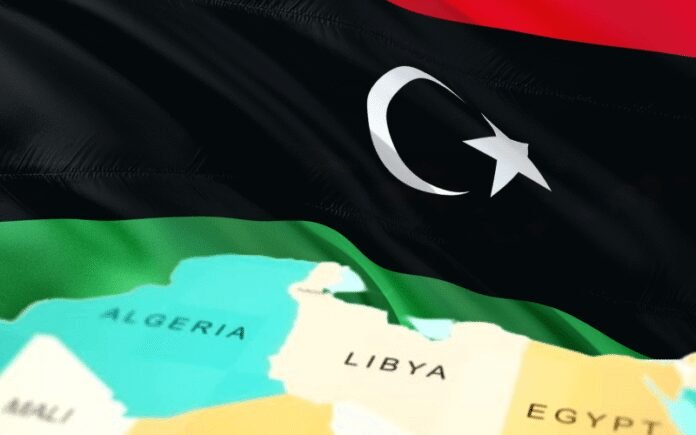
Libya’s three most influential political leaders have agreed on a roadmap to hold simultaneous presidential and parliamentary elections before February 2027, marking a significant step toward ending the country’s prolonged political transition.

The agreement was reached during a meeting involving Speaker of the House of Representatives Aguila Saleh, High Council of State Chairman Mohammed Takala, and Presidential Council Chairman Mohamed al-Menfi, according to a joint statement issued after the talks on Thursday.

The leaders said they had adopted a principles document that will serve as a roadmap to end Libya’s years-long transitional period and pave the way for nationwide elections.

The roadmap calls for completing the constitutional and legal framework needed to organise presidential and parliamentary polls, while also seeking to unify key sovereign institutions and strengthen national sovereignty.

As part of the agreement, the three leaders decided to establish a supreme committee tasked with supervising the implementation of the roadmap and overseeing the steps required to complete the electoral process.

The document also outlines economic and financial reforms aimed at safeguarding public funds and preserving the unity of state institutions ahead of the vote.

The leaders reaffirmed their commitment to the 2011 Constitutional Declaration and its amendments, the Libyan Political Agreement signed in Morocco in 2015, and the outcomes of a previous trilateral meeting held in Cairo under the auspices of the Arab League.

They pledged to move forward with the roadmap while allowing for adjustments reflecting political developments and national initiatives, with the goal of ensuring simultaneous presidential and parliamentary elections.

Libya has remained politically fragmented for years, with rival administrations controlling different parts of the country. 

Repeated attempts to hold nationwide elections have failed amid disputes over the constitutional basis for voting and the eligibility criteria for candidates.

The new agreement represents one of the clearest commitments in recent years by Libya’s competing political institutions to move toward a unified electoral process and bring the country’s transitional phase to a close.

Easy Orzo Pasta Salad

0
easy-orzo-pasta-salad
Easy Orzo Pasta Salad

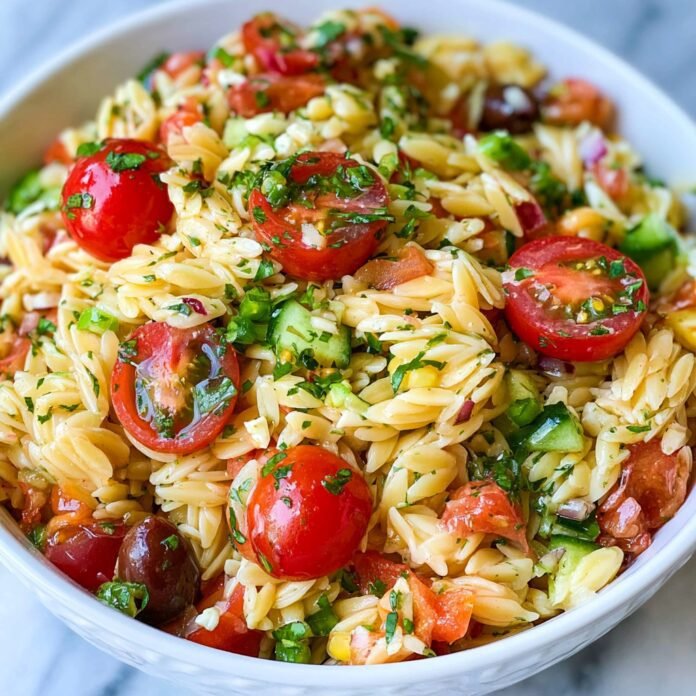
Easy Orzo Pasta Salad is light, fresh, colorful, and tossed with a simple lemon dressing. Made with tender orzo, cucumber, tomatoes, olives, artichoke hearts, fresh herbs, olive oil, Dijon mustard, lemon zest, and lemon juice, this quick salad is perfect for summer meals, picnics, potlucks, or easy lunches.

This recipe comes together in about 20 minutes and can be served warm, chilled, or at room temperature. It is bright, refreshing, and full of Mediterranean-inspired flavor.

Why You’ll Love This Orzo Pasta Salad

  • Ready in 20 minutes
  • Fresh, light, and colorful
  • Perfect for summer
  • Great for picnics and potlucks
  • Easy homemade lemon dressing
  • Can be served as a side or main dish
  • Customizable with your favorite herbs and vegetables
  • Great make-ahead salad

What Makes This Orzo Salad So Good?

This orzo salad is simple, but every ingredient adds something delicious. The orzo absorbs the lemon dressing while it is still warm, making the pasta extra flavorful. The cucumber and tomato add freshness, olives bring briny flavor, artichokes add tang, and fresh herbs make the whole salad bright and fragrant.

The dressing is made with olive oil, Dijon mustard, lemon zest, lemon juice, and a touch of honey or maple syrup for balance. It is light, fresh, and perfect for warm-weather meals.

Ingredients

  • 1½ cups dried orzo pasta
  • 1 medium English cucumber, diced
  • 1 large tomato, diced, or 8 ounces cherry tomatoes, halved
  • ½ cup coarsely chopped fresh herbs, such as parsley, cilantro, basil, dill, or mint
  • ½ cup pitted olives, halved
  • 1 cup canned or jarred artichoke hearts, drained and chopped

For the Lemon Dressing

  • ¼ cup extra virgin olive oil
  • 1 teaspoon Dijon mustard
  • ½ teaspoon honey or maple syrup
  • 1 teaspoon finely grated lemon zest
  • 2 to 4 tablespoons fresh lemon juice, to taste
  • Salt, to taste
  • Freshly ground black pepper, to taste

Ingredient Notes

Orzo

Orzo looks like rice, but it is actually pasta. It cooks quickly and works perfectly in pasta salad. You can also use ditalini, small shells, couscous, or quinoa.

Cucumber

English cucumber adds fresh crunch. You can also use regular cucumber, but remove the seeds if they are watery.

Tomatoes

Use diced fresh tomatoes or halved cherry tomatoes. Cherry tomatoes hold their shape well and add sweet flavor.

Olives

Olives add a salty, briny bite. Kalamata olives, green olives, or black olives all work.

Artichoke Hearts

Canned or jarred artichoke hearts add tangy Mediterranean flavor. If using marinated artichokes, you can use some of the oil from the jar in the dressing.

Fresh Herbs

Fresh herbs are the secret to a bright salad. Mint, dill, basil, parsley, and cilantro all taste delicious here.

Lemon Dressing

The lemon dressing is dairy-free, light, and refreshing. Dijon mustard helps it blend, while honey or maple syrup balances the acidity.

How to Make Orzo Pasta Salad

Step 1: Cook the Orzo

Bring a large saucepan of salted water to a boil.

Add the orzo and cook according to package directions until tender, usually 6 to 10 minutes.

Drain well.

Step 2: Make the Lemon Dressing

While the orzo cooks, make the dressing in a large bowl.

Whisk together olive oil, Dijon mustard, honey or maple syrup, lemon zest, lemon juice, salt, and black pepper.

Step 3: Add the Warm Orzo

Add the drained warm orzo directly to the dressing.

Toss well so the pasta absorbs the lemony flavor.

Let it sit for about 5 minutes to cool slightly.

Step 4: Add the Vegetables

Stir in the diced cucumber, tomato, fresh herbs, olives, and chopped artichoke hearts.

Toss until everything is evenly combined.

Step 5: Taste and Adjust

Taste the salad and add more salt, pepper, or lemon juice if needed.

Serve warm, or cover and refrigerate until chilled.

Tips for the Best Orzo Pasta Salad

Add Warm Orzo to the Dressing

Warm pasta absorbs dressing better than cold pasta, giving the salad more flavor.

Use Plenty of Fresh Herbs

Fresh herbs make the salad taste bright and summery.

Don’t Overcook the Orzo

Cook the orzo until just tender so it does not become mushy.

Taste Before Serving

Cold pasta salads often need a little extra salt, lemon juice, or olive oil before serving.

Chill for More Flavor

This salad tastes great right away, but chilling for about 1 hour helps the flavors come together.

Variations

Greek Orzo Pasta Salad

Add feta cheese, Kalamata olives, cucumber, tomatoes, red onion, and oregano.

Protein-Packed Orzo Salad

Add grilled chicken, shrimp, salmon, chickpeas, or baked tofu.

Vegan Orzo Salad

Use maple syrup instead of honey and skip any cheese.

Extra Vegetable Orzo Salad

Add bell peppers, radishes, zucchini, spinach, or arugula.

Creamy Orzo Salad

Stir in a spoonful of Greek yogurt or hummus for a creamy version.

Quinoa Version

Replace the orzo with cooked quinoa for a gluten-free option.

What to Serve with Orzo Pasta Salad

This salad works as a side dish or main meal. Serve it with:

  • Grilled chicken
  • Poached salmon
  • Shrimp
  • Baked tofu
  • Caprese salad
  • Red pepper hummus
  • Cucumber salad
  • Garlic basil chicken
  • Marinated steak
  • Burgers
  • Sandwiches
  • Grilled vegetables

Make-Ahead Instructions

This salad can be made ahead and refrigerated for up to 4 hours before serving.

For the freshest texture, if making it 1 to 2 days ahead, keep the tomatoes, cucumber, and fresh herbs separate until ready to serve. This keeps them crisp and bright.

Add them just before serving and toss everything together.

Storage Instructions

Store leftovers in an airtight container in the refrigerator for up to 3 days.

Before serving, stir well and add a little extra lemon juice or olive oil if the salad seems dry.

Frequently Asked Questions

Can I Make Orzo Pasta Salad Ahead of Time?

Yes. It can be made a few hours ahead and chilled. For longer storage, add the cucumber, tomatoes, and herbs right before serving.

Can I Serve This Salad Warm?

Yes. This salad is delicious warm, room temperature, or chilled.

What Can I Use Instead of Orzo?

Small pasta shapes, couscous, quinoa, or rice can be used instead.

Can I Add Cheese?

Yes. Feta, goat cheese, mozzarella pearls, or Parmesan all work well.

Is This Salad Dairy-Free?

Yes, the base recipe is dairy-free.

Recipe Information

Prep Time: 10 minutes
Cook Time: 10 minutes
Total Time: 20 minutes
Servings: 8

Nutrition Information

Approximate nutrition per 1-cup serving:

  • Calories: 166
  • Protein: 4.4g
  • Carbohydrates: 20.5g
  • Fat: 8g
  • Fiber: 2g
  • Sugar: 1.8g

Nutrition may vary depending on ingredients used.

Final Thoughts

This Easy Orzo Pasta Salad is fresh, lemony, colorful, and perfect for warm-weather meals. The tender orzo, crisp cucumber, juicy tomatoes, briny olives, tangy artichokes, and fresh herbs make every bite bright and flavorful.

Serve it as a side dish, a light lunch, or a make-ahead salad for picnics, potlucks, and summer dinners.

Strategic autonomy and strategic anxiety

0
strategic-autonomy-and-strategic-anxiety
Strategic autonomy and strategic anxiety

Subscribe now with a one-month trial for only $1, then enjoy the first year at an exclusive rate of just $99.

Japan builds its own AI future as US tightens control
Scott Foster reports that Trump’s restrictions on Anthropic AI models have reinforced doubts about Japan’s reliance on US technology, pushing Tokyo to pursue a dual strategy of cooperating with American firms while developing sovereign AI capabilities for national security.

Germany’s AfD dilemma nears a breaking point
Diego Faßnacht argues that Germany’s political system is approaching a governability crisis as the AfD becomes the country’s strongest party while remaining excluded from power. The firewall strategy risks producing ever broader, weaker coalitions that deepen paralysis.

Russia sees path from Ukraine war to NATO conflict
James Davis reports that Russia increasingly views the Ukraine war as part of a widening confrontation with NATO, with escalating drone strikes, Western military support and hardening rhetoric pushing Moscow toward more forceful responses.

Hot Honey Chicken Thighs with Smoked Gouda Mash

0
hot-honey-chicken-thighs-with-smoked-gouda-mash
Hot Honey Chicken Thighs with Smoked Gouda Mash
Hot Honey Chicken Thighs with Smoked Gouda Mash served with glossy pan sauce, chopped chives, and green beans on a white plate.
Glossy hot honey chicken thighs over creamy smoked Gouda mash with a cozy green bean side.

Print Friendly, PDF & Email

Hot Honey Chicken Thighs with Smoked Gouda Mash is cozy, bold, and just fancy enough to feel special without making dinner complicated. The chicken thighs sear until golden, then finish with a glossy hot honey glaze that brings sweet heat, garlic, butter, and a little tang. Underneath, the smoked Gouda mash is creamy, savory, and softly smoky in the best way.

This is the kind of dinner that looks restaurant-style but still feels homemade and comforting. The glaze clings beautifully to the chicken, while the mash catches all those pan juices. It is simple enough for a weeknight, yet impressive enough for company. Also, let’s be honest — hot honey and smoked Gouda together are already doing most of the heavy lifting.


Hot Honey Chicken Thighs with Smoked Gouda Mash served with glossy pan sauce, chopped chives, and green beans on a white plate.
Glossy hot honey chicken thighs over creamy smoked Gouda mash with a cozy green bean side.

Recipe Yield: 4 servings

INGREDIENTS

For the chicken:
1 1/2 lb boneless, skinless chicken thighs
1 tbsp olive oil
1 tsp smoked paprika
3/4 tsp garlic powder
1/2 tsp onion powder
3/4 tsp kosher salt
1/2 tsp black pepper
1/4 tsp cayenne pepper

For the hot honey glaze:
1/4 cup honey
1 tbsp apple cider vinegar
1 tbsp unsalted butter
2 tsp hot sauce
1 tsp Dijon mustard
1 garlic clove, finely minced
1/4 tsp crushed red pepper flakes

For the smoked Gouda mash:
2 lb Yukon Gold potatoes, peeled and cut into 1 1/2-in pieces
4 tbsp unsalted butter
1/2 cup whole milk, warmed
3/4 cup smoked Gouda cheese, finely shredded
1/4 cup sour cream
1/2 tsp garlic powder
1/2 tsp kosher salt, plus more for boiling water
1/4 tsp black pepper
2 tbsp chopped fresh chives or parsley

INSTRUCTIONS

1. Start the potatoes:
Place the potatoes in a large pot and cover with cold water by 1 in. Season the water with salt, then boil for 15 to 18 minutes, until fork-tender.

2. Season the chicken:
Meanwhile, preheat the oven to 400°F. Pat the chicken thighs dry, then toss them with the olive oil, smoked paprika, garlic powder, onion powder, salt, black pepper, and cayenne.

3. Sear the chicken:
Heat an oven-safe skillet over medium-high heat. Add the chicken and sear for 4 to 5 minutes per side, until deeply browned.

4. Make the hot honey glaze:
While the chicken sears, add the honey, apple cider vinegar, butter, hot sauce, Dijon mustard, garlic, and red pepper flakes to a small saucepan. Simmer for 2 to 3 minutes, until glossy and slightly thickened.

5. Bake the chicken:
Spoon half of the glaze over the chicken, keeping the remaining glaze clean for finishing. Bake for 15 to 20 minutes, until the chicken reaches 165°F.

6. Finish the smoked Gouda mash:
Drain the potatoes, then return them to the hot pot for 1 minute. Add the butter and warm milk, then mash until creamy. Fold in the smoked Gouda, sour cream, garlic powder, salt, and black pepper.

7. Glaze and serve:
Spoon the remaining hot honey glaze over the chicken. Serve over the smoked Gouda mash, then finish with pan juices and chopped herbs.


HELPFUL TIPS TO PERFECT THIS RECIPE

  • Pat the chicken very dry: This helps the chicken thighs brown instead of steam. Better browning also gives the hot honey glaze a richer, deeper flavor.
  • Use finely shredded smoked Gouda: It melts much more smoothly into the hot potatoes. If the cheese is thickly shredded, it can clump instead of blending into the mash.
  • Keep the finishing glaze clean: Use only half the glaze before baking, then save the rest untouched for the final glossy spoon-over finish.
  • Adjust the heat gently: For a milder hot honey chicken, skip the crushed red pepper flakes. For more heat, add an extra teaspoon of hot sauce to the glaze.
  • Do not overwork the mash: Mash just until creamy. Overmixing potatoes can make them gluey instead of soft and fluffy.

Rate This Recipe

Tried this recipe? Your rating helps others and means so much.

0FansLike
0FollowersFollow
0FollowersFollow
0SubscribersSubscribe
- Advertisement -
Google search engine

Recent Posts