14.1 C
London
Monday, May 4, 2026
Home Blog

Gulf state cooperation has long been shaped by the threat of Iran − but shows of unity belie division

gulf-state-cooperation-has-long-been-shaped-by-the-threat-of-iran-−-but-shows-of-unity-belie-division
Gulf state cooperation has long been shaped by the threat of Iran − but shows of unity belie division

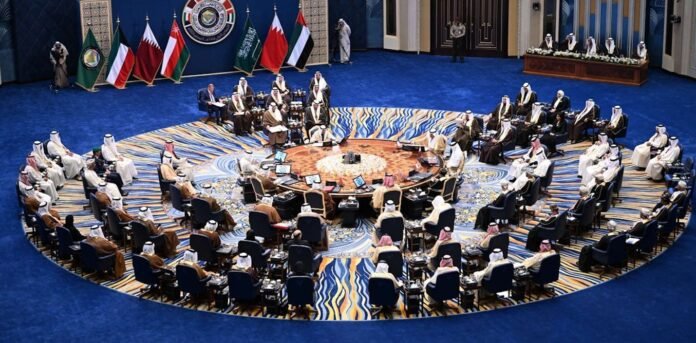
Arab Gulf countries, battered economically and physically by the war with Iran, were keen to put on a united front at a key regional meeting on April 28, 2026.

Gathering in the Saudi city Jeddah, representatives of the Gulf Cooperation Council warned the Iranian government in Tehran that an attack on any one of its six members would be taken as an attack on all. Rejecting Iran’s claims to control of the Strait of Hormuz, Qatari Emir Sheikh Tamim bin Hamad Al Thani later described the summit as embodying “the unified Gulf stance” over the conflict.

The show of togetherness may seem at odds with other recent developments that have seen members of the GCC split over policy and vision for the region – not least the United Arab Emirate’s decision to quit the oil cartel OPEC.

But to followers of Gulf politics, like myself, the scene felt familiar. Time and again, Iran has accomplished what no outside mediator could: It has pushed divided Gulf Arab states together. When tensions rise, the monarchies of the GCC – Bahrain, Qatar, UAE, Saudi Arabia, Kuwait and Oman – tend to stand united, at least publicly.

From revolution to coordination

The modern Gulf security environment was profoundly shaped by the 1979 Iranian Revolution.

Iran shares a narrow and strategically vital waterway with the Gulf states but has long differed in identity and outlook. Specifically, Iran’s Shiite revolutionary model contrasts with the Sunni-led monarchies across the region.

Before 1979, when Iran was ruled by Shah Mohammad Reza Pahlavi Iran and Saudi Arabia, the largest of the Sunni Arab Gulf states, were regarded by Washington as “twin pillars,” protecting American interests in the Middle East. Their relationship was cooperative, but not close.

Then the emergence of the Islamic Republic after the revolution in 1979 introduced a new kind of regional actor – one defined not only by state power but also by Shiite ideological ambition.

Gulf monarchies’ concern over both external security and internal stability was reinforced by the 1979 Grand Mosque seizure in Saudi Arabia, when Islamist militants seized Islam’s holiest site. The event, alongside Iran’s revolution, exposed the vulnerability of Gulf regimes to religiously driven upheaval.

A large plume of smoke is seen amongst buildings

The 1979 siege at Mecca’s Grand Mosque raised concern over security across the Gulf region. AFP via Getty Images

In response to this revolution ideology, Bahrain, Kuwait, Oman, Qatar, Saudi Arabia and the UAE established the GCC in 1981. Although officially framed as a platform for economic and political cooperation, the organization also reflected shared security concerns and Arab identity.

But unity had limits. Member states did not all view threats to their respective regimes in the same way.

Saudi Arabia worried about U.S. pressure for reforms; Kuwait feared neighboring Iraq; Bahrain was concerned about Iran’s influence over its own Shiite population; and the UAE worried about both Iran and its own large foreign workforce. Meanwhile, Oman and Qatar followed a more independent or balanced approach.

These differences would shape the trajectory of the GCC, and Arab Gulf states’ relationship with Tehran.

The eight-year Iran–Iraq War, which began in 1980, brought to the fore fears of Iran’s influence across the region. While Oman declared neutrality, other GCC states supported Iraq by funneling billions of dollars to the regime of Saddam Hussein.

This revealed an early pattern: Gulf states could coordinate politically, but avoided acting as a single strategic bloc. The GCC broadly favored Iraq as a counterweight to Iran, but there was no unified strategy or formal policy.

Security dependence

The Iraqi invasion of Kuwait in 1990 reshaped the region’s security structure again. In early 1991, the move prompted a U.S.-led coalition, including Saudi Arabia and other Gulf states, to expel Iraqi forces. Saudi Arabia’s role was especially significant: It not only hosted coalition forces but also actively participated militarily – marking one of the first major episodes in which a GCC state was directly involved in the defense of another member.

Soldiers are seen walking in a line in the desert.

American troops at Dhahran airport in Saudi Arabia during Operation Desert Shield. Eric Bouvet/Gamma-Rapho via Getty Images

During – and especially after – the Gulf War, GCC states deepened their reliance on the United States, agreeing to host U.S. military bases and expanding long-term defense cooperation.

This external security umbrella provided a measure of stability, but it also introduced new differences. While Saudi Arabia, Kuwait, the UAE and Bahrain aligned more closely with Washington’s strategic framework, others – notably Oman and Qatar – maintained a more flexible approach. As a result, the appearance of unity coexisted with growing variation in national strategies.

This pattern has continued in recent years, significantly through diplomatic moves to normalize ties with Israel under the Abraham Accords. While the UAE and Bahrain moved quickly to formalize ties with Israel, others remained more cautious.

The effort to contain Iran

When it comes to combating Iranian influence, GCC states have long played different roles.

Oman has consistently acted as a mediator, maintaining open channels with Tehran and facilitating quiet diplomacy — including back-channel talks between Iran and Western states.

Qatar also kept communication open, partly because of shared economic interests with Iran – particularly the management of the North Field/South Pars gas reserve.

Saudi Arabia and the UAE, by contrast, have generally taken a more cautious and at times confrontational stance toward Iran. Both view Iran as a regional competitor and a source of security concerns, particularly due to Tehran’s missile program and its support for ideologically opposed non-state actors.

This contrasting approach to Iran across the GCC allows different states to engage Tehran through multiple channels, but it also makes it harder to form a consistent, unified GCC strategy.

A changing regional balance

The 2003 Iraq War marked a turning point in the GCC-Iran dynamic. The removal of Iraq as a regional counterweight allowed Iran to expand its influence.

And this development sharpened divisions within the GCC.

Saudi Arabia and the UAE increasingly viewed Iran as a direct strategic threat requiring containment. Qatar and Oman, however, emphasized dialogue and mediation.

These differences became more visible during the Qatar diplomatic crisis of 2017. The dispute centered around Qatar’s support for Islamist political groups such as the Muslim Brotherhood, considered a terrorist organization by the UAE and Saudi Arabia.

Saudi Arabia, the UAE and Bahrain severed diplomatic ties with Qatar and imposed a full air, land and sea blockade in June 2017. The three nations accused Qatar of supporting extremist groups and maintaining close ties with Iran. Isolated, Qatar relied on Iran for airspace, trade routes and supplies, strengthening the relationship between the countries. The blockade eventually ended in January 2021, when the parties signed a declaration restoring diplomatic and trade relations at a GCC summit in Saudi Arabia.

GCC under attack

The series of events that began with the Oct. 7, 2023, attack by Iranian-backed Hamas in Israel shook up GCC relations with Tehran.

In June 2025, in response to the U.S.-Israeli attack on Iran, Tehran struck a U.S. base in Qatar – the first such attack on a GCC state by Tehran.

At an extraordinary meeting in Doha, Qatar’s capital, GCC members pledged full solidarity with Qatar and strongly condemned the Iranian attack.

But it was not enough to prevent Iran from attacking all six GCC states in response to the ongoing conflict begun in February 2026 by U.S. and Israel.

The subsequent closure of the Strait of Hormuz, affecting 20% of global oil supplies, has sparked what many see as the biggest crisis in the Gulf since the inception of the GCC.

The GCC responded by emphasizing collective security and unity. But yet again, the public show of togetherness masks divergent views on how to respond. When the war ends, each state will likely return to its own strategic and foreign policy approach.

Understanding the pattern

Since 1979, Tehran’s actions in the Gulf region have exposed two parallel developments. On the surface, there are shared concerns among GCC members and public shows of unity. But underneath this facade of unity, each state has continued to develop its own national priorities and risk tolerance.

The combination of these two factors helps explain why the GCC often appears unified during crises, while remaining internally divided over how to respond to them.

Rather than viewing the GCC as a fully cohesive bloc, it may be more accurate to see it as a framework where cooperation and disagreement coexist.
Thailand seizes on Hormuz fears to push land bridge dream

0
thailand-seizes-on-hormuz-fears-to-push-land-bridge-dream
Thailand seizes on Hormuz fears to push land bridge dream

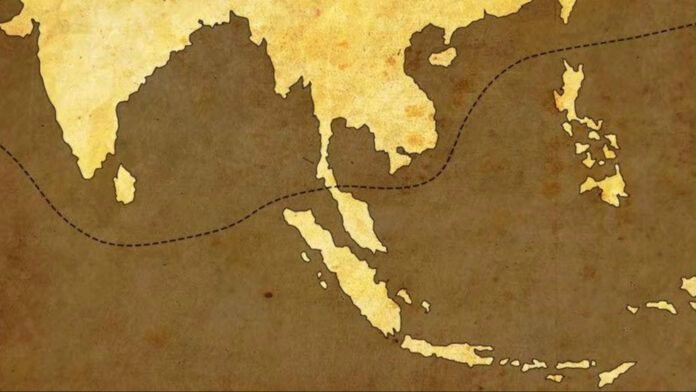
BANGKOK – While Asia suffers from Strait of Hormuz blockades, Bangkok is offering Beijing, Singapore and others a planned multi-billion dollar “land bridge” across Thailand’s thin peninsula, to link shipping between the Andaman Sea and Gulf of Thailand instead of south through the equatorial Strait of Malacca.

China, the US and other countries could use the 90-kilometer-long land bridge for commercial, military and other shipping, potentially reducing fuel costs and time on routes to and from the Persian Gulf and South China Sea.

Beijing’s use of the proposed shorter shipping route could also benefit China if the US were to blockade the Strait of Malacca during a regionwide conflict over Taiwan or other issues.

Thailand’s newly reelected Prime Minister Anutin Charnvirakul has pointed to growing uncertainty around key maritime chokepoints, including the Strait of Hormuz, as justification for moving the project forward, according to a Bangkok Post report.

“The government is also preparing a series of international roadshows to attract foreign investment,” the paper said. The entire project could cost more than US$30 billion, Thai Senator Norasate Prachyakorn told parliament on April 27.

Singapore’s Defense Minister Chan Chun Sing met Anutin on April 27 in Bangkok to discuss the land bridge and other issues.

“They recognize the project’s potential and the opportunities it could create for Thailand and the wider region if it proceeds,” said Bangkok’s government spokeswoman Rachada Dhnadirek.

The project’s supporters say the land bridge could also fit into China’s Belt and Road Initiative by linking to Thailand’s existing railway lines and highways, which are slowly being upgraded.

Some of those Thai lines feed in and out of Laos, where a Chinese-built high-speed train already zips across northern Laos, linking the tiny communist country to southern China.

To avoid depending too heavily on China, Thailand opened the land bridge project to international investors, supposedly attracting interest from India, Dubai, Japan, Europe and elsewhere, including port developers, shipping lines and real estate developers.

Funding would come from private and public sources, according to reports.

Boosters say the land bridge would include a sleek, dedicated superhighway supported by modern warehouses and facilities, plus oil and natural gas pipelines and a fast rail line running parallel alongside the road.

Thailand’s west coast port at Ranong on the Andaman Sea would be connected to the east coast port at Chumphon on the Gulf of Thailand, south of Bangkok.

The road, rail and pipelines could traverse Thailand’s coast-to-coast southern isthmus in only a few hours, supporters said. Several additional hours would be required for loading and unloading.

Ships transiting between the Persian Gulf to and from China, Japan, South Korea, Taiwan and elsewhere in eastern Asia could dock at either port. There, waiting ships could continue carrying the cargo to international destinations.

Currently, ships coming from the Persian Gulf to eastern Asia must veer south into the Indian Ocean and skirt much of Southeast Asia.

They then head toward the 800-kilometer-long Strait of Malacca, which usually refers to two straits, including the adjacent, additional 105-kilometer-long Strait of Singapore.

Those straits link the Indian Ocean and Andaman Sea with the South China Sea and the Pacific Ocean. Ships from Hormuz first pass through the Strait of Malacca, which is wedged between Indonesia’s northern Sumatra island and the Malay Peninsula, including Singapore.

Ships continuing on to China and elsewhere in eastern Asia – mostly deepwater vessels – must then squeeze through the narrower Strait of Singapore before reaching the South China Sea.

Hundreds of ships sail through the crowded straits each day. Malaysia and Indonesia control the Strait of Malacca on opposite shores, along the waterway’s western and central side.

Singapore controls the Strait of Singapore which is on the east side and, of the two, is more liable to congestion or a chokehold. All three countries have close military, economic and diplomatic links with the US while also balancing their relations with China.

After exiting the straits, ships from the Persian Gulf bound for eastern Asia must then turn north again to pass Malaysia, Vietnam, and the Philippines, before finding harbors along the coast of China and the region’s other ports.

More than 20% of the world’s oil passes through the Strait of Malacca each day.

In recent years, slightly more crude oil and petroleum liquids transited the Strait of Malacca compared with the Strait of Hormuz, according to the US Energy Information Administration (EIA).

The Strait of Malacca “is the primary chokepoint in Asia and Oceania,” the EIA said.

All countries can use the Strait of Malacca but China could become vulnerable if the US pressures Malaysia, Indonesia and Singapore to restrict shipping through the strait which is also used by the US 7th Fleet.

Bangkok, meanwhile, is also trumpeting the land bridge’s potential to turn Thailand into a marine fuel supply base and petroleum refiner, which in turn could attract more international investment.

Opponents insist that traversing the land bridge will take so much time for loading, unloading and overland transport across the peninsula that it won’t save much money for shippers.

Opposition politicians, meanwhile, are sharpening their knives, with Democrat deputy leader Korn Chatikavanij among many who see the project as economically unfeasible.

Supporters, however, point out that the Strait of Malacca also often involves loading, unloading and transshipping to break up large loads into smaller pieces because many goods need to be delivered to several countries, and not to only one final destination.

“Vessels already stop to unload and transfer cargo at hubs such as Singapore,” said Transport Minister Phiphat Ratchakitprakarn, who is also a deputy prime minister.

If a ship needs to link with less frequented ports in, for example, Indonesia, then it is often loaded or unloaded at Singapore, or Malaysia’s Port Klang and Sumatra’s Belawan docks.

Local vessels link up at those ports to transport cargo to and from scattered, smaller, nearby destinations. Big tankers can pass through the Strait of Malacca and Strait of Singapore without much delay.

Environmentalists, meanwhile, warn of a vast disaster to underwater life including coral, fish, and microscopic creatures across the deep Andaman Sea and shallow Gulf of Thailand from oil spills, industrial pollution and other toxins.

The underwater destruction would also severely impact Thailand’s extensive fishing industry and international tourism, which are major foreign revenue sources, environmentalists said.

The sheer size of the two ports would require massive land reclamation and a dozen reservoirs for water. Local residents at both ports and along the corridor would need resettlement and compensation.

The modest facilities in Ranong and Chumphon would need to be reconstructed to become deep-sea ports capable of handling large ships. Bangkok has been touting the land bridge for several years without much traction or committed investment, but that was before the blockades at Hormuz and Iran war.

Richard S. Ehrlich is a Bangkok-based American foreign correspondent reporting from Asia since 1978, and winner of Columbia University’s Foreign Correspondents’ Award. Excerpts from his two new nonfiction books, “Rituals. Killers. Wars. & Sex. — Tibet, India, Nepal, Laos, Vietnam, Afghanistan, Sri Lanka & New York” and “Apocalyptic Tribes, Smugglers & Freaks” are available here.

(Shawn W. Crispin contributed reporting and editing from Bangkok.)

Passenger Attacks Flight Attendant, Tries to Storm Cockpit During Landing

0
passenger-attacks-flight-attendant,-tries-to-storm-cockpit-during-landing
Passenger Attacks Flight Attendant, Tries to Storm Cockpit During Landing


A routine flight turned into a full-blown nightmare when a “crazed” passenger allegedly attacked a flight attendant and tried to force his way into the cockpit just moments before landing in New Jersey.

The shocking incident unfolded aboard United Airlines Flight 1837, which had just returned from the Dominican Republic and was approaching Newark Liberty International Airport Saturday evening.

What should have been a smooth touchdown quickly spiraled into chaos.

According to newly revealed air traffic control audio, the situation escalated so fast that the crew had no choice but to declare an emergency mid-landing.

“We’re declaring an emergency,” a crew member urgently told controllers. “Seems like someone just attacked one of our flight attendants.”

Seconds later, the situation sounded even more alarming.

“A gentleman just attacked one of the flight attendants and tried to open the forward main cabin door… tried to gain access to the flight deck,” the crew member said.

On the other end of the line, an air traffic controller could only react in disbelief: “Oh my god.”

The plane, carrying around 170 passengers and six crew members, safely made it to the gate—but not before the terrifying ordeal left everyone on edge.

Port Authority Police were waiting when the aircraft arrived and quickly detained the 48-year-old suspect without further incident. He was later transported to a hospital for a psychiatric evaluation, according to officials from the Port Authority of New York and New Jersey.

Despite the frightening confrontation, authorities say the injured flight attendant declined medical treatment, and no other passengers were hurt.

In a statement, United Airlines praised its crew for keeping the situation under control during what could have turned into a far more dangerous outcome.

Still, the chilling audio and attempted cockpit breach have left many wondering just how close this flight came to disaster.

The suspect’s identity has not yet been released, and the investigation is ongoing.

Toyota built a $10 billion private utopia—what’s going on in there?

0
toyota-built-a-$10-billion-private-utopia—what’s-going-on-in-there?
Toyota built a $10 billion private utopia—what’s going on in there?

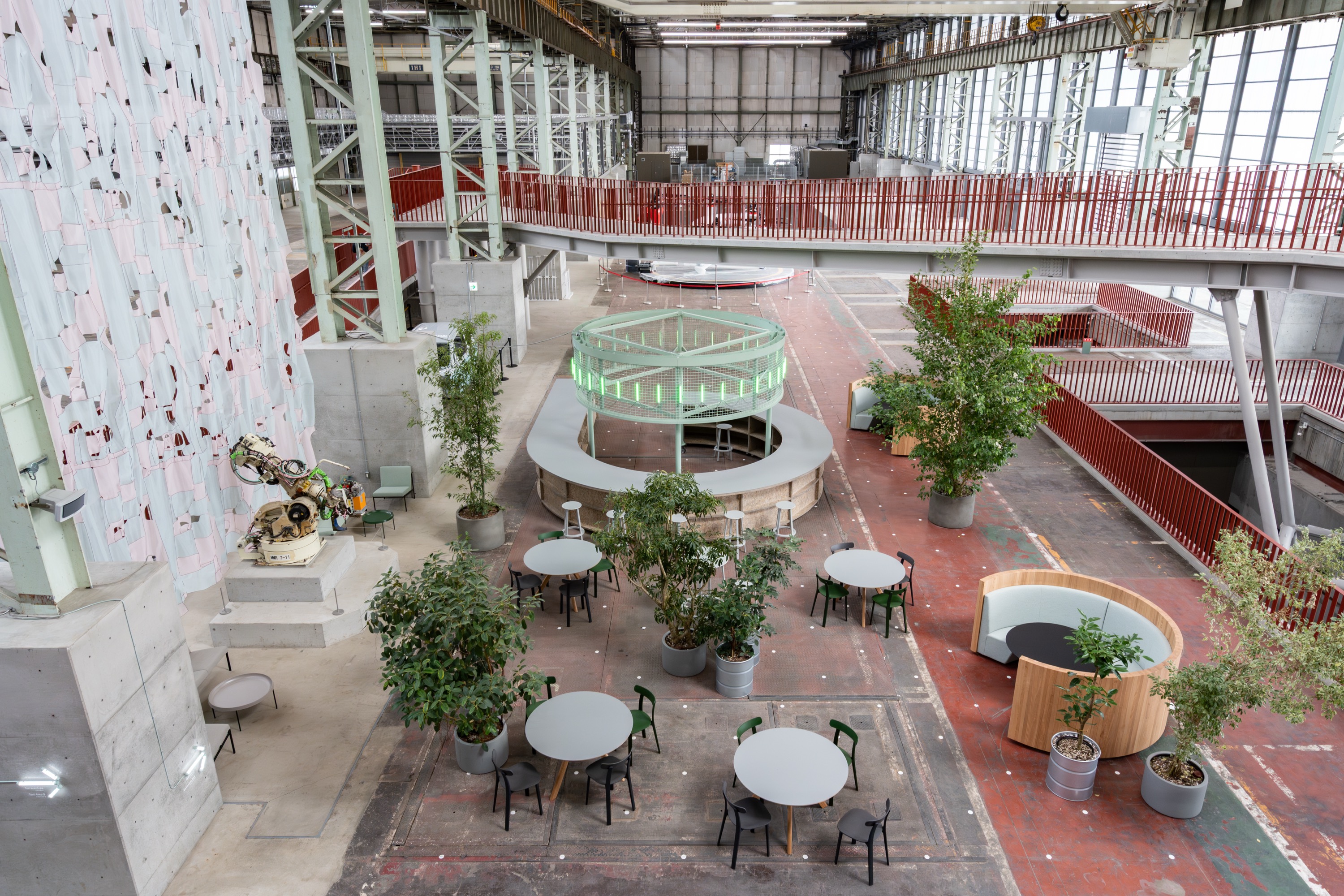
At the Consumer Electronics Show in 2020, Toyota CEO Akio Toyoda pledged to build a city of the future, a place where researchers, engineers, and scientists could live and work together. It was framed as the start of a transformation for the world’s largest car company, moving it toward becoming a fully fledged mobility company.

Six months ago, after Toyota spent an estimated $10 billion to build an urban paradise atop a disused factory, the first residents moved in. One-hundred handpicked “Weavers,” residents chosen to boost the tech cred of the sensor-laden mini-metropolis, began settling in.

Last week, I got a chance to check it out. Here’s what I learned while wandering the streets of Toyota’s vision of the future.

The future is safe

As part of its transformation into a true mobility company, Toyota is aiming to become the world’s safest carmaker. The company says it wants to create a “society with zero accidents”—a tall order given the sheer number of Toyotas currently on the road.

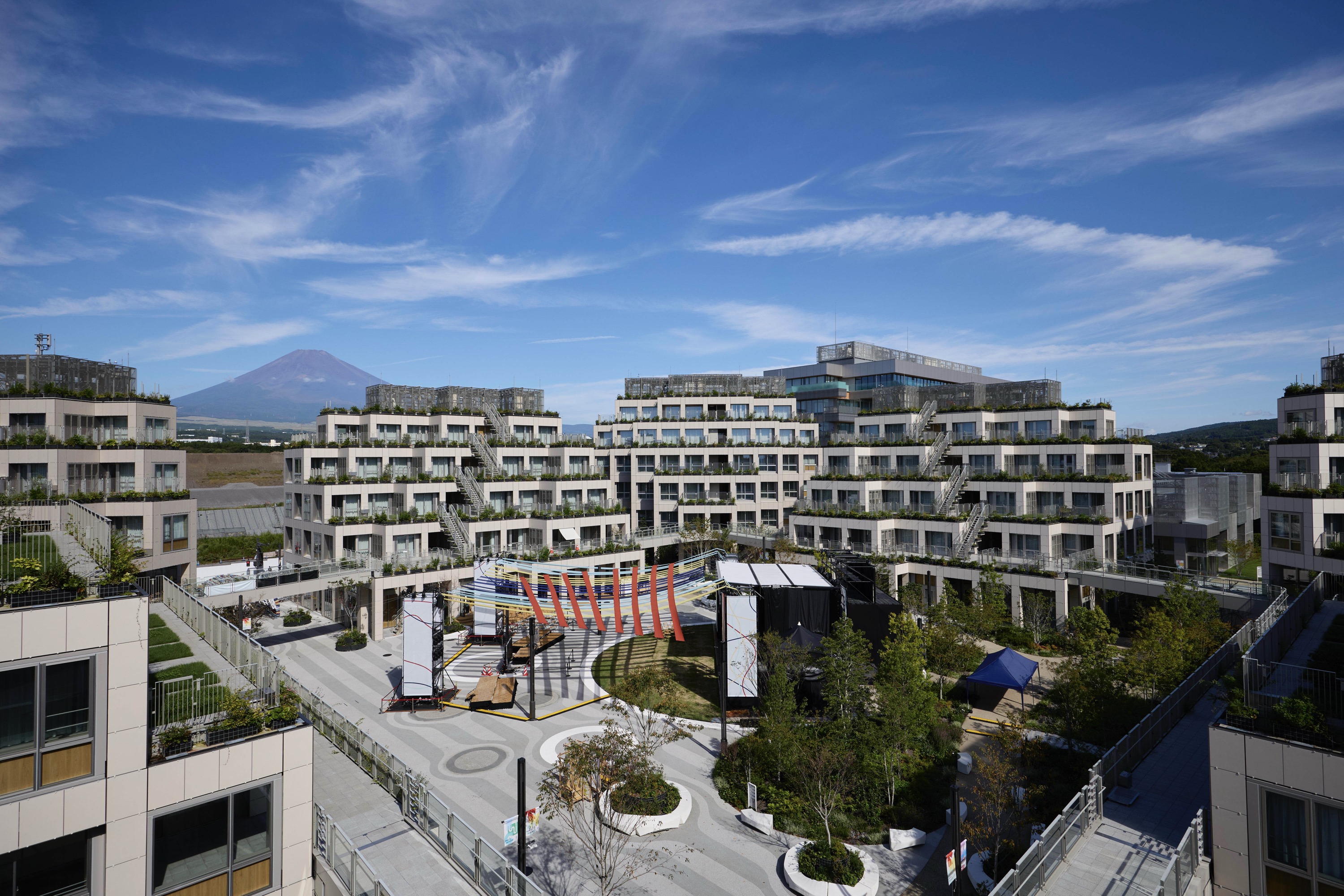
A courtyard surrounded by modern buildings

Woven City on a sunny day.

Woven City on a sunny day. Credit: Toyota

“Statistically, the set of autonomous vehicles out there is nowhere close to the magnitude of vehicles that Toyota has in the world,” John Absmeier, Woven City’s CTO, told me. While companies like Waymo are fielding tens of thousands of vehicles, Toyota’s eventual autonomous fleet will need to operate at a much higher standard, he said.

To get there, Absmeier said Toyota’s cars will need far more awareness than onboard systems can provide, even with the most advanced lidar, radar, and imaging sensors on the planet. For instance, the only way to spot a kid darting out from behind a truck, he said, is with cameras on every street watching for hazards, paired with warning systems for oncoming traffic.

This is part of the age-old promise of vehicle-to-everything communications, and at Woven City, Toyota is trying to put that idea into practice.

The future is a privacy nightmare

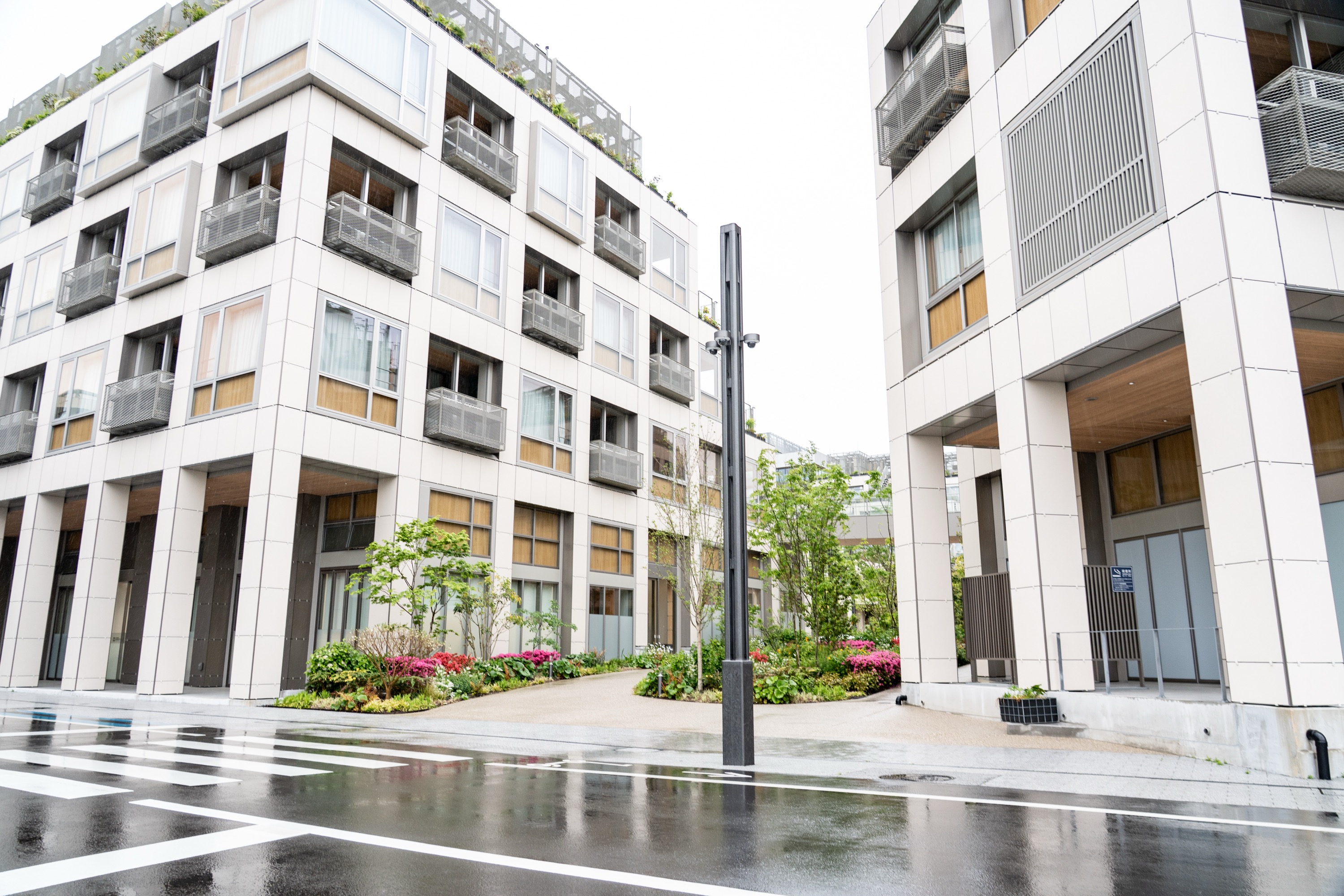
But if the idea of ubiquitous cameras watching everyone gives you pause, you’re not alone—it certainly seemed startling to me. I counted eight separate cameras at a single intersection in Woven City, plus many more mounted on the ceilings of the buildings I toured. Even the small on-site coffee shop had half a dozen hanging overhead.

A wet city intersection

In the rain, Woven City felt even more like a ghost town.

In the rain, Woven City felt even more like a ghost town. Credit: Tim Stevens

There are plenty of cameras in urban areas around the world, but I haven’t seen anything approaching this level of density. All of them feed into what Toyota calls the Woven City AI Vision Engine, an agentic system designed to monitor, catalog, and report activity.

A demo video showed how these cameras can be used in retail environments to spot shoplifters. While I was told the system doesn’t use facial recognition, it can still track people based on their clothing, following them as they move from one camera to another.

Kota Oishi, general manager at Woven City, said that Toyota has surveyed people around the world, including Americans and Europeans, about their views on privacy and data. While people in Southeast Asia tended to be fairly relaxed about privacy, Japanese respondents were far more cautious, he said.

“Japanese people are more on the European side. They are very concerned about that data,” he said. “They need to be convinced that the data is protected, and they want to know specifically what the data will be used for.”

Protecting that data across so many systems under development at Woven City is a complex challenge. To try to manage it, Toyota created a system called “Data Fabric.” Saipang Chan, an engineer on the project, told me that users can opt into or out of individual services.

“We have our own consent management to ensure that all the data being shared or being collected,” he said. “We act under the consent of the data provider.”

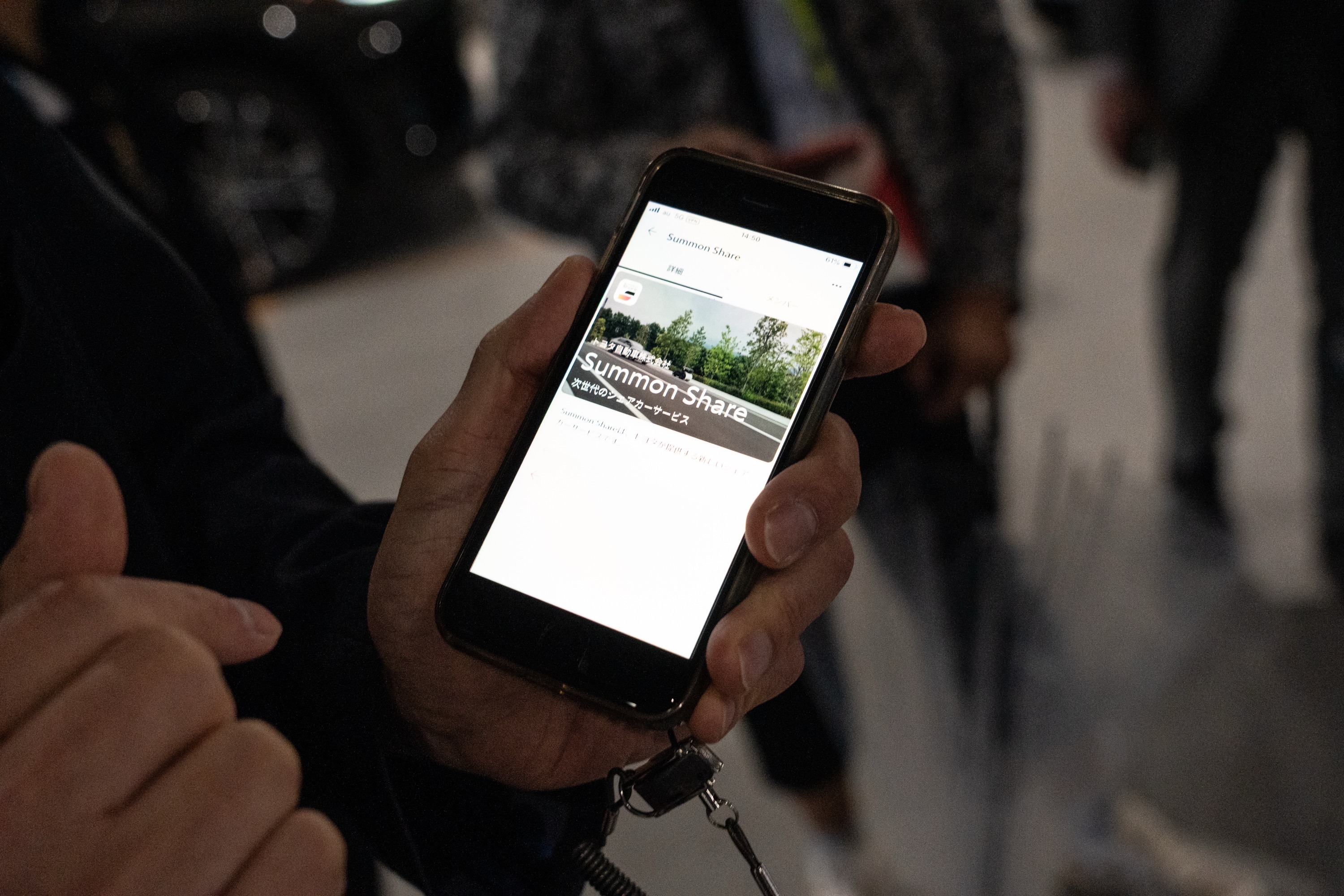
Weavers use the Woven app to order services from the city.

Weavers use the Woven app to order services from the city. Credit: Tim Stevens

Chan said that while user data can be exchanged among the various experiments within the Woven City’s walls, it’s not being sold. At least, not yet.

“We allow the Weavers to select what they want to share or not. So whether it’s nothing or whether it’s everything is up to the individual,” Absmeier told me. Oishi, the GM, said the vast majority of the Weavers have opted into the roughly 20 experiments currently underway. For example, 98 percent allow a robot with cameras to operate in their homes.

But these opt-in numbers come from a highly curated group of participants living in a controlled environment. The real world is a different place.

The future is one big creators’ hub

Daisuke Tanaka, a resident of Woven City, is something like an on-site digital matchmaker for Weavers. It’s not love they’re looking for, though; he connects creators and startups to spark collaborations every second Friday.

“Sometimes we’re talking about technologies and products, but sometimes they’re much more casual events,” he said. He cited a next-gen vending machine under development as an example of the sorts of new products coming from this collaboration. “They want to combine the photo-voltaics with the vending machine so it can run anywhere,” he said.

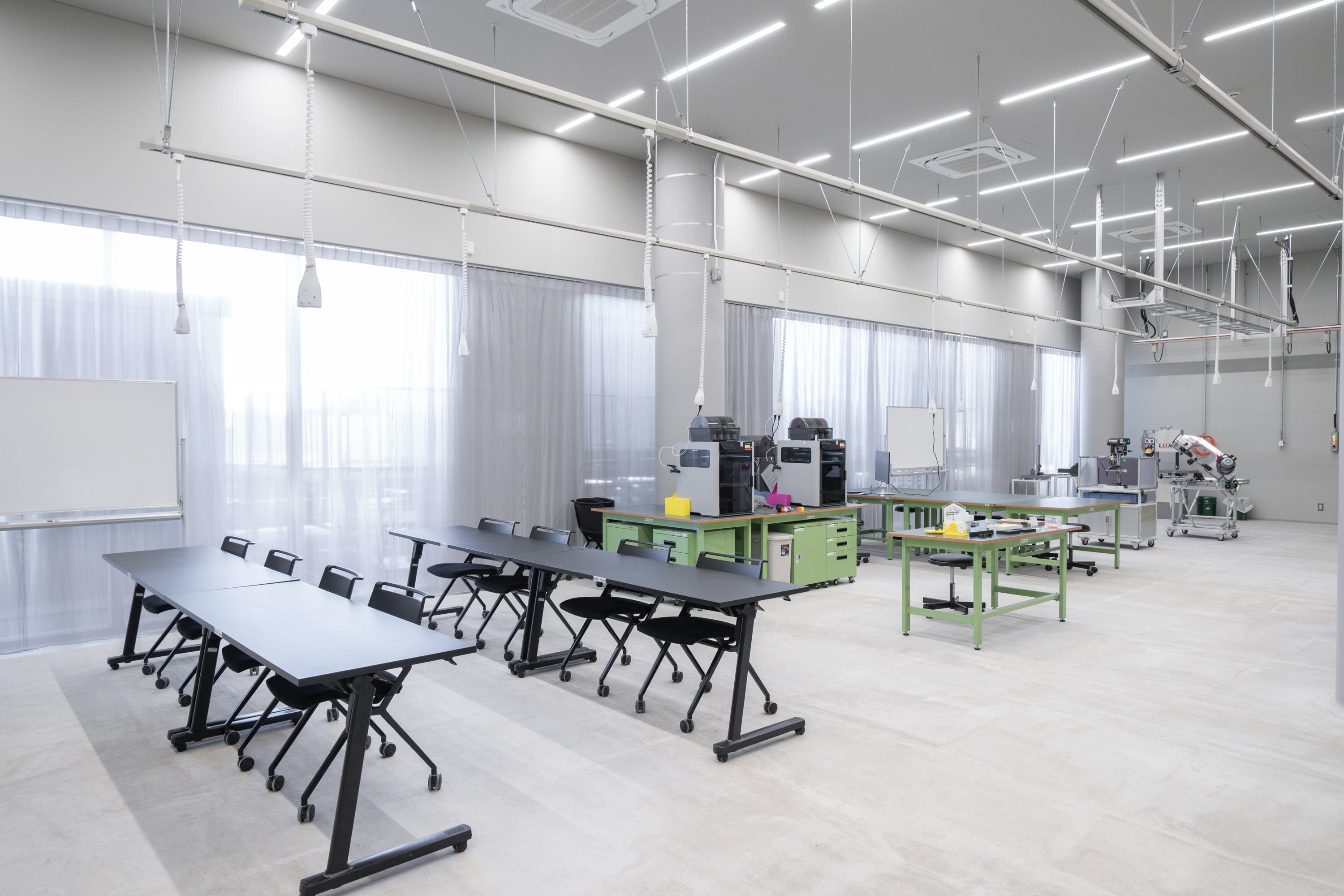
Expansive coworking spaces dot Woven City, designed to foster spontaneous brainstorming, with plenty of 3D printers scattered throughout for rapid prototyping. The stated goal is to spur creation, innovation, and successful startups.

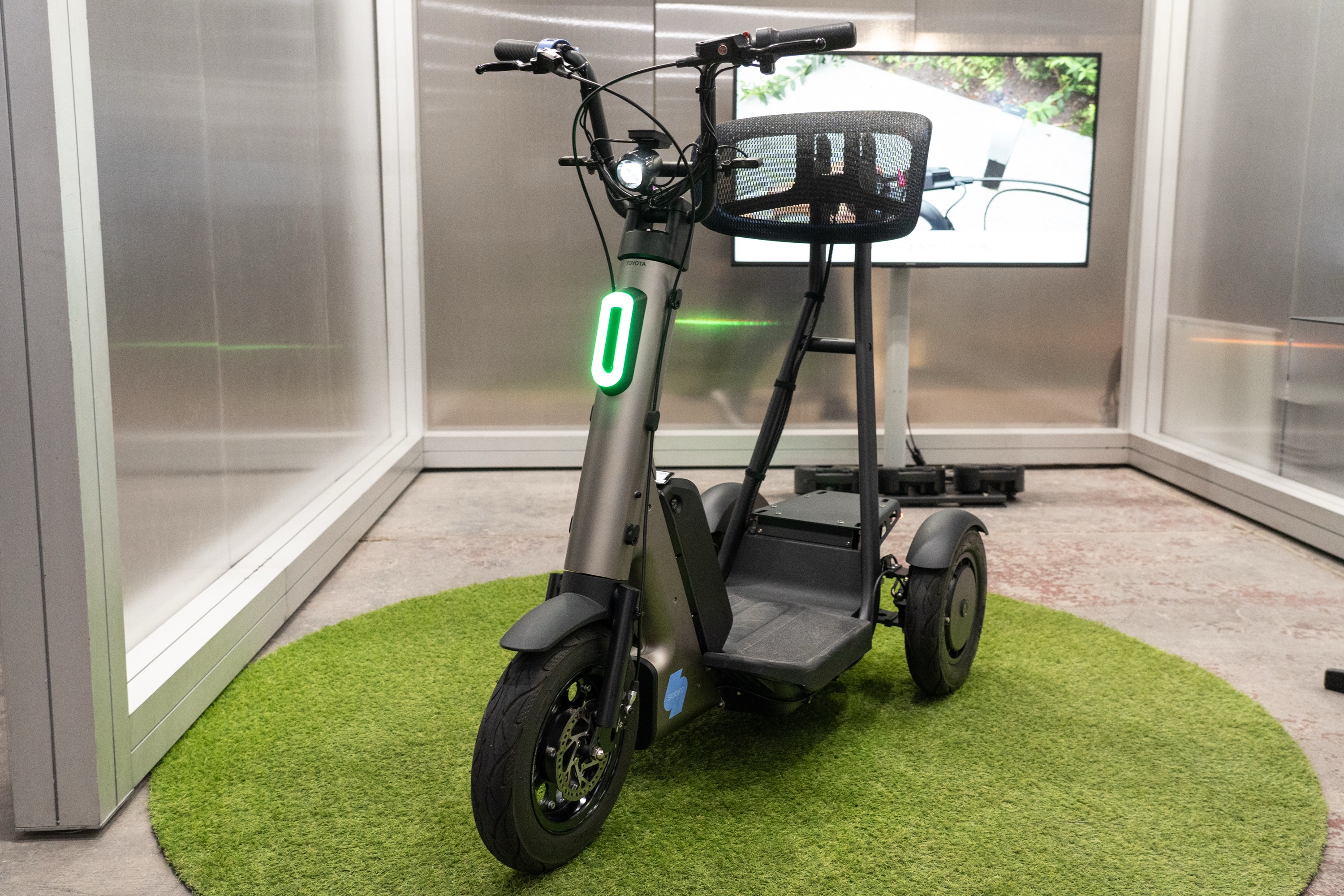
A three-wheeled mobility scooter.

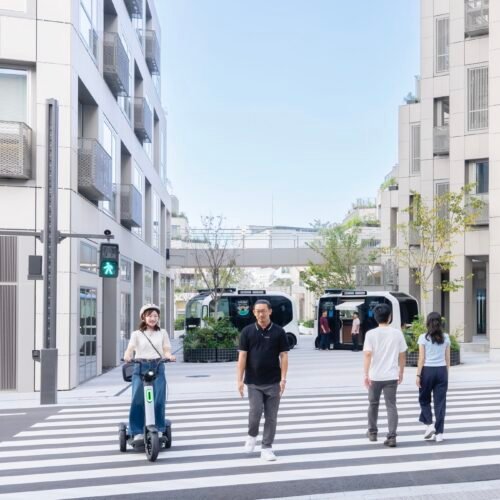
The Swake looks fun, but we weren’t allowed to ride it in the rain.

A maker space

A maker space in Woven City’s Innovation Garage.

Woven City residents act as alpha and beta testers for everything from an AI-powered karaoke machine that selects songs based on mood to a next-generation HVAC system designed to eliminate 95 percent of pollen in the home (roughly half of Japan’s population suffers from hay fever).

Residents also help test delivery robots and a device called the Swake, a three-wheeled scooter with a leaning backrest for cornering. I didn’t get to ride one, but with a top speed of 12 mph (20 km/h) and a range of 3.7 miles (6 km), the Swake could be a more stable and (and fun) alternative to the average Lime or Bird scooter.

The future is tiny

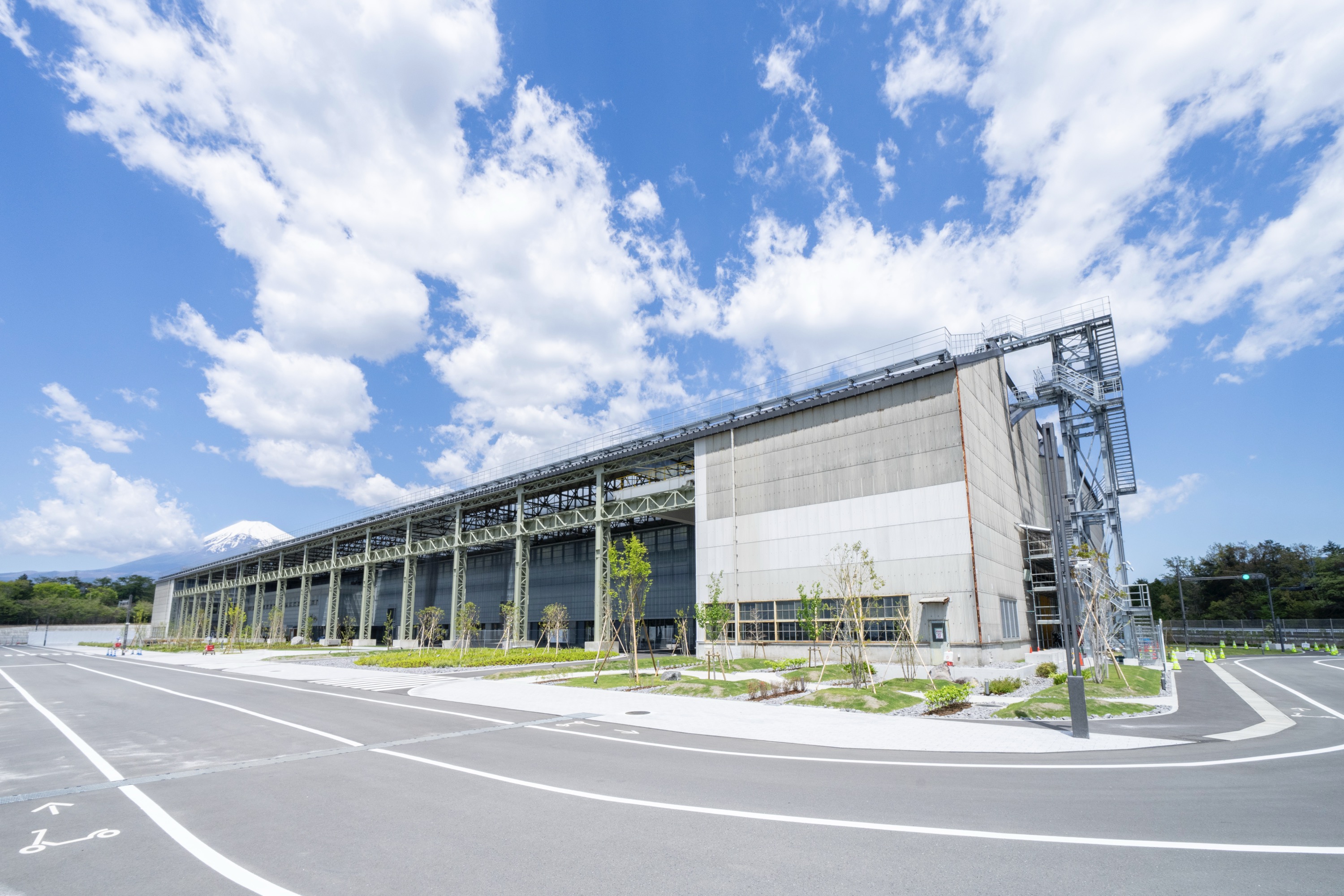
For something called a “city,” Toyota’s Woven City has a small footprint. Its largest structure is the former sheet-metal stamping facility at the factory that once anchored the site. Outside of that, only about 10 percent of Woven City’s eventual 175-acre (70.8-hectare) footprint is complete.

That’s roughly the size of three New York City blocks. You can walk from one end to the other in just a few minutes, which makes it a curious setting for a project meant to benchmark next-generation mobility.

The 20 prototype Swake machines also can’t leave the grounds, which limits the amount of real-world testing they’re getting.

The future must be financially sustainable

From an operational standpoint, Woven City is a business operating under Woven by Toyota, Inc. Its financials aren’t public (Toyota would not comment on total build costs or how much its residents pay to live there), but Absmeier said Woven City is expected to be profitable.

“Ultimately, we have to be a long-term sustainable business,” he said.

That’s why so much Toyota tech is being tested here, including efforts to refine systems like the AI Vision Engine before selling them to municipalities. Toyota has several closed test tracks around the world, but Woven City acts as a safe space to test a far broader suite of services and devices before they’re commercialized.

The future is full of robots that don’t do much yet

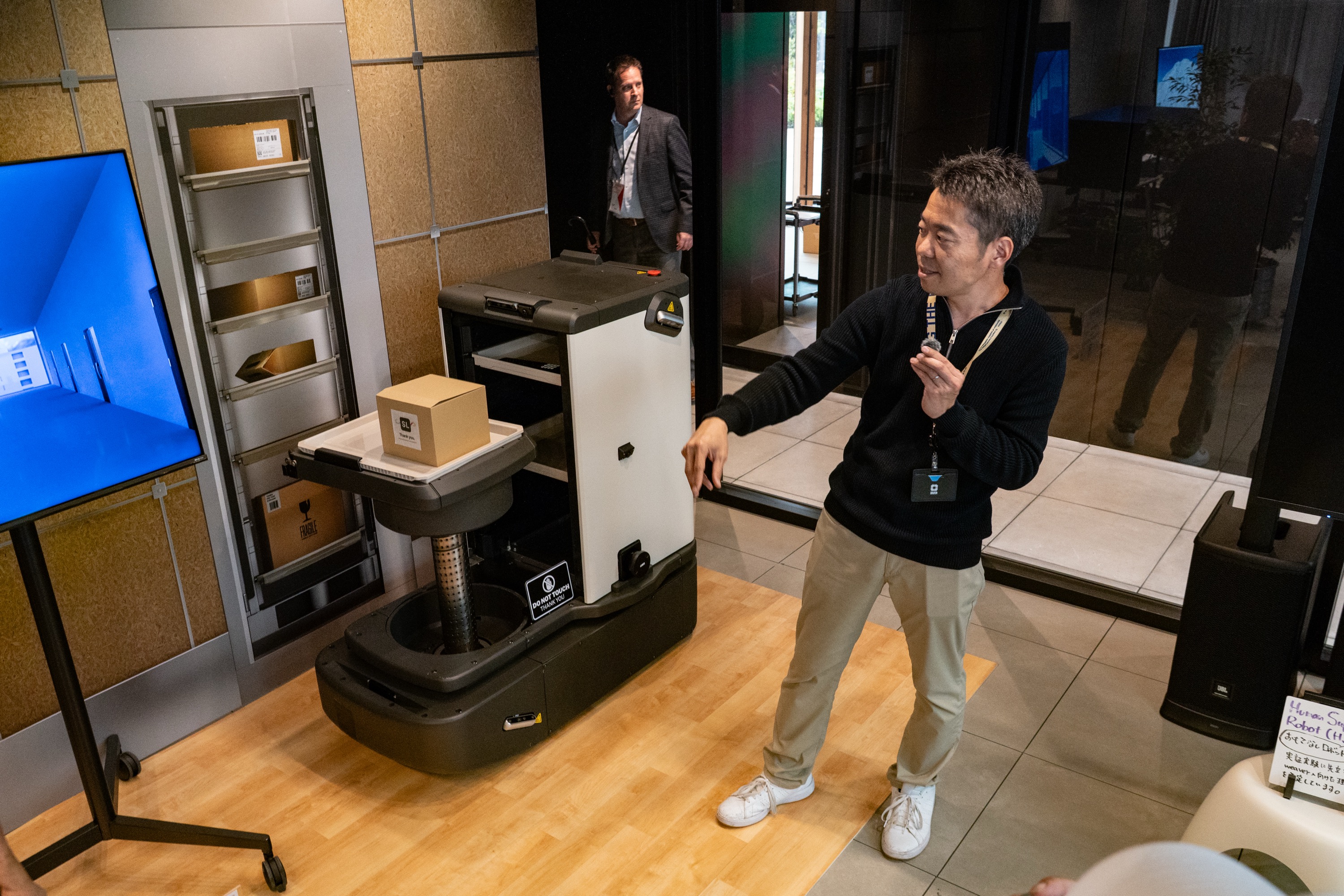
“Physical AI” was everywhere at Woven City: robots of all shapes and sizes that, for the most part, didn’t seem to do much.

There were robots for delivering packages to residents and others for carrying home groceries. A self-balancing, two-wheeled robot with one arm carried trays of food around apartments, and another had a single gripper designed to potentially help around the house someday. Most of them looked like design concepts without much practical use.

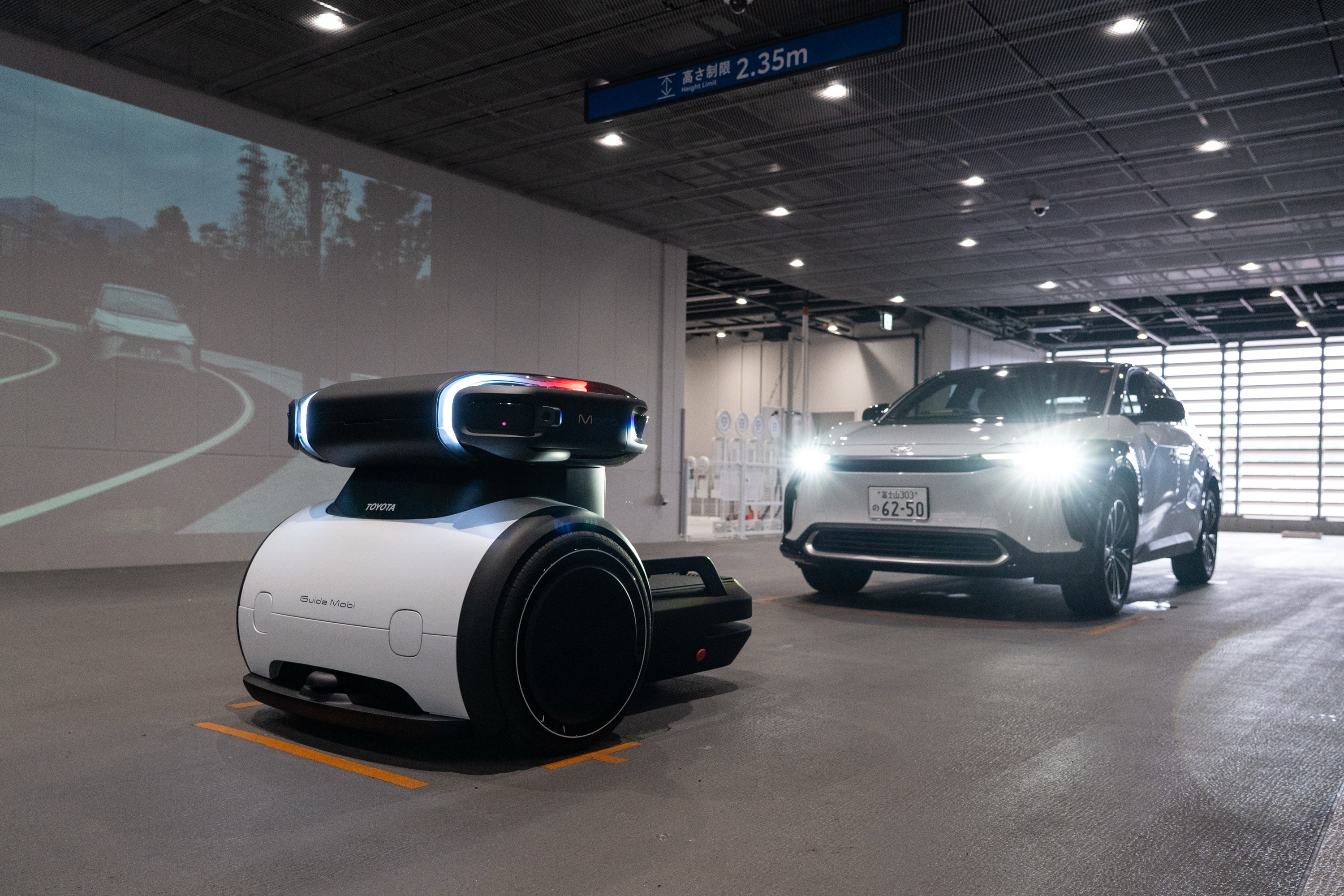
A robot in front of a Toyota ev

The Guide Mobi robot in front of a Toyota EV.

The Guide Mobi robot in front of a Toyota EV. Credit: Tim Stevens

The Guide Mobi, however, was more compelling. Like a tugboat guiding cargo ships in and out of port, it’s used in Woven City to autonomously move cars from the parking garage to a pickup area for residents. But where a tugboat provides thrust to keep boats moving, the Guide Mobi uses sensors to prevent the cars from going the wrong way.

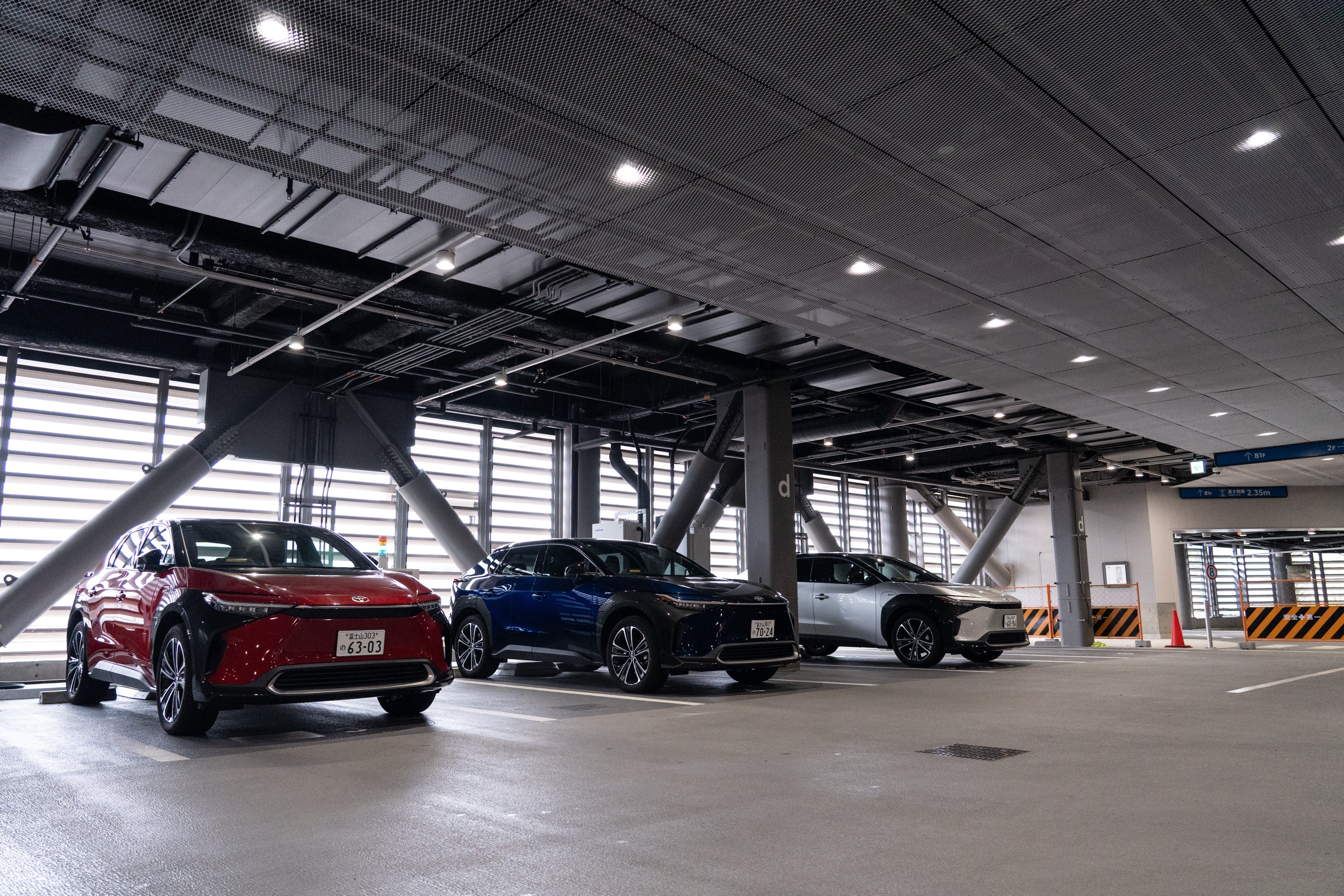
The cars in question are Toyota bZ4X EVs, which lack the necessary sensor array to handle the task on their own. The Guide Mobi, equipped with a lidar array, imaging sensors, and other systems, effectively takes control of a single car, which autonomously follows its digital “tug.” The car is delivered to the curb outside, where the Woven City resident can hop in and drive off.

Why rely on such a complicated solution when modern Teslas can perform similar tasks using only onboard sensors? Toyota says it’s prioritizing safety, and Tesla’s Summon feature has hardly delivered on that front.

The future has a smart grid

three Toyota EVs parked in a row

When residents want their car, Guide Mobi brings it to them.

A scale model of a parking garage

The parking garage also works as a giant distributed energy store, taking advantage of the EVs bidirectional charging.

Those bZ4X EVs don’t live in just any garage—they’re stored in a space Toyota calls a virtual power plant, or VPP. In addition to a roof full of solar cells to help charge the cars inside, the facility is chock-full of bidirectional chargers.

The cars inside can act as a collective battery pack, offsetting Woven City’s peak power demand by up to 10 percent. The plan is to offer the service to businesses with large EV fleets, reducing their overall power bills.

The catch is that those chargers have standard, human-operated plugs. Though the cars might be able to be delivered autonomously to drivers waiting outside, some poor soul still needs to unplug them before they’re sent out and plug them in when they return.

The future only works in the sun

It was miserable and rainy for much of the time I spent wandering Woven City, and the moisture was an unfortunate limiting factor for its operations.

While the Guide Mobi braved the rain for a test delivery, the Swake tricycles can’t run in such conditions. All the scooter-sharing stations were empty on that day, and many of the robots we’d been told to expect skittering around the streets had stayed home to keep their sensors dry.

The future is beautifully designed

There’s a bit of a prefab vibe to certain aspects of Woven City, particularly the brutalist residential buildings. It’s a space that’s stark, clean, and frequently beautiful.

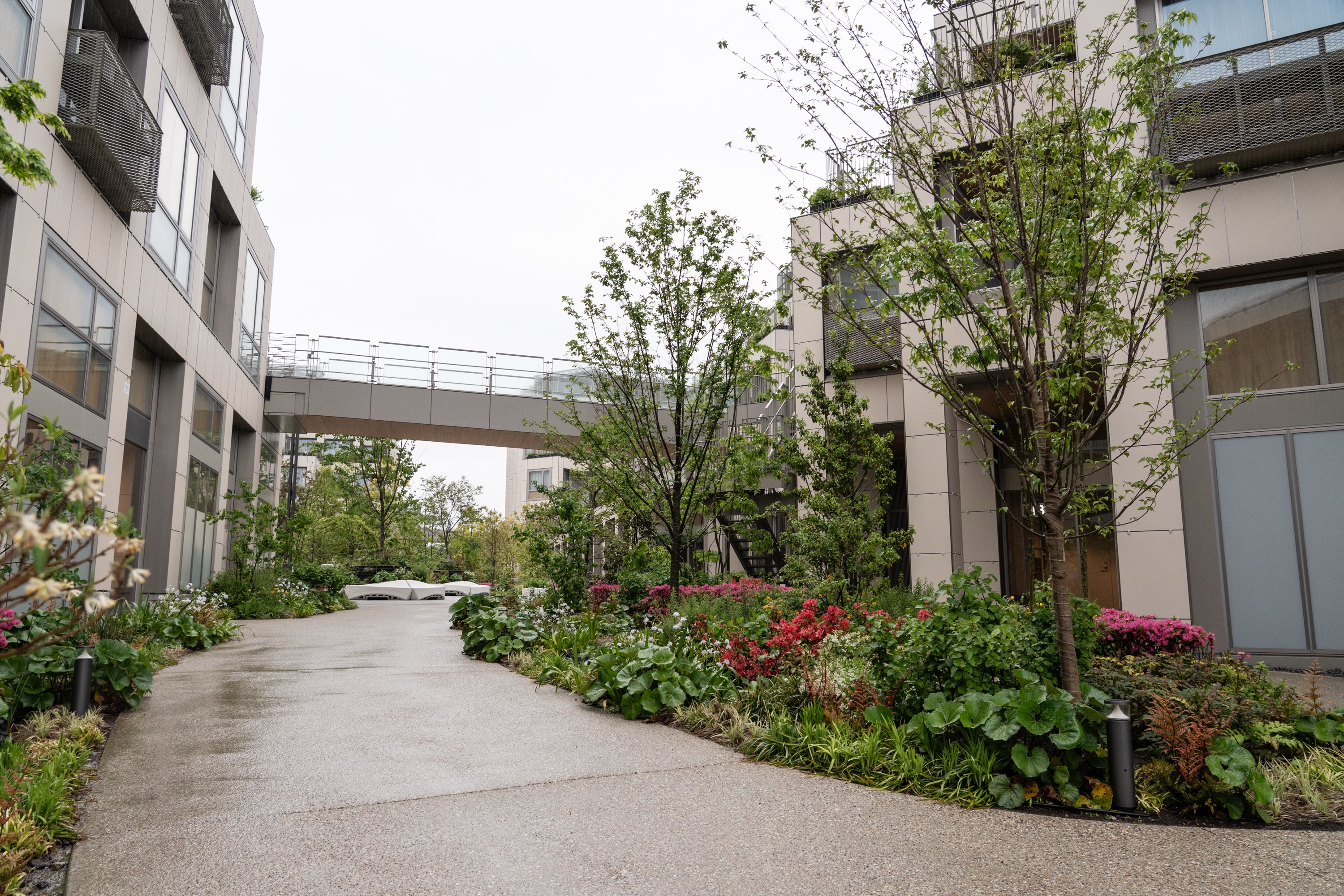
Many of the shared spaces feature sweeping, flowing ridges of wood that run cleanly from outside to inside, creating a strong sense of visual continuity. The city’s pedestrian areas are lined with lush, attractive gardens that likely received a little extra attention before our visit.

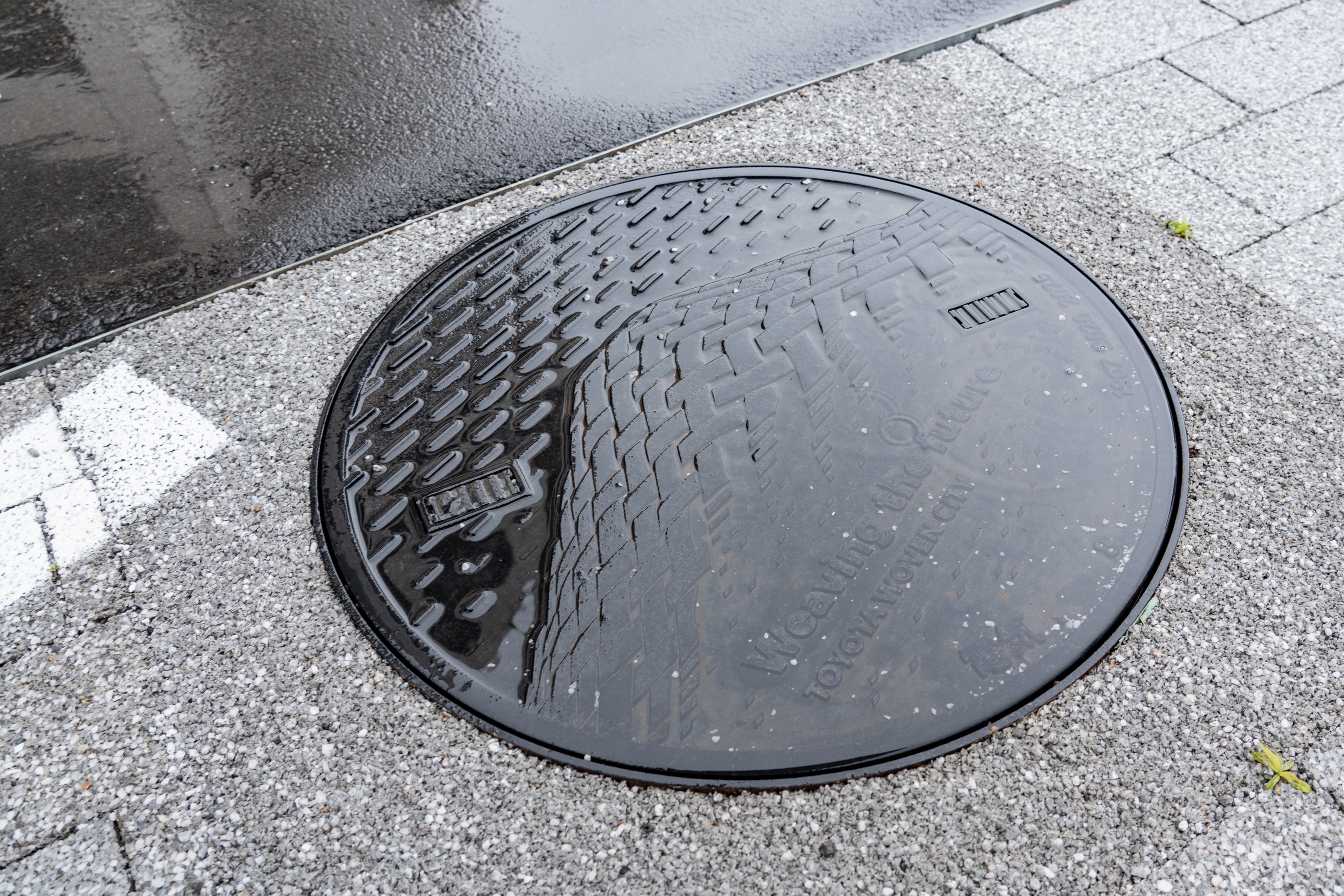
Even the manhole covers, featuring a stylized Mt. Fuji, were cleverly designed. Woven City is certainly cold and corporate in places, but it also shows the level of polish that urban planning and design can reach when a single, well-funded corporate entity makes all the calls and foots the bill.

A pedestrian walkway

But where are all the people?

A manhole cover

The manhole cover has Mt Fuji on it.

The future feels lonely

I spent most of my time in Woven City being shepherded from place to place by tour guides, but when I finally managed to escape and wander around on my own, it felt eerily empty.

It wasn’t quite Omega Man territory, but I didn’t see a single kid playing, dog out for a walk, or citizen running to one of the on-site convenience shops. The electric e-Palettes Toyota uses as buses were empty; they stopped at their stops, waited, and then left without picking up or dropping off anyone.

The curtains were drawn on all the apartments I could see, and there was no sign of laundry, bicycles, or other personal items on any apartment balcony.

I had to remind myself that this place is six months old, with only 100 Weavers so far—fewer residents than you’d find at your average Holiday Inn. It’s early days, and as the facility is built out and more folks move in, it will likely feel less sterile over time. But Toyota’s goal of building the world’s greatest creator hub will only start to take shape if outside companies find real ways to bootstrap their next products here.

A big building

The Inventor Garage at Woven City.

A large open space with some tables and chairs.

Inside the Inventor Garage.

Woven City is Toyota’s attempt to not only identify the next mobility zeitgeist but also to ensure it begins to take shape where the company can capitalize on it. It’s a big bet, but it’s backed by the world’s largest car company by volume and one of the few that has managed to consistently deliver products its customers want in a chaotic global market. As the broader Toyota Group turns 100 this year, it’s natural for it to focus on the next century.

It’s hoping Woven City will help define that future.

I Reached Out to the White House Counterterrorism Czar for Comment. He Lashed Out on X.

0
i-reached-out-to-the-white-house-counterterrorism-czar-for-comment-he-lashed-out-on-x.
I Reached Out to the White House Counterterrorism Czar for Comment. He Lashed Out on X.

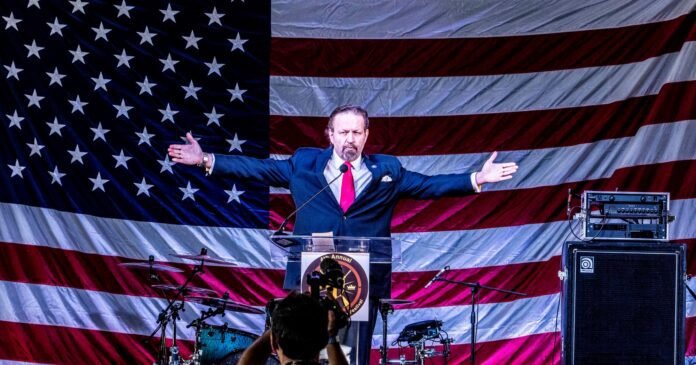
Counterterrorism czar Sebastian Gorka is one of the most controversial figures in the Trump administration, a gate crasher in the buttoned-up world of national security. 

In a field where quiet professionalism is revered, Gorka is loud and mercurial. With a booming, British-accented voice, he describes U.S. operations turning suspected terrorists into “red mist” and stacking bodies “like cordwood.” He wears a lanyard inscribed with “WWFY & WWKY,” referencing a line from President Donald Trump: “We will find you and we will kill you.”

It is a testament to the frenzy of Trump’s first year back in office that even the colorful Gorka had faded into the background as the nation reeled from a mass deportation campaign and sweeping cuts to federal agencies. That changed this February with the launch of the U.S.-Israeli war on Iran, which heightened the risk of retaliatory attacks on American citizens and interests around the world. Overnight, there was renewed interest in who leads White House counterterrorism efforts.

My editors and I decided it was time to break out the Gorka files. For six months, I had monitored Gorka’s public remarks for clues about the status of his long-promised national counterterrorism strategy and updates on deadly U.S. strikes in Africa and the Middle East. It had started as old-fashioned beat reporting; I cover counterterrorism, and he’s the senior director for counterterrorism at the National Security Council.

The trove of details I collected from months of Gorka’s public statements, along with interviews with more than two dozen current and former security officials, were woven into a ProPublica investigation published in April. It’s an in-depth look at Gorka and his role in the hollowed-out national security apparatus after a year of leadership turmoil and personnel loss as Trump shifted resources toward his immigration agenda.

ProPublica reached out to Gorka for comment in multiple ways. He never responded, instead lashing out at me via posts on X before the story published. He told his 1.8 million followers that I was anti-American and accused me of writing a “putrid piece of hackery.”

There went my hopes for a good-faith exchange. After discussion with my editors, ProPublica decided to note the insults in the story. It was another revealing layer to the combustible leader Trump had installed in a sensitive national security role. A former senior official noted the eruption was “Gorka being Gorka.”

Increasingly, journalists are pushing back against attacks on our credibility by “showing the work,” guiding readers through the reporting process to dispel myths and foster transparency. In that spirit, I wanted to take this opportunity to show how basic beat reporting — fact-checking the assertions of a powerful figure — led to a broader story about the state of the U.S. counterterrorism mission at a critical moment.

I’ve covered the post-9/11 counterterrorism apparatus for more than two decades, so Gorka was a familiar presence, an academic known mainly for a well-documented hostility toward Islam, which he has portrayed as inherently violent. Gorka has dismissed criticism of this portrayal as “absurd,” saying his focus is “the war inside Islam” between radicals and Western-aligned Muslim leaders. He also served as an adviser under the first Trump administration but was ousted after just seven months amid White House infighting. 

At the time, dozens of lawmakers had demanded his resignation, and investigative outlets detailed links — which Gorka denies — to the Hungarian far right. After the bruising exit, Gorka waited patiently as the Republican Party swung harder right in the Biden era and eventually returned Trump to office.

Gorka was appointed White House counterterrorism czar — he called it his dream job — in a new era without the “adults in the room,” as some officials referred to the more moderate advisers around Trump in the first term. Privately, national security personnel expressed alarm that intelligence about threats was in the hands of an official who reportedly struggled to get security clearance in the first Trump administration.

To me, Gorka was a weather vane for the administration’s national security thinking: Would his “war on terror” mindset clash with the more isolationist “America First” camp that wanted no more forever wars? How would a vast security apparatus built for the Islamist militant threat reorient toward a new focus on far-left “antifa” militants and Latin American drug cartels newly designated as terrorist organizations?

I was especially interested in the status of a national counterterrorism strategy Gorka had been promising since taking office; such documents typically lay out an administration’s approach to fighting the most urgent threats. Though Gorka had described his plan as “imminent” and “on the cusp” of release, months ticked by without any sign of it.

To glean clues about the strategy, I made it my mission to watch every news appearance, read every interview and listen to every podcast featuring Gorka since December 2024, the month before he entered the White House. It took some digging — he rails against the mainstream news media and prefers to appear (largely unchallenged) on niche pro-Trump news outlets and at conservative think tanks.

I developed a nightly ritual. After dinner with my family, I’d hole up to listen to Gorka, hunting for the scraps of news buried in his over-the-top vocabulary and graphic storytelling. Alongside my note categories for “Trump Anecdotes” and “Militant Death Tolls” was one for “Big Words.” For example, the president calls Joe Biden “sleepy”; Gorka prefers “somnambulant.”

Weeks into the reporting, in February 2026, I realized Gorka’s speech had burrowed into my brain when I watched a silly video and thought, in his voice, “Preposterous!” It was time for a break.

I reread my notes from hours of listening sessions. I interviewed counterterrorism analysts and national security watchdog groups about Gorka and his remit. Veteran national security personnel added context and analysis. Just as my editors and I were discussing how to turn the findings into a story, the Iran war began and the spotlight on Gorka grew brighter.

Much of the material on air strikes and the dismantling of guardrails was first incorporated into a story I reported about the Pentagon moving away from more robust civilian protections, a reversal highlighted by a deadly U.S. attack on a girls’ school in Iran. Other reporting ended up in the story about Gorka’s phoenixlike return to the White House and what it says about the Trump counterterrorism doctrine.

Gorka didn’t respond to requests for comment beyond the hostile posts on X. When I asked the White House for comment, spokesperson Anna Kelly praised Gorka’s “incredible job” but sidestepped questions about his approach. “Anyone attempting to smear him and the President’s national security team is only revealing that they haven’t been paying attention for the past year,” Kelly wrote, “as anyone with eyes can see that our homeland is more secure than ever.” 

As of writing, exactly two months into the Iran war, Gorka’s counterterrorism strategy has yet to appear.

Read More

Tanker Hit by Unknown Projectiles Off UAE Coast as UK Agency Urges Caution

0
tanker-hit-by-unknown-projectiles-off-uae-coast-as-uk-agency-urges-caution
Tanker Hit by Unknown Projectiles Off UAE Coast as UK Agency Urges Caution


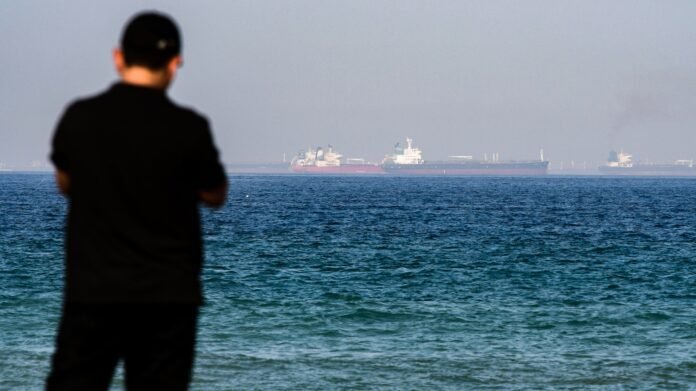
Unknown projectiles hit a tanker about 78 nautical miles north of Fujairah in the United Arab Emirates, a UK maritime trade organization said on Monday, as authorities urged caution in the region.

No injuries were reported among the crew.

“A tanker has reported being hit by unknown projectiles,” the United Kingdom Maritime Trade Operations said, adding that all crew members were safe. The agency called on vessels to transit the area “with caution” as the incident is investigated.

Circumstances of the strike were not immediately clear.

The incident comes amid heightened tensions following a period in which the United Arab Emirates was repeatedly targeted during the recent war with Iran. During that period, attacks included missile and drone strikes on energy facilities, ports, and urban areas.

Among the incidents cited were a drone strike on the Fujairah port, described as a key oil hub, and a tanker fire at Dubai Port. In Abu Dhabi, debris from intercepted missiles caused fires at the Habshan gas complex.

Attacks during the war were described as focusing primarily on economic and infrastructure targets. Air defense systems intercepted many incoming threats, limiting broader damage.

The latest strike on the tanker occurred as the United States and Iran remain at an impasse in ceasefire negotiations, with speculation increasing that armed conflict may be renewed.

Europe’s consummate systemic rival: Ursula von der Leyen

0
europe’s-consummate-systemic-rival:-ursula-von-der-leyen
Europe’s consummate systemic rival: Ursula von der Leyen

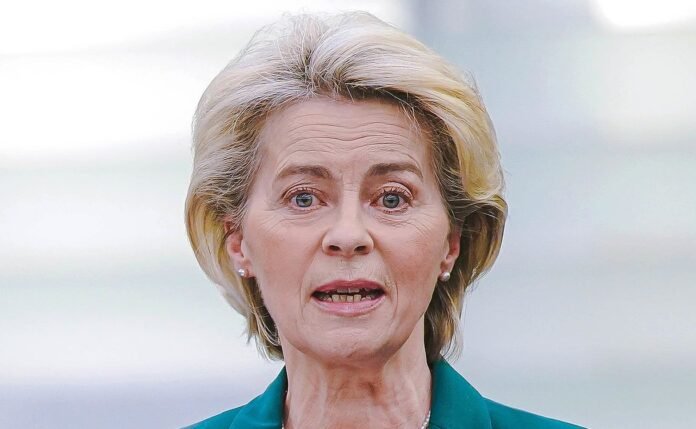
The most consequential threat to Europe in the past decade has not arrived from Moscow, Beijing or Washington. It has been manufactured, word by word, policy reversal by policy reversal, on the 13th floor of the Berlaymont building in Brussels.

Ursula von der Leyen has achieved something genuinely rare: becoming the EU’s most reliable liability. She has built a career on announcing Europe’s future while presenting the consequences of her own failures as if they had arrived from nowhere.

The problem is not that the European Commission President makes mistakes—which any politician does — but that she makes them at scale, from the Union’s highest executive office, across long stretches of time, with the confidence of someone who has never been held accountable for any single consequence.

The pattern is familiar: announce a doctrine, enforce it with bureaucratic zeal, watch it fail, return with a correction that contradicts the first line, and receive applause from the same circles that applauded the first version. Repeat, indefinitely, at a global scale.

Fail, contradict, retreat

The latest cycle has been remarkable even by her standards. On March 9, she told ambassadors that “Europe can no longer be a custodian for the old-world order, that has gone and will not return,” while still claiming to defend it. She even questioned whether the “system that we built [is] more a help or a hindrance to our credibility as a geopolitical actor.”

In her terms, Europe had entered an age beyond American protection. However, Europe’s dependence on Washington was not an inheritance she encountered; it was a condition her own presidency repeatedly accommodated. One cannot lament submission after years spent entrenching it.

Those remarks took place in the context of Trump’s Iran war. Yet she offered no account of why endorsing escalation in a conflict that raises oil and gas prices, strengthens Russian export revenues and helps finance Putin’s wars, increases costs for European households and industry, threatens supply routes, and may trigger new refugee flows serves any European interest. She asked to reverse the EU principles while backing warfare that imposes costs on Europe and yields no gain.

According to this former German defense minister, the post-war architecture of multilateralism, consensus, and international law, the same order her mandates were meant to embody and export, is now a burden in a world that has moved on.

Within 24 hours, her office was backpedaling. The speed of that retreat exposed the weakness of the disruptive line and the thin authority behind it. It also laid bare a deeper problem: von der Leyen operates from a worldview that is genuinely her own and detached from the member states that placed her in office. She governs by announcement and manages dissent ruthlessly.

The pattern overreach-retreat repeated on April 19, when she declared the EU should not be “influenced by Russia, Turkey, or China.” Lecturing Turkey — one of the EU’s largest trading partners, a NATO member spanning two continents, and a longstanding candidate state — was a calculated willingness to antagonize Ankara at the worst possible moment. By the following day, her office was again re-contextualizing.

A few days later, Sabine Weyand — a 32-year veteran of European institutions? — was forced out after she acknowledged the humiliation occurred at a Trump golf course: while von der Leyen posed thumbs raised for a group photo, Weyand stood with hands in her pockets and an unchanged expression.

Essentially, the illustration between those who perform European dignity and those who embody it. In any institution with a functioning accountability culture, naming a problem is not a firing offense. In this Commission, it appears to be.

What makes these episodes worth examining is what they reveal about von der Leyen’s mandates. In 2019, at the start of her first term, she promised a geopolitical Europe: a bloc that would act as a power, not only as a market, a regulator, or a moral actor.

When the second presidency began, the geopolitical map of Europe was neither revised nor reformulated. It simply vanished from Commission scripts.

Six years later, when the international order was described as an obstacle to European interests, she was not unveiling a new vision but the collapse of a claim she had spent years performing. The gap between rhetoric and record had grown too wide to conceal.

What followed was an attempt to recast belated recognition as leadership. That failure deserves to be evaluated as failure, not repackaged as foresight. It also exposed the emptiness of six years of values talk that failed to shift any other government’s policies by a single degree.

Under pressure, values and interests became opposing choices. The call for “a more realistic and interest-driven foreign policy” only made explicit what recent peer-reviewed work argues about her own stances: that she applies a racialized double standard, humanizing Ukrainians while dehumanizing Palestinians through an “extreme form of Othering that negates both their political agency and their status as a political community.”

Unrecognized nuclear reckoning

No issue better illustrates this pattern of long-term denial followed by abrupt reversal than nuclear energy — and no issue carries heavier consequences for the continent’s industrial and strategic future.

In March 2011, von der Leyen was Federal Minister of Labour and Social Affairs, a full member of Merkel’s cabinet when Germany decided, within days of the Fukushima accident and before its own technical assessments were complete, to accelerate the nuclear phase-out.

Germany’s reactor commission later concluded that the conditions behind Fukushima were “practically impossible” in Germany and that plants were safer than the Japanese reactors that failed. That finding did nothing to alter the decision.

As long as the plants remained standing, so did the possibility of reversing the policy, pleasing the anti-nuclear lobby. Demolition removed the evidence and the option.

When von der Leyen arrived to Berlaymont in 2019, she had a second chance, this time at continental scale, to correct that huge miscalculation. Instead, she made the Green Deal a cornerstone of her mandate, treated nuclear with suspicion, allowed Germany’s anti-nuclear inheritance to weigh on the EU taxonomy debate, and left Europe deeper in gas dependence until Russia made that dependency catastrophic.

In 2026, she calls it an “error of judgment,” announces 200 million euros in EU risk guarantees for private investment in new nuclear technologies, and moves on, without any reckoning with her own record or with the scale of the damage.

The Commission’s April 2026 Energy Union communication now states that nuclear power plants supply clean power “suitable for enhancing system integration and providing flexibility facilitating further roll-out of other clean technologies,” that “new small modular reactors or avoiding the premature retirement of existing nuclear capacity can help reducing the need for fossil fuel use,” and that “there is unlocked potential regarding existing nuclear power plants.”

This is the policy environment von der Leyen inhabited, promoted, and defended, and the cost was borne by European consumers facing the world’s highest electricity prices, by industry moving production to jurisdictions with cheaper and more reliable power, and by a climate policy that replaced carbon-free nuclear generation with coal and gas at the worst moment.

That record would have buried a less protected politician. But if she has one undeniable talent, it is turning crisis into a mechanism for centralizing power. In moments of emergency, she moves authority upward, disciplines hesitation, and makes Brussels look decisive. The difficulty begins when that concentration of power must be matched by consistency, transparency, or strategic judgment.

Von der Leyen’s plentiful sycophants operate in Brussels and Berlin think tanks, EU-funded research institutes, together with a commentary platoon that turns Commission priorities into respectable prose.

Much of that material is then fed back to the same public asked to bear the cost, repackaged as sober analysis for audiences expected to subsidize failure. The laundering is so efficient that even the slogans return wearing a decent policy brief costume.

This is the incentive structure of institutional politics. It produces refined arguments for positions that fail on the merits. The academic retreat on nuclear energy showed how narrow the space for dissent had become inside Germany’s policy and expert class. Brussels did not correct that pathology; it elevated it into a method of rule, where failure is recoded as expertise.

Stripped of title and ceremony, von der Leyen represents the European technocratic class at its most self-referential: those who design policy also judge it, failure becomes learning, and the official who helped produce the problem is invited to unveil the cure. The EU institutions have perfected the miracle of political self-absolution.

Expensive costs

History offers sobering precedents: institutions do not collapse only under external assault. They hollow themselves from within. They corrupt themselves through the very structures built to sustain them. What looks, from the outside, like strength is often the late stage of a managed decline.

She promised a geopolitical Europe and delivered bureaucratic performance. She pushed an energy transition without sufficient baseload and the citizens inherited the most expensive energy system globally. She declared defunct the post-war order on Monday and retreated on Tuesday.

She will now present a new doctrine for European security, a new realism for a new era, Socialism with European characteristics, or some other commissioned slogan with a logo and a launch event, and her well-funded defenders will write as though the earlier doctrines had been someone else’s idea.

If someone still dares to criticize this excruciating level of sophisticated institutional capture, they are speedily branded as pro-Trump, soft on China, anti-European, or on Putin’s payroll—or shown the door, as with Weyand. The accusation spares its authors the argument.

But now, consider what her policies delivered: an energy model that enriched Russian gas exporters, deindustrialization that pushed parts of European manufacturing toward China, and an incoherence that made American coercion easier. The outcome strengthened each of Europe’s main external pressures at once.

Officials who spent years warning Europe about external rivals helped produce the very weaknesses on which those rivals feed. If a Kremlin operative, a Beijing trade official, and a Mar-a-Lago lobbyist had collaborated on an EU policy agenda, the results would look remarkably similar.

Europe’s problem is not only a harsher international environment, an unreliable US, a stronger China, or Russian aggression. It is a Union leadership class that has spent years producing the conditions of its own irrelevance under a Commission President whose chief talent is to describe the crisis as if she had found it, not made it.

Europe deserves better than the architect of its vulnerabilities presenting herself, eternally, as the solution to them.

Sebastian Contin Trillo-Figueroa is a Hong Kong-based geopolitics strategist with a focus on Europe-Asia relations.

Iran executes three men accused of links to Mossad and killing security officer

0
iran-executes-three-men-accused-of-links-to-mossad-and-killing-security-officer
Iran executes three men accused of links to Mossad and killing security officer

Iranian authorities said three men have been executed after being convicted of collaborating with the Israeli spy agency, Mossad and, in one case, killing a member of the security forces during protests.

According to Iranian media, one of those executed, Mehrab Abdullahzadeh, was found guilty of involvement in the killing of Abbas Fatemieh, a member of Iran’s volunteer security forces. Authorities said the killing took place during protests, with Abdullahzadeh accused of fatally beating Fatemieh with iron bars.

In a separate case, two other men—Yaqoub Karimpour and Nasser Bakarzadeh—were executed by hanging after being convicted of espionage for Israel. Iranian authorities said their sentences were upheld by the Supreme Court.

Officials stated that the two men had gathered information on government and religious figures, as well as sensitive locations including the Natanz nuclear facility, and passed it to Mossad.

The executions come amid a broader pattern of similar cases, with Iranian authorities reporting multiple executions in recent months on charges related to espionage and involvement in unrest.

READ: Iran sets one-month deadline for US to end naval blockade, wars in Iran, Lebanon

Cracker Barrel Pancake Recipe (Fluffy, Buttery & Better Than the Restaurant)

0
cracker-barrel-pancake-recipe-(fluffy,-buttery-&-better-than-the-restaurant)
Cracker Barrel Pancake Recipe (Fluffy, Buttery & Better Than the Restaurant)

You are here: Home / Desserts / Cracker Barrel Pancake Recipe (Fluffy, Buttery & Better Than the Restaurant)

This Cracker Barrel Pancake Recipe gives you everything you love about the original: golden edges, soft fluffy centers, rich buttermilk flavor, and that homemade comfort-food feel—all with just a handful of simple ingredients.


Why You’ll Love These Cracker Barrel Pancakes

These pancakes are everything homemade pancakes should be.

Fluffy and Tender

Soft centers with those beautiful golden edges.

Buttermilk Flavor

That subtle tang makes all the difference.

Simple Ingredients

Nothing fancy.

Just pantry staples.

Fast and Easy

Ready in about 9 minutes.

Freezer Friendly

Make extra now…

Thank yourself later.


Ingredients You’ll Need

All-purpose Flour
Buttermilk
Egg
Butter

For the pancakes:

  • 2 cups all-purpose flour
  • 2 teaspoons baking soda
  • 1 teaspoon salt
  • 2 tablespoons granulated sugar
  • 2 large eggs
  • 2 cups low-fat buttermilk
  • Butter, for cooking

Simple.

Classic.

Perfect.


Optional Add-Ins

Want to make them extra fun?

Try adding:

Chocolate Chips
Pecan
Blueberry
Banana

Because pancakes should never be boring.


How to Make Cracker Barrel Pancakes

Step 1: Mix the Wet Ingredients

In a large bowl, whisk together:

  • buttermilk
  • eggs

Mix until smooth.


Step 2: Add the Dry Ingredients

Add:

  • flour
  • baking soda
  • salt
  • sugar

Stir gently until just combined.

Do not overmix.

A few small lumps are perfectly fine.

Actually…

They’re what help make fluffy pancakes.


Step 3: Heat the Griddle

Preheat a griddle, cast iron skillet, or nonstick pan over medium-high heat.

Lightly grease with butter.

And yes…

Your kitchen is already starting to smell amazing.


Step 4: Pour the Batter

Using a ½ cup measure, pour batter onto the hot skillet.

Gently spread into circles if needed.


Step 5: Cook

Cook for 2–3 minutes until:

  • bubbles form on top
  • edges begin to set

Flip carefully.

Cook another 2 minutes until golden brown.


Step 6: Repeat

Transfer cooked pancakes to a plate.

Butter the skillet again.

Repeat until all batter is used.

And try not to eat one straight from the pan.

(Or do. Quality control matters.)


Secrets to Perfect Pancakes

Use Real Buttermilk

This is the secret to that authentic Cracker Barrel flavor.

Don’t Overmix

Overmixed batter = tough pancakes.

Gentle mixing = fluffy perfection.

Cook on a Hot Surface

A properly heated griddle gives those beautiful golden edges.

Flip Only Once

Wait for bubbles before flipping.

Trust the bubbles.


Need a Buttermilk Substitute?

No buttermilk?

No problem.

Make your own:

  • 1 cup milk
  • 1 tablespoon lemon juice

or

  • 1 tablespoon vinegar

Let sit for 5 minutes.

And you’re good to go.


Easy Flavor Variations

Pecan Pancakes

Add:

Pecan

for extra crunch.

Chocolate Chip Pancakes

Because mornings deserve chocolate.

Birthday Pancakes

Add sprinkles.

Instant happiness.

Berry Pancakes

Blueberries or strawberries work beautifully.


A Little Story from My Kitchen

Weekend pancakes have always been a big deal in our house.

When I first tried recreating Cracker Barrel pancakes, I wasn’t expecting much.

Maybe “close enough.”

Maybe “pretty good.”

But after that first bite…

My family looked up and said:

“Wait… these taste exactly like Cracker Barrel.”

And now?

Saturday mornings officially belong to pancakes.

And pajamas.

And way too much syrup.


Frequently Asked Questions

How do I make pancakes extra fluffy?

Use fresh baking soda, real buttermilk, and don’t overmix.

Can I make them ahead?

Absolutely.

They reheat beautifully.

How do I store leftovers?

Store in an airtight container in the fridge for up to 4 days.

Can I freeze them?

Yes.

Freeze between parchment paper for up to 2 months.

How do I reheat?

Microwave for 20–30 seconds or warm in a skillet.


Best Pancake Toppings

These pancakes are amazing with:

Maple Syrup
Butter
Strawberry
Blueberry
Banana
Powdered Sugar
Peanut Butter

And if your kids request chocolate spread…

Honestly…

That’s never a bad idea.


Serve With

Turn breakfast into a full brunch spread with:

Bacon
Sausage
Fruit Salad

Now that’s a weekend worth waking up for.


Final Thoughts

This Cracker Barrel Pancake Recipe is buttery, fluffy, golden, and everything a homemade breakfast should be.

It’s:

  • quick
  • easy
  • family approved
  • freezer friendly
  • packed with buttermilk flavor

And once you make them…

Don’t be surprised if everyone suddenly starts waking up early on weekends.

West Asia’s old security order is dead and gone

0
west-asia’s-old-security-order-is-dead-and-gone
West Asia’s old security order is dead and gone

West Asia is not returning to the old regional order. Too many assumptions have failed, and too many actors have discovered the limits of their power.

For years, security in the region was treated as something that could be imposed: by American military presence, Israeli deterrence, Iranian strategic depth, Gulf wealth, Turkish influence or the pressure of armed non-state groups. Each actor believed that enough force, money, alliances or pressure could shape the environment around it.

That confidence is weaker now. The Gaza war, the US-Israel-Iran war, attacks on Red Sea shipping, the Hormuz blockades, the growing role of non-state actors and Arab doubts about relying entirely on Washington have pushed West Asia into a new security reality. No single state, and no single camp, can define stability on its own.

Although the US and Israel remain the region’s strongest military actors, their current confrontation with Iran has exposed the limits of military power. The campaign did not deliver the quick or decisive success many in Washington and Tel Aviv had expected. Instead, it imposed heavy financial costs.

Israel’s Finance Ministry estimated the war with Iran at $11.5 billion in budgetary expenses, while Reuters reported that the damage to Israel’s economy could reach nearly $3 billion a week under wartime restrictions.

In Washington, the Pentagon’s comptroller told lawmakers that the Iran operation had cost about $25 billion, prompting sharp questions in Congress over strategy, cost and the absence of a clear political endgame.

The message for the region is clear: even overwhelming military power can become costly, uncertain and politically vulnerable when it is used without a workable path to lasting security.

Gaza has made this painfully clear. The war has shattered the idea that the Palestinian question can be pushed aside while governments pursue normalization, trade corridors and investment diplomacy. UNRWA, citing OCHA and Gaza health authorities, reported that 72,344 Palestinians had been killed in Gaza between October 7, 2023 and April 15, 2026. Numbers on that scale cannot be treated as a side issue.

For years, some regional and external actors hoped that West Asia could move around Palestine rather than through it. Gaza has shown the weakness of that assumption. A political wound does not disappear because diplomats stop mentioning it; it returns through public anger and legitimacy crises.

The Iran-Israel confrontation shows how quickly a conflict that is kept “under control” can stop being controlled at all. For years, Israel treated its confrontation with Iran as something it could manage from the shadows — through cyber operations, targeted assassinations, and repeated strikes on Iranian-linked positions in Syria and across the region.

That strategy may have delayed an open war, but it did not reduce the danger. In many ways, it kept raising the temperature while assuming the other side would never answer directly.

That assumption broke down in April 2024, when Reuters reported Iran’s drone and missile attack on Israel after the strike on Iran’s consulate in Damascus. The point is not simply that Iran and Israel exchanged fire. The larger point is that Israel’s habit of using force beyond its borders has helped widen the battlefield and make escalation harder to contain.

In a region already filled with drones, missiles, foreign bases and armed groups, one attack rarely ends with one attack. It creates pressure for another, and then another. That is why the old idea of “controlled escalation” now looks less like strategy and more like wishful thinking.

Non-state actors have also become impossible to ignore. Hezbollah, Hamas, the Houthis and Iraqi armed factions do not have the power of states, but they can expand the geography of conflict. The Houthis’ Red Sea attacks disrupted global trade and forced shipping firms to reroute vessels around southern Africa.

This does not prove that armed movements can create a stable order. But it does prove that any regional security framework that ignores them will remain incomplete. West Asia’s conflicts are no longer fought only by regular armies or managed only through traditional state diplomacy.

The Gulf states understand this shift better than many outside the region assume. For years, Washington presented its military presence as a source of stability. But the record now looks far more complicated.

American bases, arms sales, intelligence networks and naval deployments have not prevented war, escalation or insecurity. In many cases, they have made the region more militarized and more dependent on crisis management rather than political settlement.

This is why Gulf capitals have become more careful. They are not simply looking for new partners because they want variety. They are doing it because the old American security formula has become less convincing.

Carnegie has noted that Saudi Arabia and the UAE increasingly see national security as extending beyond physical borders to airspace, territorial waters and maritime trade routes. It also describes Gulf efforts to hedge through ties with China, cooperation with Russia, regional partnerships and domestic defense industries.

That hedging carries a quiet message: the region can no longer afford to organize its security around Washington’s priorities. The US may still have troops, bases and weapons in West Asia, but its presence has not created confidence. It has often encouraged arms races, hardened rivalries and given local actors the false impression that military backing can replace diplomacy.

The cost of this insecurity is rising sharply. SIPRI estimated that military expenditure in the Middle East reached $218 billion in 2025. Saudi Arabia’s spending rose to $83.2 billion, while Turkey’s grew to $30 billion.

Yet the region does not feel safer in proportion to what it spends. West Asia has more weapons, more air defenses and more military technology than before, but also more mistrust and more ways for a local crisis to become a regional one.

Israel’s role in this pattern is also central. Its repeated reliance on force has not produced lasting security. Tactical success — whether in Gaza, Syria or elsewhere — cannot substitute for political legitimacy.

A state may win battles, destroy infrastructure and strike beyond its borders, but that does not mean it has created stability. Gaza has shown the opposite: when military power is used without a political horizon, it deepens anger, widens the battlefield and makes future conflict more likely.

For the Arab states of the Persian Gulf, diversification is necessary, but more partners and more weapons will not automatically create security. The region does not need another patron, another axis or another outside promise of protection.

It needs practical rules that make escalation harder: crisis hotlines, maritime security arrangements, limits on drone and missile attacks, protection for civilian infrastructure and a serious political track for Palestine.

West Asia has heard enough promises of victory. It needs a more honest idea of security — one that does not confuse American military presence with stability, or Israeli military superiority with peace.

Jenny Williams is an independent American journalist and writer focusing on foreign policy, human rights and conflict. She aims to bring clarity to complex security debates and to foreground the domestic consequences of overseas engagement.

0FansLike
0FollowersFollow
0FollowersFollow
0SubscribersSubscribe
- Advertisement -
Google search engine

Recent Posts