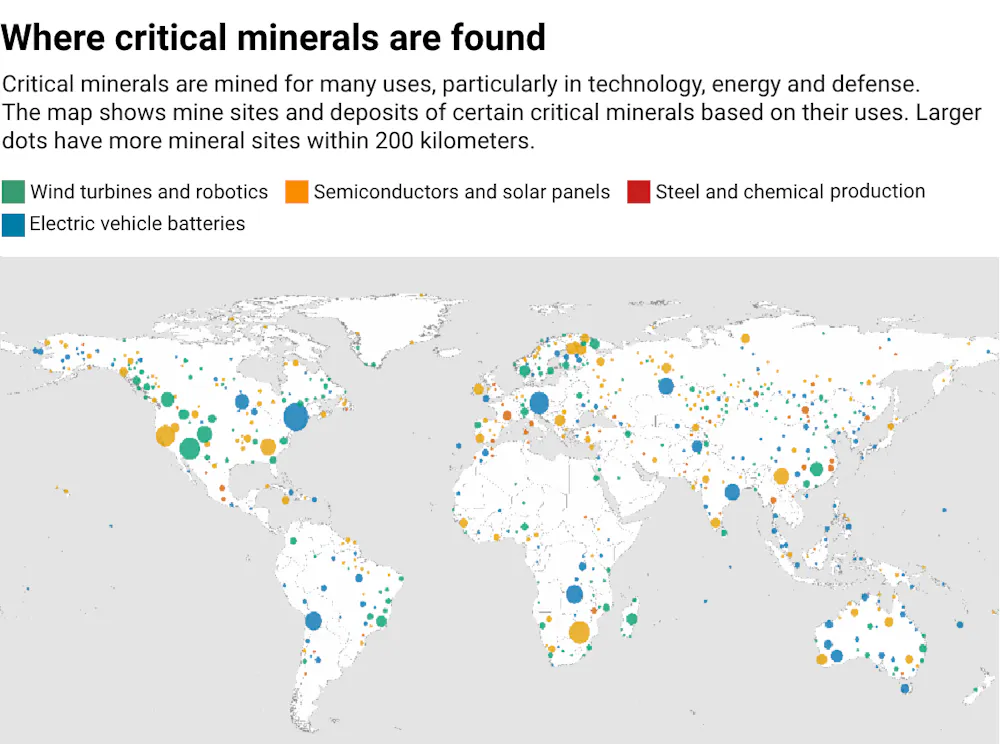
The race to mine critical minerals for AI and clean energy is creating ‘sacrifice zones’ that harm water and health of world’s poor
There is a troubling contradiction at the heart of the global transition to a cleaner, greener, tech-driven future: Modern technologies – everything from AI to wind turbines, as well as cellphones, electric vehicles and defense systems – depend on critical minerals. But many of the communities where those minerals are mined end up with polluted water and poorer health because of the mining.
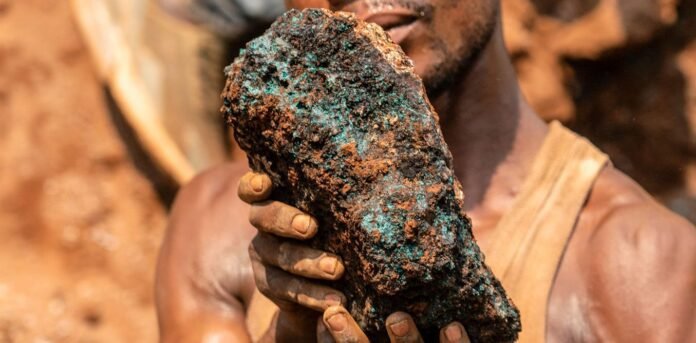
Lithium powers batteries. Cobalt stabilizes them. Copper carries electricity. Rare earth elements make wind turbines and digital devices efficient and durable. Each of these are essential to the technologies of the fourth industrial revolution, but they are also toxic and require enormous amounts of water to extract.
As researchers at the United Nations University Institute for Water, Environment and Health, we have been studying the impacts of critical mineral mining on communities around the world. Our new report shows why mining will end up worsening the lives of some of the world’s poorest people if critical mineral supply chains are not monitored and regulated.
One of us is from the Middle East, a region still suffering from the long-term consequences of supplying the fuel consumed for the remarkable economic developments of the 20th century. And one of us comes from Africa, the continent that is now serving as a major supplier of the critical minerals that fuel technological advancements in the 21st century.
Based on our experiences and our research, we believe that if there aren’t major changes in how countries, corporations and communities manage critical minerals, humanity risks reproducing the injustices of the oil extraction era, this time with the technological advancements meant to address the problems fossil fuels created.
Mining contributes to growing water bankruptcy
One of the most significant impacts of critical minerals extraction is its effect on water.
In 2024 alone, global lithium production required an estimated 456 billion liters of water. That is equivalent to the annual domestic water needs of roughly 62 million people in sub‑Saharan Africa. At the same time, much of the world is facing water bankruptcy, meaning people and industries are using more fresh water than nature can replenish, leading to irrecoverable ecosystem damages.
Workers perform maintenance at pools where evaporation concentrates lithium-rich brine in Chile’s Atacama Desert in 2023. To extract lithium, mines pump water from beneath the salt flats.AP Photo/Rodrigo Abd
In arid regions such as Chile’s Salar de Atacama, mining activities account for up to 65% of total regional water use, competing with agriculture and ecosystems. Groundwater levels have dropped, salt lagoons have shrunk, and freshwater aquifers are increasingly at risk of being depleted and contaminated.
Water pollution compounds problems like this. Mining generates large quantities of toxic waste and wastewater containing heavy metals, acids and radioactive residues.
In some parts of the world, rivers near cobalt and copper mines have become so acidic that communities can no longer drink water from them. Fish stocks have collapsed, and farmlands have been poisoned. Water insecurity is no longer a side effect of mining; it is a systemic cost.
Health crises hidden in supply chains
Communities living near these extraction sites report people suffering from skin diseases, gastrointestinal illnesses, reproductive health problems and chronic health conditions associated with long‑term exposure to heavy metals in polluted water and soil.
Studies document high rates of miscarriages, congenital malformations and infant mortality among populations exposed to environments contaminated with cobalt and other metals. Maternity wards in southern Democratic Republic of the Congo that are close to mining operations report significantly more birth defects than those farther away.
In communities near mining operations, residents talk about how women and girls living near cobalt and copper mining sites have been experiencing gynecological health problems, including infections, menstrual irregularities, miscarriages and infertility. These risks are linked to prolonged contact with contaminated water, compounded by limited access to sanitation and healthcare.
These health risks are heightened by weak systems for water, sanitation and healthcare. As of 2024, only about one-third of people in the Democratic Republic of the Congo had at least basic drinking water services.
Similar patterns are evident in parts of the Democratic Republic of the Congo and Zambia. In both countries, polluted rivers have contributed to declining fish stocks and livestock illnesses, harming households that are already struggling to feed themselves.
Ways to protect mining communities
Innovation and technological advances have the potential to do good. But we believe a fair and sustainable energy and digital transition requires deliberate actions to avoid creating “sacrifice zones,” places where human and ecological well-being are traded away for technological breakthroughs.
A family works at an artisanal cobalt and copper mine site in 2025 in Kolwezi, Democratic Republic of the Congo. These mines are often unregulated.Michel Lunanga/Getty Images
One option is to create stronger international governance. Moving beyond voluntary guidelines toward binding international rules, such as treaties, enforceable supply chain due-diligence laws, mandatory environmental and human rights standards for mining operations, and potentially establishing a global mineral trust that would manage critical minerals as shared planetary assets, could improve water protection, pollution control and human rights across mineral supply chains.
Companies can also invest in less water-intensive mining technologies. Countries can tighten their wastewater controls and expand independent environmental monitoring and reporting.
Copper-mining companies create huge tailings ponds, like this one in Chile in 2019, to store toxic byproducts of mining. Hundreds of these waste ponds exist across the country and carry the risk of leaking acidic water and heavy metals such as arsenic, copper and mercury into groundwater.Martin Bernetti/AFP via Getty Images
Governance arrangements that give local and Indigenous communities a stronger voice, a fair share in the benefits and genuine co-governance of resources could further rebalance who has power and who bears risk.
On the consumption side, extending product lifespans, expanding recycling and encouraging less reliance on newly mined minerals would ease pressure on water‑stressed regions.
For the people who use these technologies, the social and environmental costs embedded in critical minerals supply chains are often out of sight and out of mind. Making these impacts visible can enable consumers to make informed choices and engage in greater scrutiny of corporate practices.
Critical minerals are essential to advancing sustainability. But if cleaner technologies are built in ways that result in polluted rivers, sick children and dispossessed communities, the transition will fall short of its promise.
Electrical current might be the key to a better cup of coffee
University of Oregon chemist Christopher Hendon loves his coffee—so much so that studying all the factors that go into creating the perfect cuppa constitutes a significant area of research for him. His latest project: discovering a novel means of measuring the flavor profile of coffee simply by sending an electrical current through a sample beverage. The results appear in a new paper published in the journal Nature Communications.
We’ve been following Hendon’s work for several years now. For instance, in 2020, Hendon’s lab helped devise a mathematical model for brewing the perfect cup of espresso, over and over, while minimizing waste. The flavors in espresso derive from roughly 2,000 different compounds that are extracted from the coffee grounds during brewing. So it can be challenging for baristas to reproduce the same perfect cup over and over again.
That’s why Hendon and his colleagues built their model for a more easily measurable property known as the extraction yield (EY): the fraction of coffee that dissolves into the final beverage. That, in turn, depends on controlling water flow and pressure as the liquid percolates through the coffee grounds. The model is based on how lithium ions propagate through a battery’s electrodes, similar to how caffeine molecules dissolve from coffee grounds.
Three years later, Hendon’s team turned their attention to studying why the microscopic clumps form in the first place, particularly at very fine grind levels. The culprit is static electricity arising from the fracturing and friction between the beans during grinding. Hendon thought reducing that static would be a good way to eliminate those clumps. The technical term is triboelectricity, which arises from the accumulation of opposite electric charges on the surfaces of two different materials due to contact with each other.
A similar charge build-up also occurs during volcanic eruptions. So Hendon collaborated with volcanologists Josef Dufek and Joshua Méndez Harper, who were regulars at the same local coffee house and had noted striking similarities between the science of coffee and plumes of volcanic ash, magma, and water.
Their experiments confirmed that adding a single squirt of water to coffee beans before grinding can significantly reduce the static electric charge on the resulting grounds. This, in turn, reduces clumping during brewing, yielding less waste and the strong, consistent flow needed to produce a tasty cup of espresso. Good baristas already employ the water trick; it’s known as the Ross droplet technique. But this was the first time scientists had rigorously tested that well-known hack and measured the actual charge on different types of coffee.
New use for a common tool
There are existing methods for collecting information on coffee’s chemical composition, most notably liquid or gas chromatography combined with mass spectrometry. But these kinds of analyses are expensive and time-consuming, and predictive results are limited. There are also electrochemical techniques for measuring the concentration of caffeine and other molecules, but these have not taken into account coffee strength—a property determined by all the variables that go into preparing a cup of coffee, such as coffee and water masses, grind settings, water temperature and pressure, roast color, and so forth. That’s the information likely to be most helpful to baristas.
The coffee industry typically uses a method for measuring the refractive index of coffee—i.e., how light bends as it travels through the liquid—to determine strength, but it doesn’t capture the contribution of roast color to the overall flavor profile. So for this latest study, Hendon decided to focus on roast color and beverage strength, the two variables most likely to affect the sensory profile of the final cuppa.
His solution turned out to be quite simple. Hendon repurposed an electrochemical tool called a potentiostat, typically used to test battery and fuel cell performance. Hendon used the tool to measure how electricity interacted with the liquid. He found that this provided a better measurement of the flavor profile. He even tested it on four different samples of coffee beans and successfully identified the distinctive signature of a batch that had failed the roaster’s quality-control process.
Granted, one’s taste in coffee is fairly subjective, so Hendon’s goal was not to achieve a “perfect” cup but to give baristas a simple tool to consistently reproduce flavor profiles more tailored to a given customer’s taste. “It’s an objective way to make a statement about what people like in a cup of coffee,” said Hendon. “The reason you have an enjoyable cup of coffee is almost certainly that you have selected a coffee of a particular roast color and extracted it to a desired strength. Until now, we haven’t been able to separate those variables. Now we can diagnose what gives rise to that delicious cup.”
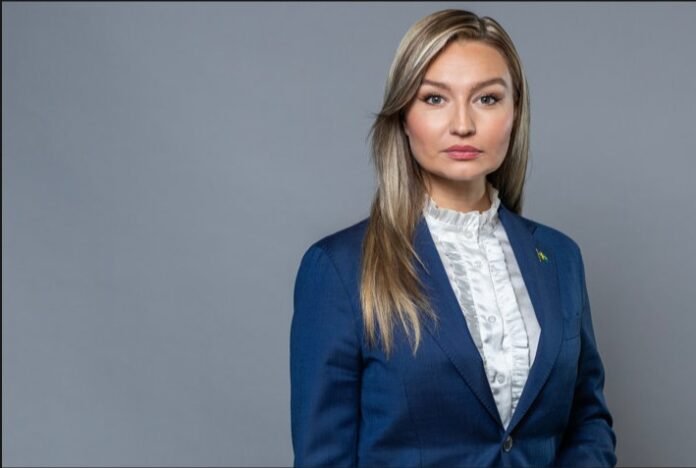
Sweden is issuing an early warning of a potential shortage of jet fuel stemming from the war in the Middle East, Energy Minister Ebba Busch said on Tuesday.
“This is based on the Energy Agency’s assessment,” Busch told a press conference. a worst case scenario face rationing of aviation fuel, but the situation going forward depends to a great degree on how the market adapts, said Energy Agency General Director Caroline Asserup.
JD Vance Assassination Fears Erupt After Attempt on Donald Trump
Washington is on edge—and the fallout is already hitting the campaign trail.
Just days after a chilling attempted attack targeting President Donald Trump and members of his administration during the White House Correspondents’ Dinner, Vice President JD Vance abruptly pulled the plug on a high-profile campus appearance, fueling fears that another strike could be looming.
The sudden cancellation blindsided supporters. Vance had been scheduled to take the stage at a Turning Point USA event at Iowa State University on April 30 alongside conservative figure Erika Kirk. But with tensions skyrocketing in Washington, organizers say plans changed fast.
Officially, the group blamed “unexpected congressional votes” for Vance’s absence. Behind the scenes, however, insiders are pointing to a much darker reality: security concerns are spiraling after the alarming weekend incident involving the president.
Attempts to reschedule the event hit a wall, with the academic calendar closing in. Organizers now say they’re eyeing a fall comeback—but by then, the political landscape could look very different.
And it’s not just Vance feeling the heat.
Kirk herself has already backed out of previous appearances after receiving what insiders described as “serious threats.” During an earlier stop at the University of Georgia, a spokesperson told the crowd she was forced to stay away due to credible dangers against her.
“It’s a terrible reflection on where things are right now,” a Turning Point representative told attendees, highlighting the growing climate of fear.
The situation only got more intense when Kirk’s own security team reportedly admitted they couldn’t guarantee her safety—especially with threats targeting her travel to and from events. For a mother of two still dealing with personal tragedy, the decision to step back wasn’t taken lightly.
Despite the chaos, Vance previously pushed forward with a solo appearance, acknowledging the tension from the stage.
“I love Erika… she got some threats,” he told the crowd, adding that there were real concerns the entire event might be canceled at the last minute.
He ultimately chose to proceed after consulting with security officials, praising the United States Secret Service while making it clear he supported Kirk’s decision to prioritize her family’s safety.
But the message is unmistakable: the stakes are rising fast.
With one attempted attack already shaking Washington, heightened security and last-minute cancellations are becoming the new normal—and insiders warn this may only be the beginning.
Strait of Malacca could be next Hormuz-like flashpoint
While recent global attention has focused on the Strait of Hormuz, which Iran has effectively held closed since late February in a move that has disrupted world energy supplies, a quieter but also important development has been taking shape in south-east Asia.
On April 14, the US and Indonesia announced a “major defense cooperation partnership”, strengthening their military ties. According to reports, the US is also seeking to gain wider access to Indonesian airspace. Several media outlets say Indonesia’s president, Prabowo Subianto, has approved the proposal.
These developments matter because Indonesia’s vast archipelago sits astride some of the most critical sea routes in the world. These include the Strait of Malacca, an important chokepoint for global shipping and trade. The region surrounding Malacca has seen growing military attention from outside powers in recent years.
Both the US and China have been steadily expanding their military presence around the strait and its approaches. The US has largely done so through base access and naval deployments, and China through its port network and naval buildup.
The Andaman and Nicobar Islands, located near the strait’s western approaches, also provide India with a strategic presence in the region.
South-east Asia is becoming more explicitly tied into great-power competition, with the new US-Indonesia defense partnership adding the latest layer. Should this competition intensify – whether through a crisis in Taiwan, a spillover from Hormuz or a shift in alliances – the Strait of Malacca would be at the center of it.
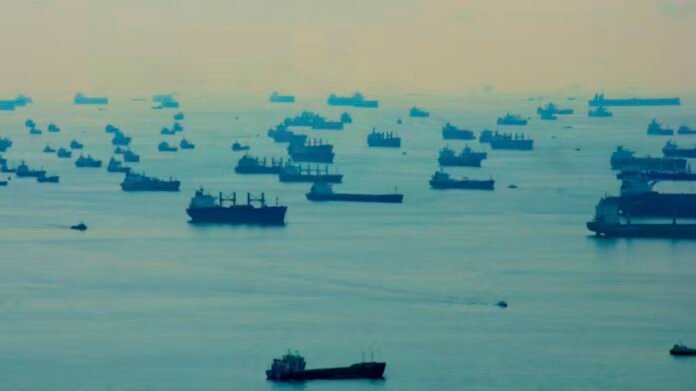
The Strait is the shortest sea route connecting the Indian Ocean to the South China Sea and Pacific Ocean, making it the default corridor for trade between East Asia and the West. It stretches roughly 900 kilometers from the Malay Peninsula to the Indonesian island of Sumatra. At its narrowest point, the Phillips Channel near Singapore, it is barely 2.8 kilometers wide.
Almost 24% of global seaborne trade by volume flows through the strait. It carries 45% of the world’s seaborne oil, over 25% of all cars traded internationally and 23% of dry bulk cargo including key agricultural commodities like grains and soybeans.
A large portion of European imports of electronics, consumer products like footwear and toys, machinery and industrial goods pass through the strait in sea containers as well.
The strait is also home to some of the world’s most critical port infrastructure. Singapore, located at the strait’s southern entrance, is the second-busiest container port and the busiest container transshipment hub on the planet.
The most commonly cited detours around the Strait of Malacca, the Sunda and Lombok Straits, both lie within Indonesian territory and neither is a straightforward substitute.
Rerouting through either adds roughly 1,000 to 1,500 nautical miles to the journey – three to five extra days at sea – along with higher fuel costs and the loss of Singapore’s refueling infrastructure.
Beyond Indonesia, the Torres Strait near Papua New Guinea is too shallow for large commercial vessels with a draft of over 12 meters. Ships avoiding all these routes would face a detour around the entire Australian continent, adding another 10 to 15 days of transit time. These geographical features are the reason why the Strait of Malacca is so difficult to bypass.
China understands the risk of relying on Malacca perhaps better than anyone. In 2003, the then-president of China, Hu Jintao, coined the phrase “Malacca dilemma” to describe a strategic exposure that has continued since. Between 75% and 80% of China’s imported oil still passes through the strait.
Beijing has invested heavily in alternatives, but none come close to matching the scale of what transits Malacca. Pipelines running from Kyaukpyu on the Bay of Bengal in Myanmar into Yunnan province in China bypass Malacca entirely.
The China-Pakistan Economic Corridor plans to link Gwadar Port on the Arabian Sea to Xinjiang in north-west China through road, rail and energy infrastructure.
But it remains only partially developed, with its completion affected by difficult terrain and security challenges in parts of Pakistan. China has also diversified through Central Asian oil and gas pipelines, which provide about 10% of its total imported oil.
There are rail freight corridors connecting China to Europe, which avoid maritime chokepoints entirely and are faster than shipping. However, they are far more expensive and very limited in capacity.
Arctic shipping routes along Russia’s northern coast offer a longer-term hedge, cutting the distance between Asia and Europe, but remain seasonal and marginal in global trade terms.
For now, there is no clear indication that the growing military presence around the Strait of Malacca will have any impact on commercial shipping. But if a conflict does arise in the future, it will be trade-dependent economies like China that will suffer.
The IDF Destroys Largest Network of Hezbollah Tunnels Built With ‘Direct Guidance’ From Iran
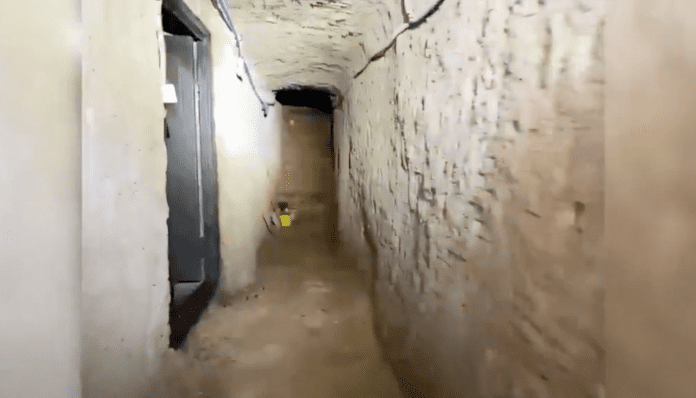
The Israel Defense Forces (IDF) said it destroyed two Hezbollah tunnels in the southern Lebanon town of Qanater on Tuesday, targeting what it described as a significant underground network used to support attacks against Israel.
Troops from the 36th Division carried out the operation, located and entered the tunnel system based on what the military described as “precise intelligence.” The tunnels were positioned about 10 kilometers from Israel’s northern communities and extended a combined length of roughly 2 kilometers.
❗️ EXPOSED: Underground tunnel network built by Hezbollah in the Qantara area of southern Lebanon.
IDF troops located 2 underground Hezbollah tunnels, with a total length of ~2 kilometers, situated ~10 kilometers from Israel’s northern communities.
Underground infrastructure had been built over the course of about a decade, reaching depths of approximately 25 meters. According to the military, the project was constructed with “direct guidance” from Iran and was “funded by the Iranian terror regime and as part of Hezbollah’s plan to conquer the Galilee.”
Inside the tunnels, soldiers found weapons stockpiles, living quarters, water tanks and equipment designed to support prolonged underground activity. The military said the network was intended, among other purposes, to facilitate the movement of operatives into Israeli towns in the north.
One of the tunnels had recently been used by members of Hezbollah’s Radwan Force “to advance terror attacks against the State of Israel and its citizens, thereby posing a direct threat to Israeli civilians and IDF troops,” the military said.
Demolition of the tunnels involved large, controlled explosions. The Geological Survey of Israel said the blasts were detected by its seismic monitoring system due to their intensity, though no earthquake sirens were activated.
The military described the tunnels as the longest it has uncovered in Lebanon during the current conflict and said the operation was aimed at removing infrastructure it considers an immediate threat to Israeli civilians and forces.
Drone pilot makes US rescind no-fly zones around unmarked, moving ICE vehicles
In January 2026, during the height of protests against immigration raids in Minneapolis, federal agents shot and killed 37-year-old Renee Good. Before even gathering all the facts, the Department of Homeland Security labeled the mother of three an “anti-ICE rioter” who “weaponized her vehicle against law enforcement” in an “act of domestic terrorism.”
Days later, the feds announced a major expansion of “no-fly zones” in the name of national security. While such no-fly zones used to be about controlling aircraft, they now often focus on small drones. The expanded no-fly zones announced on January 16 prohibited such drones from flying within 3,000 lateral feet and 1,000 vertical feet of federal facilities.
But for the first time, the order extended no-fly zones to ground vehicles belonging to the Department of Homeland Security. Even while the vehicles were in motion. Even if they were unmarked. And even if their routes had not been announced.
This exceptionally ambiguous policy posed real danger to people like Rob Levine, a freelance photojournalist and commercial photographer in Minneapolis for nearly four decades. Since Levine got his remote-pilot certification and bought his first drone in 2016, he has flown a small fleet of DJI quadcopter drones to take aerial photographs and videos of Minnesota’s rivers, bridges, and cities, along with crowds gathered for outdoor concerts and parades. More recently, he has documented Twin City residents protesting the increased presence of federal agents in their community.
Levine immediately stopped flying when he saw the no-fly notice. The notice said government agencies could shoot down or seize drones “deemed to pose a credible safety or security threat,” and it warned of civil and even criminal penalties for drone operators.
“I saw what these federal agents were willing to do, the violence they were willing to visit upon even constitutional observers here in the Twin Cities who were just photographing what they were doing,” Levine told Ars.
Good’s killing had occurred just six blocks from his home. “It didn’t take much imagination to think what they would do to somebody with a drone, and so for weeks I didn’t go fly,” he said.
A week after the no-fly zone warning, the situation in Minneapolis escalated further when Customs and Border Protection officers killed Alex Pretti, a 37-year-old intensive care nurse, after wrestling him to the ground and shooting him multiple times.
Levine wanted his drones back in the air. But when he sought guidance from the Federal Aviation Administration, the agency candidly acknowledged that the no-fly zone warning was “ambiguous” and “therefore, any flight carries the risk of inadvertent violation.”
Could such a policy possibly be legal?
Hidden no-fly zones
The FAA had previously only advised that drone pilots avoid flying near “mobile assets” operated by the Department of Defense and Department of Energy, such as naval warships and truck convoys transporting nuclear materials between US national labs. But the “notice to airmen” alert in January—NOTAM FDC 6/4375—had created the equivalent of roving, 3,000-foot no-fly zones around federal agents’ cars and other vehicles operating in cities and towns across the country. And it didn’t just affect those trying to film federal agents. Because it was practically impossible to ensure compliance with the new flight restrictions, any drone pilot could be at risk during any flight.
“It created a whole lot of fear in the community,” said Vic Moss, CEO and cofounder of the Drone Service Providers Alliance, a drone industry trade association based in Lakewood, Colorado. In a post on March 11, Moss described the FAA flight restriction as posing an “impossible compliance problem” for drone operators, who could end up “ensnared inside a restricted zone with no way of knowing it.”
Drone pilots in the United States must use apps such as Air Control to seek official permission to fly in controlled airspaces. Any drones larger than 0.55 pounds must be registered with the FAA and have a Remote ID module that can “squawk” the drone’s identification and location at all times. That makes it easy for federal agents or authorities to see where drone operations are taking place. But the system provided no way for drone operators to avoid unmarked government vehicles in motion.
The no-fly zone restrictions were also exceptional in their length and scope. The FAA regularly issues temporary flight restrictions during natural disasters or to protect the airspace around government officials and sporting events such as professional baseball or football games. Most restrictions last just hours or days and cover specific geographic locations, according to the Electronic Frontier Foundation.
But the restrictions issued on January 16, 2026, would last until October 29, 2027—21 months—while covering many federal facilities and vehicles across the entire United States.
Pushing back
Given these unprecedented restrictions, the Electronic Frontier Foundation joined other members of the News Media Coalition—an international organization that includes more than 50 news organizations—in sending a letter to the FAA’s Office of the Chief Counsel.
The letter detailed “significant concerns regarding the FAA’s January 16, 2026 sweeping and unprecedented Temporary Flight Restriction.” It described the flight restrictions as violating the First Amendment by making it more difficult to record law enforcement officers. The letter also argued that the policy’s ambiguity violated the Fifth Amendment to the US Constitution, which guarantees the right to due process before being deprived of liberty or property by the government.
Back in Minnesota, Levine spent weeks looking for lawyers who could help him challenge the FAA flight restriction as a freelance photojournalist—but he was racing against a deadline. One law firm alerted him that he had only 60 days to file a petition regarding the FAA decision. But he couldn’t find a law firm willing to back him.
“To me, this was an obviously unconstitutional rule by the FAA,” Levine told Ars Technica. “Even when I was looking for a lawyer, I had a lot of sympathetic ears, but nobody offered to take the case or to even help me with it.”
Levine eventually called a hotline for the Reporters Committee for Freedom of the Press, a nonprofit in Washington, DC, that offers free legal services. The organization took the case and filed a lawsuit, designated Levine v. FAA (26-1054), with the Court of Appeals for the DC Circuit on March 16.
They had barely beaten the petition deadline.
Partial relief
By March 16, it was common knowledge in the aviation industry that the FAA was aware of the issues and had prepared a revised version of its flight restriction notice, Moss said. But another federal agency was apparently holding up the revision. Many suspected that the agency responsible for the delay was the Department of Homeland Security (DHS).
“I think anybody with more than four synapses firing at the same time can realize that this was a DHS issue,” Moss said.
A Department of Homeland Security spokesperson told Ars only that “DHS routinely coordinates with the FAA on airspace restrictions to support operational security and safety of the Department.”
On April 10, Levine and his lawyers pressed ahead by filing an emergency motion seeking to temporarily suspend the FAA flight restriction until the court had a chance to review the case.
That may have expedited the government’s next move. On April 15, the FAA removed the no-fly zones by replacing the sweeping flight restrictions with a “national security advisory” titled NOTAM FDC 6/2824. The revised notice dropped all mentions of flight restrictions and criminal charges. It instead “advised” drone pilots to avoid flying near “covered mobile assets” belonging to the Department of Homeland Security and several other federal agencies.
The revised notice was intended to “clarify drone operations based on user feedback,” according to an FAA statement shared with Ars. An FAA spokesperson confirmed that “the revised NOTAM removes the flight prohibition and instead advises pilots to use caution near protected operations while enabling federal security partners to assess and respond to potential threats.”
Levine and his lawyers were pleased. “First and foremost, our goal was to get the restriction thrown out so that Rob [Levine] and other journalists could be up in the air again,” said Grayson Clary, a staff attorney at the Reporters Committee for Freedom of the Press. “So on that front, we think this is already a victory.”
But Clary still plans to press ahead with the lawsuit.
“We’re cognizant that the FAA is doing this because they don’t want to have to defend what they did here on the merits in front of the DC Circuit, and we are going to fight back on that tactical gamesmanship,” Clary said. “We do plan to make clear to the DC Circuit that this shouldn’t have happened in the first place.”
The lingering chill
The new FAA advisory wording is “a lot better than it was,” but it still comes off as “too ambiguous,” according to Moss at the Drone Service Providers Alliance. He suggested that the Department of Homeland Security could handle any potential drone concerns rather than making it an FAA issue.
“If there’s somebody harassing them with a drone, then I think there’s other ways that can be dealt with,” he said.
The FAA advisory is also potentially problematic because it still creates a “chilling effect to dissuade people from taking photos and videos, particularly of immigration enforcement agents, from the air,” said Sophia Cope, a senior staff attorney at the Electronic Frontier Foundation.
Like the earlier notice, the new advisory warns that federal agents can seize, damage, or destroy drones “deemed to pose a credible safety or security threat to covered mobile assets.”
Kaleidoscope of Love performance art captured by Rob Levine’s drone.
“The threats that [drones] present to the national security and mission of DHS are evolving, and the approaches to securing the locations and personnel of the Department must also evolve,” the Department of Homeland Security spokesperson said. “We ask that the [drone] user community respect the security of DHS operations, personnel and facilities and refrain from operating in vicinity of known enforcement activities, and all federal facilities.”
The FAA advisory cites threeexistinglaws as giving the federal agencies authority to seize or destroy drone threats.
But those laws first require federal agencies to have performed risk-based assessments to identify specific drone threats to the covered assets. It’s unclear whether agencies have done those assessments, Cope said, and therefore, “they’re just disincentivizing people from engaging in lawful, First Amendment protected activity.”
That chilling effect was very real for Levine while the initial flight restriction was in place. Hesitation cost him the chance to take aerial photos of protestors putting up roadblocks in his neighborhood to stop federal agents’ vehicles toward the end of the US government’s Operation Metro Surge. Even when a friend asked him to help take drone videos and photos of a performance art event on February 28, he had to think hard about the risks.
As he tells it, “I eventually just screwed up my courage, as little as I have, and said ‘OK, I’m gonna do it.’”
Inmates Have Died in the Care of Armor Health Companies. Jails Keep Contracting With Them Anyway.
Reporting Highlights
Struggling to Breathe: Before he died in the medical ward of a jail, Brian Tracey had spent nine days struggling to get enough oxygen and passing out.
Long History of Complaints: Armor Correctional Health Services had been sued for subpar care and had been convicted of felony abuse over the death of an inmate.
State Inaction: A Florida law says companies convicted of a felony should be barred from holding public contracts, but the state has not acted to bar Armor companies and won’t say why.
These highlights were written by the reporters and editors who worked on this story.
For 30 minutes, Brian Tracey lay naked and unable to breathe on the floor of the medical ward at the St. Johns County Detention Center, a low-roofed building south of Jacksonville, Florida. It was Dec. 15, 2023, the day Tracey was supposed to be released from jail.
By the time deputies noticed him, it was too late. His girlfriend, who’d posted bond for Tracey after nine days, waited outside for him but was instead greeted by a deputy and chaplain, who told her Tracey was dead.
Medical staff working for the jail’s health provider, Armor Health of St. Johns County LLC, an affiliate of Miami-based Armor Health, said Tracey, 62, was showing flu-like symptoms and suffered from chronic obstructive pulmonary disease, a lung condition that makes it difficult to breathe. In the days and hours before his death, Tracey had passed out and appeared confused, according to a police report from the county sheriff’s office, which investigated the death. Much of what is known about how he died comes from this report, which includes Tracey’s autopsy, interviews with deputies and medical staff, and a description of a video of Tracey in the medical ward.
Four experts reviewed available detention and autopsy records for The Florida Trib and ProPublica. All four — two retired jail commanders and two medical doctors with extensive knowledge of jail treatment — determined that Tracey should have been hospitalized based on the symptoms he showed at the jail, which were later determined by an autopsy to be caused by pneumonia with COVID-19.
He never was.
For people like Tracey, who arrive in poor health, jails can be particularly dangerous, according to a growing body of medical research. Jailhouse deaths have been rising in the United States for the past decade, with about half due to illness, according to the Bureau of Justice Statistics.
Yet even as the death rate climbs, improving healthcare in jails has proven difficult. Many jails have turned to private contractors to care for inmates. But when those contractors perform poorly, there’s little pressure on the sheriffs or local governments to make a change. That’s even more true in Florida, where the vast majority of jails are run by elected sheriffs with little oversight from local and state officials.
“Healthcare overall in Florida prisons and jails is a difficult and frankly ignored issue that’s put on the back burner,” said former Republican state Sen. Jeff Brandes, who was vice chair of the state’s Criminal Justice Committee. “And it’s one that has no independent accountability or oversight. It’s kind of a black box that operates in the state.”
Contracts Despite a Conviction
In the decade leading up to Tracey’s death, Armor Health Management LLC, known as Armor Health, and its predecessor, Armor Correctional Health Services Inc., faced allegations that they failed to hospitalize patients who needed more intensive care, according to court records obtained by The Florida Trib and ProPublica. (Armor Health had previously been operating as Armor Correctional Health Services Inc. until legally converting to an LLC in 2021.)
From 2014 to early 2021, Armor Correctional Health Services was sued over 450 times, the company reported in documents submitted to St. Johns County as part of a contract-bidding process in 2021. Lawsuits over subpar jailhouse healthcare are frequently filed and often dismissed, as was the case in two-thirds of the suits filed against Armor. The bid documents show the company has settled at least 56 suits that alleged medical negligence or inappropriate medical care. Court records show that at least 13 of those cases alleged a delay in hospital care. More than 100 cases are still pending, according to the documents. In a 2020 wrongful death suit against Armor Correctional Health Services, lawyers hired a medical expert to review internal company reports of inmate deaths at Armor facilities obtained through discovery. The expert claimed the company failed to hospitalize patients in more than 70 instances, according to court documents.
Armor denied claims that it has provided poor care or that its staff failed to hospitalize people, saying of the expert review that “each case involves unique medical circumstances, and deaths referenced were related to drug overdoses, natural causes, or other clinical conditions that were not associated with decisions regarding hospital transfer.”
Other states have taken action against Armor. After 14 inmates died at two county jails in New York where Armor Correctional Health Services of New York Inc. provided healthcare, the state sued the company in 2016 for breach of contract and fraud. The New York State Commission of Correction’s Medical Review Board found what it called “egregious lapses in medical care” in seven of the deaths, and a separate investigation by the state attorney general found that the company failed to keep accurate records. Armor settled the suit and denied responsibility, but the agreement barred the company from doing business in New York for three years. Armor is now allowed to operate in the state.
In Wisconsin, prosecutors said Armor Correctional Health Services failed one jail inmate to such a degree that they charged it with a felony. In December 2018, Milwaukee prosecutors levied eight criminal counts against the company for its role in the death of a Wisconsin inmate who died from dehydration while under its care. The charges included seven counts of falsifying a record and one felony count of abuse of a resident of a penal facility. A jury in 2022 found the company guilty of all charges.
Prosecutors had hoped the conviction would push jails to cancel contracts with Armor, they said in an interview. And at least in Florida, they had reason to believe that might happen. Under Florida law, companies convicted of crimes directly related to transactions with government agencies must report the conviction to the state within 30 days and are barred from working with Florida public entities. Barred companies are also placed on a public list of convicted vendors. But the Florida Department of Management Services told reporters in 2023 that the company did not report its conviction to the state — a claim the company rejects. The company also continued to do work in Florida under a range of names linked to entities that had similar leadership and structure.
After it was charged but prior to itsconviction, the company filed paperwork with Florida converting itself to a new corporation under the name Armor Health Management LLC, according to corporate records. When the verdict came down in December 2022, it was against the defunct company. A series of new LLCs, which were formed under the holding company Armor Health and have Armor Health in their names, then signed new contracts with seven Florida jails. Florida business records show those limited liability companies have the same chief executive officer and street address in Miami as Armor Health. Manuel Fernandez, chief operating officer of Armor Health, also testified in court that the new entities assumed the liabilities of Armor Correctional Health Services Inc. after that company dissolved. Fernandez said the LLCs were created for tax purposes.
In at least one document, the company seemed to acknowledge a connection between the defunct company and one of its newly formed companies. When Armor Health of St. Johns County LLC was asked in bid documents to provide a list of all litigation for the past seven years, the company listed hundreds of suits filed against the defunct Armor Correctional Health Services.
Within three years of the company’s conviction, six of the seven Florida jails using an Armor entity stopped contracting with those companies, with at least two ending their contracts early: one citing poor performance and contract violations, and the other saying the termination was in the county’s best interest.
St. Johns County, where Tracey died, holds the only known remaining contract with an Armor entity in Florida. Sheriff Robert A. Hardwick, who is responsible for signing contracts with vendors, declined to comment.
An attorney for Armor defended the ongoing contract, telling the news organizations last month that it disclosed the conviction to the state and that the convicted company no longer exists. “Each Armor entity is in full compliance with all applicable State of Florida requirements and each remains eligible to operate in the state,” J. Alfredo Armas, the attorney for Armor Health of St. Johns County LLC, wrote in an email to The Florida Trib.
The state of Florida does have safeguards to ensure its contractors are providing good services. However, in multiple ways, the state did not employ those tools when it came to Armor. In 2023, the state’s Department of Management Services, which is responsible for maintaining the list of convicted state vendors, said that it was investigating the company after a man died in the Duval County jail under Armor’s care. The inmate’s family alleged in a lawsuit filed in 2024 against the sheriff that the man was denied life-sustaining medication for a heart transplant. Armor said at the time that it had located and ordered the medication, but it arrived after the man had been released. That suit was later settled. The Department of Management Services has declined repeated inquiries over two years to say whether it has investigated Armor Correctional Health Services or Armor Health Management, or if it ever took action against any of the company’s entities. Armor does not appear on a public list of banned companies on the department’s webpage.
The fact that there is a known vendor that has basically allowed people to die while under their care and they can continue to work in our prisons and jails is something that I have a problem with.
Angie Nixon, former state representative for Jacksonville, Florida
The state has also failed to reply to public records requests that might shed light on how it handled its investigation, if one was conducted. When a reporter went to the Department of Management Services headquarters in Tallahassee in February, the department would not make any agency representative available and told the reporter to contact the same spokesperson who has repeatedly declined to answer questions.
In addition, at the time of the transplant patient’s death, former Jacksonville state Rep. Angie Nixon and a state senator wrote to the U.S. Department of Justice and stated that Armor had failed to report its conviction and should be barred from operating in the state. They asked the DOJ to conduct an investigation into “potential violations of federal law” by Armor. The DOJ acknowledged receipt of the letter to Nixon, but she said they never heard from the department again. The DOJ did not respond to a request for comment.
The office of Gov. Ron DeSantis, who appointed the interim Department of Management Services secretary, Tom Berger, declined through a spokesperson to comment about the agency’s investigation, or to say if the governor has a stance on convicted companies working in Florida. The Florida attorney general, who represents state agencies and issues formal legal opinions, also declined to comment.
Nixon, who is now running for a seat in the U.S. Senate, said she would be raising the issue of Armor again with the DOJ, the Department of Management Services and the governor’s office.
“The fact that there is a known vendor that has basically allowed people to die while under their care and they can continue to work in our prisons and jails is something that I have a problem with,” said Nixon.
“Repetitive Conduct of Delaying”
When Jose “Pepe” Armas, a Miami physician and business owner, started Armor Correctional Health Services in 2004, he had very different ambitions. He had learned about jail deaths and substandard care that plagued the Broward County jail in South Florida for decades. So he consulted with other physicians and told a medical professor whom he attempted to recruit that he wanted to raise the standard of correctional care across the country.
Armor’s first contract was a $127 million deal in Broward County to handle medical care for all of its roughly 5,000 inmates. The company grew rapidly, winning additional contracts in Brevard, Hillsborough, Martin, Palm Beach and Sarasota counties and, in 2007, St. Johns County. By 2011, Armor had also signed contracts in at least 12 other states.
In a 2021 wrongful death lawsuit, Pensacola attorney Joe Zarzaur argued that those contracts incentivize Armor entities to keep sick inmates in the jails because Armor is paid a flat fee to provide healthcare; that means, he argued, there’s no billable benefit for adding additional services, such as hospitalization.
“This is why Armor’s contractual partners, inmates, and families see this repetitive conduct of delaying or outright denying inmates medical care, which leads to their deaths,” Zarzaur argued in court filings. In that case, 44-year-old Misty Williamson died of pneumonia with sepsis after she was sick for five days at the Santa Rosa County jail.
Armor said no Armor entity assumes financial responsibility for offsite medical costs, therefore there is no financial incentive to delay or avoid sending a patient to the hospital, adding that delaying hospital care is counterproductive.
“Allowing a serious condition to deteriorate only increases the likelihood that the patient will ultimately require more intensive, expensive and specialized treatment,” Armor’s attorney, J. Alfredo Armas, said. The suit alleged in court records that since 2011, at least 72 people died under the care of Armor Correctional Health Services after they were not hospitalized or their hospitalization was delayed, including 11 other people who died from pneumonia or sepsis. The analysis was conducted by an expert in jailhouse medical care who reviewed hundreds of pages of Armor’s internal death reports gained through discovery. Armor attempted to block the analysis from being used in the trial by arguing the allegations had no bearing on whether the medical treatment its employees provided to Williamson met its standard of care. A judge allowed the death reports and a written affidavit by the expert to be entered as exhibits in the trial.
A jury sided with the family of Williamson, whose estate was awarded $6 million in compensatory damages. Jurors found both Armor and its employees were negligent in delaying her transfer to a hospital and awarded her family an additional $10 million in punitive damages.
But there was a larger issue at play: Was it individual employees or a larger company policy that was at fault? During the Williamson trial, Amy Dixon, a former Santa Rosa County jail nurse, testified that Armor had an ambiguous standard for sending patients to the hospital without preapproval, and that she could transfer someone if they were having a heart attack, but that something like a seizure should wait. Jurors ruled against Armor, saying the company’s policies and its employees were at fault for Williamson’s death. But the judge overruled that, striking down the $10 million award and finding that attorneys did not prove Armor’s policies led to Williamson’s death. Armor said the deaths in the analysis involved unique medical conditions and were related to drug overdoses, natural causes or other clinical conditions that were not associated with decisions regarding hospital transfer.
Despite that outcome, in other cases nurses have similarly testified that Armor delayed transfers to hospitals. Carolyn Rubin testified in a Sarasota case that “there was a strong corporate push for the doctor not to send patients out.” She added, “It was our duty to keep them there as long as possible, to prevent costs of the hospital.” Armor denied the allegations that it failed to hospitalize a detainee who died of a brain hemorrhage after she complained for days about health problems including trouble walking. The lawsuit was later settled and Armor made no admission of wrongdoing.
In 2018, Katherine McCormack Grange, an Armor nurse working at a New York jail where an inmate died of a heart attack, testified in a civil trial that she was personally told by an Armor manager that the company did not want patients to be sent to the hospital because of the expense. The lawsuit accused Armor Correctional Health Services of a “long and pervasive history of deficient health and medical care” at the Nassau County jail, which the company denied. The case was eventually settled and Armor made no admission of wrongdoing. The New York State Commission of Correction later determined the man’s death may have been prevented if he received proper care, according to the commission’s report, and that Armor Correctional Health Services staff did not properly fill out documentation after his collapse, which the company also denied.
Sheriffs Canceled Contracts
In the years leading up to Tracey’s death but before the conviction in Milwaukee, a handful of Florida sheriffs dumped Armor, blaming the company for inmate deaths and failed accreditations, and claiming it provided lax medical care.
Flagler County Sheriff Rick Staly publicly fired Armor Correctional Health Services in 2019 after a 23-year-old was found seizing and unresponsive in his cell earlier that year; he had been complaining of a high fever. He was taken to a hospital and died there. Staly said the medical provider failed to recognize the man “was having a reaction to medicine they had prescribed to him and the seriousness of his illness.”
“In response to this tragedy, Armor has shown little interest in anything other than denying responsibility and trying to bill us for even more money,” Staly said then. The next year, an annual audit by the Florida Model Jail Standards at the Flagler County jail “found expired medications, lapses in medical care by Armor and other deficiencies in Armor’s services.”
In 2020, Sarasota County Sheriff Thomas Knight wrote in a declaration during a civil employment case that Armor filed against an employee that he fired Armor because he was “not satisfied with their performance,” including lack of proper medical staffing. Wakulla County Sheriff Jared Miller also wrote a declaration, explaining that he was “not satisfied with the service levels the WCSO had been receiving from Armor” when he ended the contract.
In response to this tragedy, Armor has shown little interest in anything other than denying responsibility and trying to bill us for even more money.
Rick Staly, Flagler County sheriff, after an inmate died
Then, in 2022, Armor Correctional Health Services was criminally convicted in Milwaukee for abuse and falsifying records after a man died of dehydration in a Wisconsin jail.
“We understood that this would likely have some broader impact if we were successful,” Milwaukee prosecutor Nicolas Heitman told The Trib, adding that the district attorney’s office wanted to make sure the company could not operate in other jails. “If you look at the history and their performance as a corporate partner with these institutions, you see they have a history of problems and an inability to reform themselves.”
One sheriff cited the conviction as a reason for ending a contract. Duval County first hired Armor in 2017, but Sheriff T.K. Waters ended a renewed contract early, saying that Armor failed to disclose its felony conviction, failed to maintain accreditation with the National Commission on Correctional Health Care, and failed to comply with Florida’s open record laws. The decision came after the heart transplant recipient died after not getting antirejection medications while in the Duval County jail. Waters did not cite the death as a reason to cancel the contract.
Mariloly Muller, a spokesperson for Armor Health, said the canceled contracts “relate to a prior leadership team and legacy operations that are not reflective of the current organization, its leadership, or its ongoing business practices.”
Piecing Together a Death
The only public record of Tracey’s nine days in jail comes from a 26-page police report from the St. Johns County sheriff’s major crimes unit, which investigates in-custody deaths.
Tracey had been taken to jail on Dec. 6, 2023, for pushing an elderly woman he had been dating. The report shows that upon his arrival, jailers placed him in the infirmary to monitor a dog bite wound that doctors at University of Florida Health Flagler Hospital had treated shortly after he was arrested.
Soon after he arrived at the infirmary, medical staff noticed Tracey was having trouble breathing and prescribed him an oxygen mask, according to the report. A nurse said that on Dec. 14, Tracey was sweaty and complained of shortness of breath. The report noted that Tracey repeatedly removed his mask, something nurses interpreted in the report as noncompliance, and reprimanded him. The nurse who treated Tracey noted that his blood oxygen level dropped to 89%. The Cleveland Clinic, an academic medical center, recommends on its website that people seek immediate medical treatment when their blood oxygen level falls below that.
The next day, a different nurse told medical staff that Tracey needed to be watched because of his “decline in health,” that his blood oxygen levels were still “very low,” and that Tracey had passed out in his cell, according to the sheriff’s incident report.
According to the report, the nurse practitioner on staff later told investigators he was never told Tracey passed out. Another staffer quoted in the report said no one had discussed whether to send Tracey to the hospital. One person told investigators that Tracey was asked if he’d want to be hospitalized, but he declined. There is no standard “refusal” form that detainees have to sign if they say no to medical care, the report noted.
About an hour after he passed out, at 7:09 p.m. on Dec. 15, Tracey’s girlfriend had paid his bond and the deputy went to his cell to give him street clothes. He was found naked and lying in his bed. Investigators noted that it took “a lot of effort” for Tracey to get dressed. At 7:56 p.m., Tracey, who was still in the cell, appeared to yell something, waved his hands and then used an inhaler and put his hand on his chest, investigators saw in the videotape.
By 8:16 p.m., Tracey had removed his pants and was visibly struggling to breathe, the report says.
However three minutes later, in the inmate log report, a separate document maintained by sheriff’s deputies who conduct routine checks of medical patients, deputies noted they checked on Tracey and he was “OK.”
Over the next 26 minutes, as Tracey lay alone in his cell, nobody came to his aid.
At 8:35, Tracey appeared to stop breathing, according to investigators who watched the surveillance video. Investigators noted two deputies went into his cell two minutes later, then left. They came and went three more times over the course of a few minutes, without giving Tracy medical care, the report says.
A report from the St. Johns County Sheriff Office’s major crimes unit describes Tracey struggling to breathe and eventually stopping altogether.Obtained by The Florida Trib and ProPublica
In the jail log, deputies wrote that they checked on all medical inmates at 8:45 — 10 minutes after investigators noted Tracey stopped breathing — and wrote that “all appears secure.”
No one gave Tracey CPR until 9 p.m., when he had already lost his pulse, according to the investigative report.
An ambulance was called, but Tracey was declared dead at the jail.
Dr. Marc Stern, a correctional healthcare expert and University of Washington Public Health professor, said based on the information known about Tracey’s symptoms from the investigative report, Tracey should have been hospitalized.
Rich Forbus, a former jail commander who currently serves as vice president at the National Commission on Correctional Health Care, reviewed the sheriff’s report at the request of The Trib and agreed with Stern. The private nonprofit company offers accreditation services to jails upon request. While some Florida county jails, such as Duval, have received accreditation from the company, St. Johns confirmed it doesn’t use the firm now, though its 2022 contract with Armor Health of St. Johns County LLC required the company to maintain accreditation with the commission.
“You know the person’s a COPD patient and you know he’s sick, I’ll be honest, I question why he didn’t go out” to a hospital, Forbus said. “If I’m the jail commander, I’m questioning why he’s not at the hospital.”
“He Just Fell Over and Died”
That’s a question that Tracey’s sister, Lillian Scharf, is also asking. About five hours after he died, at 1:30 a.m. on Dec. 16, 2023, Maryland police went to her house.
Lillian Scharf, Brian Tracey’s closest remaining relative, didn’t learn the true details of her brother’s death until this year, when The Florida Trib and ProPublica sent her the autopsy and police report, obtained through a record request. “I sat in my chair for 30 minutes and cried reading them,” she said.Greg Kahn for ProPublica
Scharf, Tracey’s closest remaining relative, said police told her to call the Florida sheriff for more information.
“They told us he died of a heart issue, that it was sudden, he just fell over and died,” her daughter, Tracey Letourneau, recalled being told.
But when Scharf asked for her brother’s full medical documents, the sheriff declined to give them because she’s not his legal next of kin. Tracey’s wife, Brenda, died a year before he did.
When asked about Tracey’s death, J. Alfredo Armas, the attorney for Armor Health of St. Johns County LLC, cautioned against drawing conclusions regarding Tracey’s death because his medical records have not been released. The company has withheld those medical records from The Florida Trib, ProPublica and Tracey’s sister, citing medical privacy laws.
Scharf also contacted a handful of attorneys in Florida and Maryland, but because the jail told her he died of a heart issue, each attorney turned her away.
Scharf didn’t learn the true details of her brother’s death until this year, when The Trib and ProPublica sent her the autopsy and police report, obtained through a record request. By then, the two-year statute of limitations to sue for a wrongful death or neglect had passed. Florida also doesn’t allow monetary lawsuits in cases where the deceased doesn’t have a spouse or children.
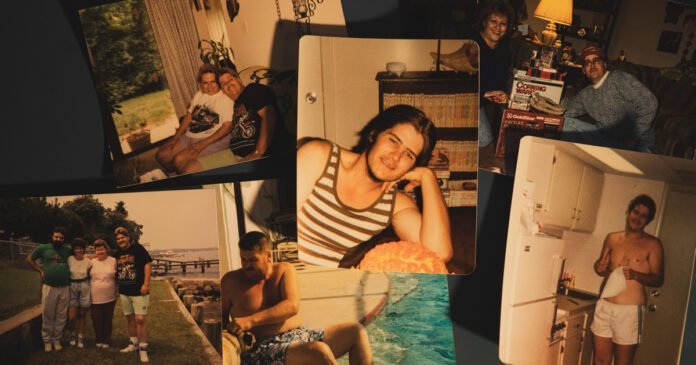
Her younger brother’s ashes are now in Glen Burnie, Maryland, in a box in Scharf’s closet. His pug, Thor, lives with Brenda’s sister.
“You know, only the Lord knows the truth as far as if he would have survived or if he would have died, but I just feel like they didn’t give him the opportunity to try to save his life,” Scharf said.
Scharf keeps her brother’s ashes in a box in her closet.Greg Kahn for ProPublica
Charles’s speech cites ‘checks and balances’ on executive power
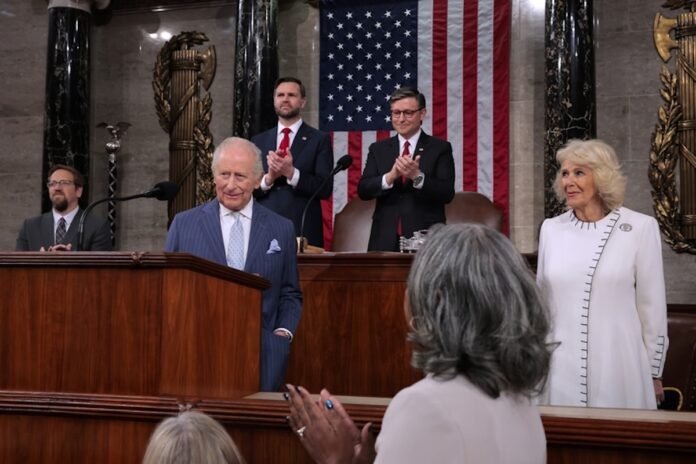
WASHINGTON — King Charles III did not name President Donald Trump Tuesday when he acknowledged before a joint session of Congress the transatlantic tension between the United States and the United Kingdom, but he stressed that “America’s words carry weight and meaning” as he reflected on decades of diplomatic ties.
The monarch of the United Kingdom of Great Britain and Northern Ireland told lawmakers that from “bitter division” 250 years ago, the two nations “forged a friendship that has grown into one of the most consequential alliances in human history.”
“I pray with all my heart that our alliance will continue to defend our shared values with our partners in Europe and the Commonwealth and across the world,” he said.
Charles is the first British king to address a joint session of Congress, and only the second British monarch to do so after his mother, Queen Elizabeth II, spoke before lawmakers in 1991.
King Charles III and U.S. House Speaker Mike Johnson, R-La., walk through the US Capitol on April 28, 2026, before Charles’ s address to Congress. (Photo: Ashley Murray / States Newsroom
Charles was received with loud unanimous applause from both sides of the aisle — a notable difference from the usual one-party enthusiasm during the president’s annual State of the Union address.
He punctuated his roughly 27-minute speech with laugh lines, including a quip that 250 years for America is “just the other day” for the British.
To whoops and cheers, Charles nodded to the “bold and imaginative rebels with a cause” who declared independence but also “carried forward” the ideals of the Magna Carta, a 13th-century document outlining the protection of rights and property from the monarch.
Both sides of the aisle stood applauding in unison as the king cited US Supreme Court cases that laid the “foundation of the principle that executive power is subject to checks and balances.”
But the king also delivered his speech against the ominous backdrop of a breakdown of American support for Ukraine and an ongoing war in Iran, initiated by the United States and Israel, that has disrupted energy supply in the United Kingdom and around the world.
These are conflicts that “pose immense challenges for the international community, and whose impact is felt in communities the length and breadth of our own country,” he said.
As the king was still speaking on Capitol Hill, the White House shared on social media a photo of Charles and Trump together under the heading “TWO KINGS” and a crown emoji.
Trump attacks on British prime minister
US-UK relations have frayed as a result of Trump’s recurrent attacks on British Prime Minister Keir Starmer’s decision not to join offensive operations targeting Iran.
Trump paused his scathing online screeds against the British government during the king’s first full day of his state visit, which included a 21-gun salute and ceremonial flyover after Charles and Queen Camilla arrived on the White House South Lawn.
Shortly before Charles addressed Congress, Trump took aim on his Truth Social platform at another European leader, German Chancellor Friedrich Merz, accusing him of thinking “it’s OK for Iran to have a Nuclear Weapon. He doesn’t know what he’s talking about!”
Just over one month into the US campaign in Iran, Trump, on Truth Social, told the UK and other allied partners to “Go get your own oil!” from the blockaded Strait of Hormuz.
“You’ll have to start learning how to fight for yourself, the USA won’t be there to help you anymore, just like you weren’t there for us,” he wrote.
Two weeks earlier, Trump attacked NATO allies, telling reporters in the Oval Office, “I’ve long said that, you know, I wonder whether or not NATO would ever be there for us. So … this was a great test, because we don’t need them, but they should have been there.”
Charles recounted in his speech to Congress how the only time the North Atlantic Treaty Organization, or NATO, invoked Article 5 was to defend the United States following the September 11, 2001 attack.
The king and Camilla are scheduled to visit the 9/11 Memorial in New York City on Wednesday.
“We stood with you then, and we stand with you now in solemn remembrance of a day that shall never be forgotten,” Charles said.
Just under 460 British troops died fighting alongside Americans in Afghanistan.
Epstein files
The king’s trip to the U.S. also comes after the high-profile release of millions of records related to the disgraced hedge fund manager and sex offender Jeffrey Epstein, who had ties to Charles’ brother, Andrew Mountbatten-Windsor.
Mountbatten-Windsor settled outside of court in 2022 with the late Epstein victim Virginia Giuffre, who accused Epstein and the former British prince of trafficking her for sex.
Mountbatten-Windsor has been stripped of his royal title of prince and is under investigation in Britain for allegedly sharing confidential government information with Epstein, which came to light in the publicly released files.
The king acknowledged victims of sexual abuse in his speech, according to a palace aide, when he remarked to lawmakers, “In both of our countries, it is the very fact of our vibrant, diverse and free societies that gives us our collective strength, including to support victims of some of the ills that, so tragically, exist in both our societies today.”
Answering questions about the king’s address, the palace aide told reporters traveling with Charles, “It was certainly in [his majesty’s] mind to acknowledge victims of abuse, so they are naturally incorporated in this line.”
Sky Roberts, Giuffre’s brother who has become an activist following his sister’s death last year, was on Capitol Hill Tuesday for a roundtable about Epstein victims ahead of Charles’s visit.
Roberts and the king did not meet.
King will visit Virginia
Charles, a vocal advocate for the environment, is also scheduled to visit Shenandoah National Park in Virginia Thursday to view America’s “extraordinary natural splendor.” The king emphasized to lawmakers the need for a collaborative effort to fight climate change.
“Even as we celebrate the beauty that surrounds us, our generation must decide how to address the collapse of critical natural systems, which threatens far more than the harmony and essential diversity of nature,” he said.
“We ignore at our peril the fact that these natural systems, in other words nature’s own economy, provide the foundation for our prosperity and our national security,” he said.
Charles also celebrated the shared financial economy between the United States and UK, highlighting $430 billion in annual trade. Just over a year ago, Trump began a new tariff regime on British goods, and imports from many other trading partners.
Review of the troops
Trump and first lady Melania Trump welcomed the king and queen on the White House South Lawn Monday morning for a ceremony full of pomp and circumstance, including a review of the troops, a distinguished honor for a visiting head of state.
During brief and mostly scripted remarks, Trump highlighted a tree planted on the White House grounds by Elizabeth II in 1991. Trump described the tree as a “living symbol” of the relationship between the United States and the United Kingdom.
“In the centuries since we won our independence, Americans have had no closer friends than the British. We share that same root. We speak the same language, we hold the same values and together our warriors have defended the same extraordinary civilization under twin banners of red, white and blue,” Trump said.
Trump and Charles met in a closed-door Oval Office bilateral meeting following the ceremony.
The first lady and the queen met with American schoolchildren at the White House tennis pavilion, where the students donned Meta Quest headsets to view several UK landmarks, including Stonehenge and Buckingham Palace. The event was part of the first lady’s effort to promote technology in education, according to the White House.
Charles and Camilla are scheduled to attend a state dinner at the White House East Room Tuesday night before heading to New York City Wednesday.
The king and queen are scheduled to visit the small town of Front Royal, Virginia, Thursday, as well as meet Interior Secretary Doug Burgum in Shenandoah National Park, according to the British embassy.
Anti-Trump Instagram pic of seashells now enough to indict ex-FBI directors
In my misspent youth, I once worked a summer job as a waiter at Shoney’s. It is an experience that I do not recommend. But it did teach me two valuable things: 1) How not to drown in a puddle of my own embarrassment when marching around the dining room with my fellow servers and singing a birthday song that began, “Happy, happy birthday, we’re so glad you came”; and 2) That when the surly line cooks ran out of chicken fried steak, they would shout “86 the chicken fried steak!” through the pass.
To “86” something, in restaurant slang, is to say that it is out, finished, gone, through, not on the menu anymore. This is the only sense in which I have heard the term used in my entire life.
But according to Wikipedia, which naturally has an entry about the term, two further meanings do exist. “86” can also be applied to people a restaurant refuses to serve, and some slang dictionaries say it can refer to murder.
Which brings us to former FBI director James Comey, Instagram, and a picture of seashells.
86 the shells!
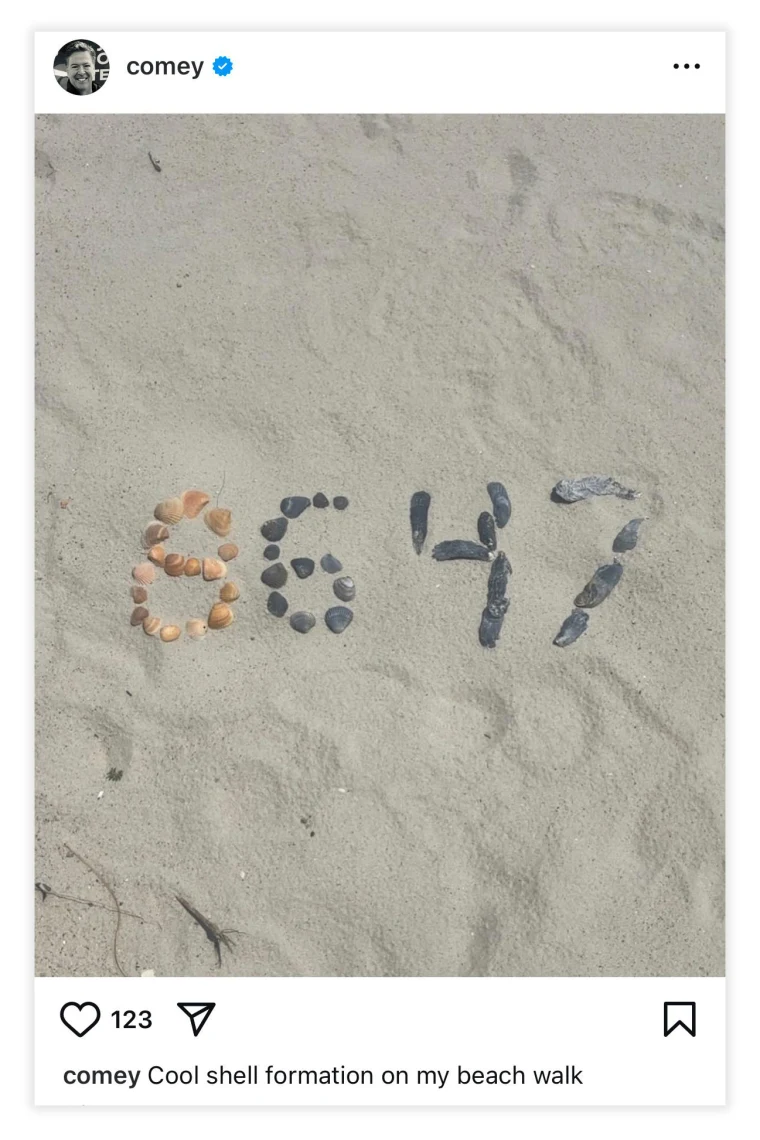
In 2025, Comey posted to Instagram an image of shells arranged in the shape of two numbers: “86 47.”
James Comey’s seashell post.
James Comey’s seashell post.
Trump, our 47th President, has long harbored a grudge against Comey, going back to Comey’s investigation of Trump’s possible Russian ties. Trump famously fired Comey in 2017—then, for good measure, fired his prosecutor daughter in 2025.
Trump has been clear for years about his desire to use the power of the federal government to make life more difficult for Comey, and federal officials in his second term have been willing to comply.
Fortunately, they have also been pretty stupid. Through a series of staggeringly incompetent actions, the administration already had its first Comey indictment tossed out in Virginia—a loss so epic that it got Trump’s interim US attorney for Virginia booted, too.
Today, on completely new and unrelated charges, the Department of Justice has indicted Comey again, this time in North Carolina. The charge is nothing less than a threat to murder the president.
And it’s all based on that single seashell image.
The new indictment says that Comey “did knowingly and willfully make a threat to take the life of, and to inflict bodily harm upon, the President of the United States, in that he publicly posted a photograph on the internet social media site Instagram which depicted seashells arranged in a pattern making out ’86 47,’ which a reasonable recipient who is familiar with the circumstances would interpret as a serious expression of an intent to do harm to the President of the United States.”
You might expect more details in a case this serious and against such a high-ranking former official; there are none.
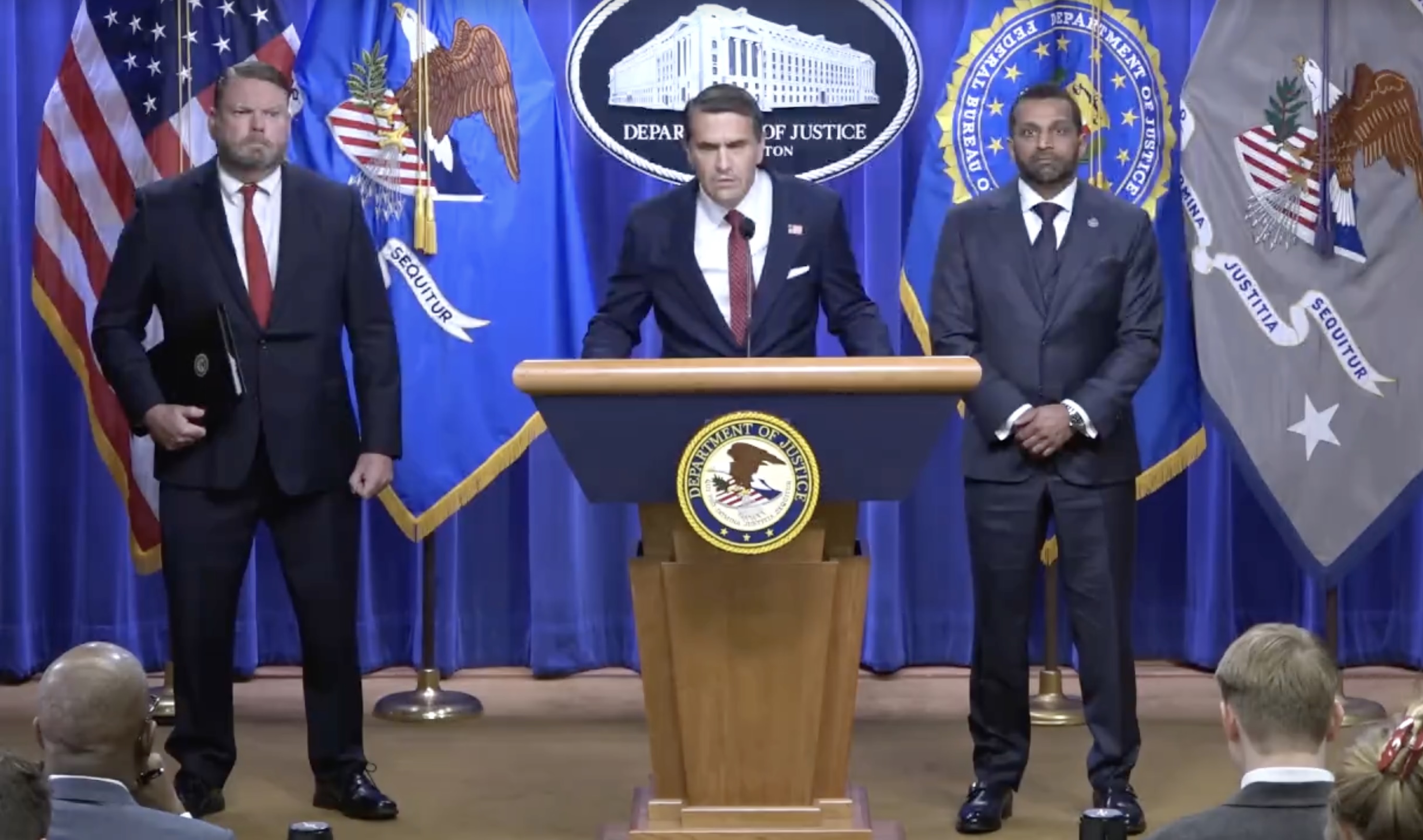
The DOJ held a 15-minute press conference in which three men in suits tried to make this all sound normal and natural.
The DOJ held a 15-minute press conference in which three men in suits tried to make this all sound normal and natural.
Get in the clown car
A case this ridiculous, and about such a weighty matter, may be the bulbous red nose that completes the full-on beclownment of the Department of Justice under Trump. (The DOJ is currently run by one of Trump’s personal lawyers.) Popular legal blog Above the Law, for instance, called today’s move a “new low point for DOJ integrity.”
As we have learned just in a single day, the federal government is willing to come after your broadcast licenses if you make a joke that Trump doesn’t like… and your freedom if you make social media posts that Trump doesn’t like. These are apparently the ways in which Trump is fulfilling his promise to halt government “censorship” of US citizens.
But apparently, it’s James Comey’s restaurant-slang seashell Instagram image that’s the real crime, the sort of thing stopping America from being truly great again.