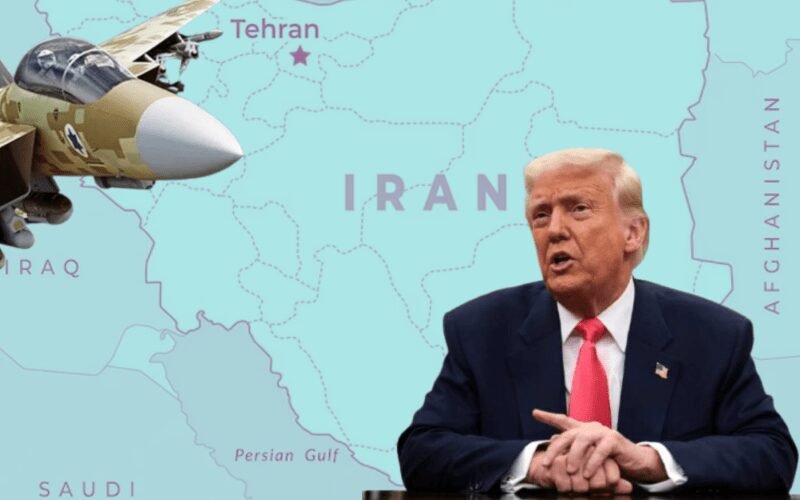
Donald Trump has extended a deadline for Iran to reopen the Strait of Hormuz by 10 days to 6 April, saying negotiations are “going very well” despite ongoing military exchanges across the Middle East.
In a social media post on Thursday, Trump said the pause, requested by Tehran, would delay threatened US action against Iranian energy infrastructure. He later told an interview that Iran had asked for a shorter extension but he opted for 10 days.
The announcement comes amid continued hostilities. Israeli forces said they had killed senior Iranian commanders, including naval chief Alireza Tangsiri, in a strike on the southern port of Bandar Abbas. Additional strikes were reported near Isfahan, a key military and nuclear hub.
Iran has denied US claims that it is seeking a deal under pressure and has continued retaliatory missile attacks. Explosions were reported in Tel Aviv, Jerusalem and surrounding areas as Israeli air defences intercepted incoming projectiles. Similar interceptions were reported in Gulf states.
Trump, who has repeatedly said the conflict is effectively decided, stated: “In a certain sense, we have already won.” He also warned Iran it must abandon its nuclear ambitions or face further consequences, describing the US as Tehran’s “worst nightmare” if talks fail.
US officials say diplomatic efforts are ongoing through intermediaries, including Pakistan. Washington has reportedly presented a multi-point framework aimed at reopening the strait and curbing Iran’s military capabilities.
Iranian officials have criticised the proposal as “one-sided”, calling instead for an end to US and Israeli strikes, reparations, and recognition of its authority over the Strait of Hormuz. Foreign Minister Abbas Araghchi accused Washington of applying “double standards” in its approach to regional conflicts.
The Strait of Hormuz remains a critical global shipping route, and any prolonged disruption could have significant economic consequences. While US officials claim Iran’s naval capacity has been severely degraded, analysts note Tehran retains the ability to target shipping through mines and coastal missile systems.
With positions on both sides still far apart and fighting ongoing, it remains unclear whether the extension will lead to a breakthrough or simply delay further escalation.
via Guardian