This Passover season offers a fitting lesson in what real journalism demands: speed when the moment requires it, and patience when the truth takes longer to unfold. But that kind of reporting does not happen on its own. Good, in-depth, and fast journalism requires resources—experienced reporters, trusted sources, time, and the ability to keep pursuing a story after others have moved on.
At The Media Line, we do more than chase headlines. We report the Middle East in depth, following stories long after the first burst of attention has passed and giving readers the context they need to understand what is really unfolding. In a region crowded with noise, rumor, and political theater, that kind of journalism matters. It is the difference between knowing what happened and understanding why it matters.
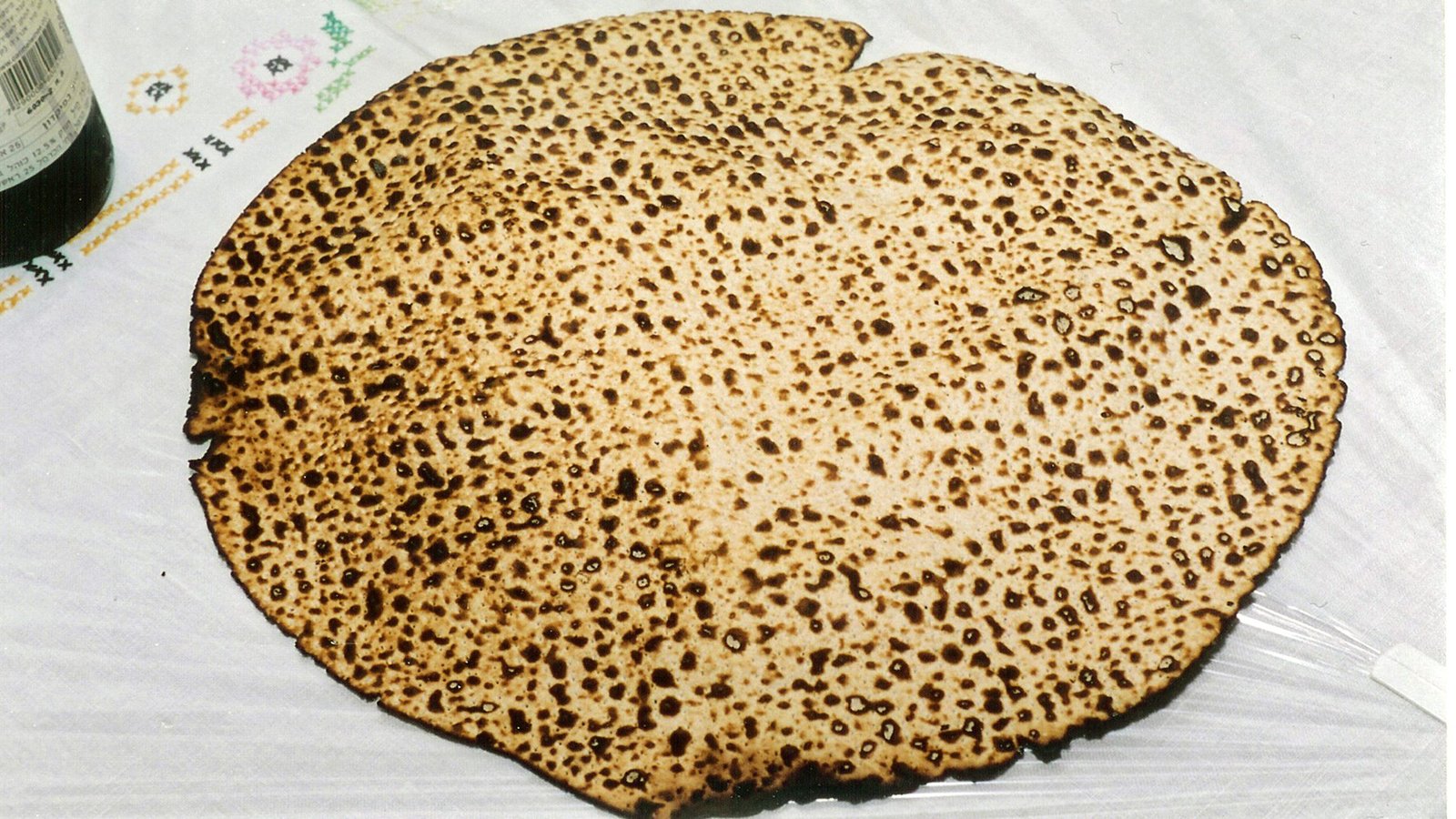
Passover teaches that urgency has its place. The Israelites left Egypt in such haste that their bread did not have time to rise. There are moments when tarrying is not wisdom but failure. Journalism has such moments, too. When major developments break, readers need facts quickly, clearly, and without the distortions of propaganda or wishful thinking.
That same commitment also means moving fast when the moment demands it. The Media Line was first to report that Mojtaba Khamenei may have been badly injured in the explosion that killed his father, before other major outlets caught up. That did not happen by accident. It came from strong sourcing, regional expertise, and the willingness to do the hard reporting while others were still trying to figure out what had happened.
Still, speed alone is not enough. Passover also teaches the value of depth. The Haggadah tells us that whoever discusses the exodus from Egypt at length is praiseworthy. The story is not meant to be rushed through and discarded. It is meant to be told carefully, revisited, argued over, and carried deep into the night, even until morning. That is not a bad model for serious reporting.
The counting of the Omer carries the lesson further. Day by day, it teaches patience, discipline, and the slow building of meaning. Great depth cannot be rushed. It comes from returning to the story, asking harder questions, and refusing to settle for the first easy version.
That is the work The Media Line is committed to doing: journalism that gets there first and stays with the story. We report fast when the news breaks, and we keep reporting when the headlines move on.
Please support The Media Line with a generous gift today. Help us continue producing journalism that is timely, rigorous, and deeply informed. In the Middle East, getting the story first matters. Telling it fully matters too.