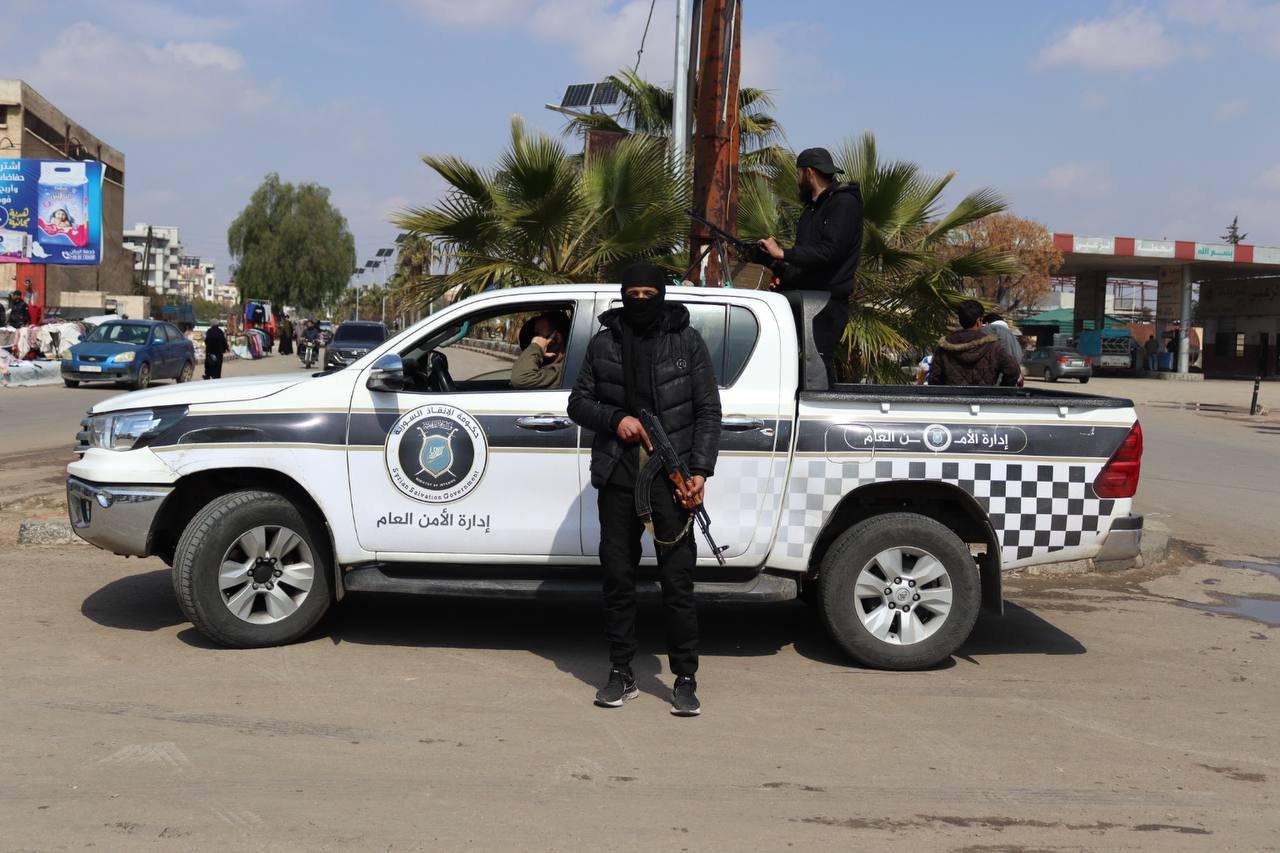
[DAMASCUS] Syria’s Internal Security Forces have detained former Maj. Gen. Muhammad Mansoura in the city of Jableh, in Latakia governorate, and transferred him to the capital, Damascus, to complete investigations.
According to information obtained by The Media Line, the relevant authorities have initiated an official investigation into Mansoura while remaining prepared to receive any complaints or legal claims filed against him.
Mansoura is considered one of the prominent security figures who held sensitive positions within the structure of the former Syrian regime. He served as the head of Syria’s Political Security Directorate from 2005 to 2016, one of the most significant security agencies under the Ministry of Interior.
He also held multiple security positions in earlier stages of his career, including head of the military intelligence branch in the Syrian Jazira region, based in Qamishli, as well as head of the Palestine branch in Damascus, before becoming deputy to Maj. Gen. Ghazi Kanaan.
Mansoura hails from the village of Ain Qubiya in the Hamam al-Qarahleh subdistrict of Latakia governorate. He was born in 1950 and holds the rank of major general. Reports indicate that he played security roles related to managing the balance of Arab-Kurdish relations in the Qamishli area, in addition to overseeing matters concerning Kurdish parties and forces during his tenure there.
His name has also been linked to cases and allegations involving arms smuggling and corruption, as well as accusations of ties to the Kurdistan Workers’ Party and its political extensions in Syria. He has not yet commented on these allegations.
The detention comes as calls grow inside Syria to investigate alleged violations and abuses linked to the former security apparatus. These demands are part of a broader push for transitional justice, which includes uncovering the truth, ensuring legal accountability, compensating victims, and preserving national memory—steps widely seen as essential to the country’s political and social recovery.
This development comes amid sweeping changes in Syria following the fall of Bashar Assad’s regime in late 2024, a turning point that ended a long period marked by repression, abuses, and the dominance of security institutions over public life.
Efforts to prosecute former security and military officials are part of a broader push for transitional justice, including accountability, truth-telling, and the protection of victims’ rights and national memory.