I grew up in a Star Trek household, not a Star Wars one. More to the point, I wasn’t even allowed to watch Star Wars when I was a kid, so I didn’t see the original trilogy until I was nearly an adult—about 17 years old, as I recall.
For my then-fundamentalist Christian family, the so-called “Eastern mysticism” of Star Wars was a bridge too far, something that could apparently corrupt my impressionable young Evangelical mind irreversibly. Star Trek was OK, though, because my parents didn’t feel it condoned witchcraft, or what have you, and they liked the original series from when they were younger.
Because of all that, my first true immersion in the Star Wars universe wasn’t the movies. It was the video games, and one in particular—Star Wars: Shadows of the Empire, which you can nab on GOG.
In revisiting that classic game of the ’90s, we get a glimpse at a very odd moment in pop culture history when Lucasfilm and its subsidiaries attempted to basically re-create the multimedia blitz of the original Star Wars movie releases, including a new story, books, new lines of toys, and all the rest—all in a lead up to the release of the Special Edition edits of the original films.
I was born in 1984. When the Shadows of the Empire came out on PCs, I was around 12 years old, which was the perfect age to get really, really into Star Wars.
My parents were committed to controlling which movies, books, and music I could consume, but for whatever reason, there was almost no oversight on the video games I played. I couldn’t watch Star Wars, but I could play Doom.
I’d go to Software, Etc., grab a big box or a bag of shareware disks, and buy it with my allowance without the same kind of parental approval that applied to other media.
And in exactly that way, I purchased Shadows of the Empire. One of Lucasfilm’s goals with that game and its related media was to convert a new generation to the same kind of Star Wars fanaticism (and consumer spending) the movies did for Gen X. I can’t speak to most people’s experiences—I doubt they’re the same—but it worked like a charm for me as a result of timing and the appeal of something forbidden.
Shadows of Star Wars
In the mid-’90s, plans were underway for both the Special Edition re-release of the original Star Wars films and for the prequel trilogy. Shadows of the Empire was a “transmedia event” intended as a lead-up and a sort of dry run for the marketing blitz that would accompany those theatrical releases, envisioned as a movie-release campaign without a movie.
The heart of it was a novel, but there was also an original score for the book released in home audio formats, a comic book series, trading cards, a line of action figures, and a game (initially) for the Nintendo 64.
That Nintendo 64 game was released a year later on Windows PCs, and it’s that PC version—the one we’re discussing here—that’s worth revisiting.
When working on the Nintendo 64, the game’s developers ran into numerous painful technical limitations. Most notably, the console’s cartridge format didn’t hold enough data for full voice acting, cutscenes, or full original score tracks. The game was special on the platform for containing some pre-recorded music, as opposed to synthesized tracks, but that was in the form of very short snippets that repeated frequently.
The PC version has full motion cutscenes, more voice tracks, and complete music tracks. One of the first games to require a 3D accelerator card to play, it helped usher in the brief but exciting Voodoo card era of PC gaming. (It’s worth noting, though, that Shadows of the Empire only ran well on 3DFX cards in its day, not the cards from myriad competing companies at the time.)
30 years later
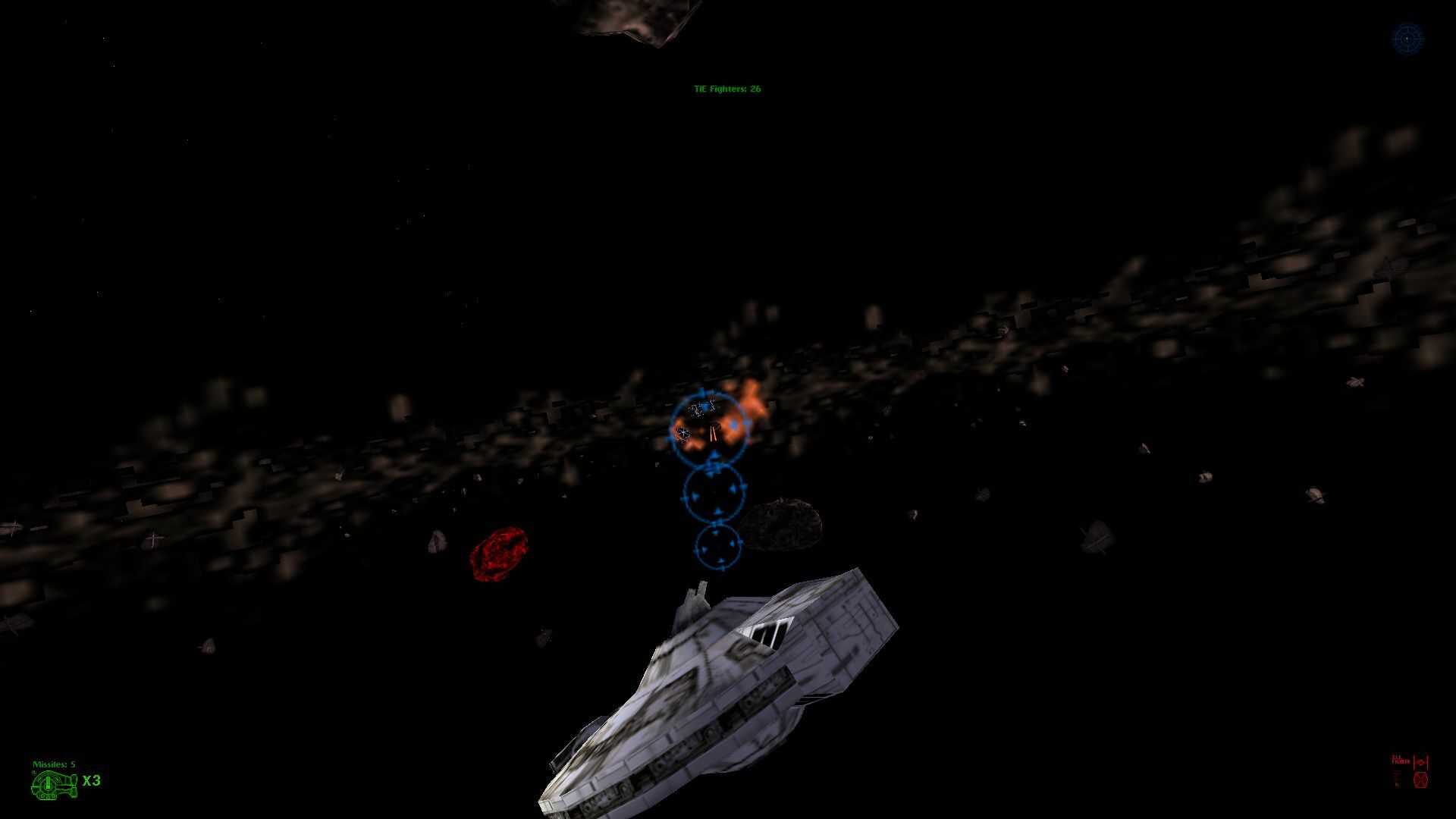
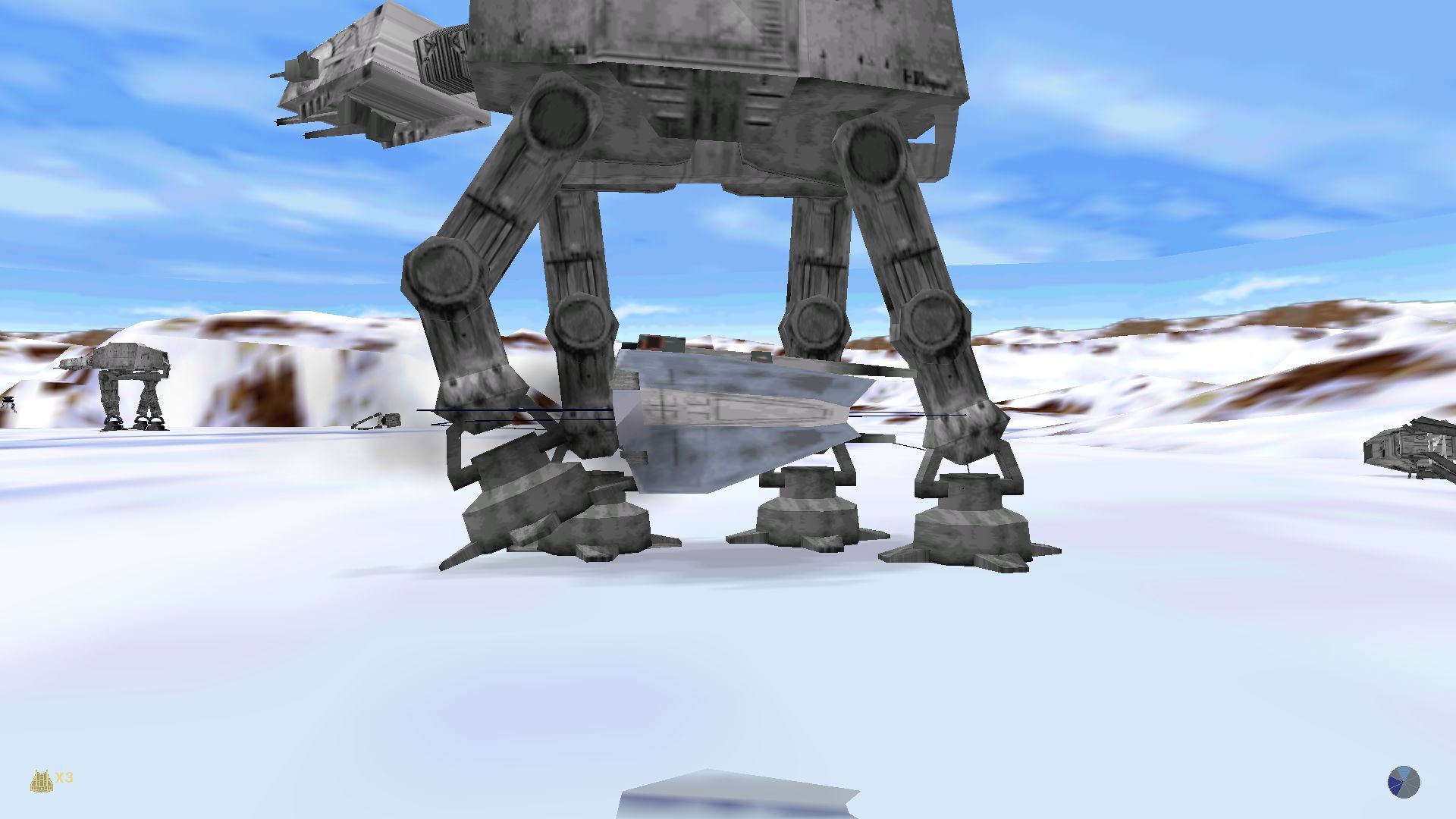
I revisited the game over the past few days, playing through the first few levels for the first time in years. The gameplay experience is just fine, as it was then: It’s a mixture of spaceship piloting sequences and third-person shooter levels. The opening sequence that re-creates the Battle of Hoth from The Empire Strikes Back is the obvious standout, but I enjoy the on-foot levels too.
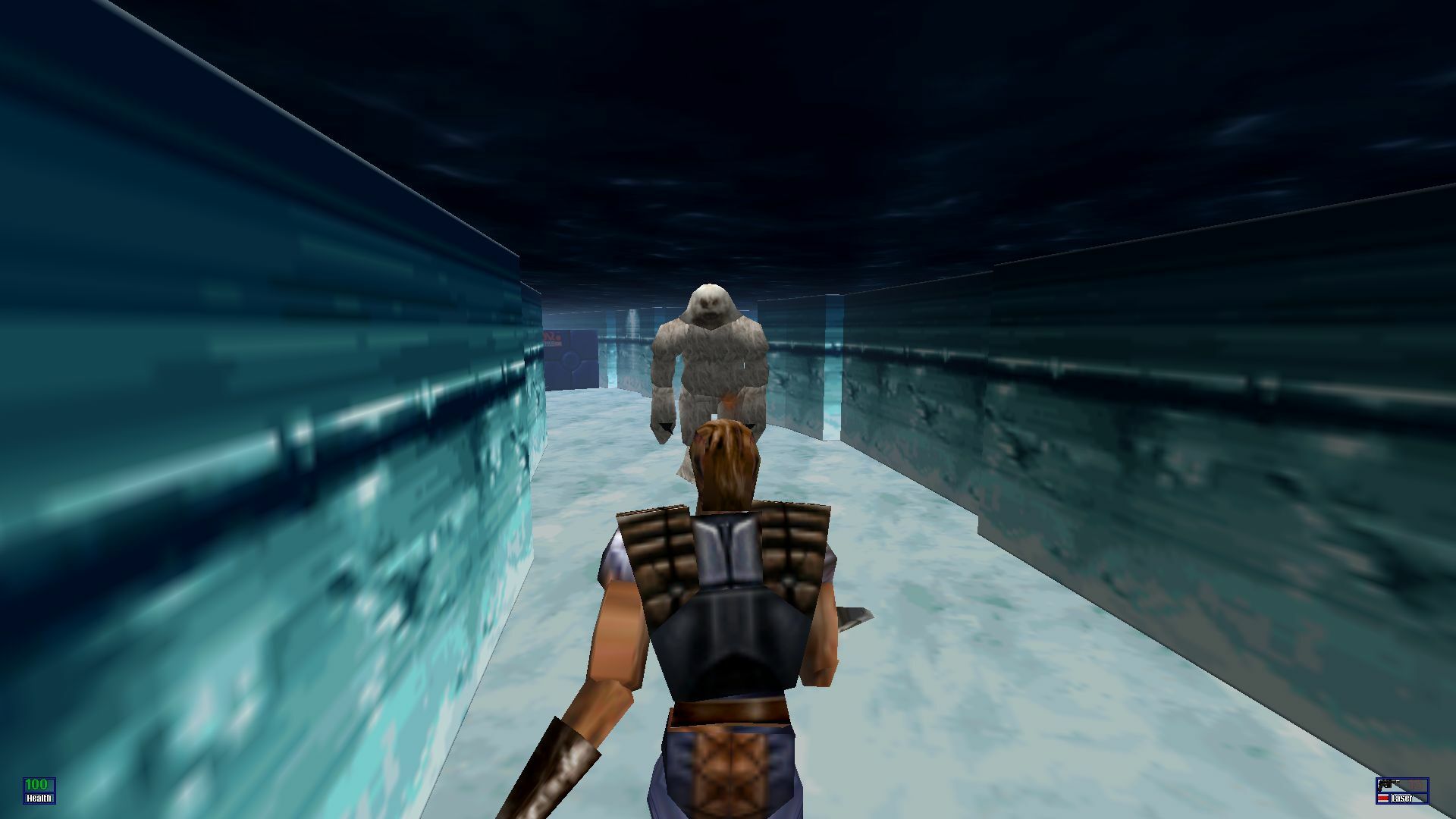
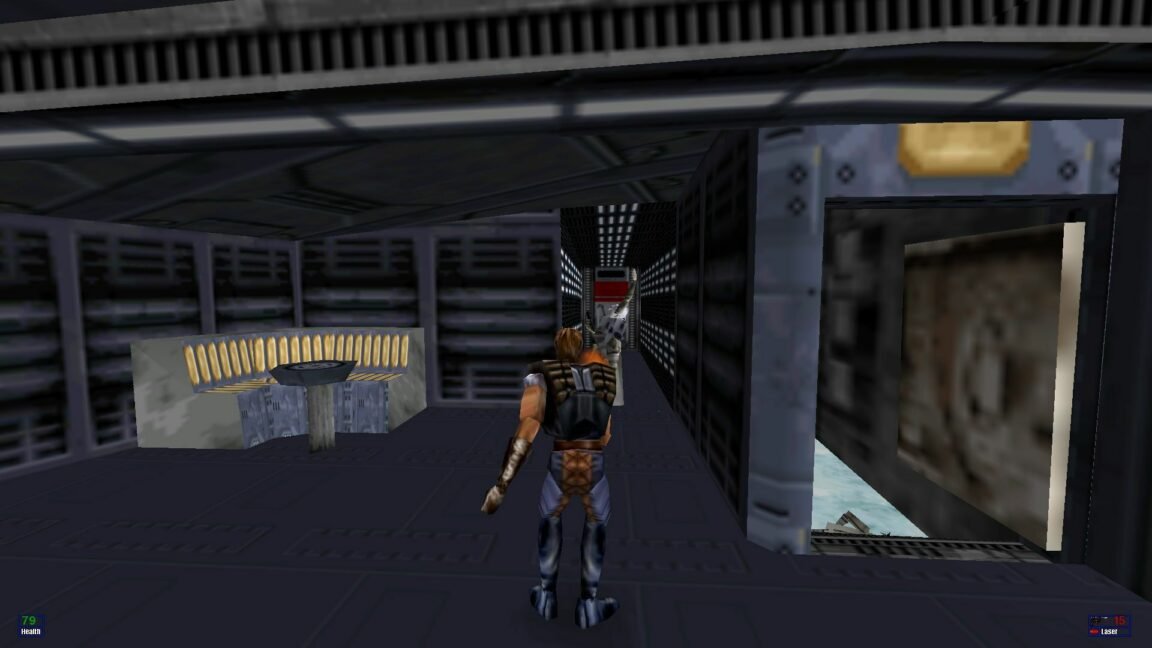
The comics, novel, and game all tell the same basic story, but from different perspectives. In this case, you embody Dash Rendar, the smuggler rogue archetype who was put into the game to fill in for an absent Han Solo. (The game takes place between The Empire Strikes Back and Return of the Jedi.)
As such, not everything from the novel makes it into the game, but that’s not a bad thing. Sure, we miss out on some strong character development for Luke Skywalker. But on the other hand, we also get to skip the now cringe-inducing “Seduction of Princess Leia” storyline.
All that said, it doesn’t help Shadows of the Empire that the far superior Star Wars Jedi Knight: Dark Forces II came out the very same year on PC.
Shadows of the Empire is the game that got me into Star Wars, but Jedi Knight is the one that turned me into a real fan. (We’ll likely check in on that game in this series at some point in the future.)
Still, Shadows of the Empire is worth revisiting, if only for a glimpse at a very strange and fleeting time in Star Wars’ history—the final years before the prequel trilogy took the franchise in new directions.
Fortunately, unlike some other games of the early 3D accelerator era of PC gaming, you can easily play Shadows of the Empire on modern Windows systems without much tinkering or additional applications. The only caveat is that some gameplay elements are tied to frame rate, so playing at 60 frames per second causes some problems. You’ll want to cap that frame rate at 30 fps, or even at the 24 fps or so that it was originally expected to run at on the Nintendo 64.
If you want to give it a shot, it’s on GOG and other storefronts now.