Archaeologists are keen to learn more about the specific diets and culinary practices of ancient populations around the globe. An interdisciplinary team of scientists analyzed the residues on prehistoric ceramic cooking pots and concluded that early Eastern European hunter-gatherer-fishers likely foraged for plants as well as hunted fish and other animals for their sustenance, according to a new paper published in the journal PLoS ONE. And they often combined ingredients for region-specific recipes.
This is a burgeoning area of archaeological research. For instance, back in 2020, we reported on researchers who spent an entire year analyzing the chemical residues of some 50 ceramic cooking pots. The aim was to gain new insights into ancient diets, and the authors actually cooked their own maize-based meals in replica pots to test their hypotheses. They found that the charred bits at the bottom of the pots provided evidence of the last meal cooked. But the patinas contained evidence of the remnants of prior meals that had built up over time. So it depends on which part of the pot you sample.
Most prior research has been typically useful primarily for identifying animal remains; it’s more challenging to identify the kinds of plants ancient peoples might have consumed. The authors of this latest paper combined several analytical techniques to study the residues of 58 pottery pieces dating between the 6th and 3rd millennium BCE. And they, too, conducted their own experiments, cooking various combinations of the ingredients in ceramic vessels over an open fire.
Regional recipes
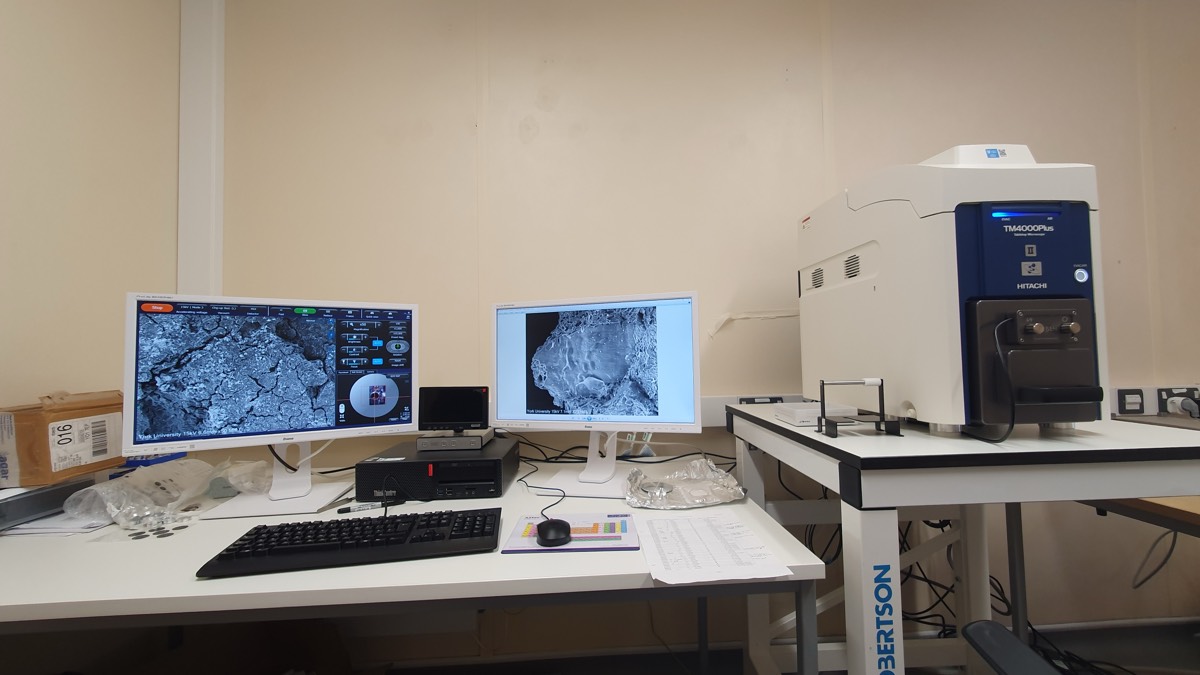
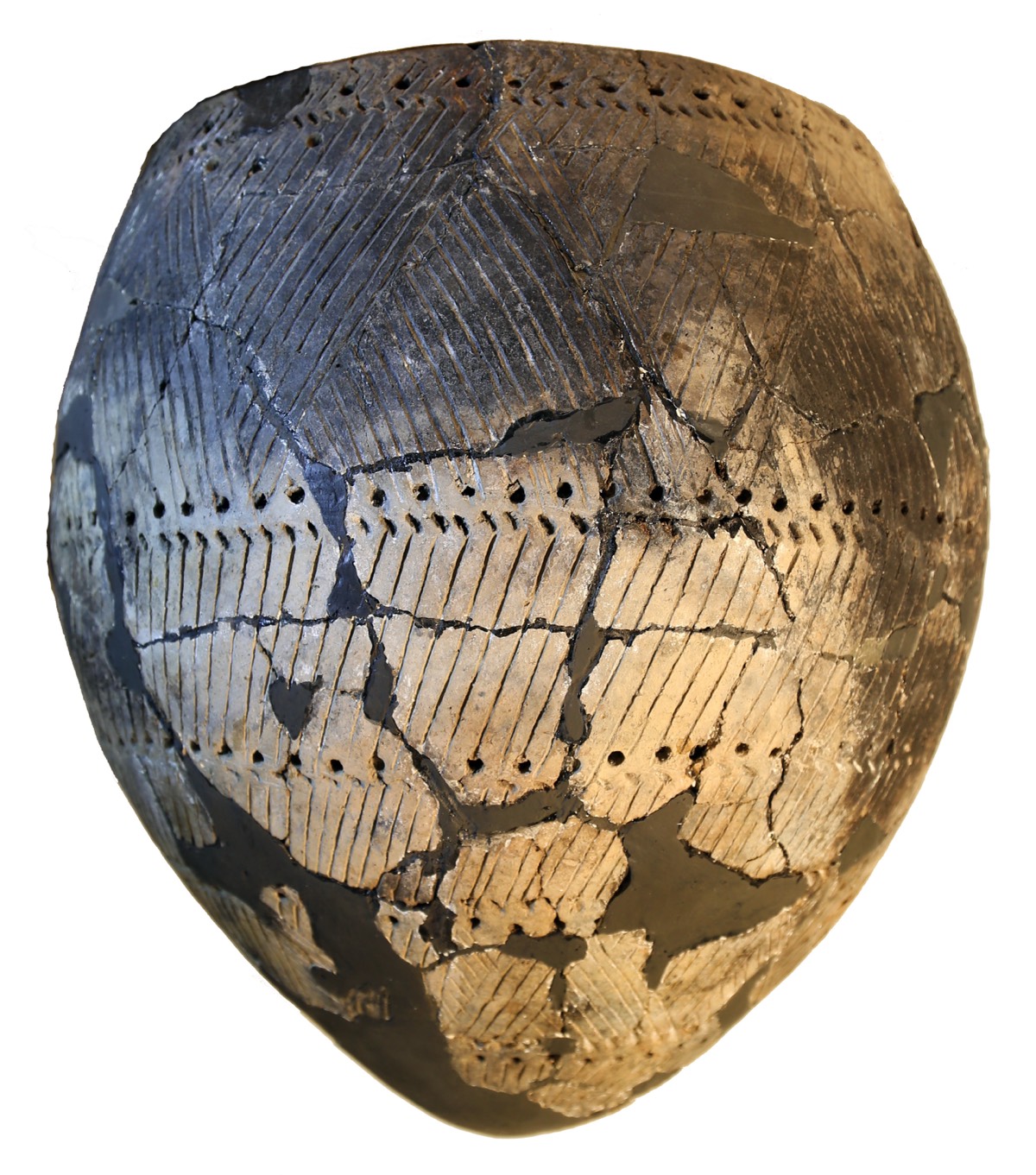
The authors selected their pottery shards from coastal, lagoon, riverside, and lakefront sites to get a range of ecological settings, and focused on shards with substantial crusted residues from foodstuffs. They also examined botanical records, where available, to get a sense of which plants were locally available at each site. After initial examination under a microscope, the most heavily crusted areas were imaged with scanning electron microscopy to better examine their fine structure. They also analyzed the lipids and bulk isotopes present in the residues.
The results: The team found traces of wild grasses and legumes, fruits or berries, green vegetables, and roots and tubers native to the broader region. Shards recovered from sites in the Don River basin showed these people used the seeds of wild legumes (possibly clover) and grasses, as well as showing some evidence of bran and barley. By contrast, shards from the Upper Volga and Dnieper-Dvina region contained more traces of guelder rose berries and other fleshy fruits and smaller-seeded Amaranthaceae plants.
Shards from the Baltic region showed higher traces of freshwater fish, with some regions also including berries, sea beetroot, flowering rush, beets, and sea club-rush tubers. There were also traces of dairy products in shards from a site in Denmark, likely obtained from nearby farming communities.
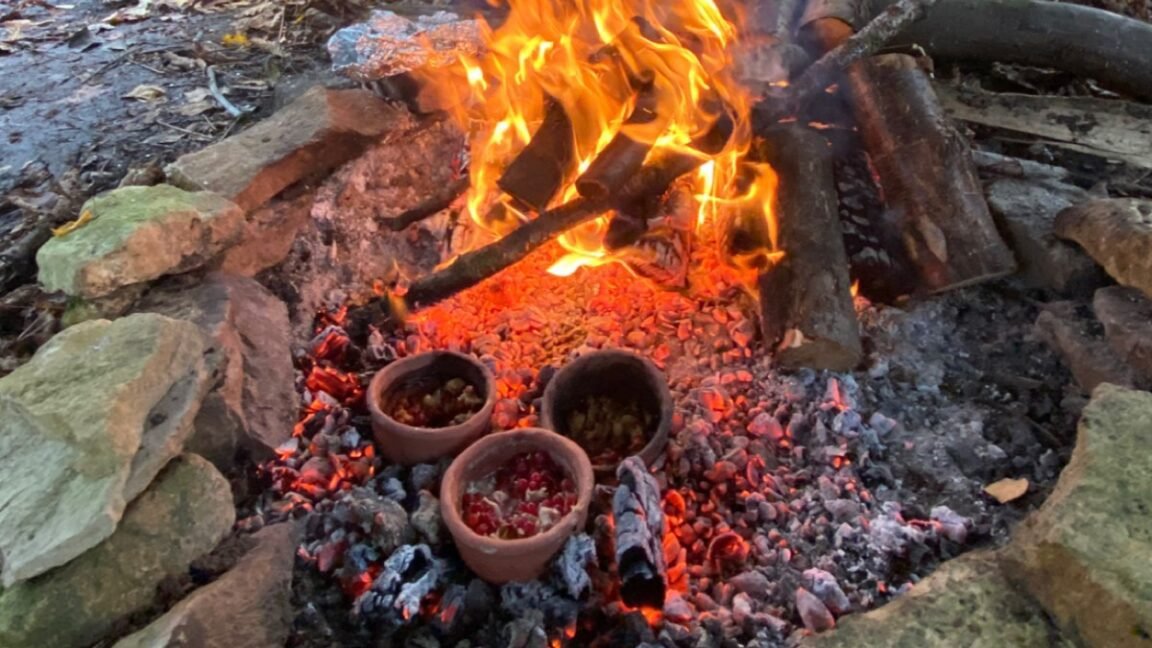
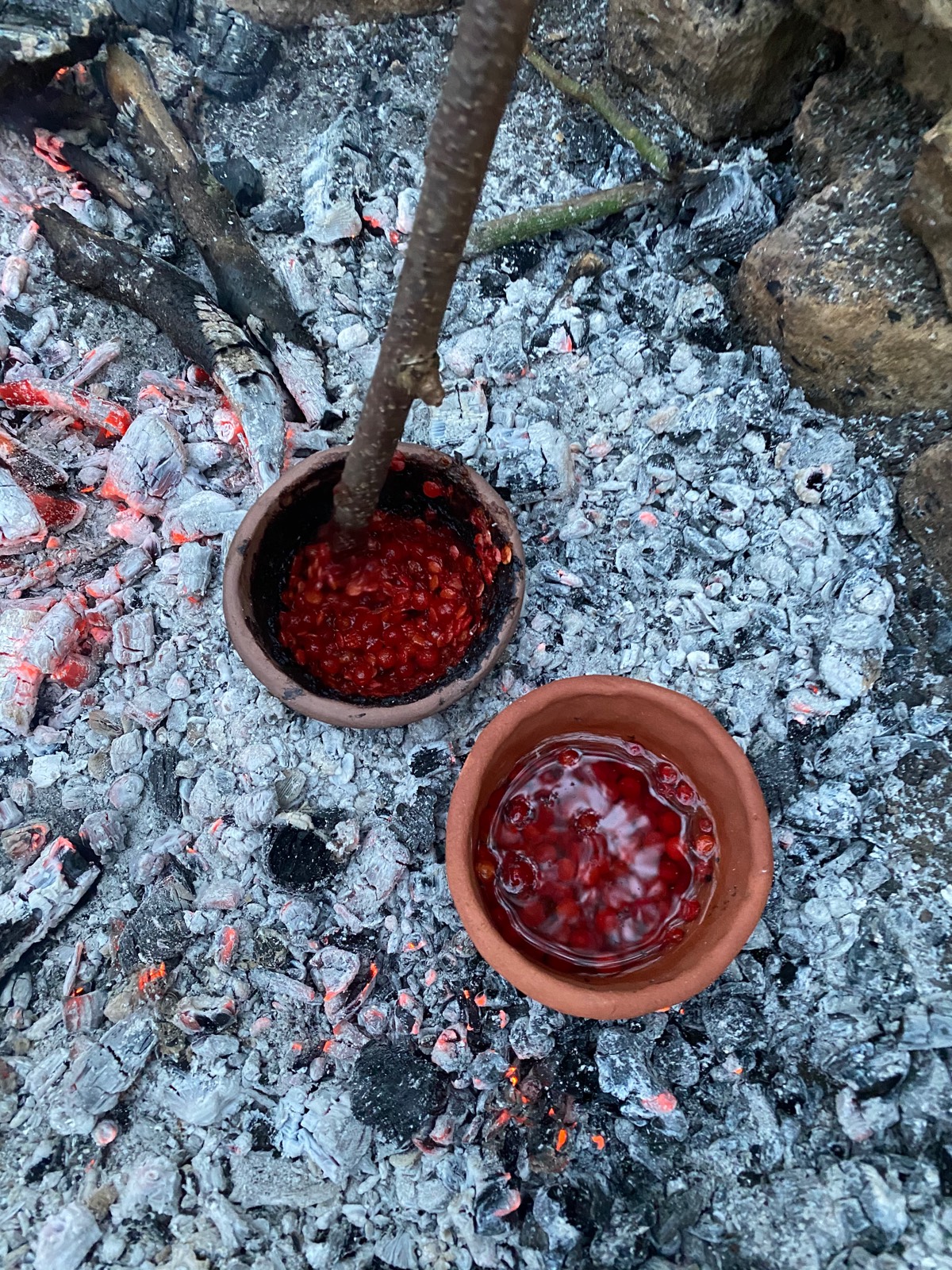
For the cooking experiments, the authors explored different potential food mixtures focusing on two main plant species: guelder rose berries and species related to the Amaranthaceae family (beet, goosefoot, and saltbush specifically). The berries were gathered in the fall from the south of England and frozen right afterward. They boiled the berries with water in replica pottery vessels, combining some batches with freshwater fish like carp, and also varying the distance of the vessels from the open flames and active embers. They then sampled the cooking residues and compared those results to the samples taken from the prehistoric vessels.
“Our results show that there was a general tendency towards combining specific foods into distinct preparations and in particular regions,” the authors concluded, such as combining Viburnum berries with freshwater fish in the Upper Volga and Baltic regions. Fish accompanied by wild grasses and legumes were preferred in the Don River Basin, while other sites preferred their fish with green vegetables. So “hunter-gatherer-fishers were not living on fish alone,” the authors wrote. “They were actively processing and consuming a wide variety of plants.”
PLoS ONE, 2026. DOI: 10.1371/journal.pone.0342740 (About DOIs).