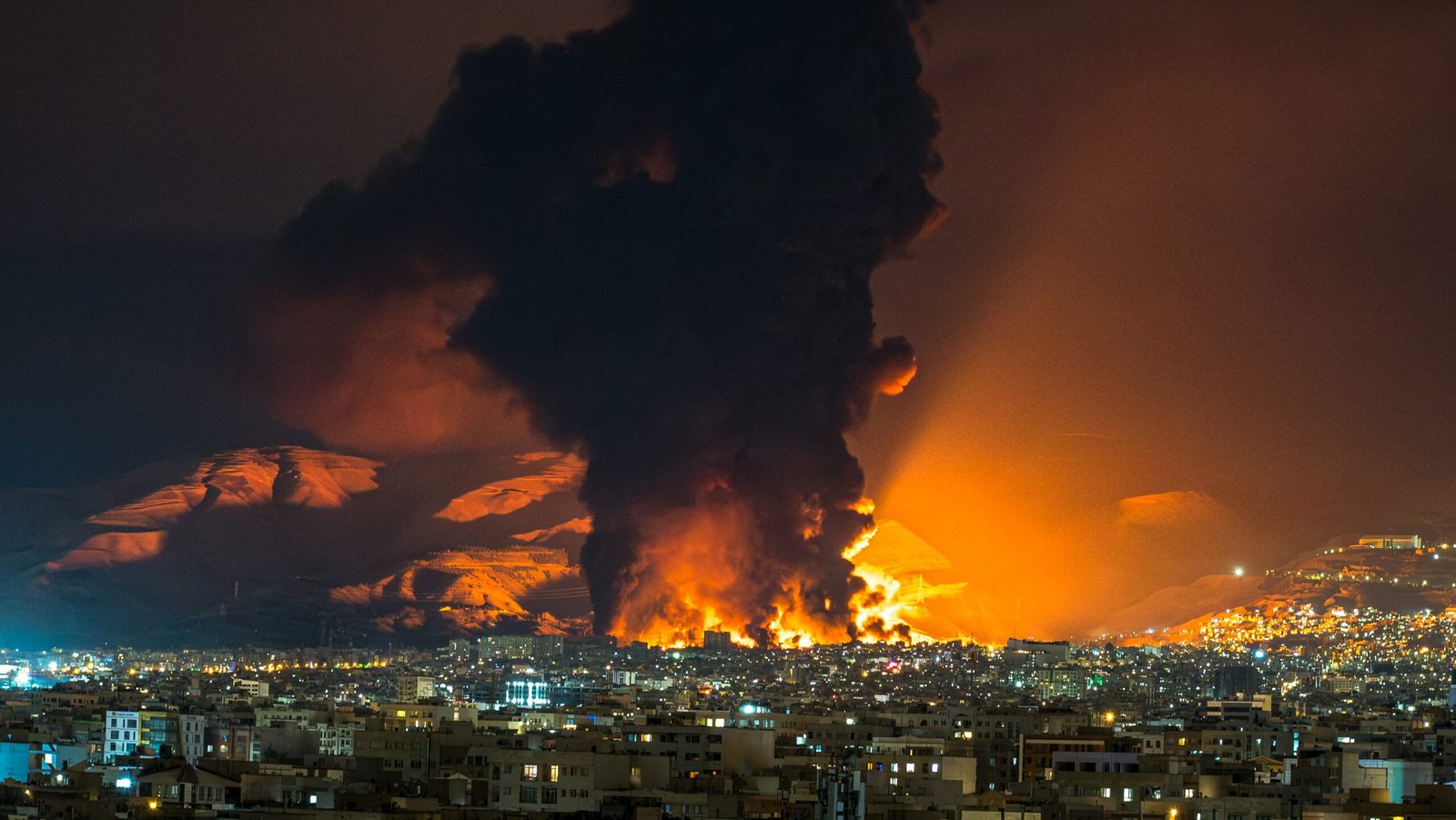
President Donald Trump has declined proposals from Middle Eastern allies to begin diplomatic negotiations aimed at ending the war with Iran that began two weeks ago with a large-scale US-Israeli air assault, several sources familiar with the discussions told Reuters.
A senior White House official confirmed the administration has rejected efforts to launch ceasefire talks and intends to continue military operations against Tehran.
“He’s not interested in that right now, and we’re going to continue with the mission unabated. Maybe there’s a day, but not right now,” the official said.
Oman, which previously helped facilitate talks before the conflict began, has tried several times to reopen communication channels, but two sources said the White House signaled it had no interest in pursuing negotiations.
Egypt has also attempted to revive diplomatic contacts, according to three security and diplomatic sources, though those initiatives have not produced results.
Two senior Iranian sources told Reuters that Iran will not consider a ceasefire unless US and Israeli airstrikes stop and Tehran’s conditions are addressed, including a permanent end to attacks and financial compensation as part of any agreement.
One source said Iran’s top security official, Ali Larijani, and Foreign Minister Abbas Araghchi attempted to use Oman as an intermediary for potential ceasefire discussions that could have involved US Vice President JD Vance, but those conversations never developed.
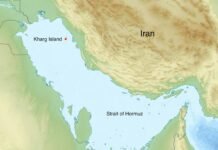
The administration’s position comes as US military operations against Iran continue, with strikes on Kharg Island, Iran’s primary oil export hub, on Friday night.
Iran’s new Supreme Leader Mojtaba Khamenei has vowed to keep the Strait of Hormuz closed and has threatened additional attacks on neighboring countries. A senior Iranian source added that the Revolutionary Guards believe ‘if they lose control of the Strait of Hormuz, they will lose the war.’
The conflict has killed more than 2,000 people, most of them in Iran, and halted maritime traffic through the Strait of Hormuz, a strategic waterway that carries about one-fifth of the world’s oil supply.