What happens in the Strait of Hormuz does not stay in the Strait of Hormuz. In this brisk and timely piece, Giorgia Valente takes readers from a narrow Gulf waterway to the heart of a much larger argument: energy policy is no longer just about climate or economics. It is about war, leverage, inflation, and who gets squeezed first when the oil market starts to shake.
The article turns on a simple but powerful point. Too much of the world still depends on fossil fuels moving through a handful of exposed chokepoints, and the current confrontation involving Iran, Israel, and the United States is showing, once again, how dangerous that dependency can be. Roughly 20 million barrels of oil a day pass through Hormuz. When that flow is threatened, the damage does not stop at tankers and pipelines. Shipping costs rise. Insurance premiums jump. Inflation fears return. Markets wobble. Politicians start sweating.
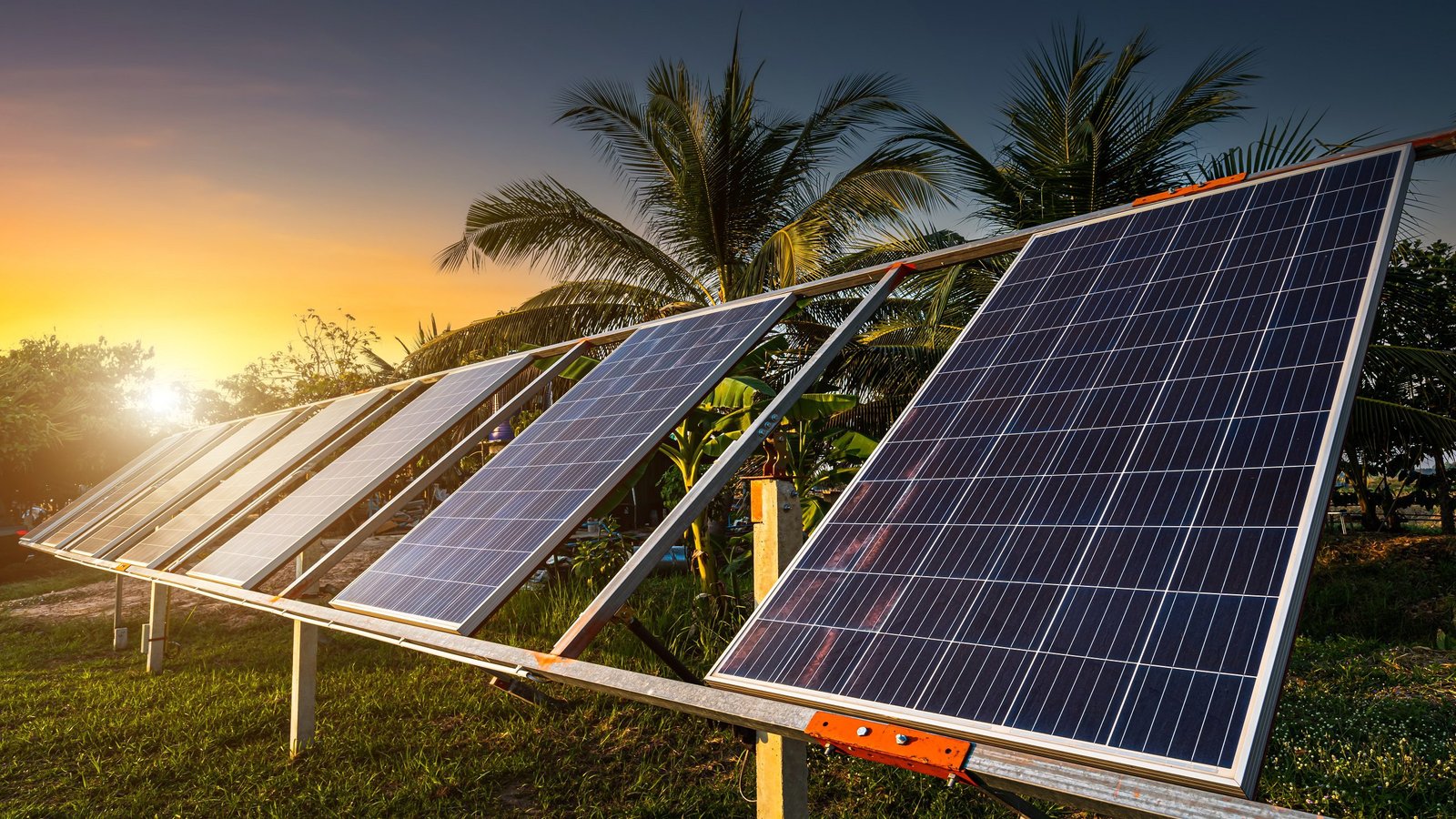
Valente builds the story through three expert lenses. Sustainability expert Ivri Verbin argues that decentralized renewable energy is not some luxury item for good-weather policy conferences. It is a matter of national security. The more energy countries can generate across diverse, local systems, the less exposed they are to war, coercion, and supply shocks.
Economist Eran Yashiv takes the argument into harder territory. His view is blunt: President Donald Trump will stop the war when the economic pain gets large enough. For Yashiv, markets are not a sideshow. They are the second battlefield. If oil and gas prices keep climbing, shipping slows, and inflation expectations become unhinged, central banks may freeze rate cuts and the real economy could take the hit next.
Rajat Ganguly adds the shipping angle, warning that risk alone can choke traffic. Mines, threats, and surging insurance costs can turn a strategic corridor into a financial minefield long before every route is formally shut.
This story connects the dots between geopolitics and the global economy. The conflict is not only about missiles, shipping lanes, or regional rivalries. It is about the structural weakness of an energy system tied to a few vulnerable corridors. As long as the world runs on oil flowing through places like the Strait of Hormuz, wars in the Gulf will keep sending shock waves through markets, supply chains, and household budgets everywhere. In Valente’s reporting, the lesson is clear: the push for diversified and renewable energy is no longer just a climate conversation. It is a strategic one.