The downloadable versions of Nintendo’s first-party Switch games have always cost the same amount to buy, despite the costs of manufacturing and shipping physical releases. This was still true when the Switch 2 launched last year, despite persistent rumors and misinformation to the contrary.
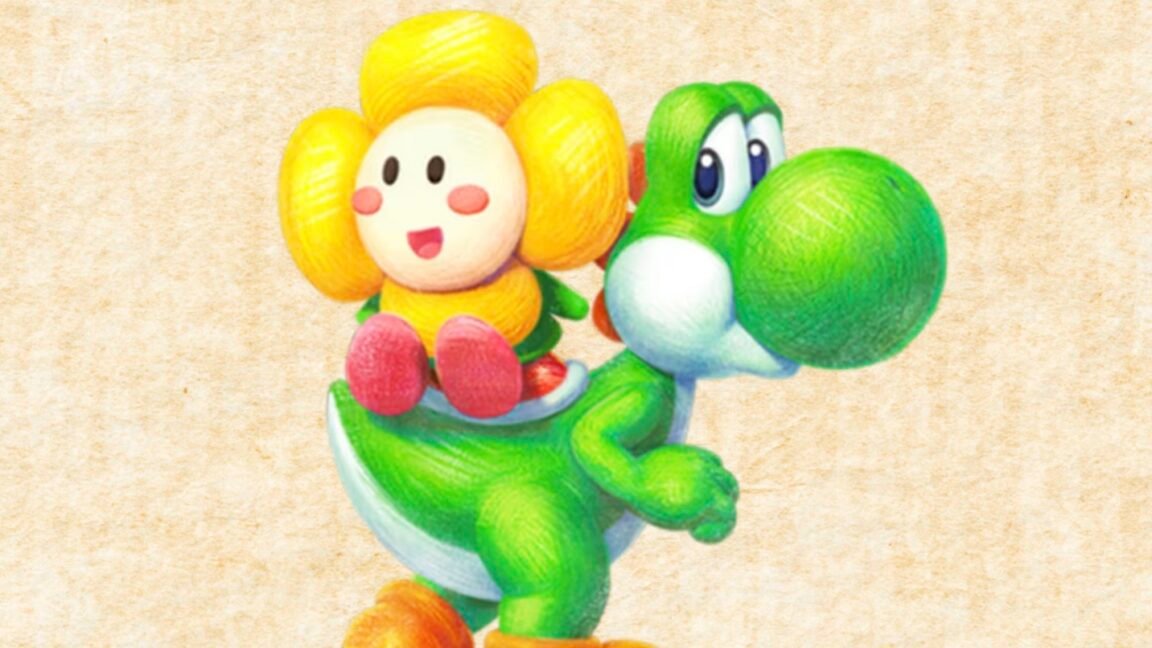
But that’s finally, definitively changing later this year. Nintendo announced today that beginning in May and for new game releases going forward, the physical releases of new Switch 2-exclusive first-party games will cost more than the digital versions of the same game. That will start with the May 21 release of Yoshi and the Mysterious Book, which will cost $60 in Nintendo’s online store but $70 for a physical copy.
“Nintendo games offer the same experiences whether in packaged or digital format, and this change simply reflects the different costs associated with producing and distributing each format and offers players more choice in how they can buy and play Nintendo games,” reads the company’s brief announcement about the change. Nintendo notes that retailers are free to charge what they want for physical and digital games, but aside from sales or other promotions most tend to follow Nintendo’s guidance on pricing.
At least for now, it doesn’t seem like this change will affect the physical copies of any Switch 2 games that have already been released—first-party releases tend to go for either $70 or $80, depending on the game. Nintendo didn’t say whether its new physical-game tax would always be a flat $10, or if the price would differ based on the price of the base game. It’s also not clear whether or how this will affect any future physical “Nintendo Switch 2 Edition” releases, which package a copy of the Switch 1-compatible base game with a $10 or $20 Switch 2-exclusive DLC add-on.
The Switch 2’s physical game releases have already caused some consternation among both developers and buyers who prefer the physical copies of games. The Game-Key Card system allows Nintendo and third-party developers to ship physical game cards that don’t actually have games on them—they allow the console they’re inserted into to download the digital copy of the game, and launching that digital game still requires the physical Game-Key Card to be inserted into the console. They do retain some of the benefits of physical games; Game-Key cards can be freely lent or resold, for example, and aren’t tied to a particular console or Nintendo Account. But they don’t save you any console storage space like “real” physical games do, and you’ve still got to get up and change the cartridge every time you want to play something else.
Developers who didn’t want to ship Game-Key Cards have also had limited options. Initially, Nintendo only offered physical Switch 2 cartridges with 64GB of storage, forcing developers of smaller-size games to either pay for flash memory they didn’t need or ship Game-Key Cards if they wanted a physical release. That may be changing, but it’s hard to say for sure—one developer said in December that Nintendo had begun offering 16GB and 32GB Switch 2 cartridges, but publicly retracted that statement shortly afterward.