The details of how animal life began are a bit murky. Most of the groups familiar today are present in the Cambrian, a period when they rapidly diversified, with familiar features evolving alongside bizarre creatures with no obvious modern equivalents. There are hints that some forms of present animal life predated the Cambrian. But most of the organisms we’ve found in Ediacaran deposits have no obvious relationship to anything we’re familiar with.
The complete absence of these creatures in later strata suggests they might have vanished in a mass-extinction event that cleared the way for the explosion of Cambrian species. But a new series of fossils found at a site in China includes examples of groups that flourished in the Cambrian living side by side with a few Ediacaran species. The deposits suggest that there might have been a gradual shift into the Cambrian.
Ediacaran and more
The newly described fossils, described by a team from Yunnan University and Oxford University, come from just south of Kunming, near Fuxian Lake. The rocks they’re in are part of the larger Dengying Formation, within a segment known to include Edicaran deposits, which ranged from 635 to 540 million years ago. They come from close to the end of the period, only about 7 million years before the first clearly Cambrian deposits.
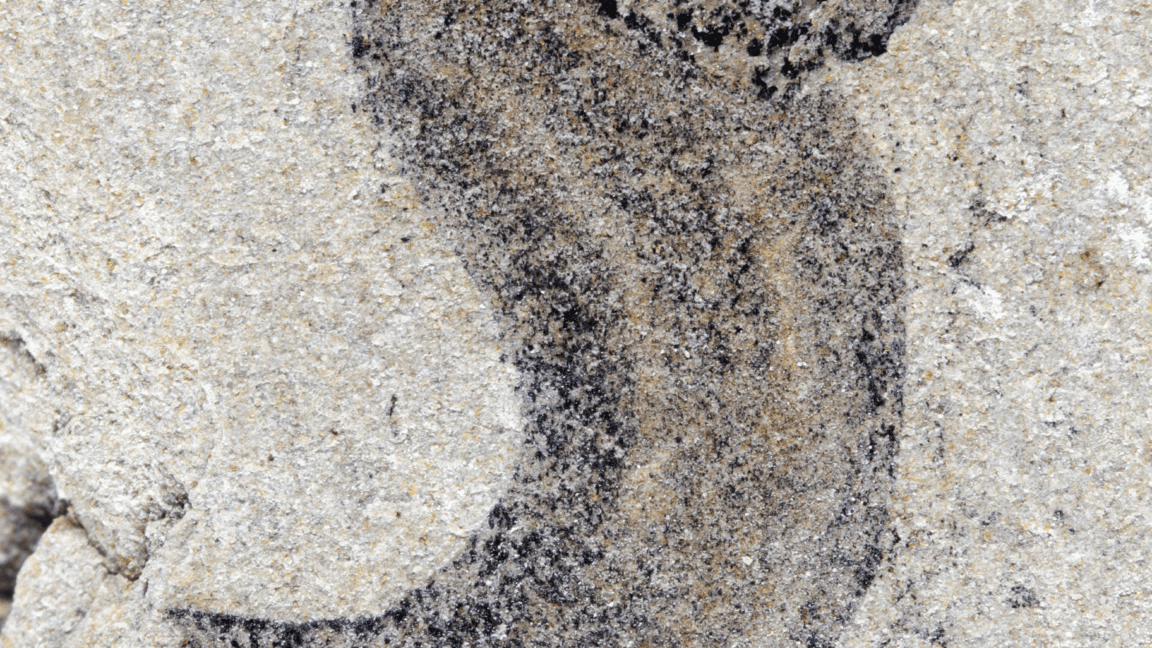
The site had previously been known for abundant algae, but the new fossils include over 700 species, which the researchers are calling the Jiangchuan Biota. The fossils themselves are very small, typically one to two centimeters. They’re largely impressions in a single layer of rock and are rich in carbon—so much so that many of the fossils are simply black. Still, they preserve a lot of details, including what appear to be internal organs in some cases.
The researchers say the fossils were likely buried rapidly in sediment in what had once been a shore environment just a bit deeper than the low tide mark. The researchers suggest that it likely represents a similar environment to the Burgess Shale Cambrian fossils.
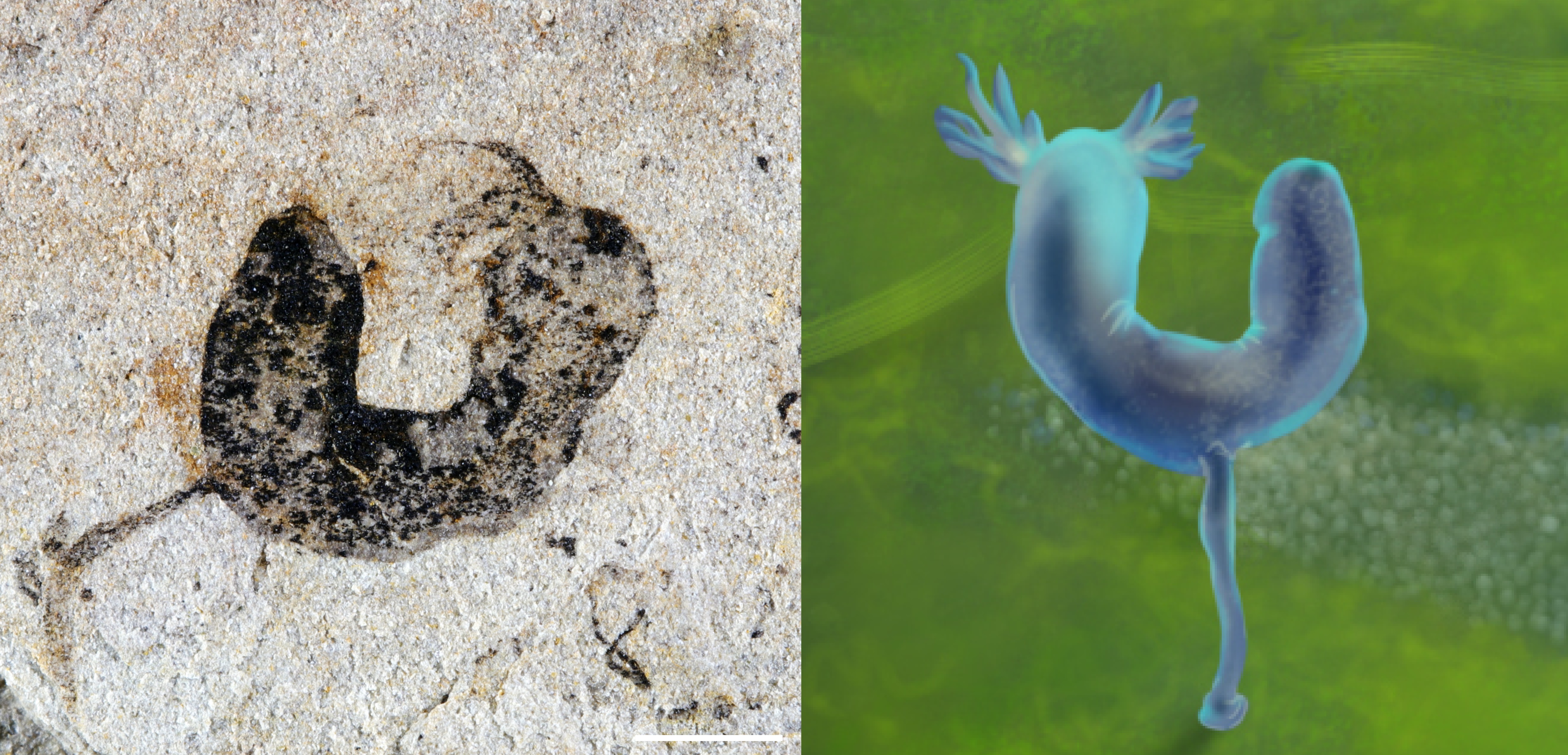
But a key difference is the presence of Ediacaran species. Even if the researchers didn’t tell you, you could figure it out by the description of these creatures written in everyday English: “Four protrusions appear to be arranged in pairs, each consisting of two connected branches surrounding a central depression.” That’s largely because we really don’t understand what any of these features represent anatomically, so we can’t use the technical terms that were developed to describe more recent features.
But the big difference is how many other groups of animals are also present, many of which hadn’t been unambiguously found to predate the Cambrian.
What’s there?
These include cnidarians, a group of radially symmetric organisms including present-day jellyfish. There were six individual fossils from a species that resembles a known fossil species called Haootia quadriformis, which had tetraradial symmetry and a lot of arms. While the new species is clearly distinct from that, it shares the arms, and the fossils preserve what might be muscle fibers.
Another fossil appears to be a ctenophore, what we’d call a comb jelly today. Ctenophores were clearly present by the Cambrian, and this one looks a lot like them. The fossil appears to include the rows of cilia that these organisms use to move about the water. Critically, this pushes back the origin of some features of ctenophores to a period before we previously had confirmation that they existed.
There’s also something similar to mackenziids, an organism that one paper described as “an enigmatic and poorly understood soft-bodied organism” from the Cambrian. It also has rows of structures, although those appear to be internal tubes; its odd nature has suggested it might be a holdover of Ediacaran life, and this find suggests they were present that early.
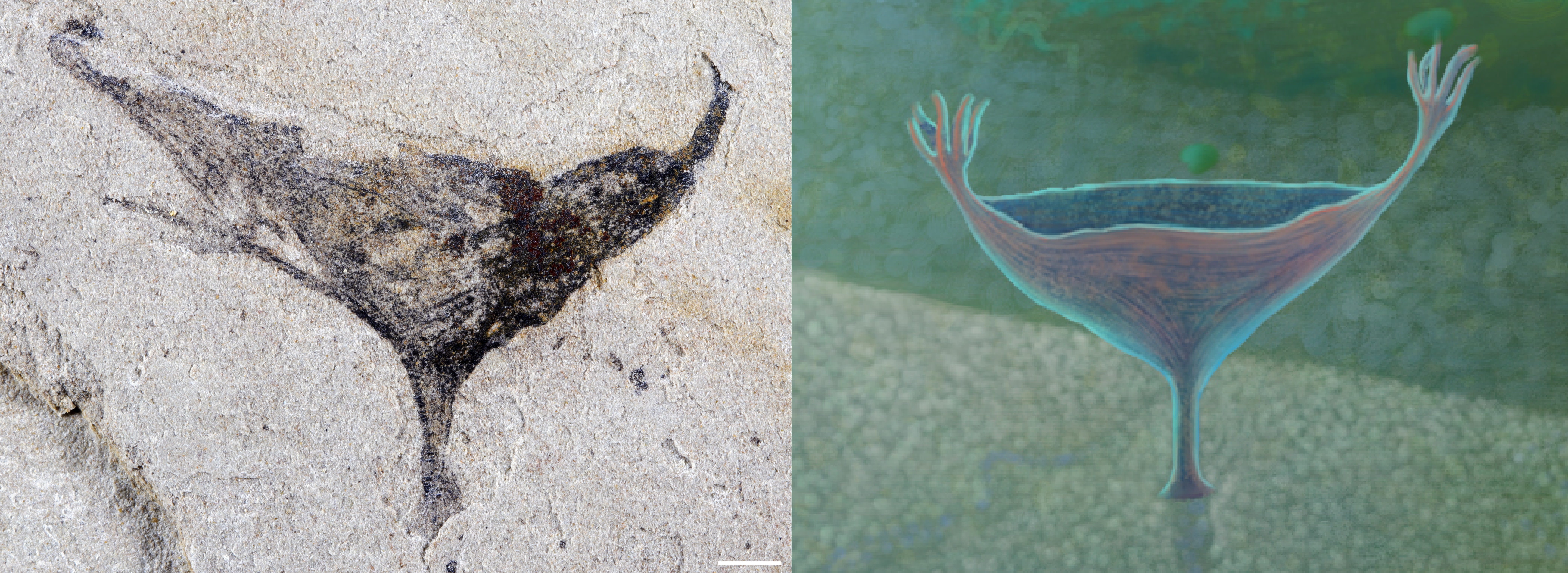
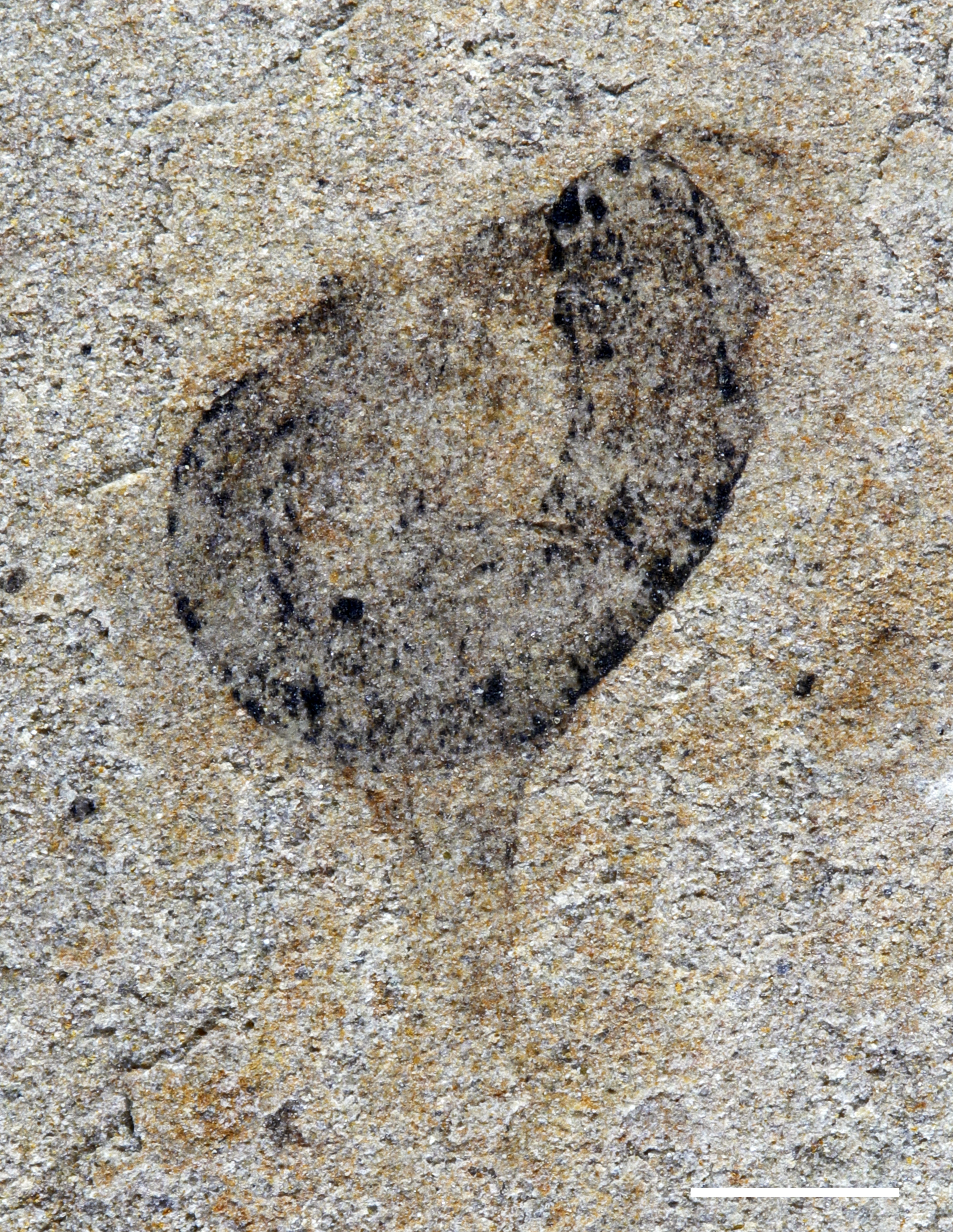
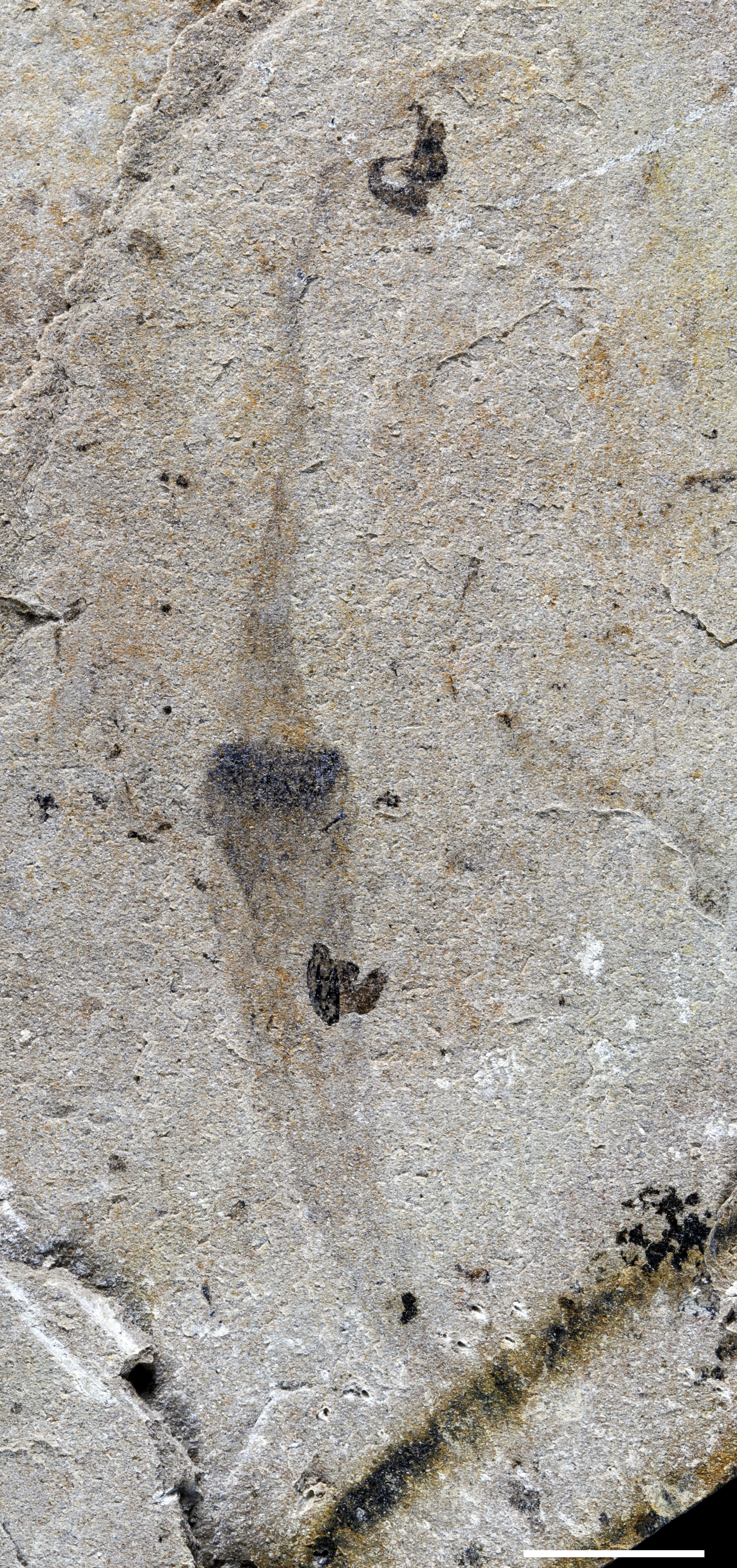
But the star of the show may be a worm. Worms are clearly bilaterian, a group of animals with left/right symmetries that includes our own species. And this place was crawling with worms, though not ones that would actually crawl, given that their posteriors were structured to attach to a surface. The mouth at the other end was able to extend some exterior structures outside the animal’s body, as is seen in some animals’ jaws today.
Overall, there are fragments of 185 individual worms of this type here. There had been some claims of Ediacaran worms previously, but they were all somewhat controversial; the sheer number of instances here is likely to make any debate much simpler. And there’s one additional example of what appears to be a fatter worm, and another four fossils of a creature that appears to be near the base of the group that includes echinoderms (think sea urchins and their relatives). Researchers have also found a number of tubes that appear to have once been occupied by worm-like creatures called hemichordates.
All of this seems to provide stronger evidence of bilaterians living before the Cambrian than we had previously. We had some traces that were very likely tracks of worm-like creatures and as many as four individual bilaterian species had been described, but those were not universally accepted as clearly bilaterian. With indications of four different species, this discovery essentially doubles the likely pre-Cambrian bilaterian count. The fact that some of the fossils appear to have details that let us assign them to specific forms of life that have persisted to the present day also strengthens the case.
If, as the Jiangchuan Biota suggests, the Ediacaran gently eased into the Cambrian, why has there appeared to be such a substantial gap between the two? The researchers behind the new work suggest that it may be a product of the distinct conditions that preserved carbon-rich materials for us to find. If these conditions were growing increasingly rare near the start of the Cambrian, then we might easily have missed the presence of a biosphere where the giants were only a few centimeters long.
Science, 2026. DOI: 10.1126/science.adu2291