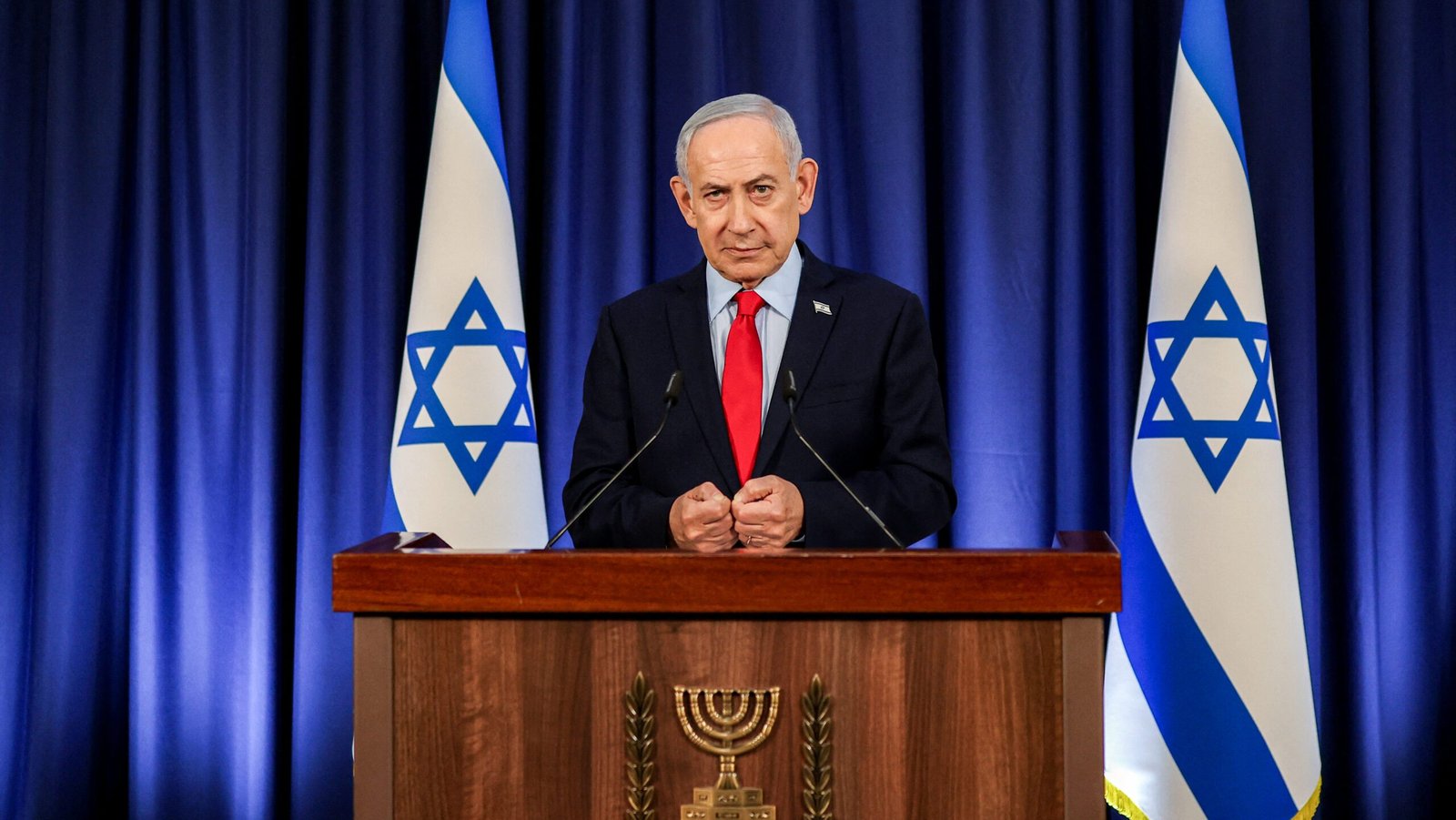
Israeli Prime Minister Benjamin Netanyahu spoke to the Israeli public and foreign press on Thursday night, outlining what he described as joint Israeli and US successes 20 days into the war against Iran. He said Iran now has “no ability” to enrich uranium or produce ballistic missiles, declared that Israel is “winning” alongside the United States, and emphasized what he called unprecedented coordination with President Donald Trump and the US military.
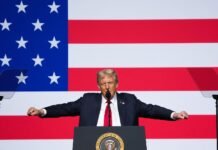
The briefing followed an unusual rebuke from President Trump over Israel’s strike on Iran’s South Pars gas field on Wednesday. President Trump said he had no prior knowledge of the operation and indicated Israel would not carry out further such strikes after Iran targeted Qatar’s Ras Laffan gas infrastructure in retaliation. Former US ambassador to Israel Dan Shapiro wrote on social media that a strike of that scale likely involved US coordination or approval.
Netanyahu addressed the issue directly, saying Israel acted alone and that President Trump later requested that such strikes not be repeated. He dismissed claims that Israel had dragged Washington into the war as “ridiculous,” adding that no one tells President Trump what to do and that the two leaders “see eye to eye” on Iran.
He said the alliance with the United States has reached a level “never been seen in history,” describing Israel as a “model ally” and highlighting close coordination between the two countries’ militaries and intelligence services.
Speaking first in Hebrew to Israelis and then in English to the foreign press, Netanyahu praised the public for following Home Front Command instructions and said their resilience allows the government and security forces to continue pursuing the campaign’s goals.
He said the war is focused on three objectives: eliminating Iran’s nuclear program, dismantling its ballistic missile program, and “creating the conditions that will allow the Iranian people to take their fate into their own hands.” He added that Israel is now targeting not only weapons systems but also “the industries that allow the creation of these programs.”
“And already now, after 20 days, I can tell you that Iran does not have the opportunity to enrich uranium and it does not have the opportunity to create ballistic missiles,” Netanyahu said.
He cited the destruction of senior political and military command centers, missile and air defense systems, and the killing of key Iranian figures, including Ali Larijani, the intelligence minister, and the commander of the Basij. Israel, he said, has also destroyed hundreds of missiles and launchers and struck targets across multiple domains, including air, land, underground, and sea, in coordination with US efforts.
Netanyahu said Iran has targeted civilians, Americans, and US-linked assets across Iraq, Kuwait, Saudi Arabia, Bahrain, Qatar, UAE, and Oman, as well as through proxies in Cyprus and Europe. He accused Tehran of attempting to blackmail the world by threatening the Straits of Hormuz. “So today, Israel and the United States are protecting America, Israel, the entire Middle East, but I venture to say the entire world,” he said.
He said the campaign has strengthened Israel’s position, describing the country as stronger than ever and Iran as weaker than ever. He pointed to expanded security lines in Gaza, Syria, including up to Mount Hermon, and Lebanon, and said threats from Hezbollah and Iran have been significantly reduced.
At the same time, Netanyahu acknowledged that Iran continues to carry out attacks that have caused casualties in Israel. He expressed condolences to bereaved families and said the damage inflicted was far below what Iran had intended.
On the possibility of regime change in Iran, Netanyahu said Israel can help create conditions for change but that “in the end, it will be dependent solely on them,” referring to the Iranian people. He cited signs of internal strain, including tensions within leadership ranks and some defections, but said it is too early to predict whether the regime will collapse. Even if it survives, he said, it will emerge significantly weakened.
In the question-and-answer session, Netanyahu reiterated that Israel is making substantial progress in degrading Iran’s nuclear and missile capabilities while declining to set a timeline. He again rejected claims that Israel had drawn the US into the conflict and stressed that President Trump acts independently despite close coordination.
He said Israel acted alone in striking Iranian gas facilities and later complied with President Trump’s request to avoid further such attacks. Netanyahu also pointed to internal cracks within the Iranian regime, said Hezbollah has been heavily degraded, and dismissed concerns that targeting Iranian leaders strengthens hard-liners, emphasizing that any political transition ultimately depends on the Iranian people.