Google’s budget Pixels have long been a top recommendation for anyone who needs a phone with a good camera and doesn’t want to pay flagship prices. This year, Google’s A-series Pixel doesn’t see many changes, and the formula certainly isn’t different. The Pixel 10a isn’t so much a downgraded version of the Pixel 10 as it is a refresh of the Pixel 9a. In fact, it’s hardly deserving of a new name. The new Pixel gets a couple of minor screen upgrades, a flat camera bump, and boosted charging. But the hardware hasn’t evolved beyond that—there’s no PixelSnap and no camera upgrade, and it runs last year’s Tensor processor.
Even so, it’s still a pretty good phone. Anything with storage and RAM is getting more expensive in 2026, but Google has managed to keep the Pixel 10a at $500, the same price as the last few phones. It’s probably still the best $500 you can spend on an Android phone, but if you can pick up a Pixel 9a for even a few bucks cheaper, you should do that instead.
If it ain’t broke…
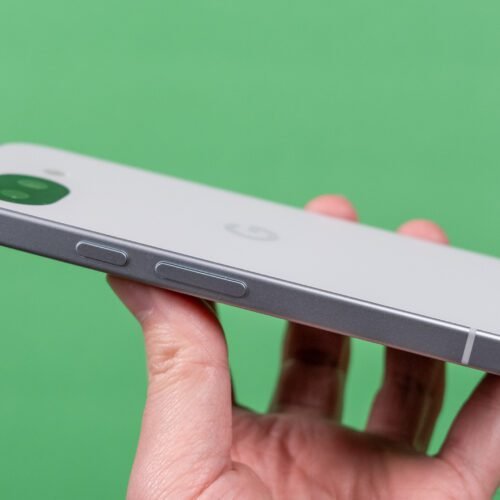
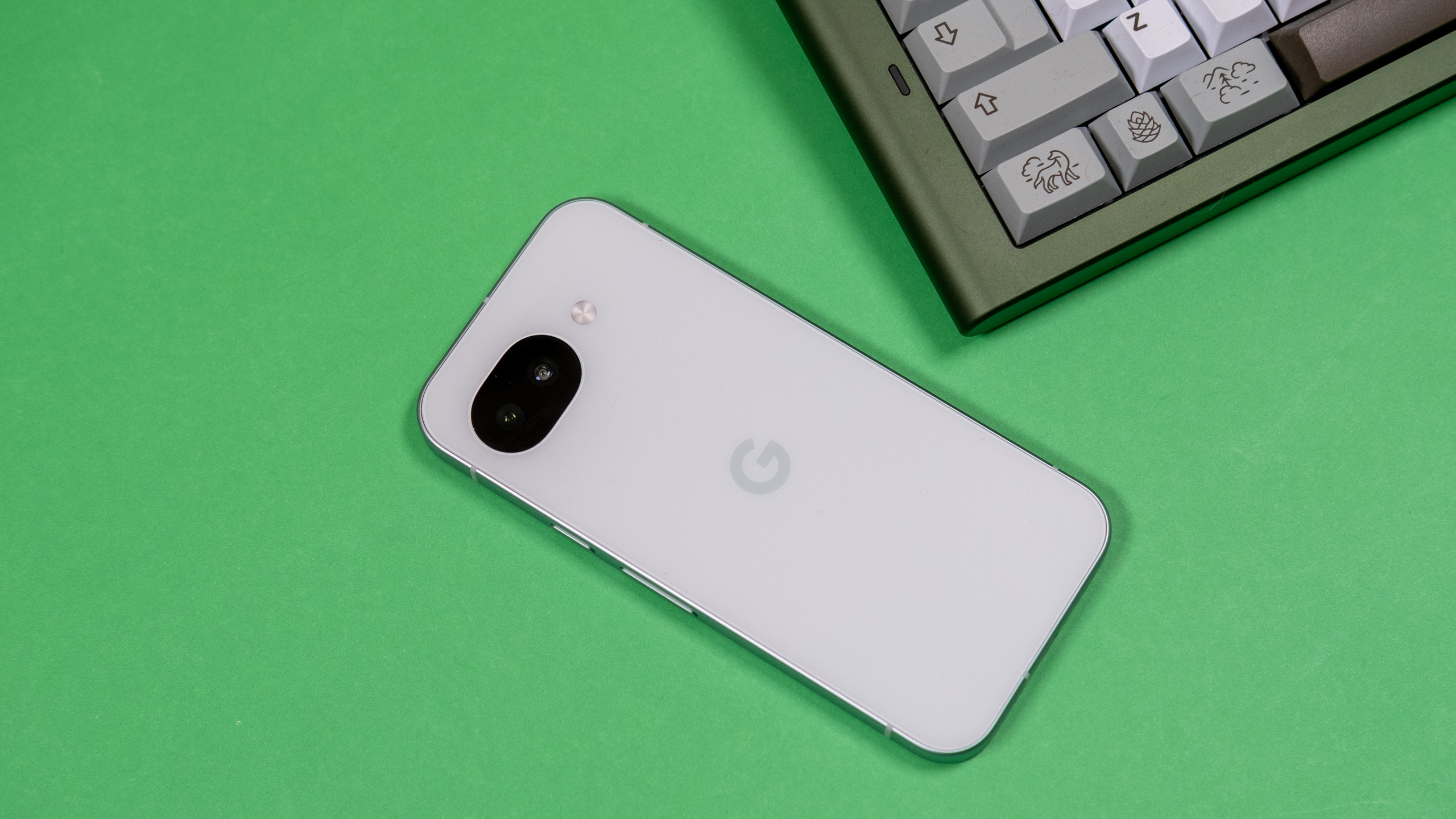
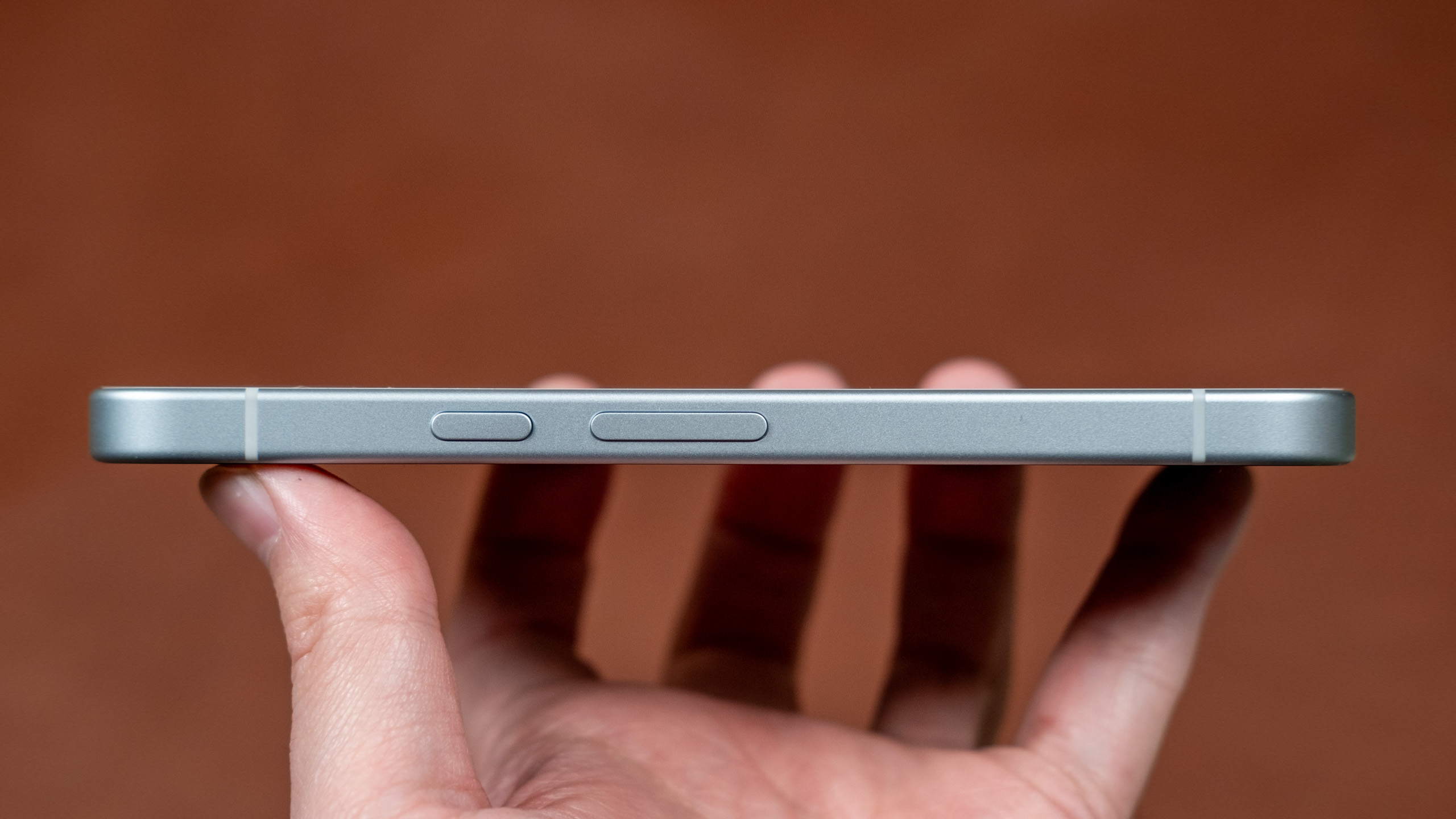
The phone’s silhouette doesn’t shake things up. It’s a glass slab with a flat metal frame. The display and the plastic back both sit inside the aluminum surround to give the phone good rigidity. The buttons, which are positioned on the right edge of the frame, are large, flat, and sturdy. On the opposite side is the SIM card slot—Google has thankfully kept this feature after dropping it on the flagship Pixel 10 family, but it has moved from the bottom edge. The bottom looks a bit cleaner now, with matching cut-outs housing the speaker and microphone.
Traditionally, Google’s Pixel A-series always had the same Tensor chip as the matching flagship generation. So last year’s Pixel 9a had the Tensor G4, just like the Pixel 9 and 9 Pro. The Pixel 10a breaks with tradition by remaining on the G4, while the flagship Pixels advanced to Tensor G5.
| Specs at a glance: Google Pixel 9a vs. Pixel 10a | ||
|---|---|---|
| Phone | Pixel 9a | Pixel 10a |
| SoC | Google Tensor G4 | Google Tensor G4 |
| Memory | 8GB | 8GB |
| Storage | 128GB, 256GB | 128GB, 256GB |
| Display | 1080×2424 6.3″ pOLED, 60–120 Hz, Gorilla Glass 3, 2,700 nits (peak) | 1080×2424 6.3″ pOLED, 60–120 Hz, Gorilla Glass 7i, 3,000 nits (peak) |
| Cameras | 48 MP primary, f/1.7, OIS; 13 MP ultrawide, f/2.2; 13 MP selfie, f/2.2 | 48 MP primary, f/1.7, OIS; 13 MP ultrawide, f/2.2; 13 MP selfie, f/2.2 |
| Software | Android 15 (at launch), 7 years of OS updates | Android 16, 7 years of OS updates |
| Battery | 5,100 mAh, 23 W wired charging, 7.5 W wireless charging | 5,100 mAh, 30 W wired charging, 10 W wireless charging |
| Connectivity | Wi-Fi 6e, NFC, Bluetooth 5.3, sub-6 GHz 5G, USB-C 3.2 | Wi-Fi 6e, NFC, Bluetooth 6.0, sub-6 GHz 5G, USB-C 3.2 |
| Measurements | 154.7×73.3×8.9 mm; 185g | 153.9×73×9 mm; 183g |
Google’s custom Arm chips aren’t the fastest you can get, and the improvement from G4 to G5 wasn’t dramatic. The latest version is marginally faster and more efficient in CPU and GPU compute, but the NPU saw a big boost in AI throughput. So the upgrade to Tensor G5 is not a must-have (unless you love mobile AI), but the Pixel 10a doesn’t offer the same value proposition that the 9a did. Most of the other specs remain the same for 2026 as well. The base storage and RAM are still 128GB and 8GB, respectively, and it’s IP68 rated for water and dust exposure.
This is what passes for a small phone these days. The device fits snugly in one hand, and its generously rounded corners make it pretty cozy. You can reach a large swath of the screen with one hand, and the device isn’t too heavy at 183 grams. The Pixel 10 is about the same size, but it’s much heavier at 204 g.
At 6.3 inches, the OLED screen offers the same viewable area as the 9a. However, Google says the bezels are a fraction of a millimeter slimmer. More importantly, the display has moved from the aging Gorilla Glass 3 to Gorilla Glass 7i. That’s a welcome upgrade that could help this piece of hardware live up to its lengthy software support. Google also boosted peak brightness by 11 percent to 3,000 nits. That’s the same as in the Pixel 10, but the difference won’t be obvious unless you’re looking at the 9a and 10a side by side under strong sunlight.
There’s an optical fingerprint scanner under the screen, which will illuminate a dark room more than you would expect. The premium Pixels have ultrasonic sensors these days, which are generally faster and more accurate. The sensor on the 10a is certainly good enough given the price tag, and with Google increasingly looking to separate the A-series from the flagships, we wouldn’t expect anything more.
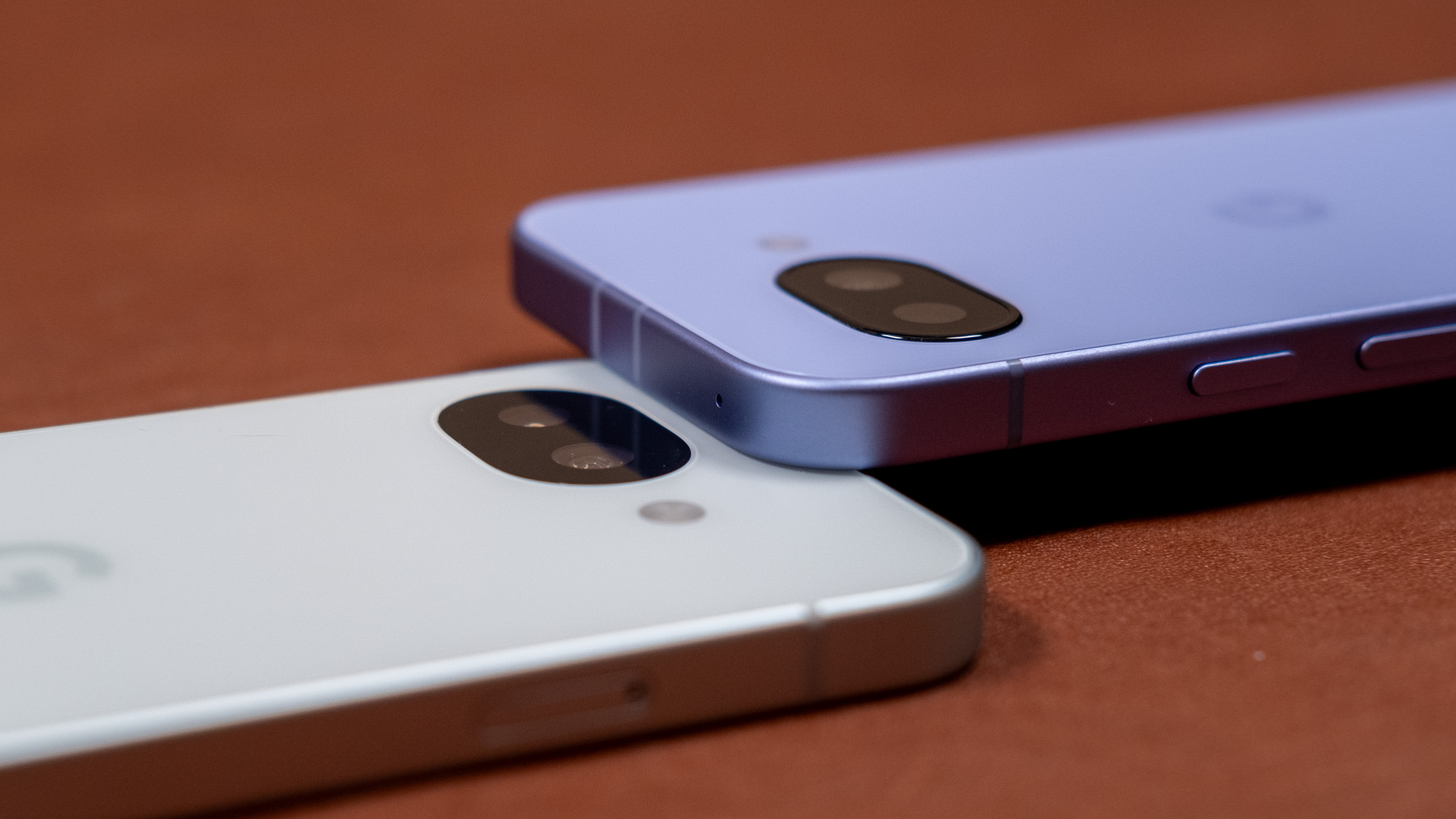
The new camera module is the only major visual alteration this cycle. The sensors inside haven’t changed, but Google did manage to fully eliminate the bump. The rear cameras on this phone are now flush with the surface, a welcome departure from virtually every other smartphone. The Pixel 10a sits flat on a table and won’t rock side to side if you tap the screen. The cameras on the 9a didn’t stick out much, but shaving a few millimeters off is still an accomplishment, and the generous battery capacity has been preserved.
The Tensor tension
Google will be the first to tell you that it doesn’t tune Tensor chips to kill benchmarks. That said, the Tensor G5 did demonstrate modest double-digit improvements in our testing. You don’t get that with the Pixel 10a and its year-old Tensor G4, but the performance isn’t bad at all for a $500 phone.
Pixel phones, including this one, are generally very pleasant to use. Animations are smooth and not overly elaborate, and apps open quickly. Benchmarks can still help you understand where a device falls in the grand scheme of things, so here are some comparisons.
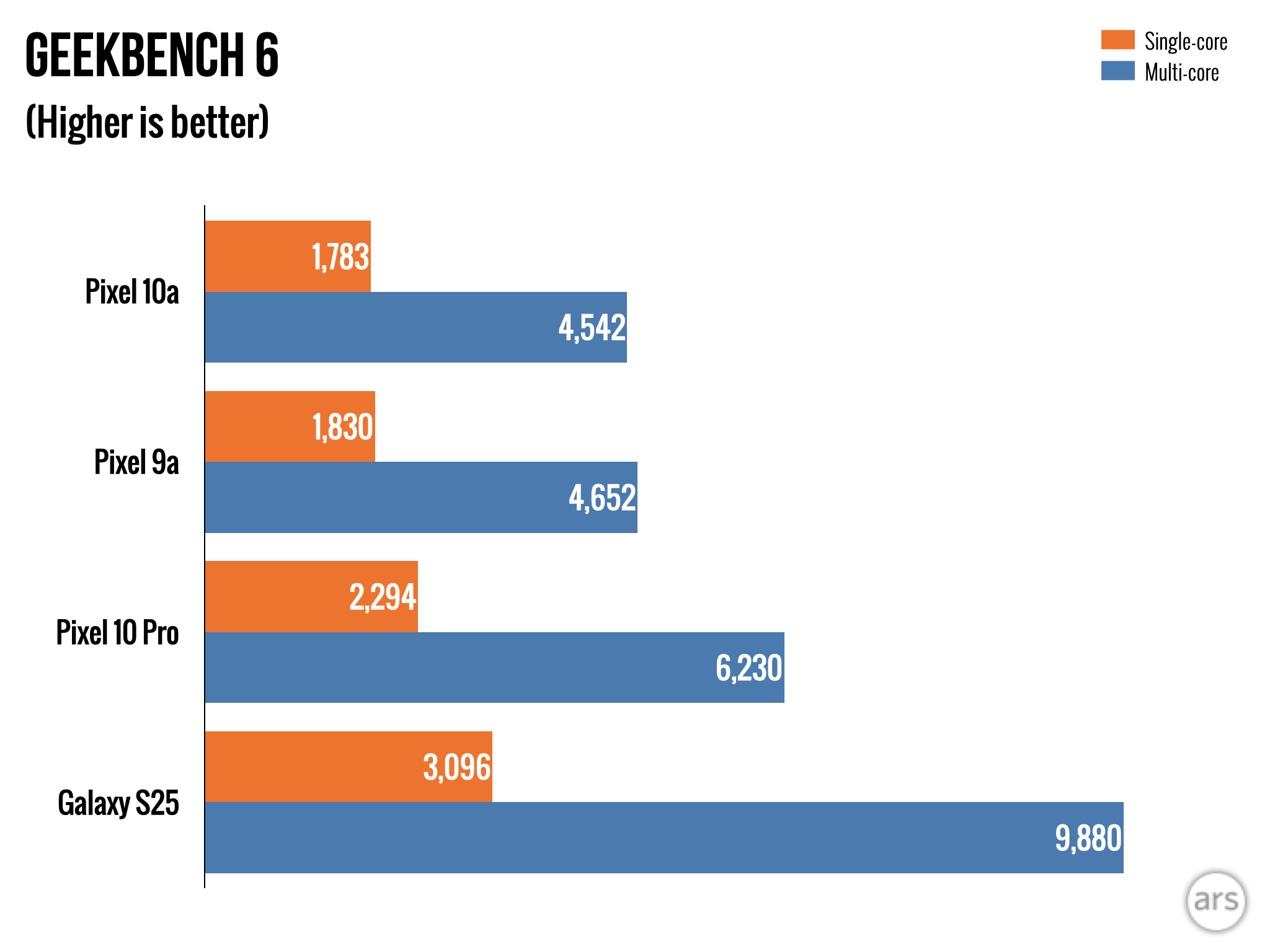
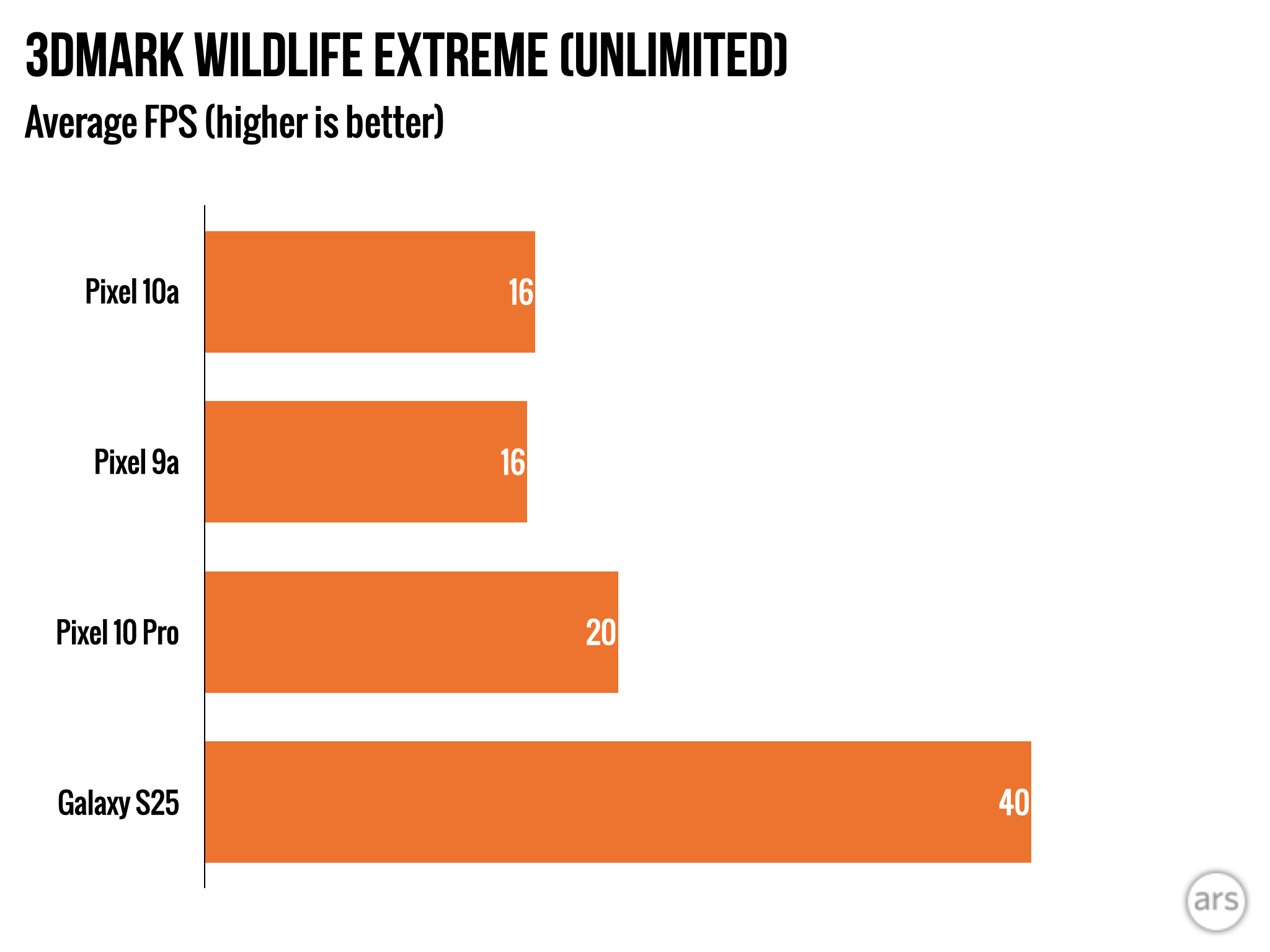
Google builds phones with the intention of supporting them for the long haul, but how will that work when the hardware is leveling off? Tensor might not be as fast as Qualcomm’s Snapdragon chips, but the architecture is much more capable than what you’d find in your average budget phone, and Google’s control of the chipset ensures it can push updates as long as it wants.
Meanwhile, 8 gigabytes of RAM might be a little skimpy in seven years, but you’re not going to see generous RAM allotments in budget phones this year—not while AI data centers are gobbling up every scrap of flash memory. Right now, though, the Pixel 10a keeps apps in memory well enough, and it’s not running as many AI models in the background compared to the flagship Pixels.
The one place you may feel the Pixel 10a lagging is in games. None of the Tensor chips are particularly good at rendering complex in-game worlds, but that’s more galling for phones that cost $1,000. A $500 Pixel 10a that’s mediocre at gaming doesn’t sting as much, and it’s really not that bad unless you insist on playing titles like Call of Duty Mobile or Genshin Impact.
You don’t buy a Pixel because it will blow the door off every game and benchmark app—you buy it because it’s fast enough that you don’t have to think about the system-on-a-chip inside. That’s the Pixel 10a with Tensor G4.
The new Pixel A phone again has a respectable 5,100 mAh battery. That’s larger than every other Pixel, save for the 10 Pro XL (5,200 mAh). It’s possible to get two solid days of usage from this phone between charges, and it’s a bit speedier when you do have to plug in. Google upgraded the wired charging from 23 W in the 9a to 30 W for the 10a. Wireless charging has been increased from 7.5 W to 10 W with a compatible Qi charger. However, there are no PixelSnap magnets inside the phone, which seems a bit arbitrary—this could be another way to make the $800 Pixel 10 look like a better upgrade. We’re just annoyed that Google’s new magnetic charger doesn’t work very well with the 10a.
Some AI, lots of updates
Phones these days come with a lot of bloatware—partner apps, free-to-play games, sports tie-ins, and more. You don’t have to deal with any of that on a Pixel. There’s only one kind of bloat out of the box, and that’s Google’s. If you plan to use Google apps and services on the Google phone, you don’t have to do much customization to make the Pixel 10a tolerable. It’s a clean, completely Googley experience.
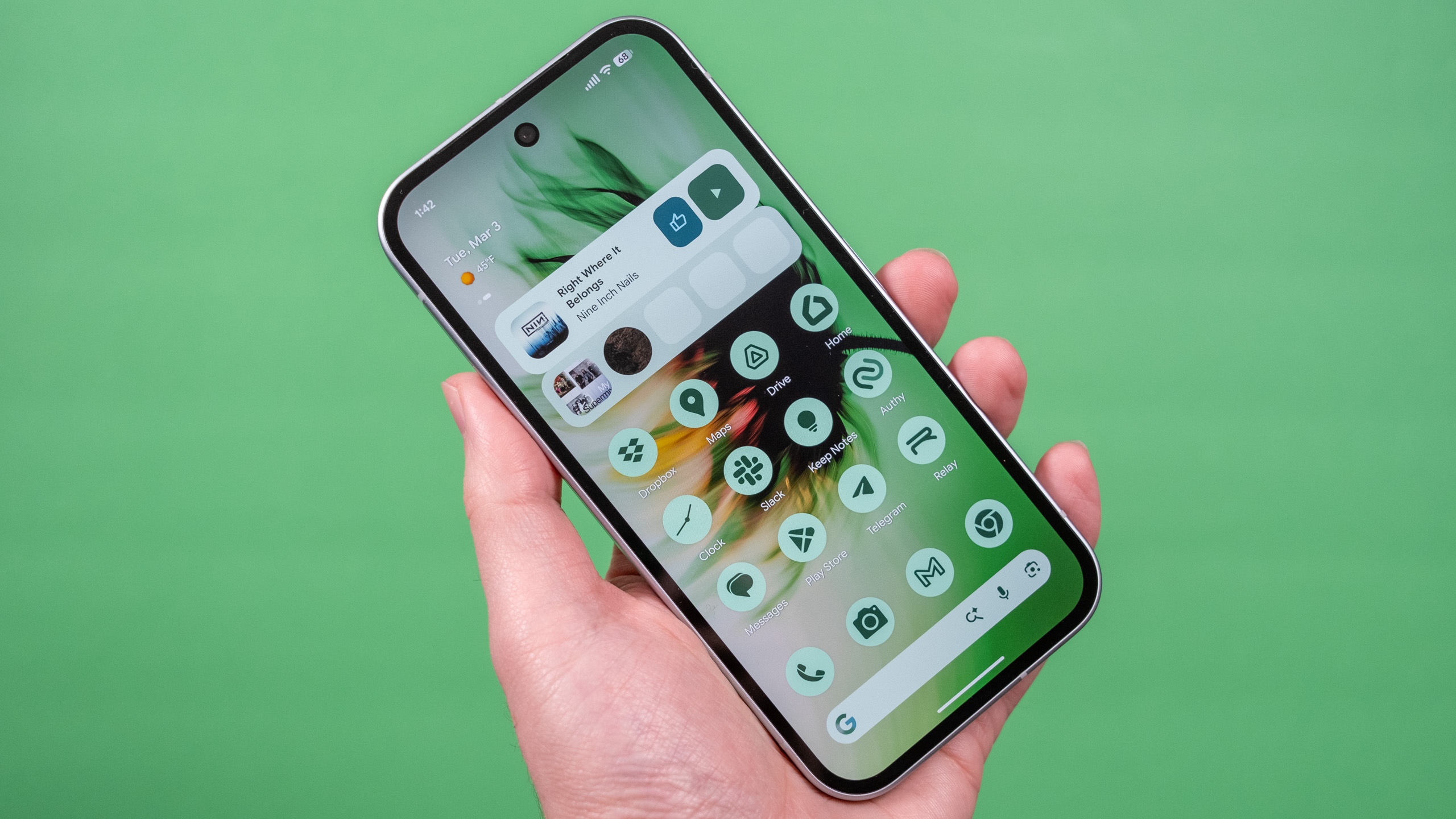
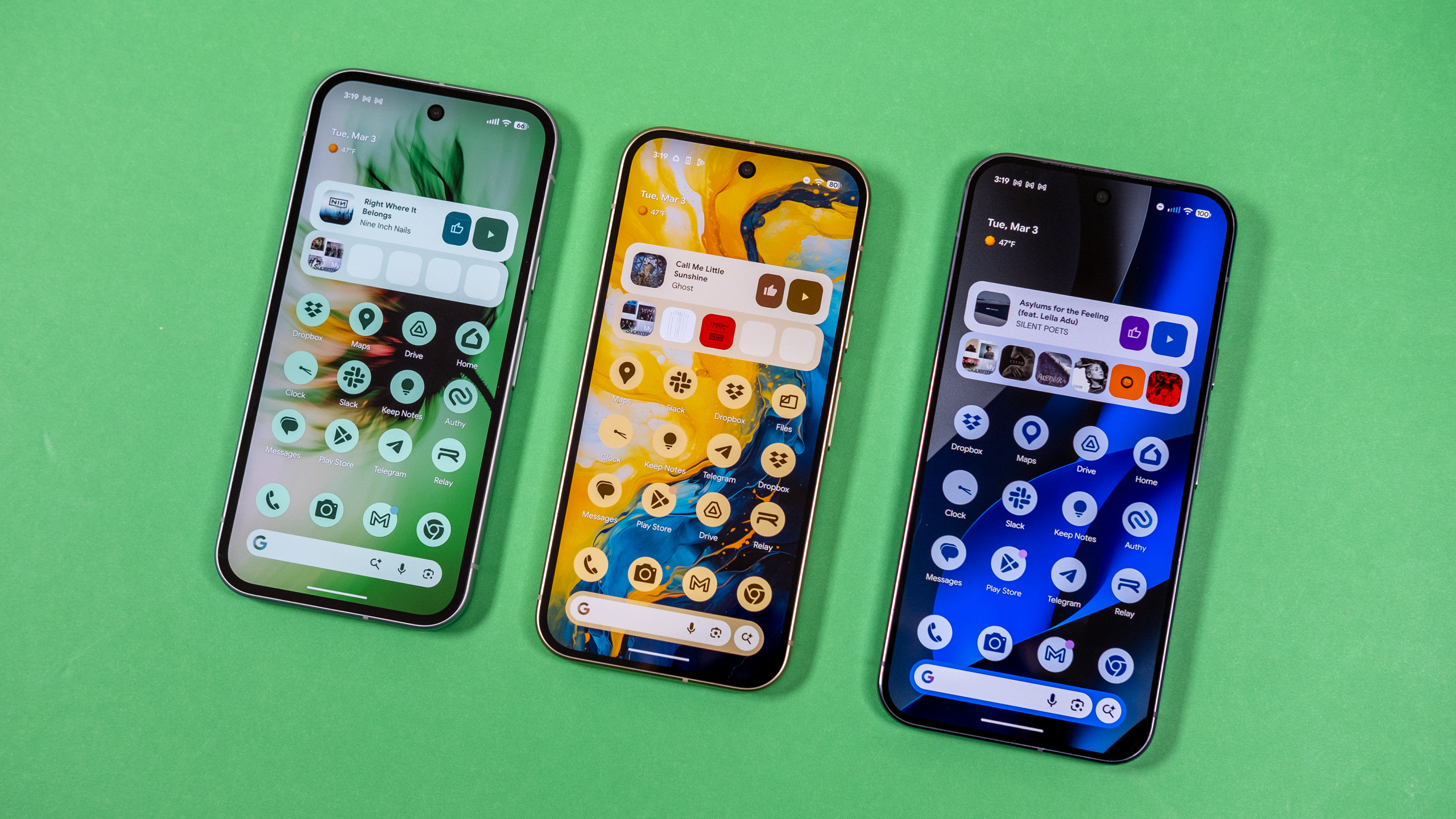
Naturally, Google’s take on Android has the most robust implementation of Material 3 Expressive, which uses wallpaper colors to theme system elements and supported apps. It looks nice and modern, and we prefer it over Apple’s Liquid Glass. The recent addition of AI-assisted icon theming also means your Pixel home screen will finally be thematically consistent.
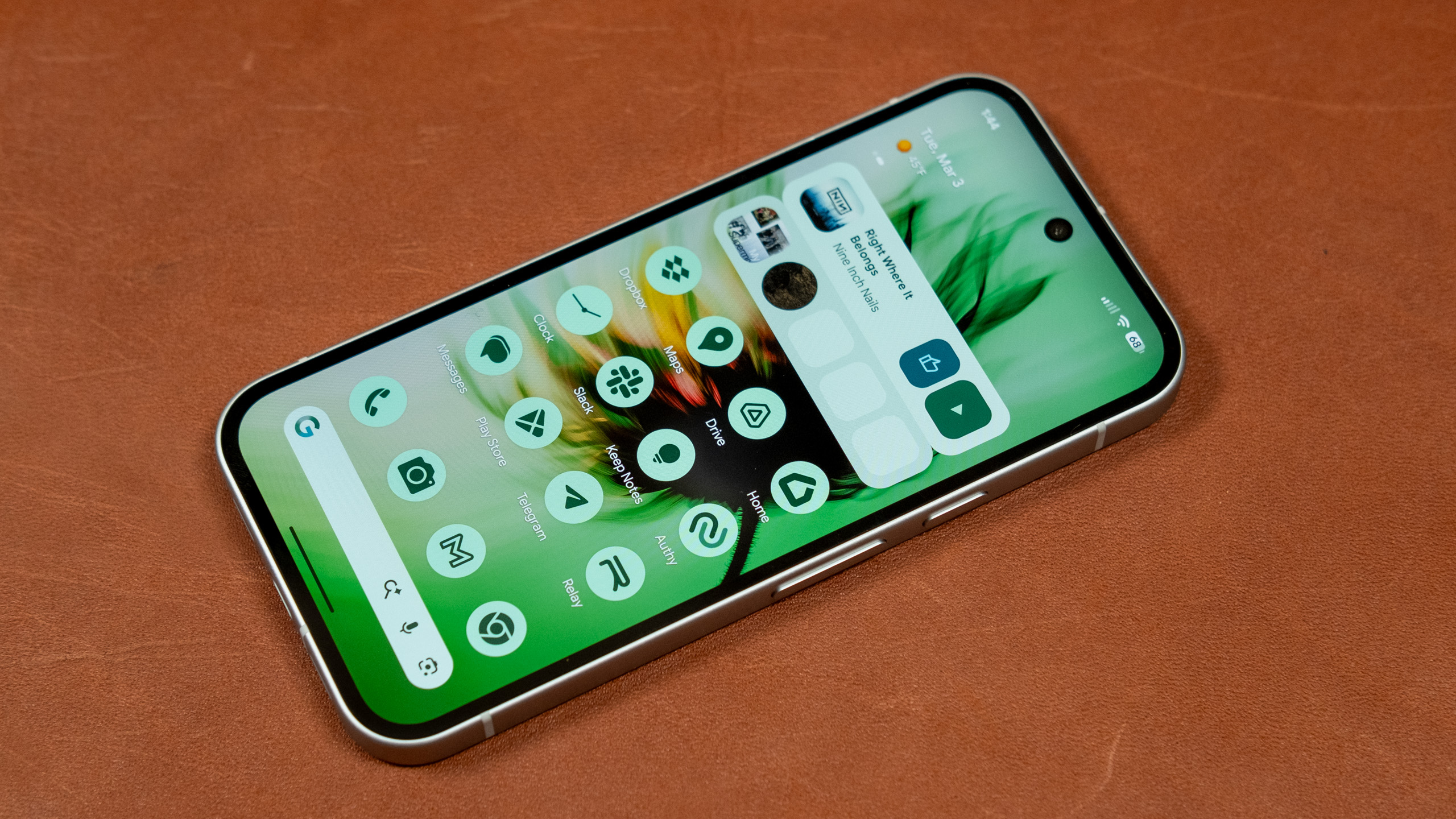
There’s much more AI on board, but it’s not the full suite of Google generative tools. As with last year’s budget Pixel, you’re missing things like Pixel Screenshots, weather summaries, and Pixel Studio—Google reserves those for the flagship phones with their more powerful Gemini Nano models. You will get Google’s AI-powered anti-spam tools, plenty of Gemini integrations, and most of the phone features, like Call Screen. If you’re not keen on Google AI, this may actually be a selling point.
One of the main reasons to buy a Pixel is the support. Pixels are guaranteed a lengthy seven years of update support, covering both monthly security patches and OS updates. You can expect the Pixel 10a to get updates through 2033.
Samsung is the only other Android device maker that offers seven years of support, but it tends to be slower in updating phones after their first year. Pixel phones get immediate updates to new security patches and even new versions of Android. If you buy anything else that isn’t an iPhone, you’ll be looking at much less support and much more waiting.
Google also consistently delivers new features via the quarterly Pixel Drops, and while a lot of that is AI, there are some useful tools and security features, too. Google doesn’t promise all phones will get the same attention in Pixel Drops, but you should see new additions for at least a few years.
Pixel camera on a budget
Google isn’t pushing the envelope with the Pixel 10a, and in some ways, the camera experience is why it can get away with that. There’s no other $500 phone with a comparable camera experience, and that’s not because the Pixel 10a is light-years ahead in hardware. The phone has fairly modest sensors in that new, flatter module, but Google’s image processing is just that good.

In 2026, Google’s budget Pixel still sports a 48 MP primary wide-angle camera, paired with a 13 MP ultrawide. There is no telephoto lens on the back, and the front-facing selfie shooter is also 13 MP. Of these cameras, only the primary lens has optical stabilization. Photos taken with all the cameras are sharp, with bright colors and consistent lighting.
Google’s image processing does a superb job of bringing out details in bright and dim areas of a frame, and Night Sight is great for situations where there just isn’t enough light for other phones to take a good photo. In middling light, the Pixel 10a maintains fast enough shutter speeds to capture movement, something both Samsung and Apple often struggle with.







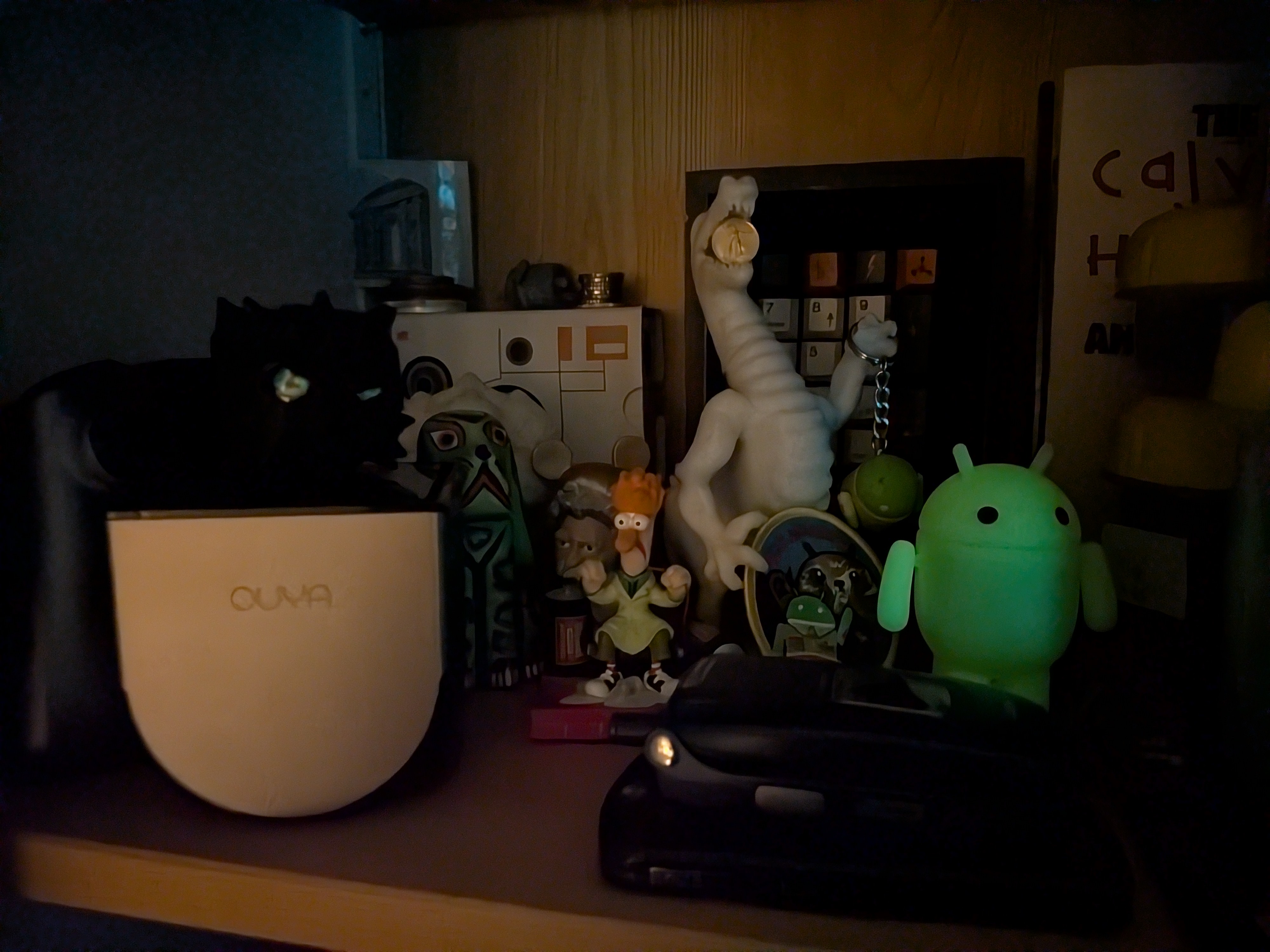

Pixel phones don’t have as many camera settings as a Samsung or OnePlus phone does—in fact, the 10a doesn’t even get as many manual controls as the flagship Pixels—but they’re great at quick snapshots. Within a couple of seconds, you can pop open the Pixel camera and shoot a photo that’s detailed and well-exposed without waiting on autofocus or fiddling with settings. So you’ll capture more moments with a Pixel than with other phones, which might not nail the focus or lighting even if you take a whole batch of photos with different settings.
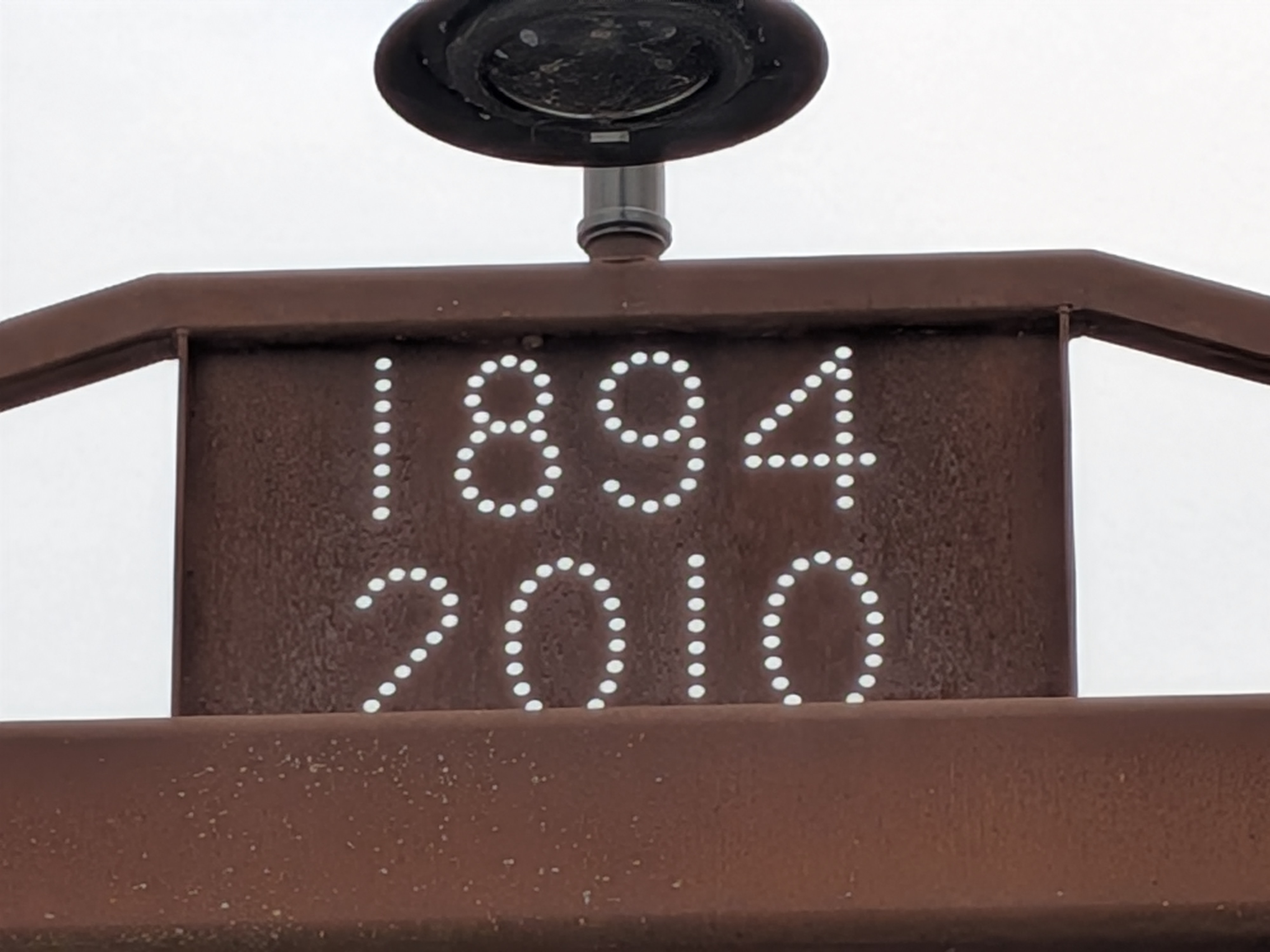
Without a telephoto lens option, you won’t be able to push the Pixel 10a with extreme zoom levels like the more expensive Pixel 10 phones. You’re limited to 8x zoom, and things get quite blurry beyond 3-4x. Google’s image processing should be able to clean up a 2x crop well enough, but the image will look a bit artificial and over-sharpened if you look closely.



Video can be a weak point for Google. Samsung and Apple phones offer more options, and the quality of Google’s phones isn’t strong enough to make up for it. The videos look fine, but the stabilization isn’t perfect, and 4k60 can sometimes hiccup. It’s more what we’d expect from a $500 phone, whereas the 10a punches above its weight in still photography.
Running unopposed
It’s easy to be disappointed in the Pixel 10a when you look at the spec sheet. The hardware has barely evolved beyond last year’s phone, and it even has the same processor inside. This is a departure for Google, but it’s also expected given the state of the smartphone market. These are mature products, and support has gotten strong enough that you can use them for years without an upgrade. Smartphones are really becoming more like appliances than gadgets.
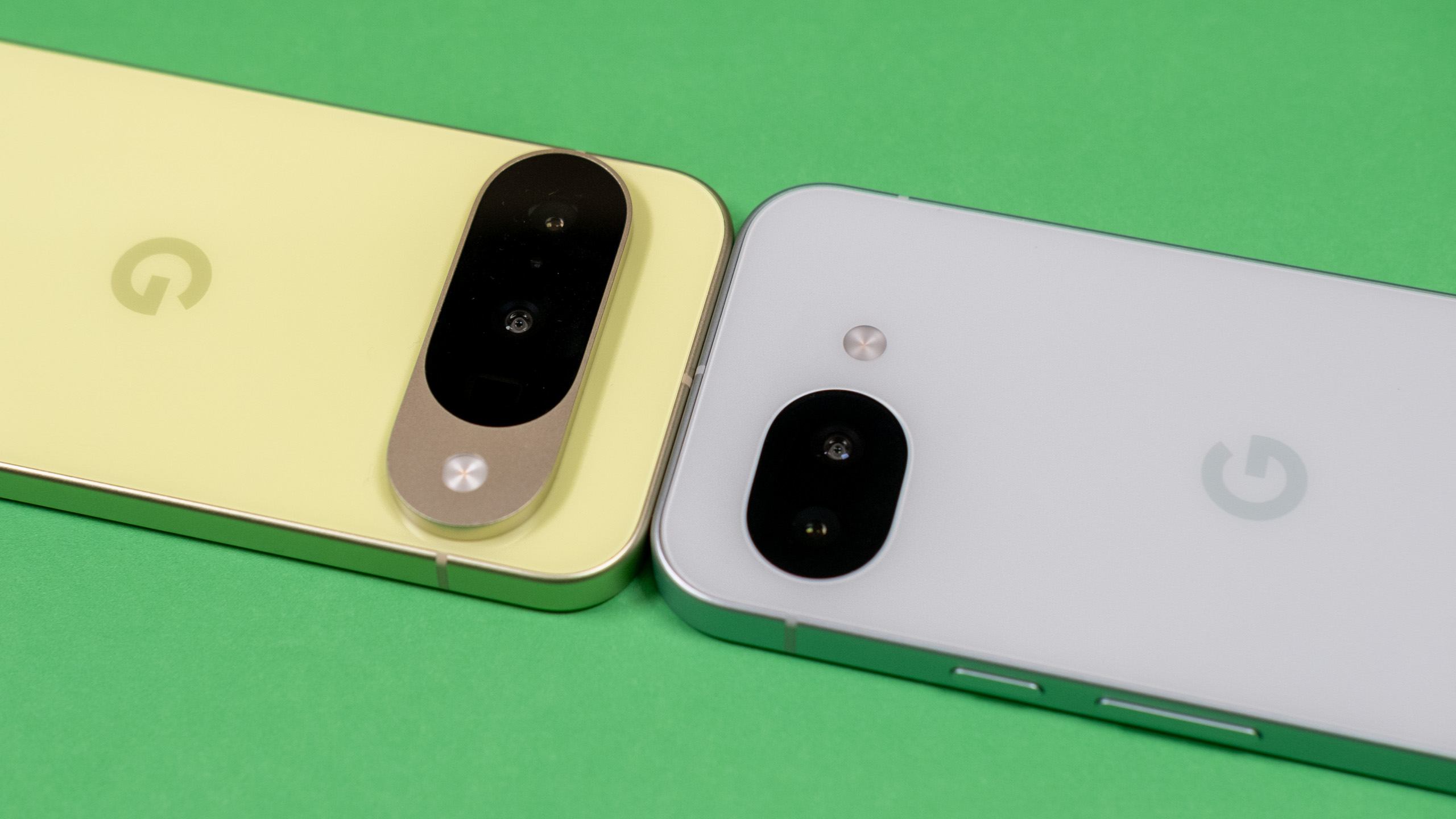
Google’s Pixel line has finally started to gain traction as smaller OEMs continue to drop out and scale back their plans in North America. Google is not alone in the mid-range—Samsung and Motorola still make a variety of Android phones in this price range, but they tend to make more compromises than the Pixel does.
The latest Google Pixel is only marginally better than the last model, featuring the same Tensor G4 processor, 8GB of RAM, and dual-camera setup. The body has modest upgrades, including a flat camera module and a slightly brighter, stronger display. We’d all like more exciting phone releases, but Google has realized it doesn’t need to be flashy to dominate the mid-range.
Even with a less-than-impressive 2026 upgrade, Google’s A-series Pixel remains a good value, just like its predecessor. The Pixel 9a was already much better than the competition, and the 10a is slightly better than that. With no real competition to speak of, Google’s new Pixel is still worth buying.
Of course, the very similar Pixel 9a remains a good purchase, too. Google continues to sell that phone at the same price. In fact, that’s true of the Pixel 8a in Google’s store, too. So you can have your choice of the new phone, the old phone, or an even older phone for the same $500. Google is clearly not concerned with clearing old stock. We expect to see at least occasional deals on last year’s Pixel. If you can get that phone even a little cheaper than the 10a, that’s a good idea. Otherwise, get used to spending $500 on Google’s mid-range appliance.
The good
- Great camera experience
- Long battery life
- Good version of Android with generous update guarantee
- Lighter and more compact than flagship phones
The bad
- Barely an upgrade from Pixel 9a
- Gaming performance is iffy