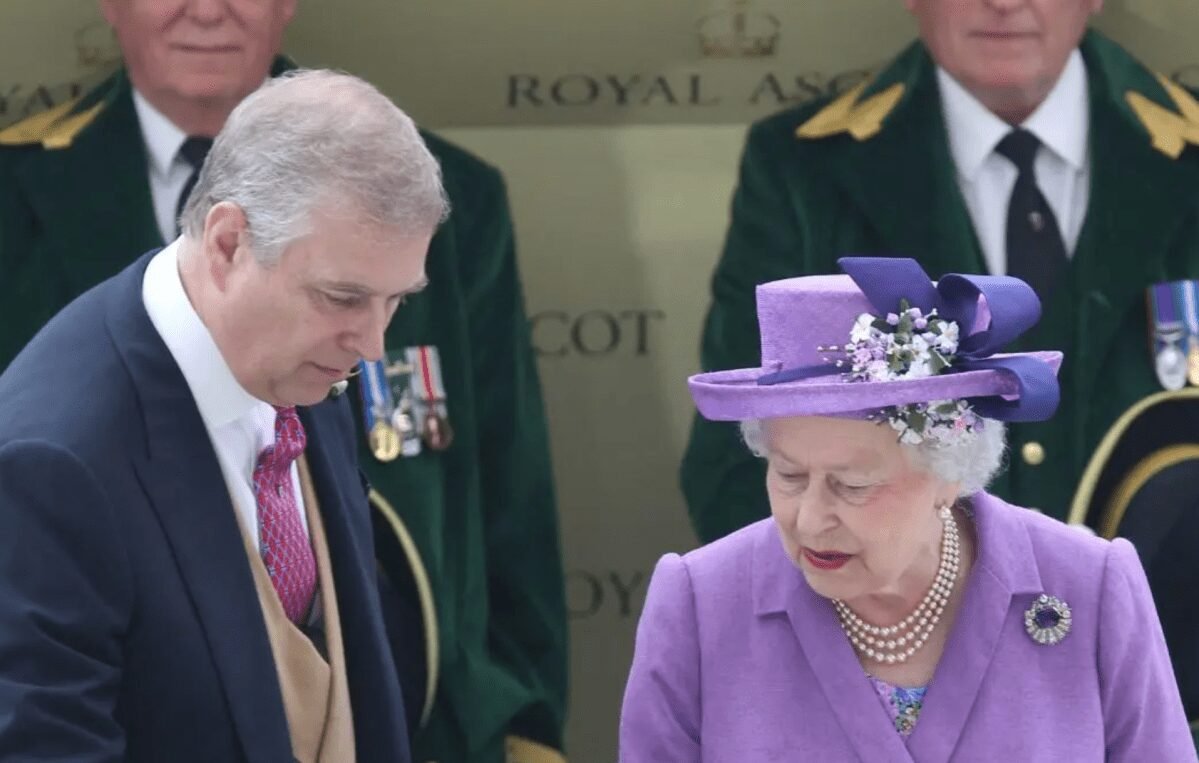
A wave of explosive allegations is tearing through the legacy of Queen Elizabeth II — with insiders claiming the monarchy’s polished image may have been built on years of tightly controlled silence, buried warnings, and ruthless damage control.
At the center of it all is “the Firm” — the royal machine accused of doing whatever it takes to protect the Crown… no matter the cost.
And critics say the pattern is impossible to ignore.
The most disturbing claims revolve around Prince Andrew and his long-shadowed connection to convicted sex offender Jeffrey Epstein.
According to insiders, concerns about Andrew weren’t just whispered — they were known.
And allegedly ignored.
Security officers assigned to protect the prince are said to have understood one unspoken rule: stay quiet, or risk your career.
“If you pushed too far, you were finished,” one source claimed, describing a culture of fear surrounding the royal’s inner circle.
Royal biographer Andrew Lownie has alleged that complaints were raised internally — but never acted on.
Despite growing controversy, Andrew remained protected within royal walls for years, until legal action from Virginia Giuffre forced the scandal into the global spotlight.
Andrew has repeatedly denied the allegations. The case was settled in 2022 — but questions have never stopped.
When Princess Diana died in 1997, grief swept across the globe — but inside the palace, the response was chillingly quiet.
The Queen’s initial silence stunned the public and ignited outrage.
Now, insiders claim that behind closed doors, there may have been regret — a realization that Diana had been left exposed during one of the most brutal chapters of her life, including her split from King Charles III.
But publicly? Nothing changed.
“The image had to be protected,” one source said. “Even if it meant rewriting how things really happened.”
For many, it remains one of the monarchy’s most haunting controversies — a moment where empathy appeared to take a back seat to tradition.
Years later, history seemed to repeat itself — this time with Meghan Markle.
In a stunning revelation, Meghan said she reached a breaking point while living inside the royal system — and claimed she was denied the help she desperately needed.
“I didn’t want to be alive anymore,” she revealed, describing what she called a terrifying mental health crisis.
Her claim that she was told seeking help “wouldn’t be good for the institution” sent shockwaves worldwide.
Insiders say that response reflects a deeper truth about the monarchy: protecting its image isn’t just important — it’s everything.
Even beyond public scandals, historians say the Queen may have carried deeply personal secrets to her grave.
Biographer Meryle Secrest has suggested that Elizabeth long suspected her sister, Princess Margaret, suffered from serious underlying issues — but chose silence over disclosure.
If true, it paints a stark picture of a monarch who consistently chose duty over truth… and the institution over everything else.
To millions, Queen Elizabeth II was a steady, unshakable figure who defined an era.
But to critics, these resurfacing claims tell a darker story — one of a royal machine that protected its own, controlled narratives, and kept uncomfortable truths locked behind palace gates.
Now, as more voices speak out, the question is no longer whispered — it’s shouted:
What else hasn’t been revealed?





