Countries should consider restoring natural ecosystems along their land borders as part of a broader national security strategy, according to the European Union’s environment chief.
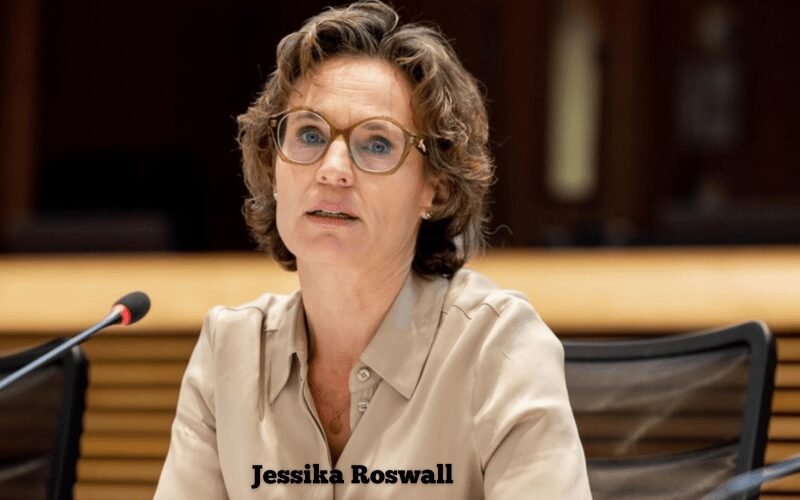
Jessika Roswall, the EU Commissioner for Environment, Water Resilience and a Competitive Circular Economy, argued that strengthening natural landscapes can act as both a defensive barrier and an ecological investment.
“Investing in nature and using nature as a natural border control is necessary, and it also increases biodiversity. It’s a win-win,” Roswall said.
She pointed to practical examples already underway in Europe. Poland and Finland—both sharing borders with Russia or Russian-aligned states—have begun allowing vegetation and natural landscapes to reclaim areas along their frontiers. According to Roswall, this “rewilding” approach creates terrain that is more difficult to cross.
“They transfer the land to more hostile nature, leaving bushes and trees. Then it’s not so easy for others to cross it,” she explained.
Wetlands, she added, can serve as particularly effective natural obstacles. Restored marshes and floodplains create ground conditions that make the movement of heavy military equipment, such as tanks, extremely challenging.
Roswall believes governments should increasingly view environmental protection through a national security lens. Healthy ecosystems, she argued, underpin food production, water supply and infrastructure resilience—key elements of a country’s strategic stability.
“Water is the most obvious example,” she said. “If we don’t have water, we don’t have security.”
She referenced Ukraine, where attacks on water infrastructure during the war have highlighted how environmental systems are directly linked to national resilience.
Flood protection should also be considered part of security planning, Roswall argued. Nature-based urban planning—such as so-called “sponge cities” designed to absorb excess rainwater—can reduce damage from floods and droughts while strengthening infrastructure resilience.
Across Europe, she warned, water scarcity and environmental pressures are already creating serious challenges. While rainfall patterns vary by region, pollution and declining water quality remain common concerns throughout the continent.
“We are at a junction where we really need to focus on water,” Roswall said. “We need to work together on both water scarcity and water quality.”
The commissioner also raised concerns about “forever chemicals,” known as PFAS, which persist in soil and water and have been linked to health risks. She said the European Commission is pushing to accelerate regulatory action and provide clearer guidance on how to manage contamination.
Cleaning up polluted sites will likely require contributions from multiple actors, including industries such as pharmaceuticals and cosmetics, as well as public authorities. However, Roswall acknowledged that in many cases the original polluters may be unknown.
“The cleanup is bigger than that,” she said. “At the end of the day, some of this might have to be paid for with public money.”