Just when you thought there were no more twists left in the Jeffrey Epstein saga, newly surfaced documents are raising fresh questions — and hinting at evidence that may still be hidden from public view.
According to records uncovered in a late batch of Epstein-related files, the disgraced financier allegedly rented at least six self-storage units across the United States. The units were reportedly used to stash computers, photographs, paperwork, and other materials removed from his various properties — including devices from his infamous private island, Little Saint James.
And that’s not all.
Emails included in the documents suggest Epstein may have gone to great lengths to keep those materials out of investigators’ hands. One message allegedly instructed employees to move computers from one storage unit to another after he was tipped off about a possible police search of his home in the mid-2000s.
In other words, this wasn’t just storage. It may have been strategy.
The records also reveal that Epstein hired private investigators to handle and relocate the materials. One detective reportedly wrote in a 2009 email that he had removed computers and paperwork from Epstein’s residence before a search warrant was executed.
“Over the weekend I learned that plaintiff’s counsel are looking to get from me the computers and paperwork I took from Jeff’s house prior to the search warrant,” the investigator wrote to Epstein and his legal team. “I have them locked in storage and would like to know what to do with them.”
The message suggests the devices were kept under tight control — and possibly out of reach of attorneys representing accusers, including Virginia Giuffre.
It also raises an unsettling question: What exactly was on those computers?
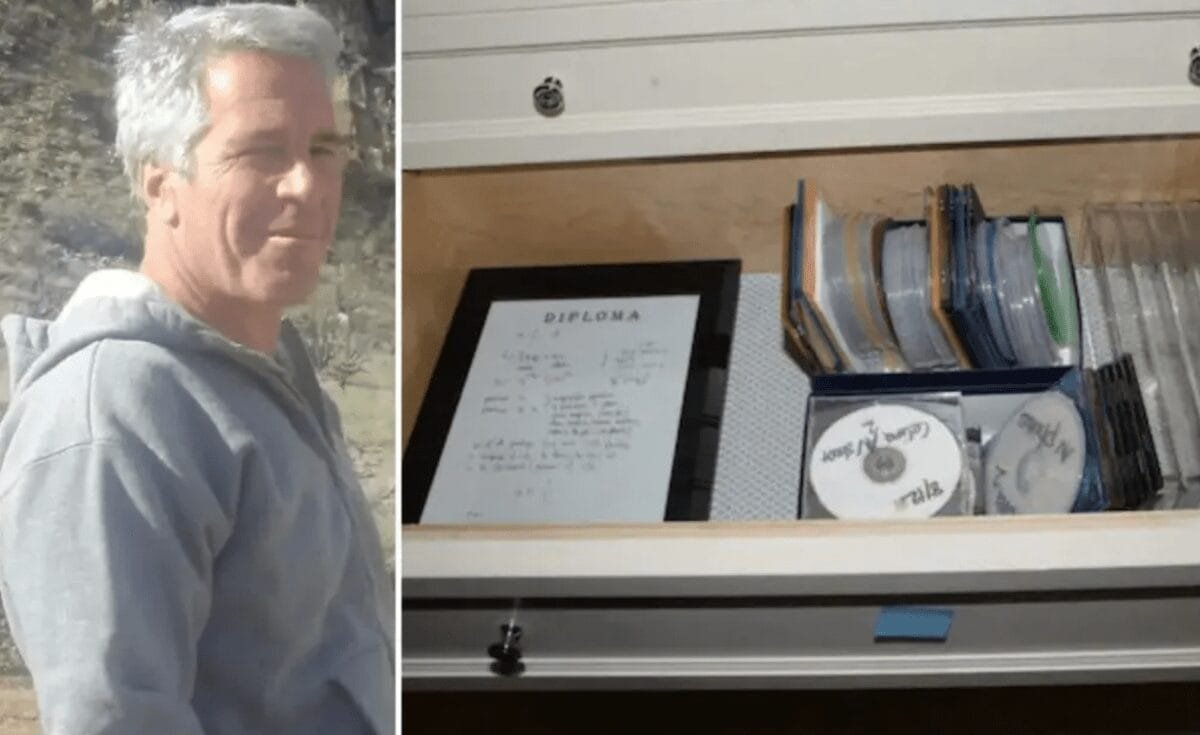
In July, the Department of Justice released photos from a raid on Epstein’s New York mansion. The images showed shelves stacked with labeled binders, dozens of CDs, hard drives, and electronic equipment.
Some binders reportedly contained names of young girls and women. Authorities also recovered cash, multiple passports, and a large safe during the search.
Former Palm Beach County deputy sheriff John Mark Dougan has claimed investigators were aware that Epstein maintained extensive video recordings inside his homes.
“Every bedroom in Epstein’s houses had multiple cameras,” Dougan alleged. “He used to keep records of everybody. He used to store everything.”
But when authorities went looking for what Dougan described as “thousands and thousands” of DVDs, he claims they were gone.
“Who had knowledge that the search was coming?” Dougan asked. He pointed to officials involved in obtaining and executing search warrants, suggesting that someone may have tipped Epstein off.
Epstein’s 2008 plea deal in Florida and the controversies surrounding it have long fueled suspicion that powerful interests worked behind the scenes to shield him. Now, these storage unit revelations are adding yet another layer to a case that refuses to fade from the headlines.
If computers and photographs were shuffled across state lines and locked away in rented units, investigators — and the public — may not have seen the full picture yet.
The bigger question is whether those materials still exist — and if so, what they might reveal.
For a scandal already marked by secrecy, influence, and unanswered questions, this latest discovery suggests the Epstein story may still have chapters left to write.
function pinIt() { var e = document.createElement(‘script’); e.setAttribute(‘type’,’text/javascript’); e.setAttribute(‘charset’,’UTF-8′); e.setAttribute(‘src’,’https://assets.pinterest.com/js/pinmarklet.js?r=’+Math.random()*99999999); document.body.appendChild(e); }